How are those centers going?
At the beginning of the school year, we talked all about building center stamina, teaching routines, giving students choices, and starting with alphabet activities that students could learn to complete successfully and independently. Hopefully by now, your students are beginning to understand what center time looks like in your classroom. They know where materials belong, how to choose an activity, what to do when they finish, and, most importantly, that center time is a time when they can actually work without needing you every 30 seconds. 😉
If you are still working on some of those routines, that is completely okay too. Every class moves at a different pace. You can head back to my Back to School Alphabet Centers Made Simple post for ideas on building center stamina, setting up center choices, pre-teaching activities, and using the free Alphabet Centers Roadmap. That post is also a great place to start if your students are still working primarily on alphabet and letter-sound skills rather than CVC words.
But if your students are ready to move into CVC words, let's talk about what comes next.
Moving Your Centers Into CVC Words
One of my favorite things about this point in the year is that the academic content can change without completely reinventing your center block. In fact, I would rather students encounter familiar activity structures with a new phonics skill than have to learn a brand-new center routine every time the skill changes. They have already done the hard work of learning how centers operate. Now we can begin increasing the academic work happening inside them.
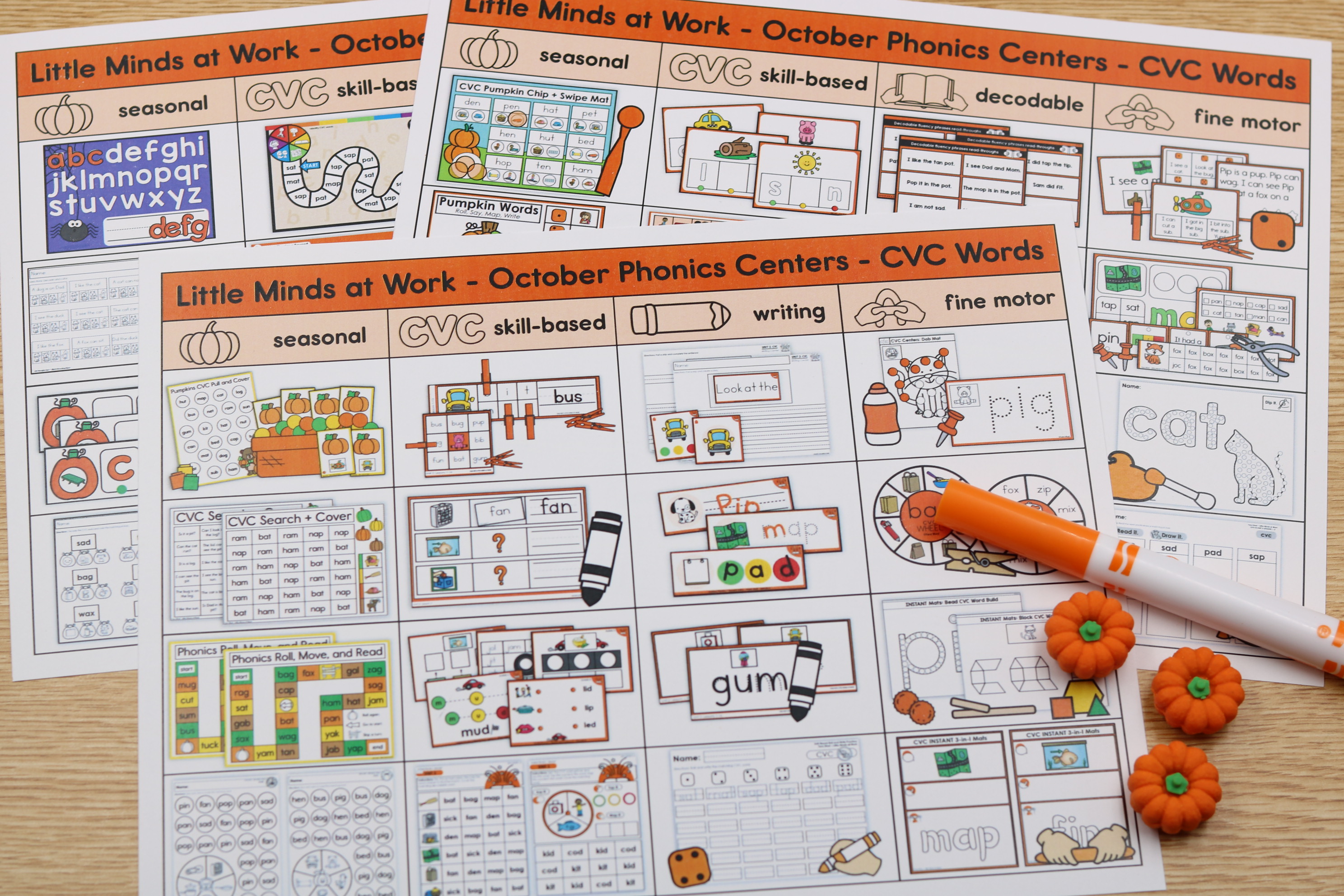
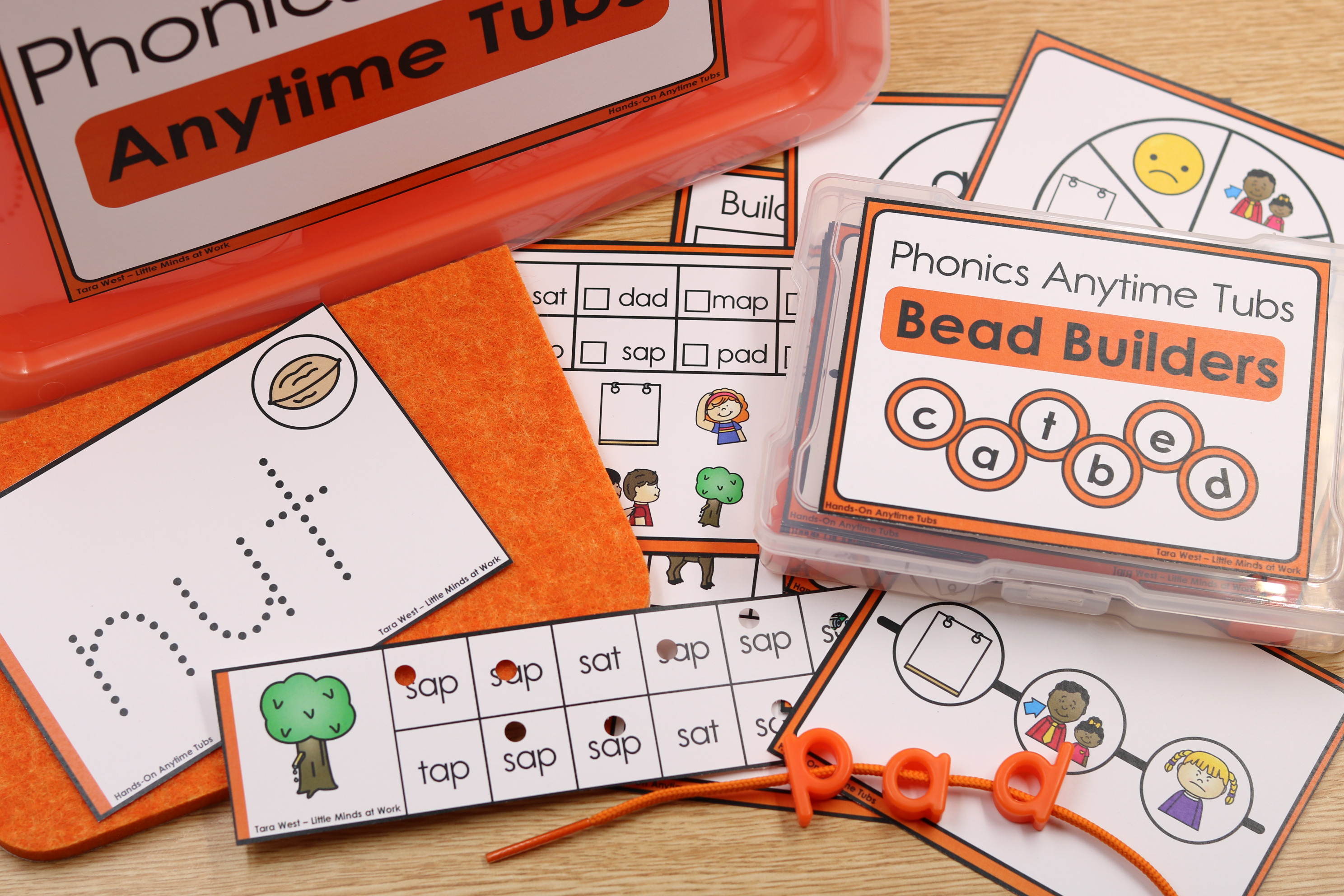
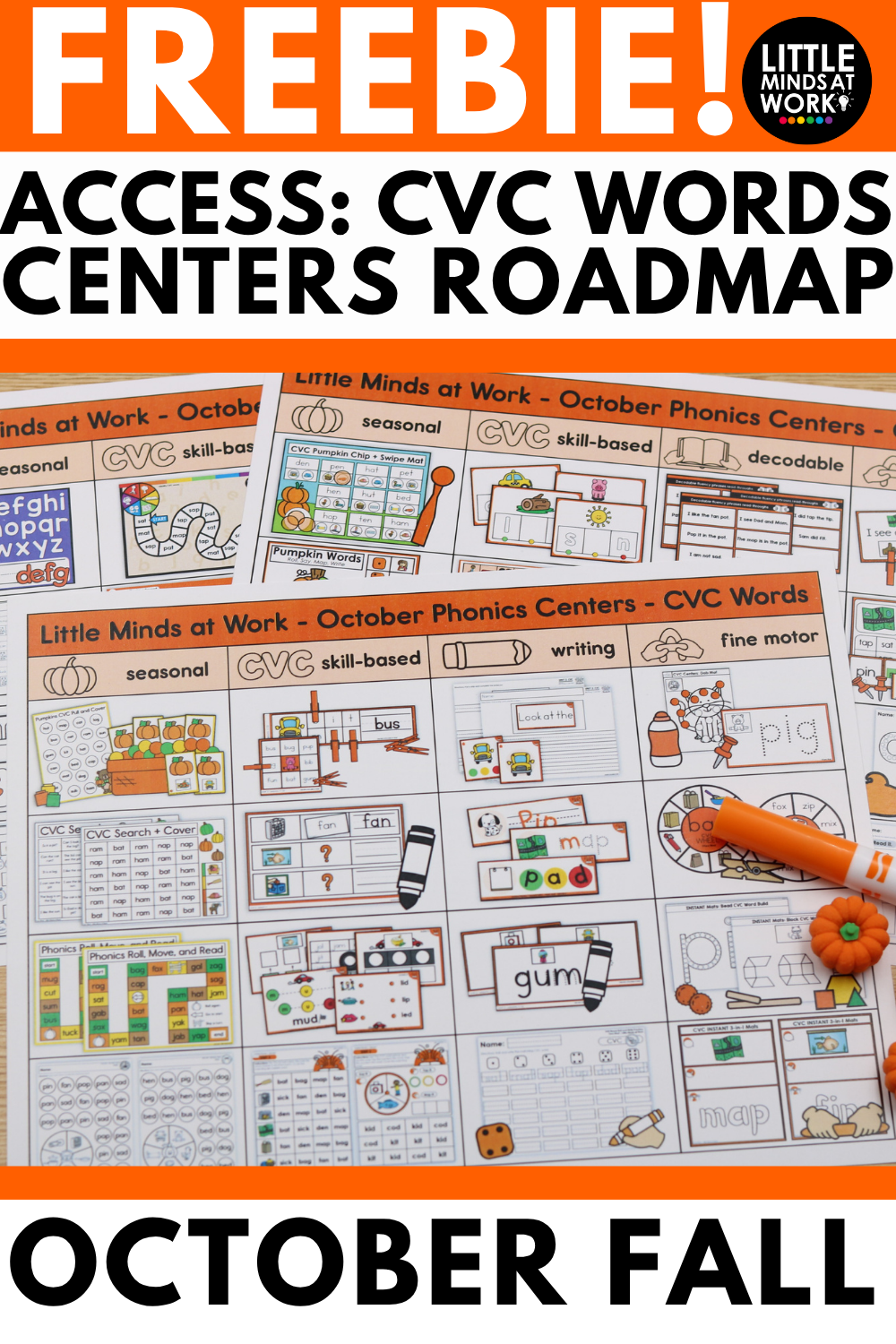
That is exactly why I put together the Fall Phonics CVC Centers Roadmap. Instead of searching through files every week trying to remember what CVC activities you own, the roadmap puts a variety of options in one place. Pages one and two include seasonal centers, skill-based CVC centers, writing and decodable activities, and fine motor choices. Page three is an entire additional page of FREE center options organized into those same categories.
Just like the alphabet roadmap, this is not meant to tell you exactly how your center rotations should look. Think of it as a menu. Maybe you need one seasonal activity, one skill-based activity, one writing or decodable option, and one hands-on fine motor choice. Maybe you would rather fill a basket with three familiar activities and let students choose. You might even use the roadmap simply to remember resources you already own and haven't pulled out in a while. The goal is to make planning your CVC centers easier, not add another system you have to manage.
Seasonal Fall CVC Centers
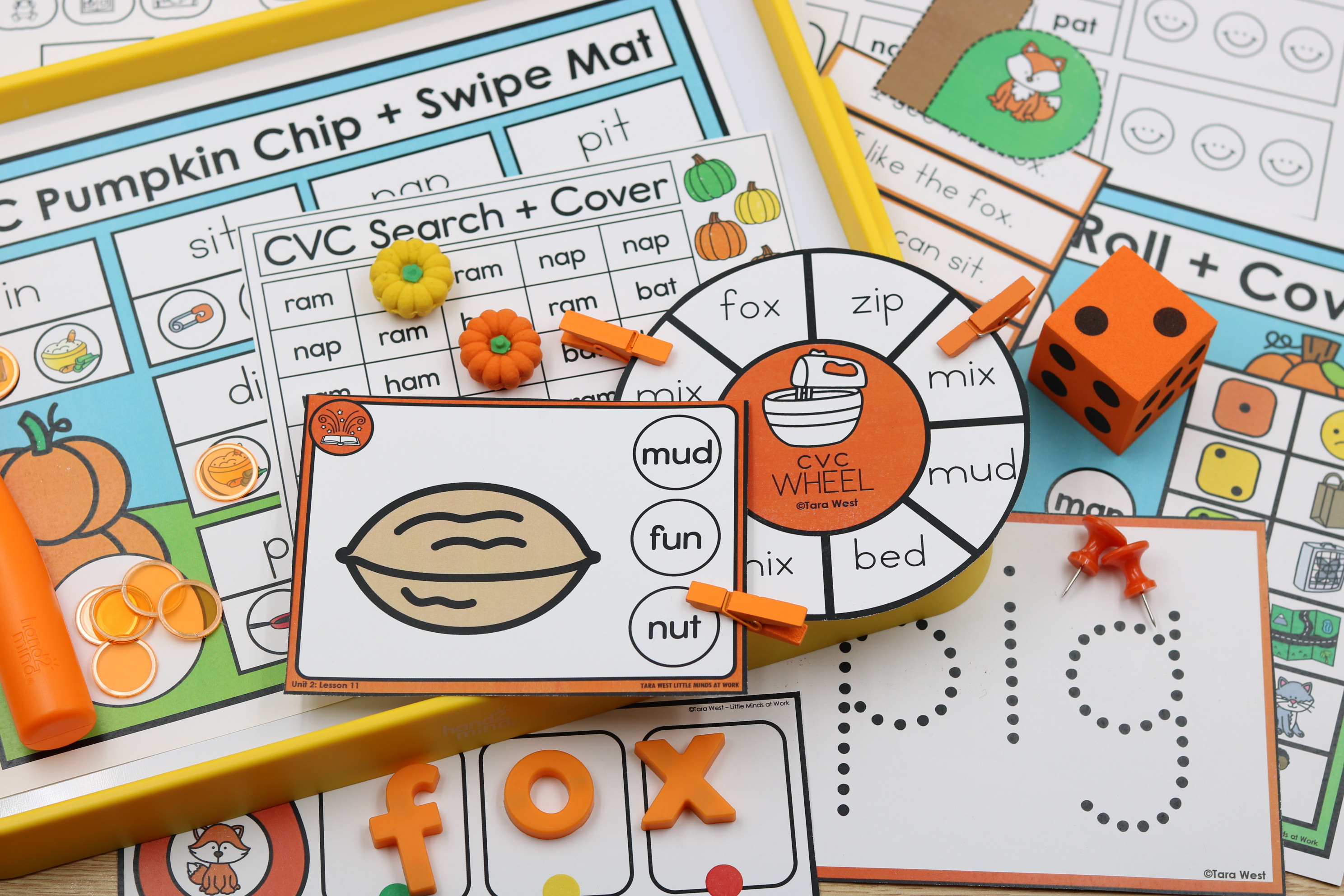
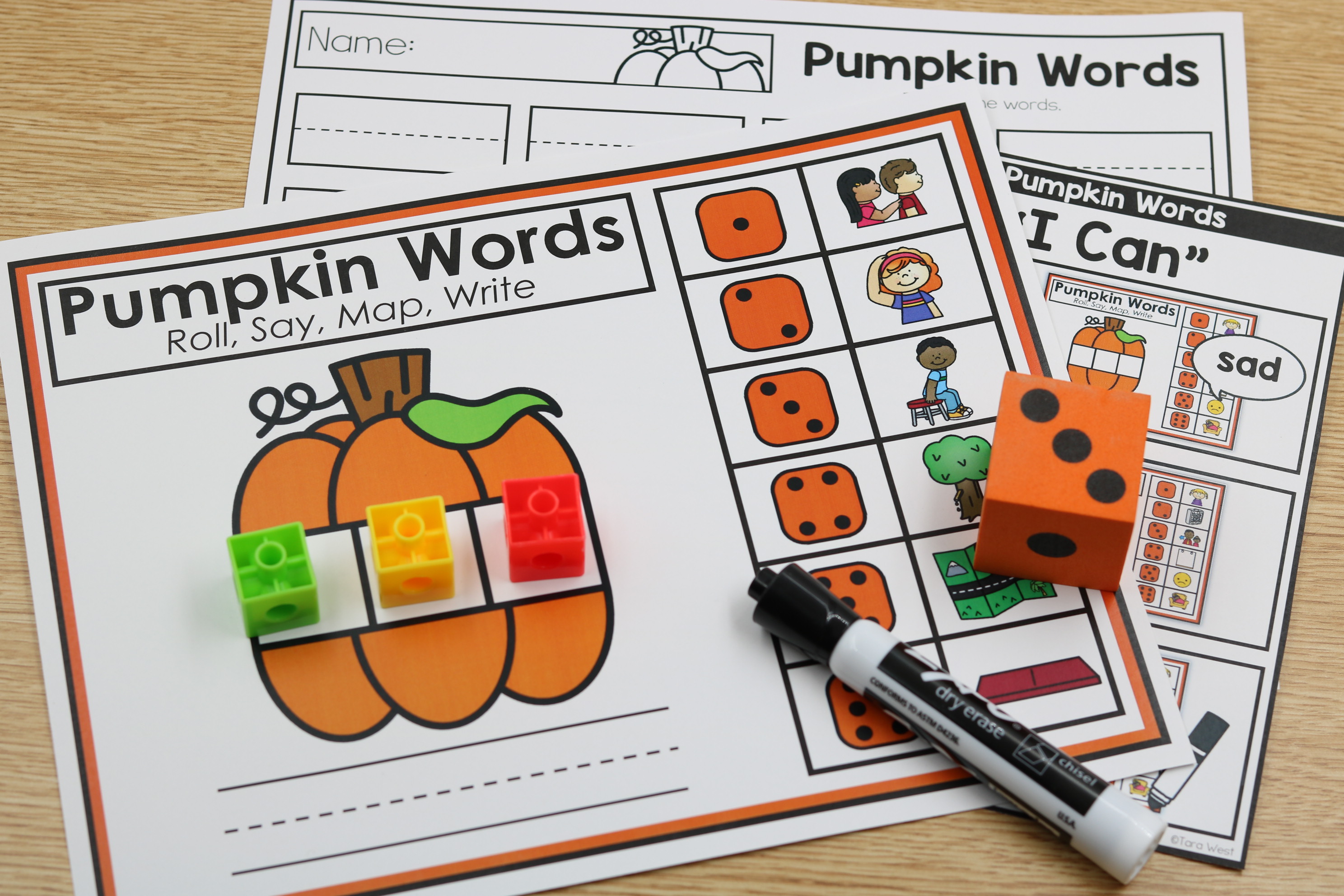
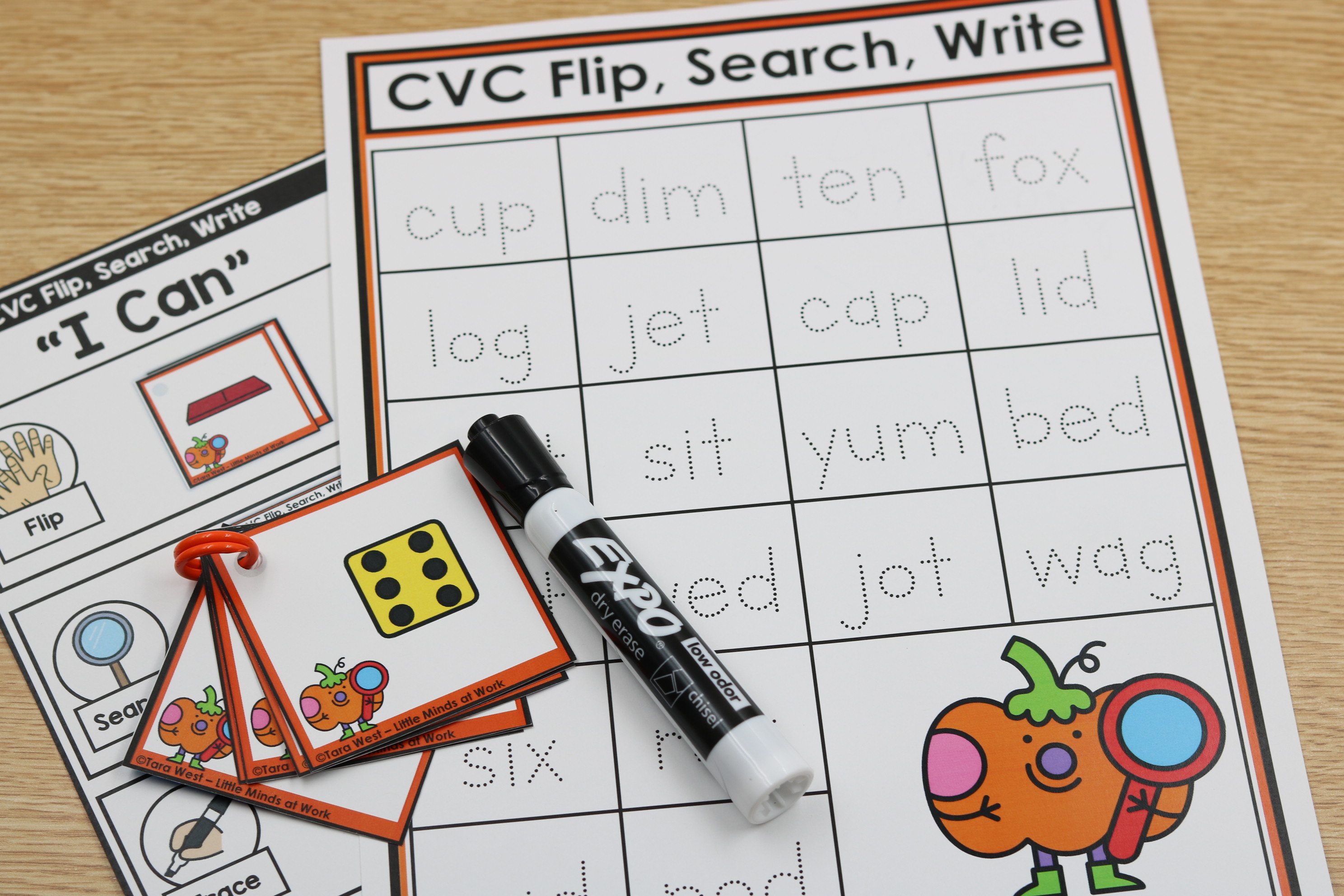
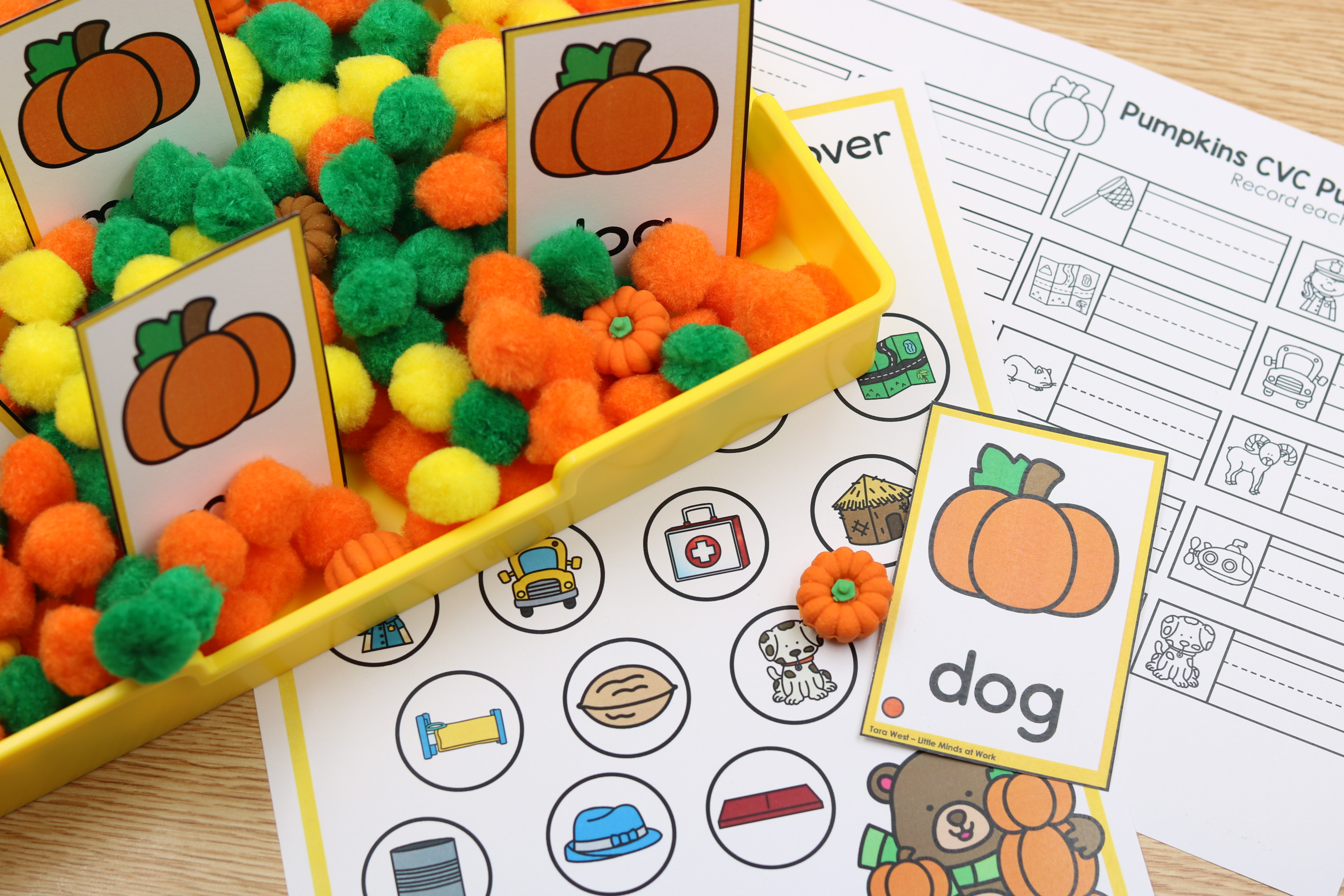
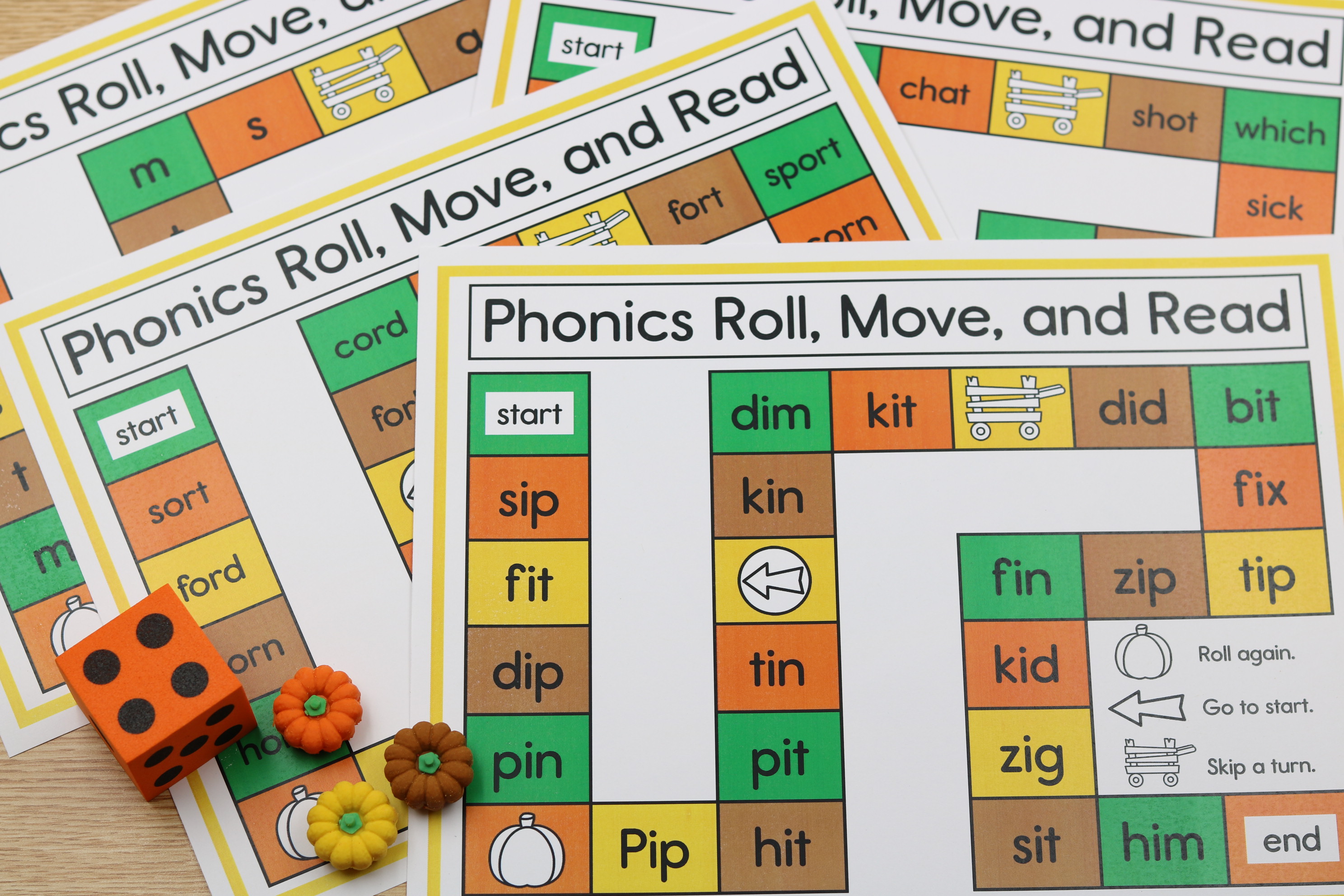
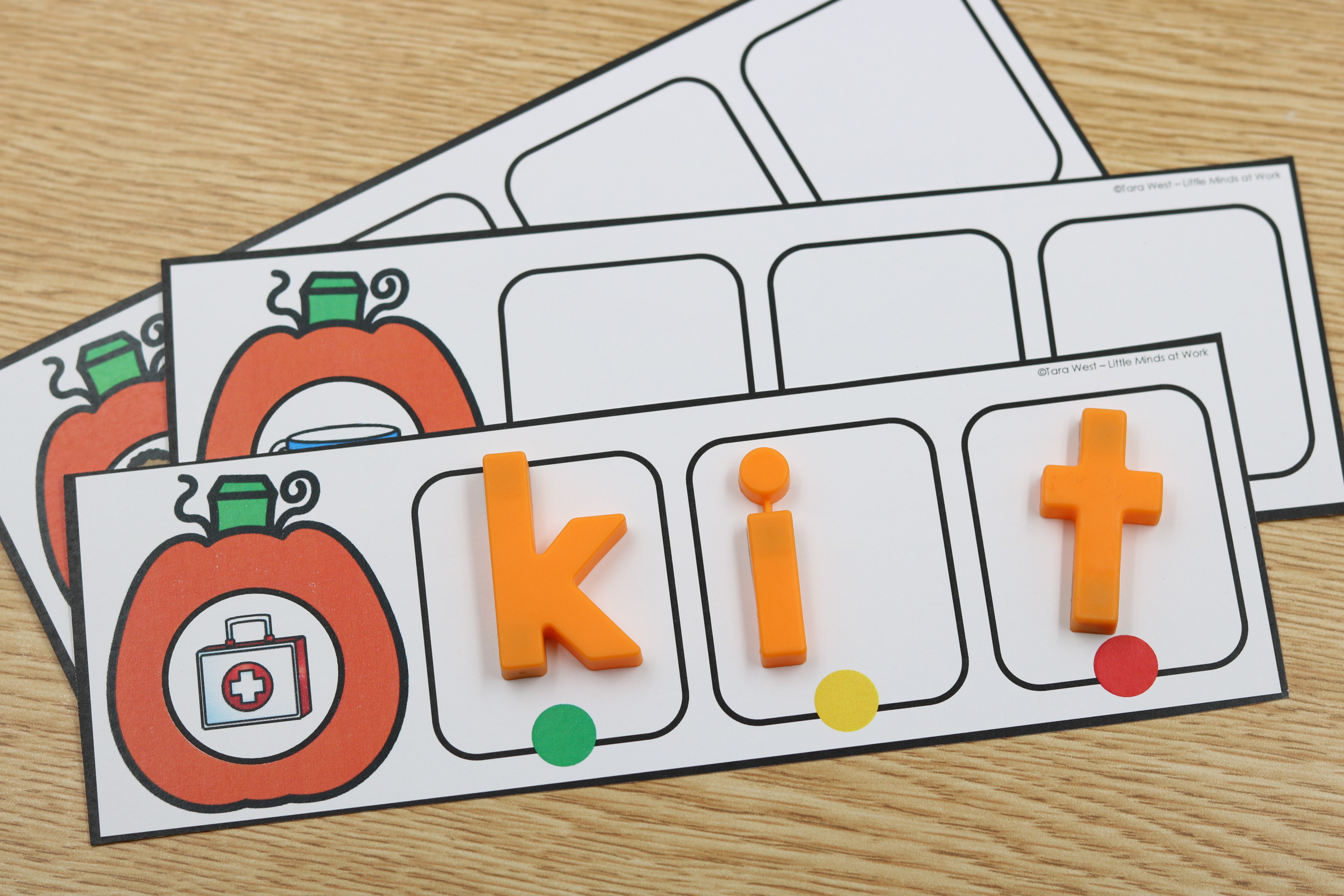
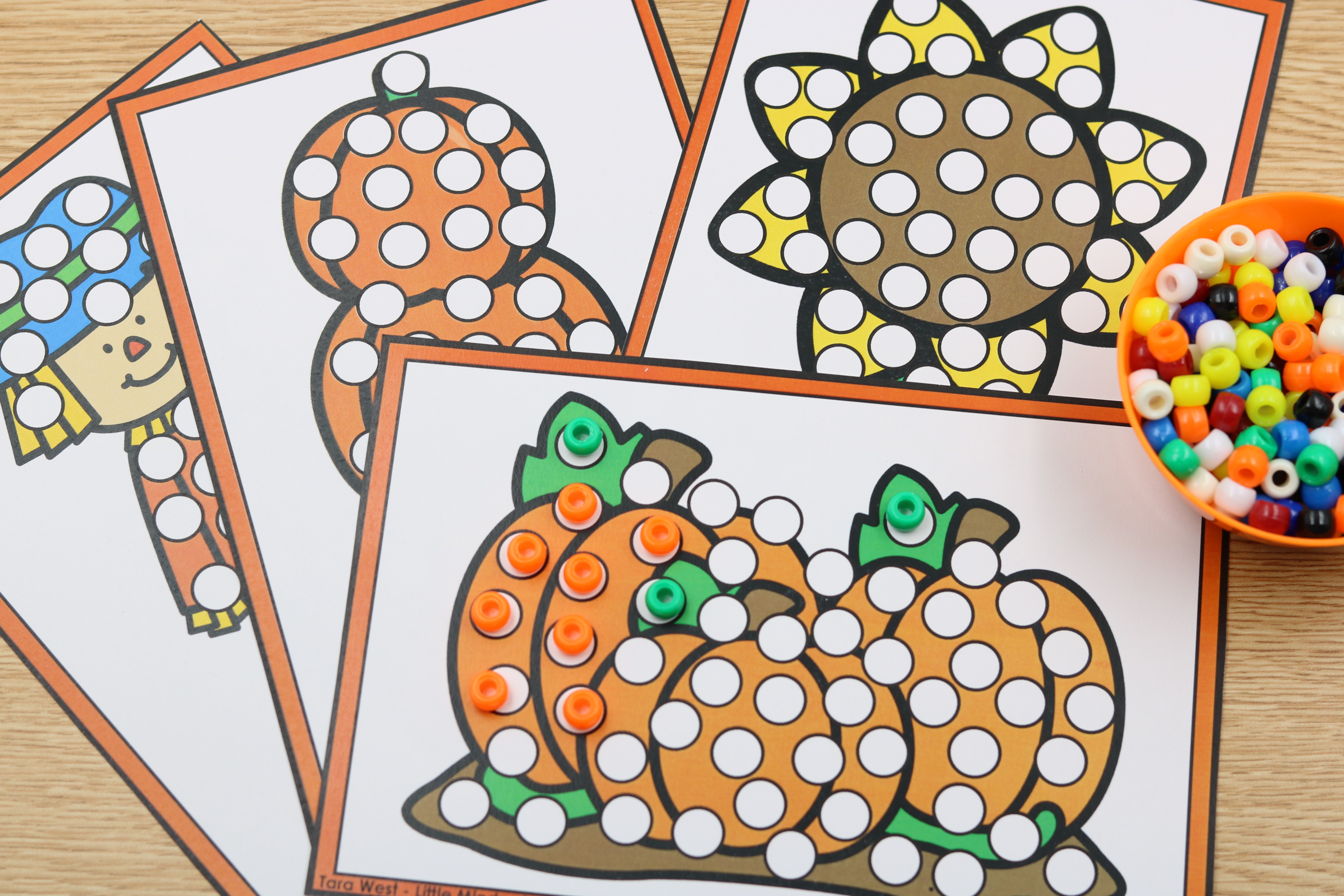
Fall themes are an easy way to make something students are already practicing feel new again. The seasonal column gives you CVC practice wrapped into pumpkins and other fall themes, but the phonics skill remains the focus. Students can roll, move, read, search, cover, spin, color, dab, map, write, and manipulate CVC words through activities that feel different even though they continue practicing the same foundational decoding skills.
This is especially helpful once students know the activity format. You do not necessarily need to introduce an entirely new center just because October has arrived. A familiar search-and-cover or roll-and-read routine can simply receive a fall update. Students get the novelty of pumpkins and seasonal materials without you having to stop small-group instruction every few minutes to explain what they are supposed to do.
I also included several different types of seasonal activities on the roadmap so you can choose what works with your classroom. There are options that require very little prep, activities students can use with manipulatives you already have, and activities that can be placed into a basket alongside other familiar CVC practice.
Skill-Based CVC Centers
The skill-based column is where you will find the workhorses of your CVC centers. These are not tied to October or even fall, which means you can continue using them for as long as students need CVC practice. That makes them especially helpful as your "familiar" center choices. If you introduce something new in another part of the basket, students can still return to one of these activities they already know how to complete independently.
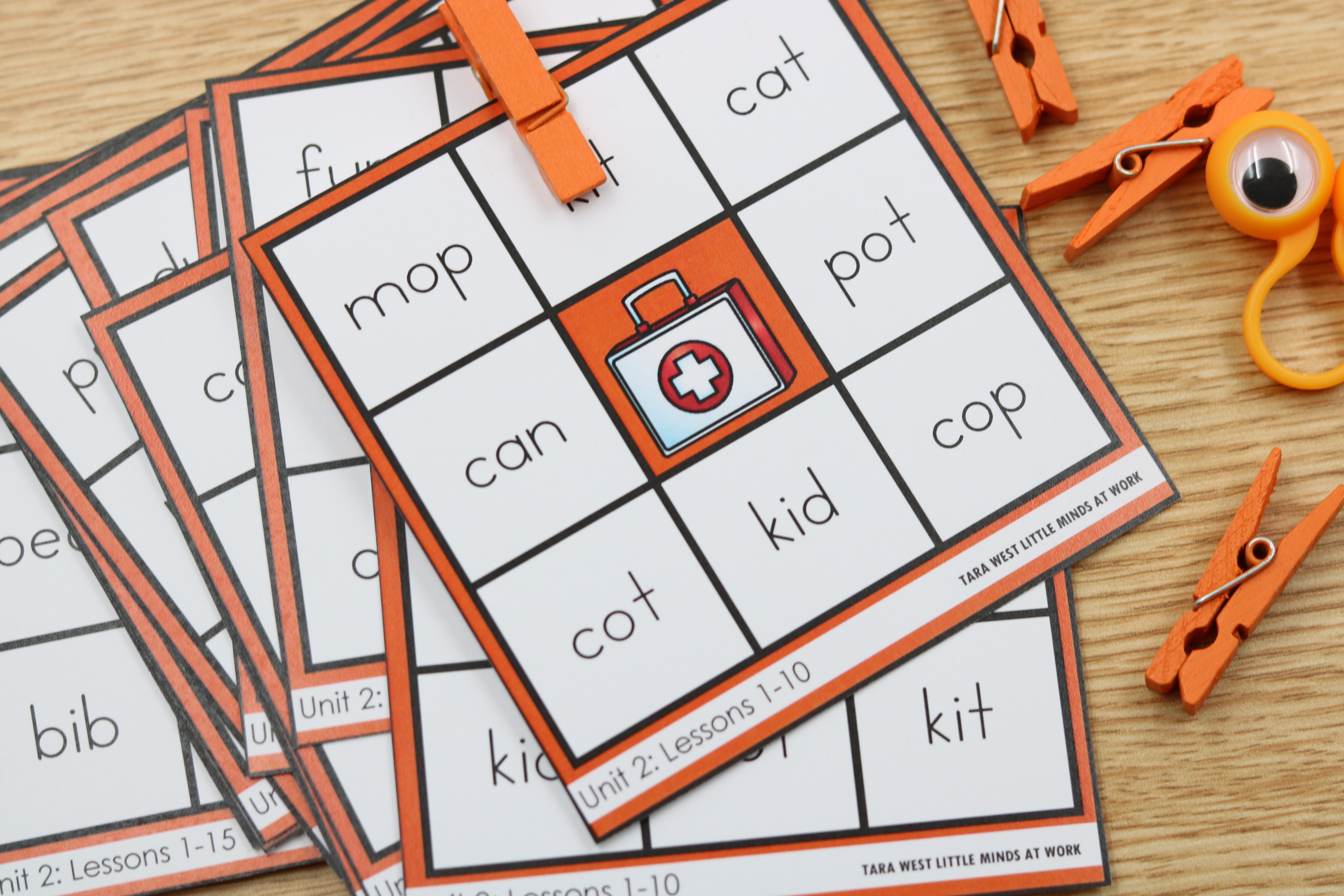
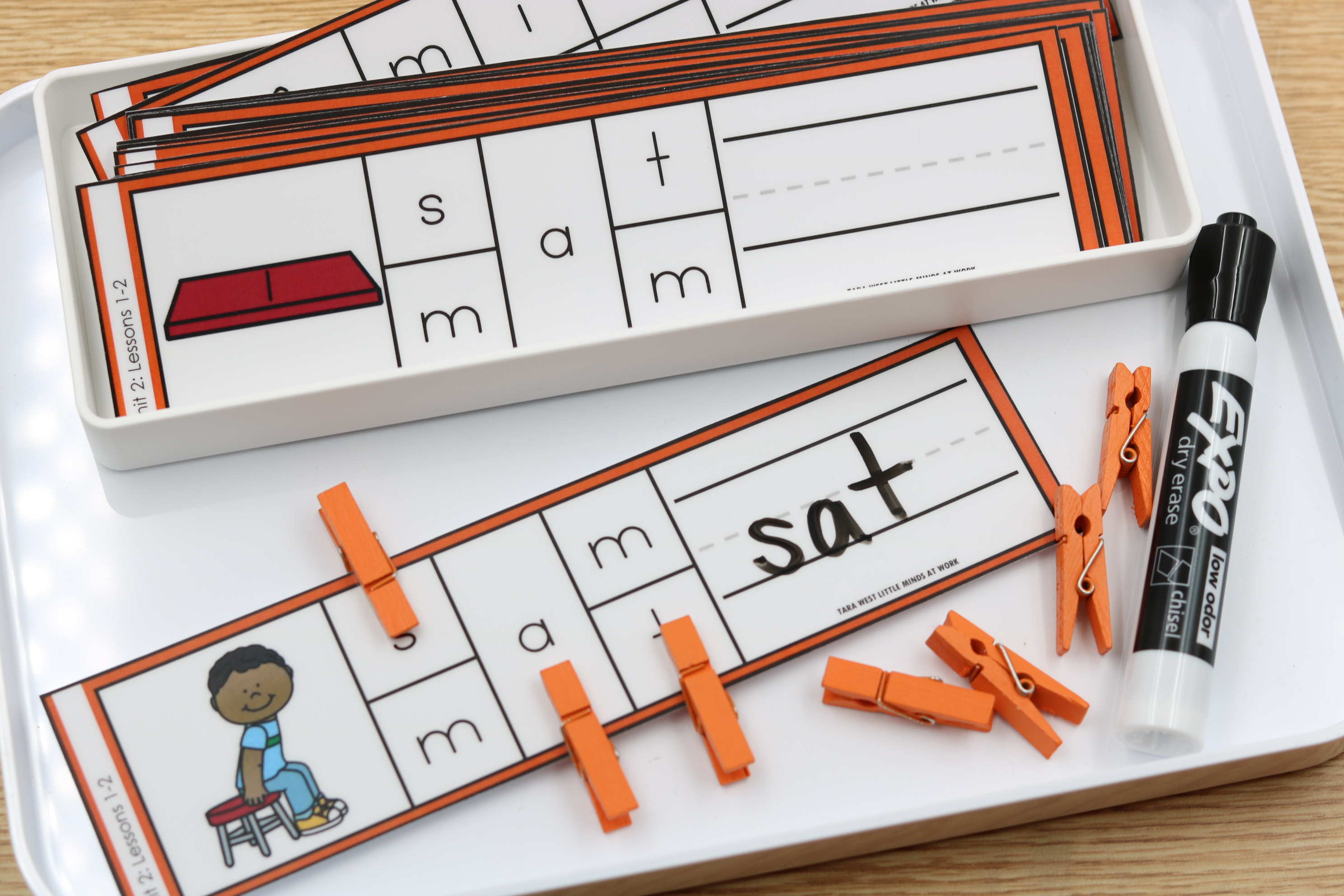
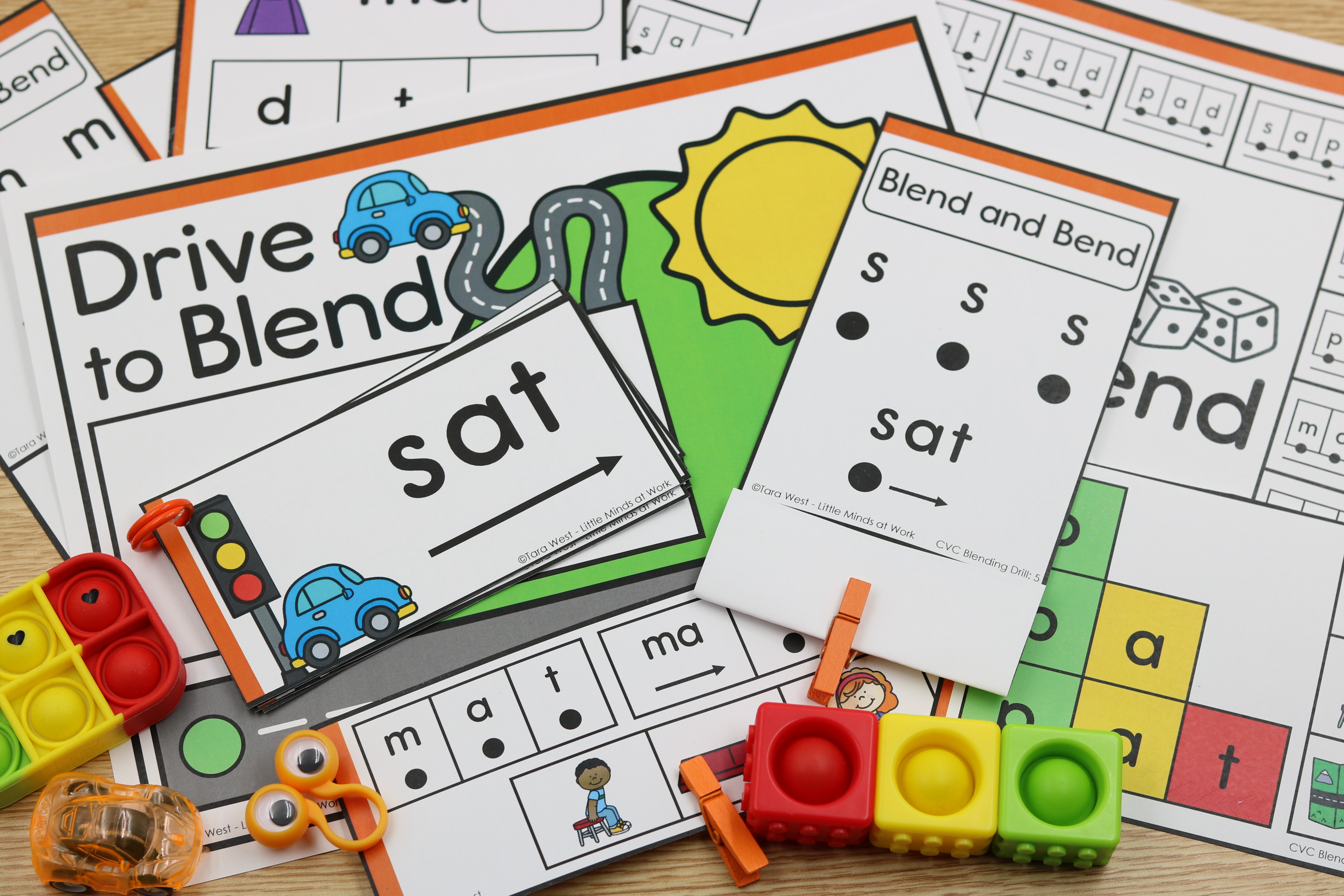
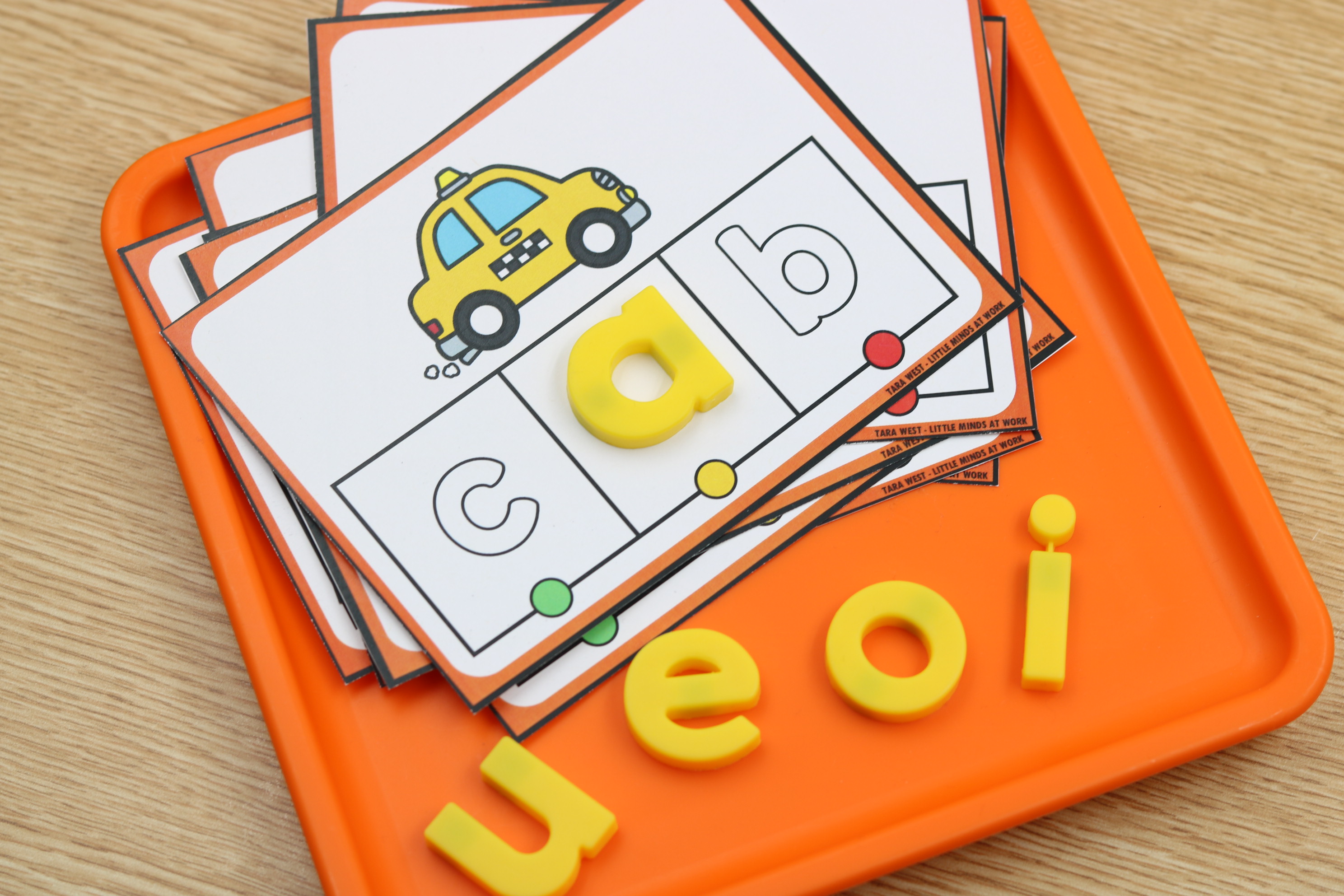
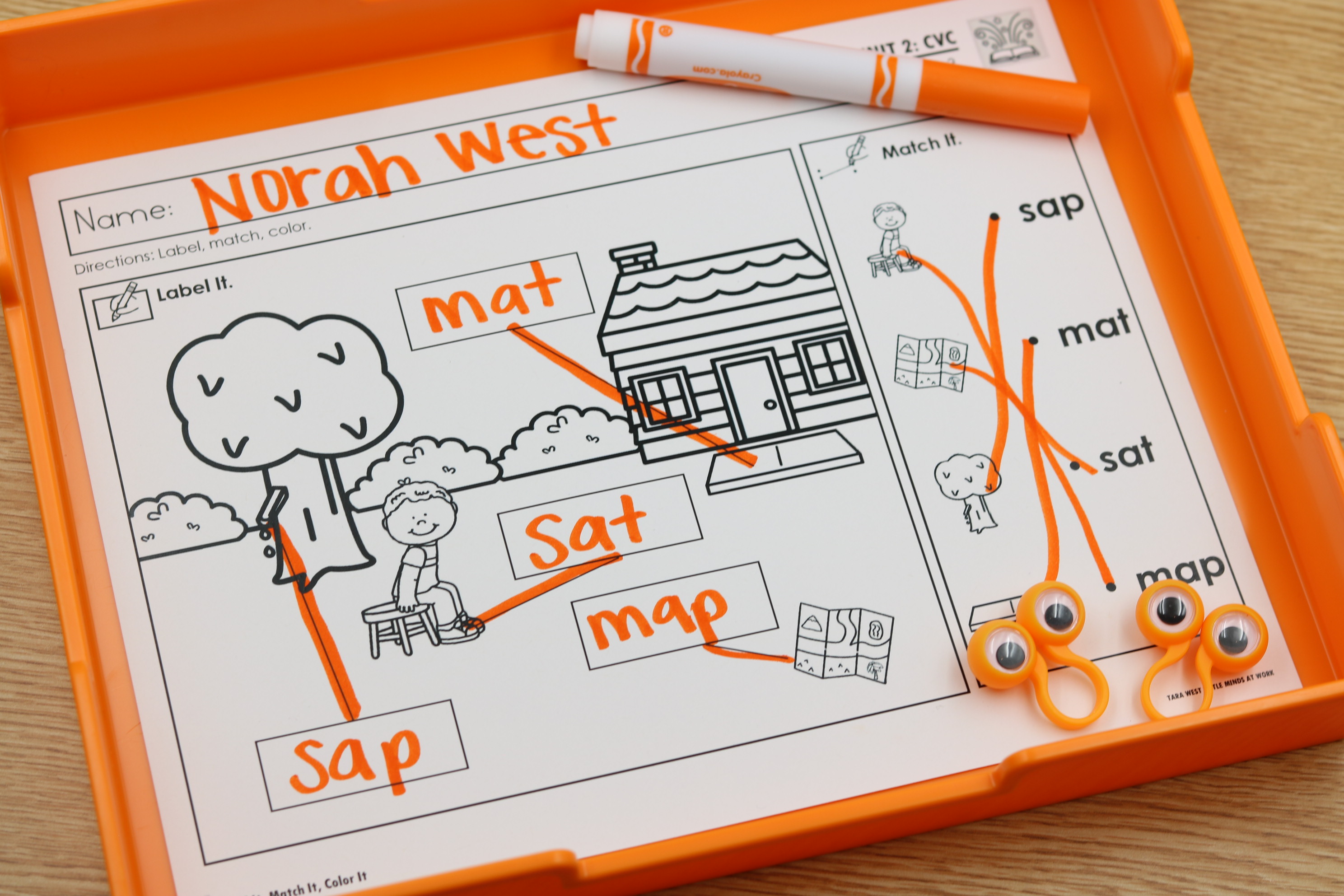
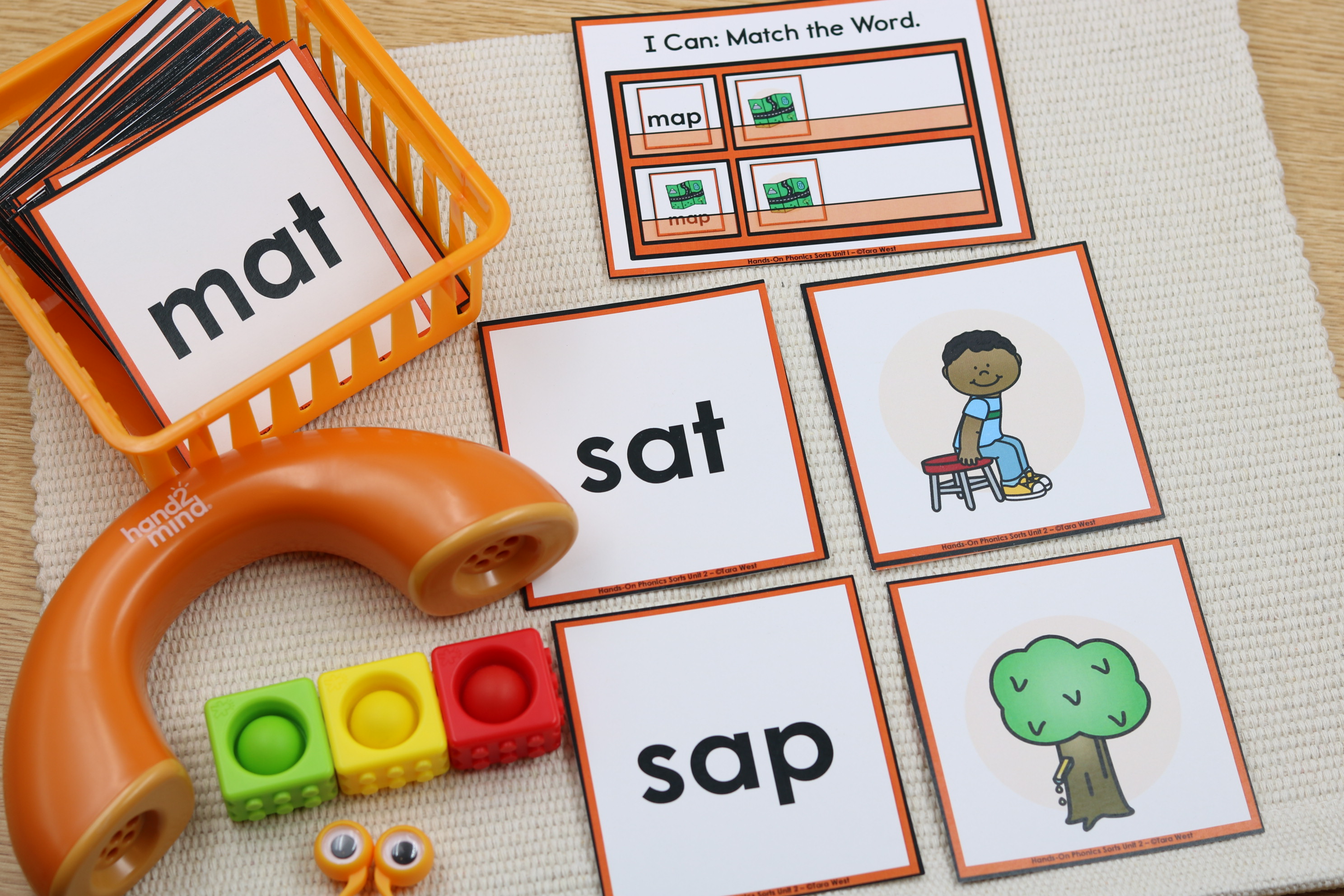
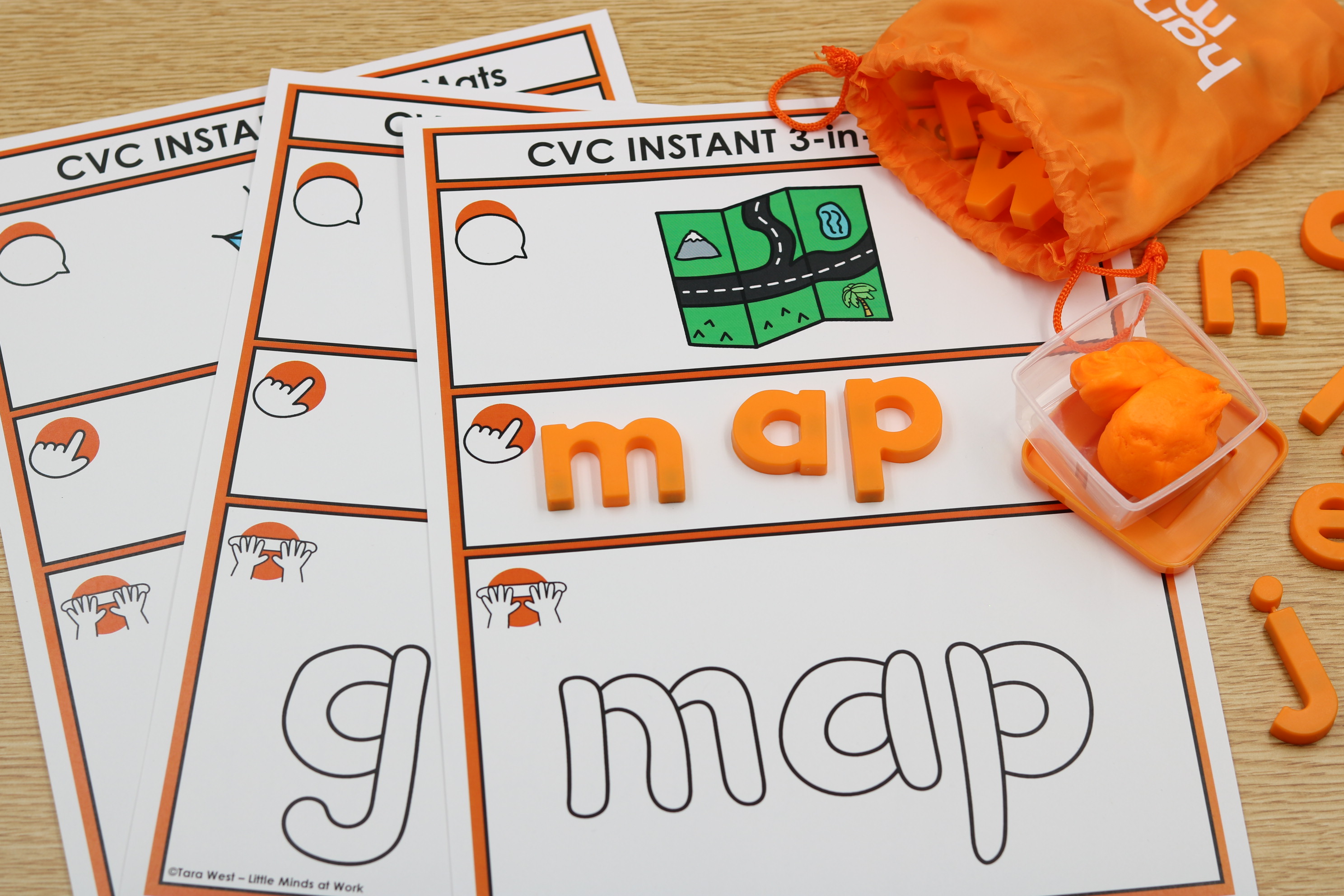
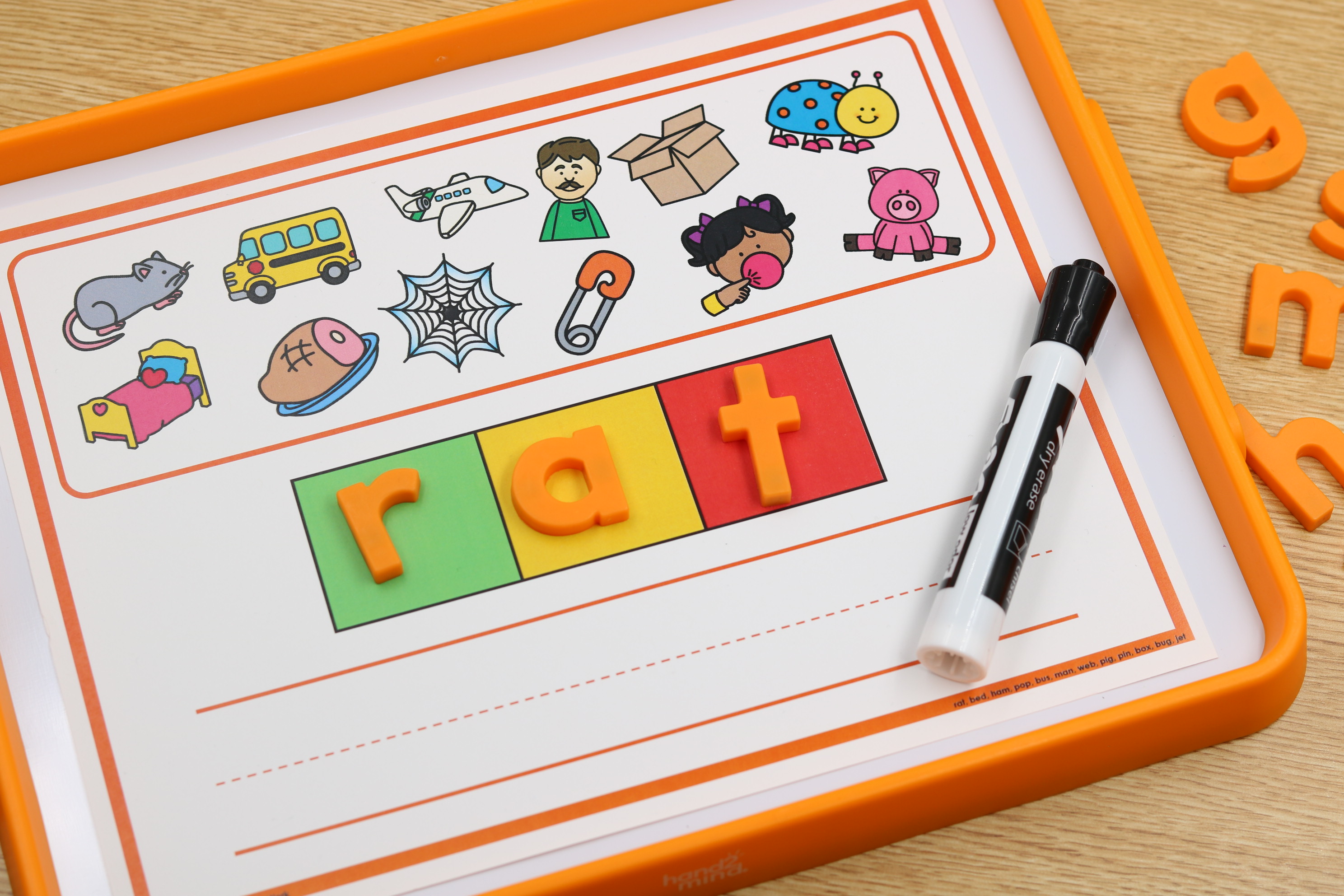
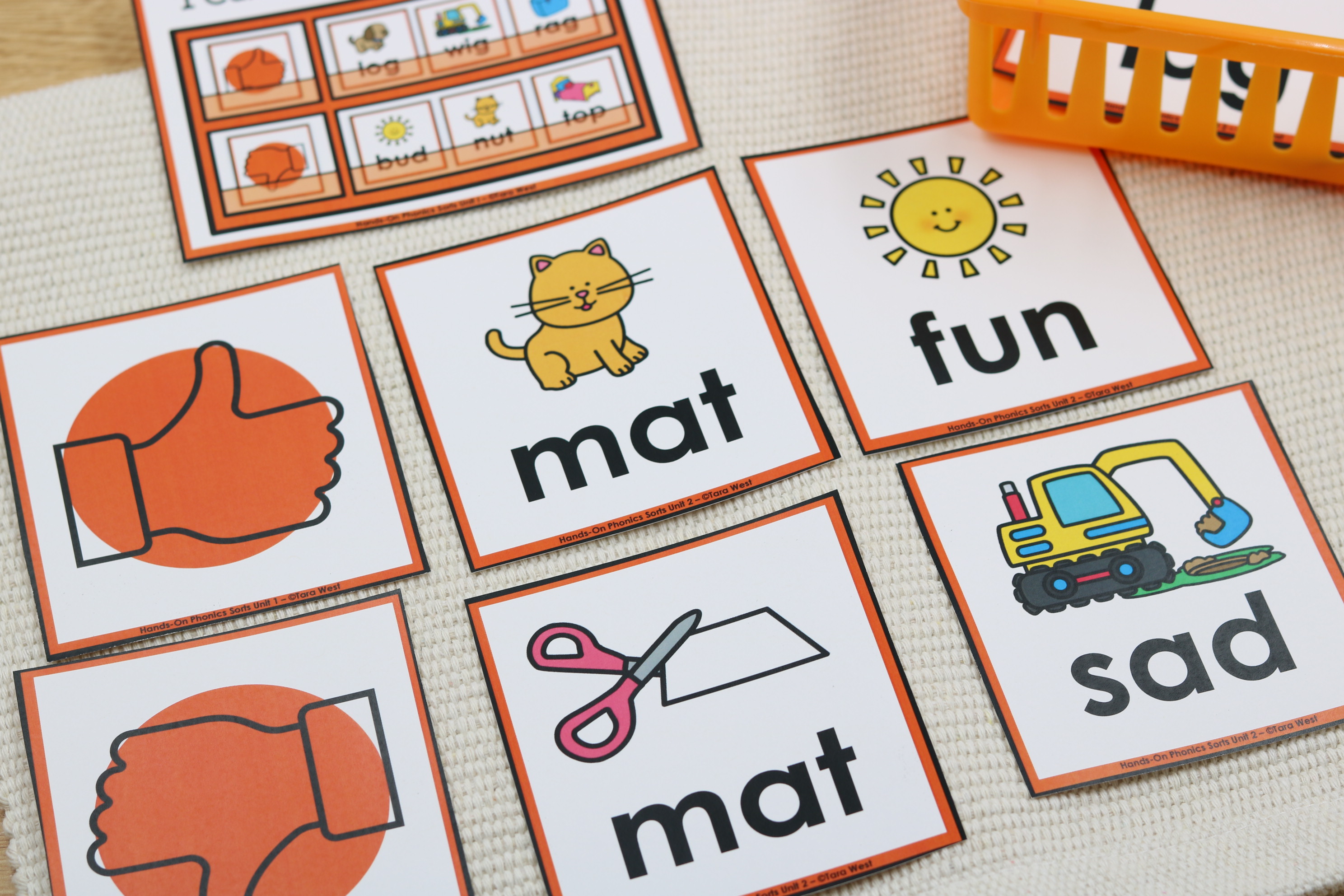
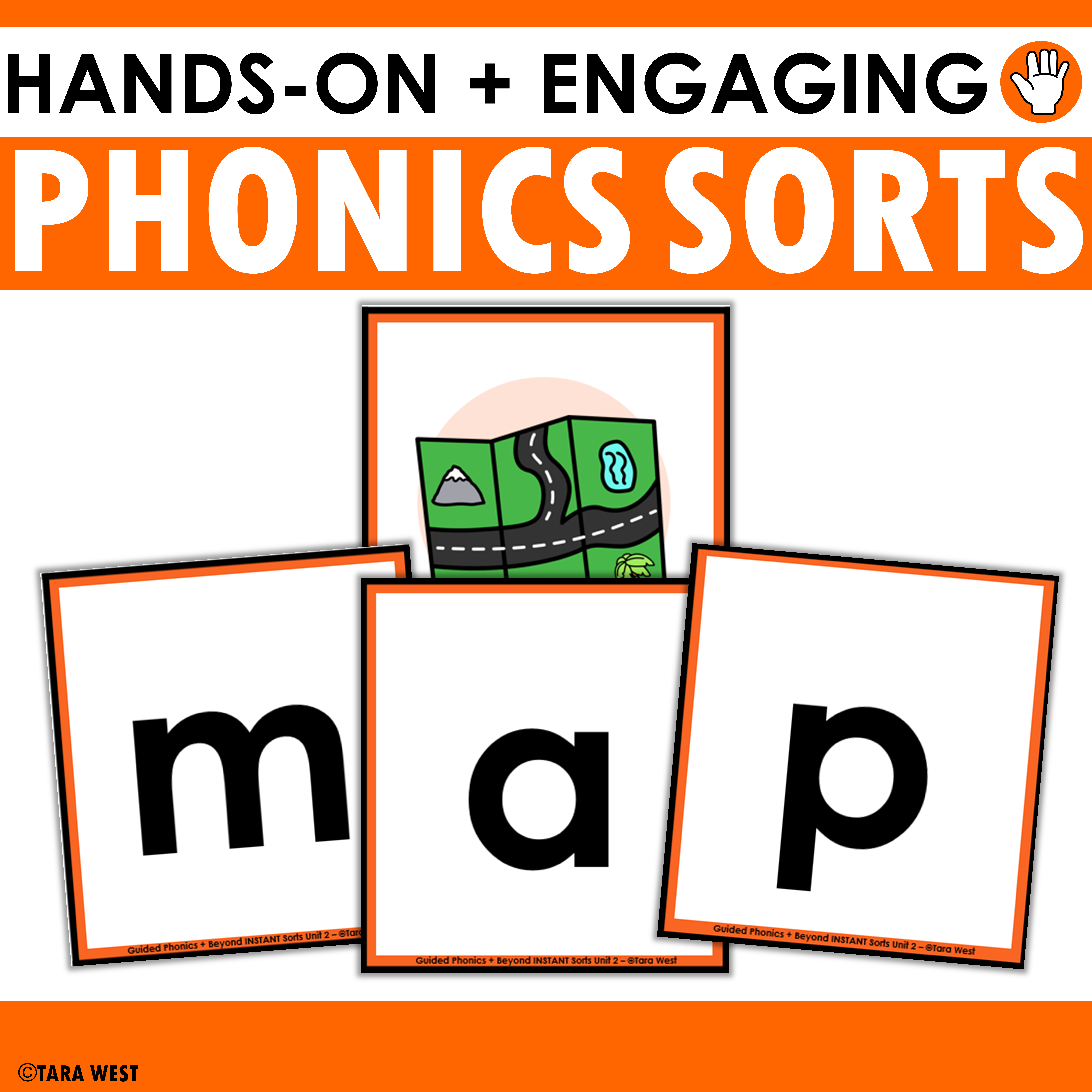
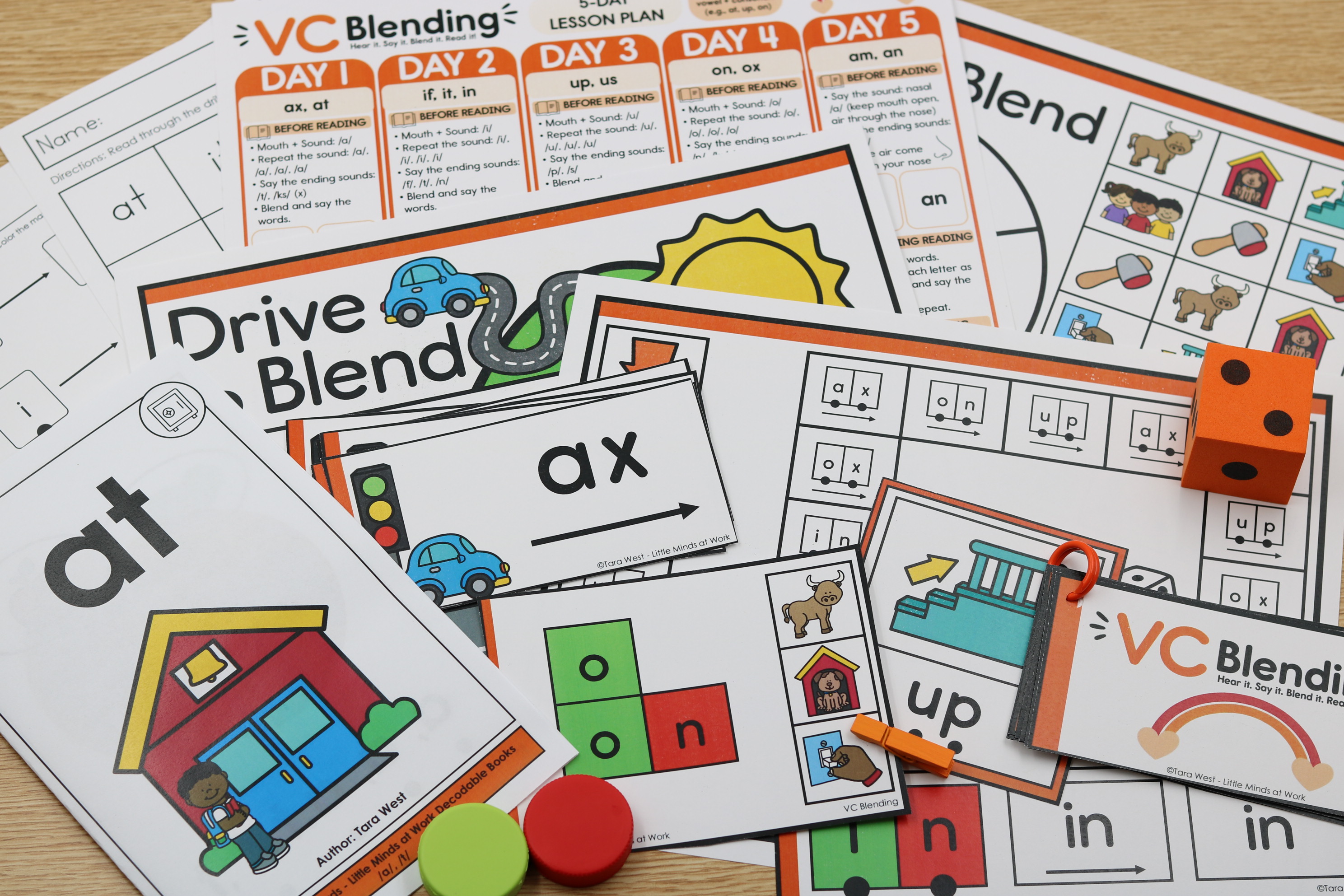
There is also a lot of variety here because CVC practice should involve more than repeatedly reading a list of words. Students can work with phoneme-grapheme mapping, medial vowel sounds, blending, word building, sorting, matching, encoding, and reading. The Guided Phonics + Beyond CVC Centers alone include 20 different center formats, with activities such as Map It, Build It/Write It, Flip and Cover It, 3-in-1 mats, Decode and Match, and Blend and Write.
That variety also makes differentiation much easier. Two students can both be working on CVC words without necessarily completing the exact same task. One student may need more supported mapping and word building while another is ready to blend, read, and write more independently. The target skill remains connected while the actual center task can better match what students need.
CVC Writing Centers
Once students begin blending and reading CVC words, we also want to give them opportunities to move in the other direction: from the sounds they hear to the letters they write. That is why I wanted writing to have its own place on this roadmap rather than treating centers as reading-only practice.
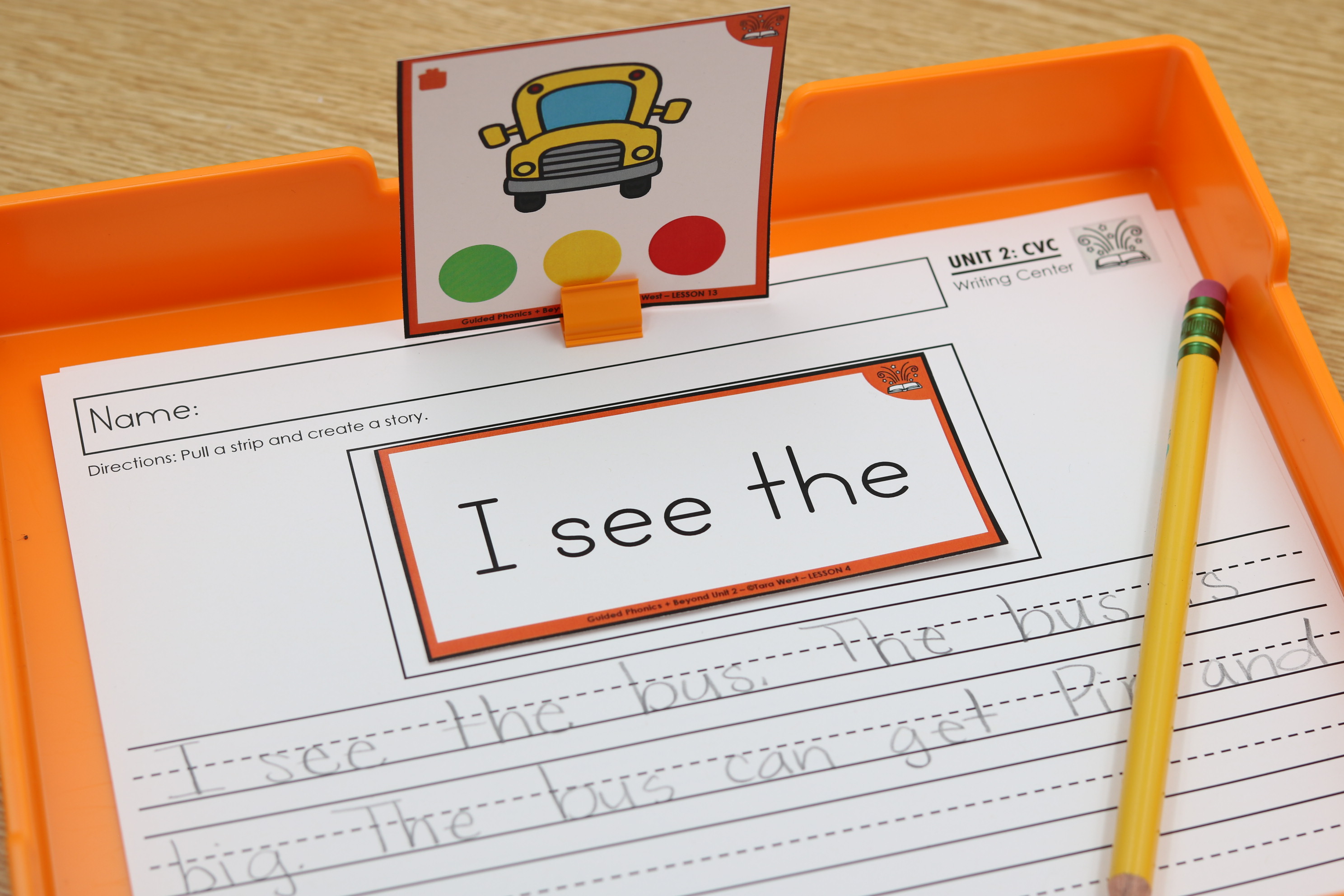
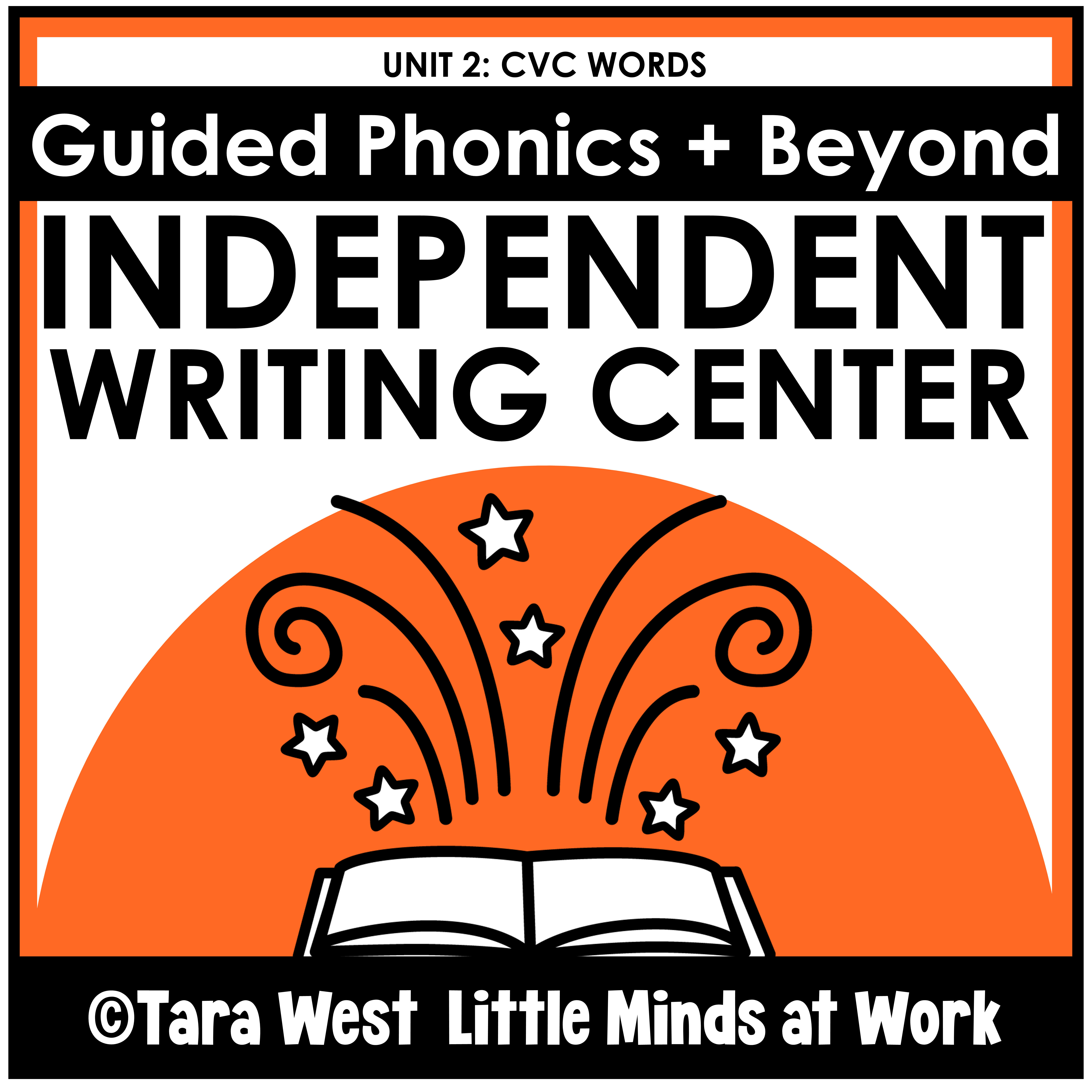
CVC writing centers can be incredibly simple. Students might look at a picture and write the corresponding CVC word, build a word before recording it, map the sounds they hear, or eventually use decodable words within simple sentences. The CVC writing center featured on the roadmap includes 10 phonics-based independent writing tasks and 100 picture cards in four versions, giving students repeated opportunities to read, build, write, and work with CVC words in different ways.
I especially like this category for students who are becoming stronger decoders but still need practice encoding independently. Reading and spelling are closely connected, and centers give us another place during the day to let students work with that connection.
Decodable CVC Centers
On page two of the roadmap, that writing column transitions into decodable center options. Here, students begin taking the CVC skills they have practiced at the word level and applying them to connected text.
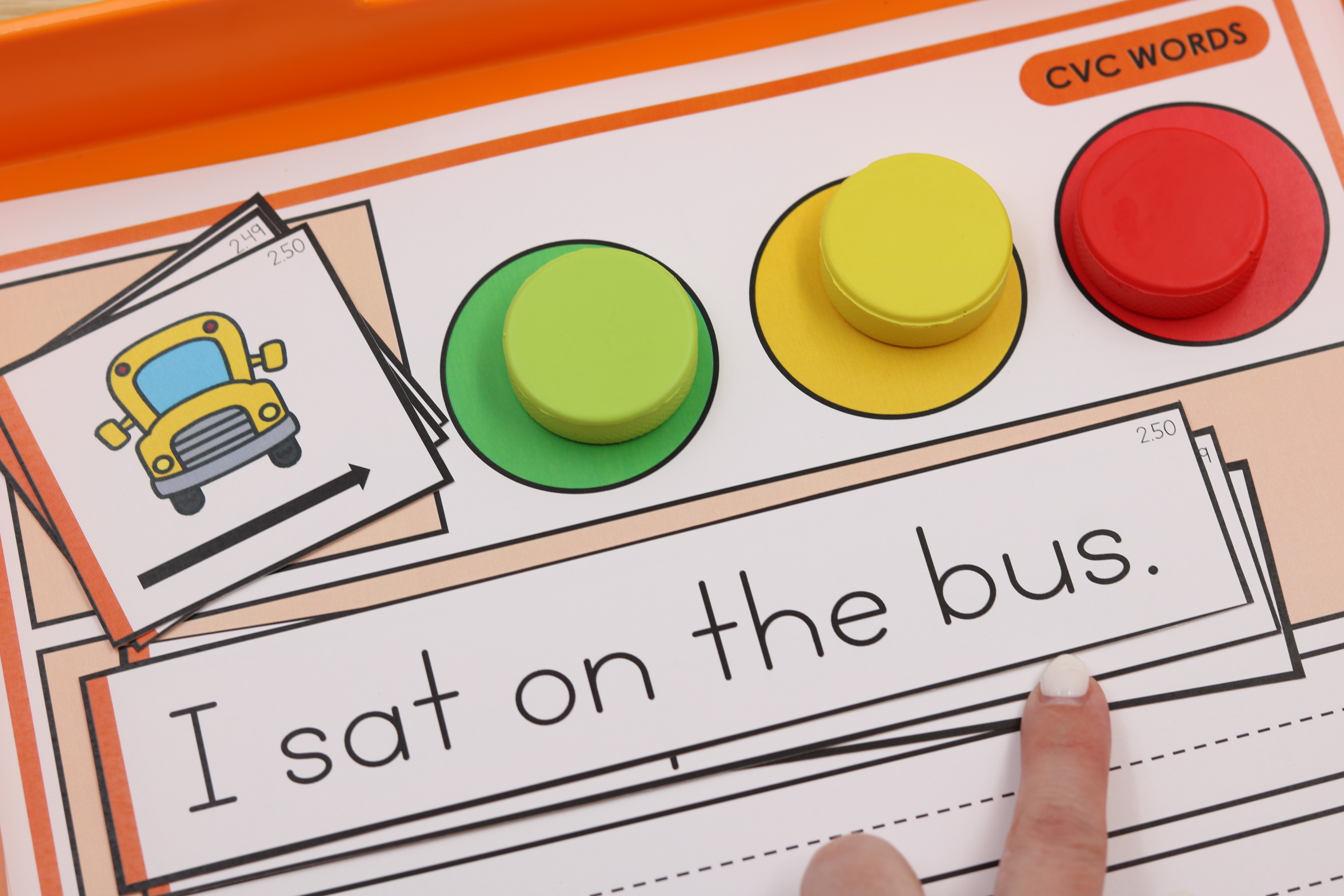
This does not mean independent center time should suddenly become difficult reading time. I want students working with text that matches the phonics skills they have already been taught. That might mean reading short decodable phrases, building a decodable sentence, matching words or sentences to pictures, rereading a familiar mini book, or completing a simple response connected to decodable text.
This is also a great place to use something that has already been introduced during small group. Students can first read the material with teacher support and then encounter that same familiar text or activity later in their center basket. Instead of asking students to teach themselves something new independently, centers become another opportunity to apply and strengthen what you have already taught.
Fine Motor CVC Centers
Fine motor activities do not have to disappear just because students have moved beyond alphabet practice. We can increase the phonics demand while keeping all of that hands-on building, tracing, manipulating, and creating that makes these activities so engaging.
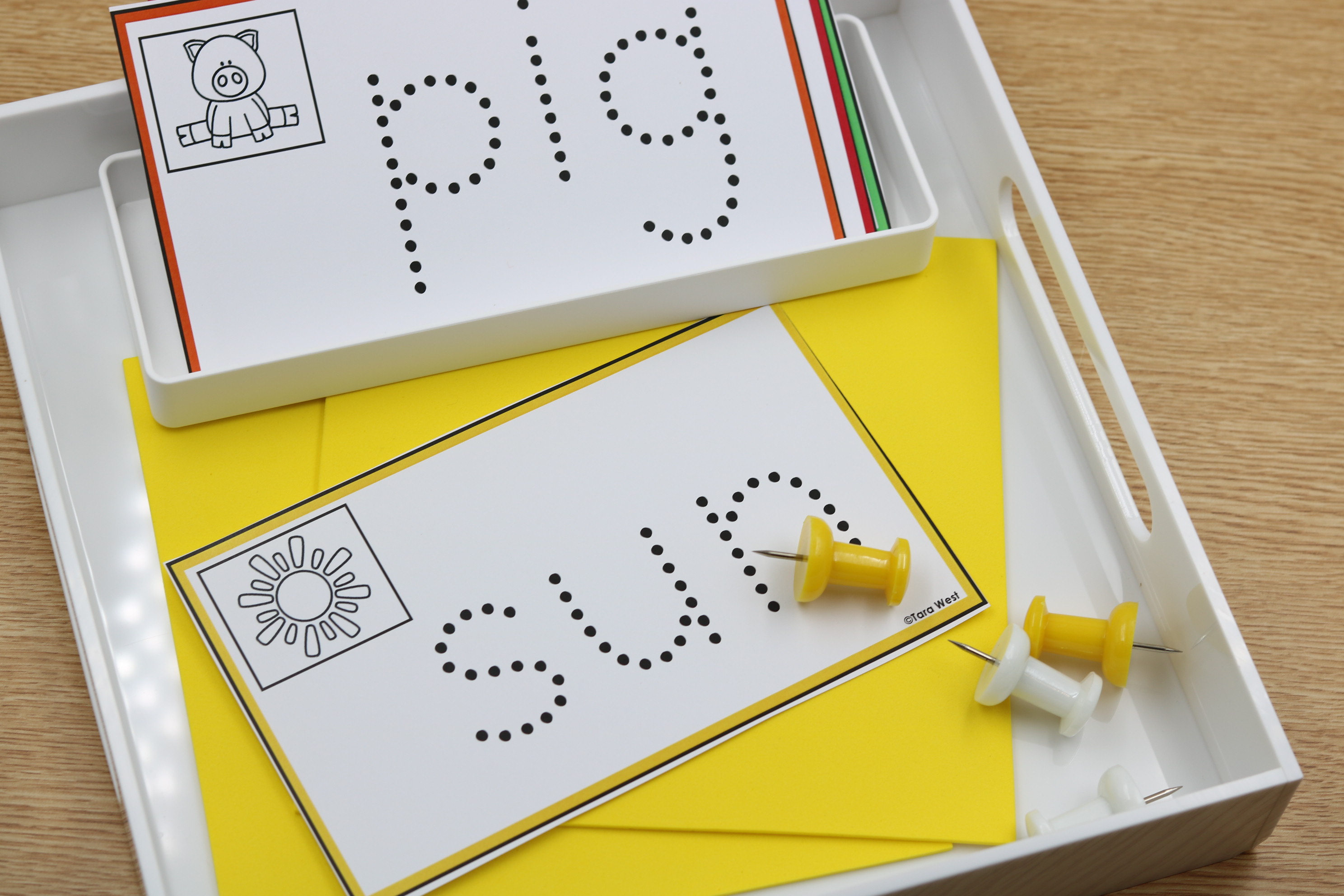
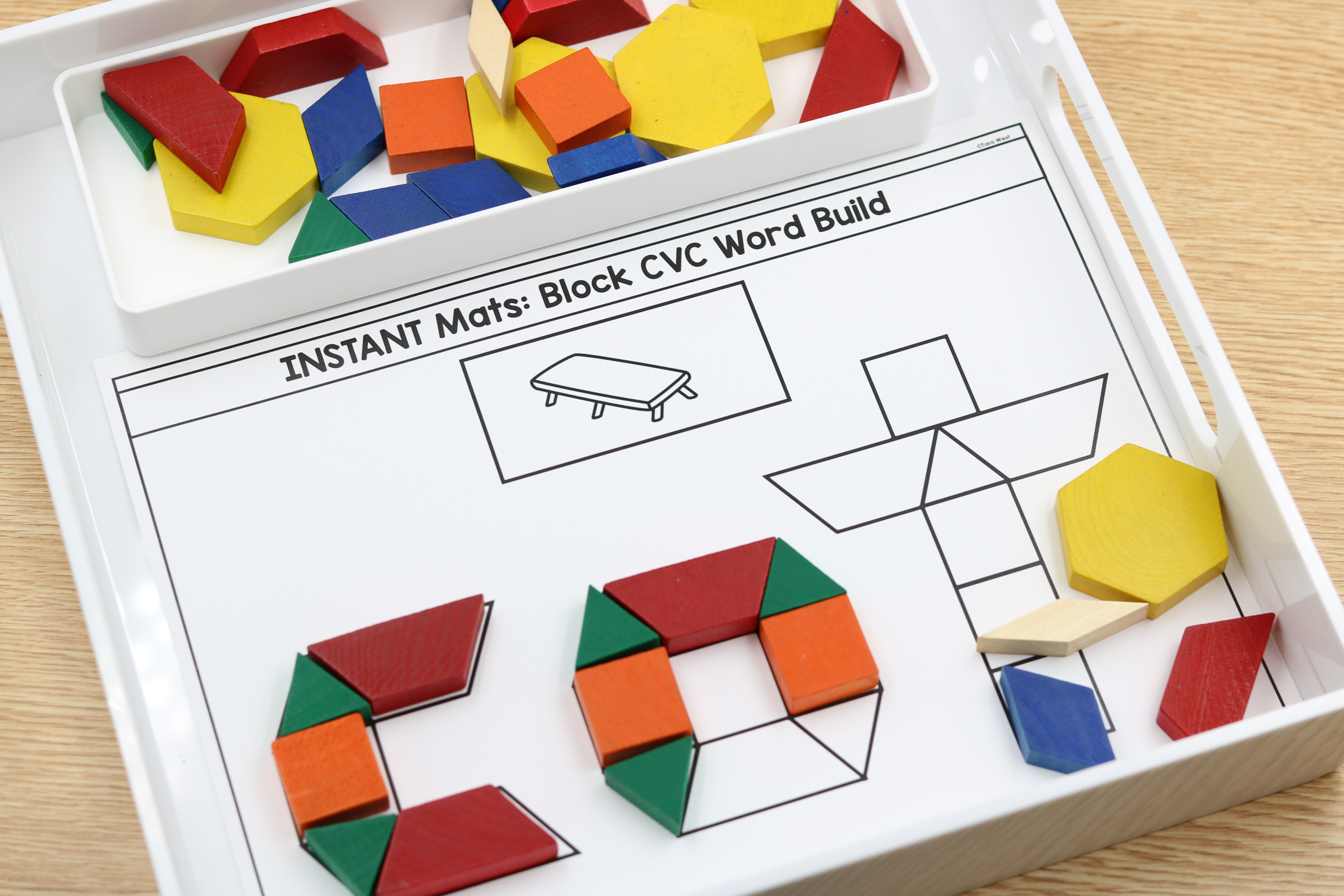
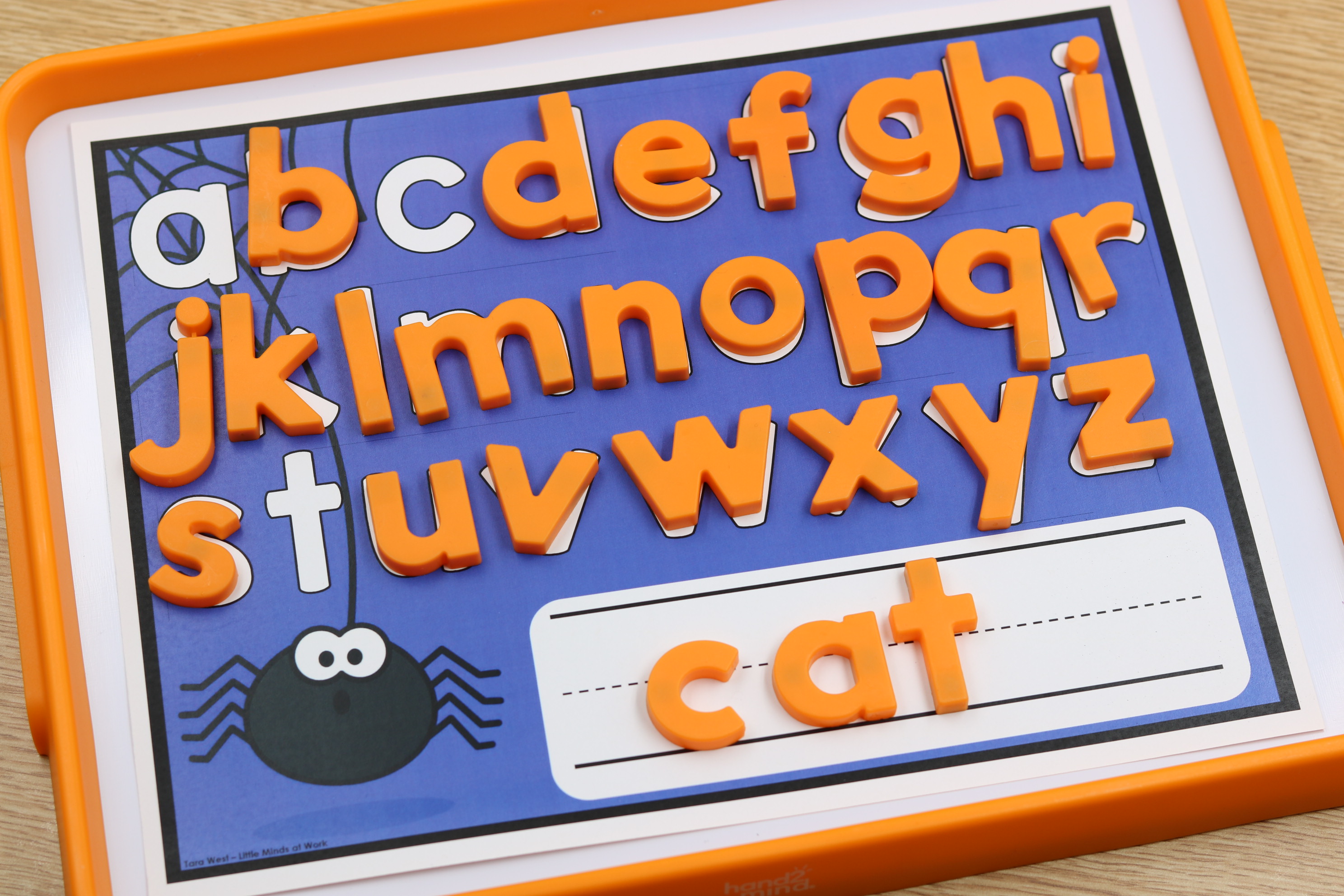
The fine motor column includes CVC activities students can complete with dough, pattern blocks, magnetic letters, craft sticks, bingo chips, dabbers, and other classroom manipulatives. The CVC Fine Motor Mats featured in the roadmap, for example, cover 80 CVC words through 10 different fine motor mat sets, including pattern blocks, pom-poms, dough, craft sticks, letter cards, pony beads, and tracing activities.
These can be especially useful as one of the highly independent choices in a center basket. The directions are often visually obvious once students know the routine, the materials are engaging, and students get meaningful CVC practice while also working those little hand muscles.
And Then I Added an Entire Page of FREE CVC Centers!
Now for page three of the roadmap because I did not want all of your options to be paid resources.
The entire third page is made up of free downloads. I kept the same general categories so you can easily mix these activities with the resources on pages one and two. There are seasonal fall and October activities, skill-based CVC practice, decodable options, and fine motor centers.
The free seasonal choices give you an easy way to bring pumpkins, candy corn, fall themes, and October fun into your centers without changing the skill students are practicing. These are perfect for swapping into an existing basket when you want something to feel fresh without starting your entire center system over.
The free skill-based activities give you options that can stay in your centers well beyond fall. The clickable roadmap links to free CVC task cards, magnetic letter activities, game tray mats, search-and-cover practice, roll-and-read fluency work, rhyming sorts, and other activities you can use to reinforce CVC skills.
There are free CVC books and printables on this page too, so you can bring connected decodable practice into your center block without needing another paid resource. Again, I would introduce the activity first and make sure students are successful with the skill before expecting them to complete it independently.
And, of course, I couldn't make a center roadmap without more hands-on options. The free fine motor choices include fall-themed activities that let students build, manipulate, and practice while still keeping CVC words at the center of the learning.
You Don't Need to Use Everything on This Roadmap
Please do not look at three pages of center activities and think I am telling you that your students need to complete all of these. 😆 The exact opposite!
The roadmap is there so that when you think, "I need something new for my CVC center," you have somewhere to look. Pick what makes sense for your students. Keep activities they already know in rotation. Add one or two new choices when you need them. Pull in a seasonal activity when you want a little novelty. Use the free page when you need something you can grab right away. Most importantly, keep the routines simple enough that students can actually work independently while you are doing the work you need to do with your small group.
And remember, every image inside the roadmap is ✨clickable✨. If you see an activity you want to use, simply click the image to go directly to that resource or free download. No hunting around trying to figure out what something is or where to find it.
👉 Download your FREE Fall CVC Centers Roadmap and you can start putting your fall centers together tomorrow.
Do You Already Have These Fall CVC Resources?
You may already have some of the resources featured throughout this roadmap tucked away in your files. If you are looking for even more activities to fill your center baskets, I gathered the featured Fall CVC Centers resources below so they are easy to find in one place.
Take a look through what you already have or find a few new options to add to your center rotation. These activities give students multiple ways to practice CVC words through seasonal, skill-based, writing, decodable, and fine motor centers while keeping familiar routines in place. Click each image below to view the resource.
Ready for Your Fall CVC Centers?
If your students have moved from alphabet and letter-sound work into CVC words, you do not have to rebuild your centers from scratch. Keep the routines that are working, increase the phonics skill, and give students meaningful ways to practice blending, decoding, encoding, writing, and reading CVC words independently.
And if reading this made you think, "Wait, we are definitely NOT ready for CVC words yet," head back to my Back to School Alphabet Centers Made Simple post. That post includes the Alphabet Centers Roadmap and lots of ideas for getting those beginning center routines established while students continue working on letters and sounds.
Otherwise, grab the Fall Phonics CVC Centers Roadmap, click through the activities that fit your students, and start building your fall center baskets!