What if students could learn 60 high-frequency words without having to memorize 60 words? High-frequency word instruction doesn't have to mean introducing endless lists of words and asking students to recognize them by sight. Instead, students can use their growing phonics knowledge to decode the majority of these words! When high-frequency words are intentionally aligned with a systematic phonics scope and sequence, students build the skills needed to read words independently rather than relying on visual memorization. Throughout this post, I'm sharing my approach to high-frequency word instruction, practical teaching strategies, and several free downloads, including my NEW + FREE Decodable High-Frequency Words Digital Slides!
Why Traditional High-Frequency Word Lists Need a Second Look
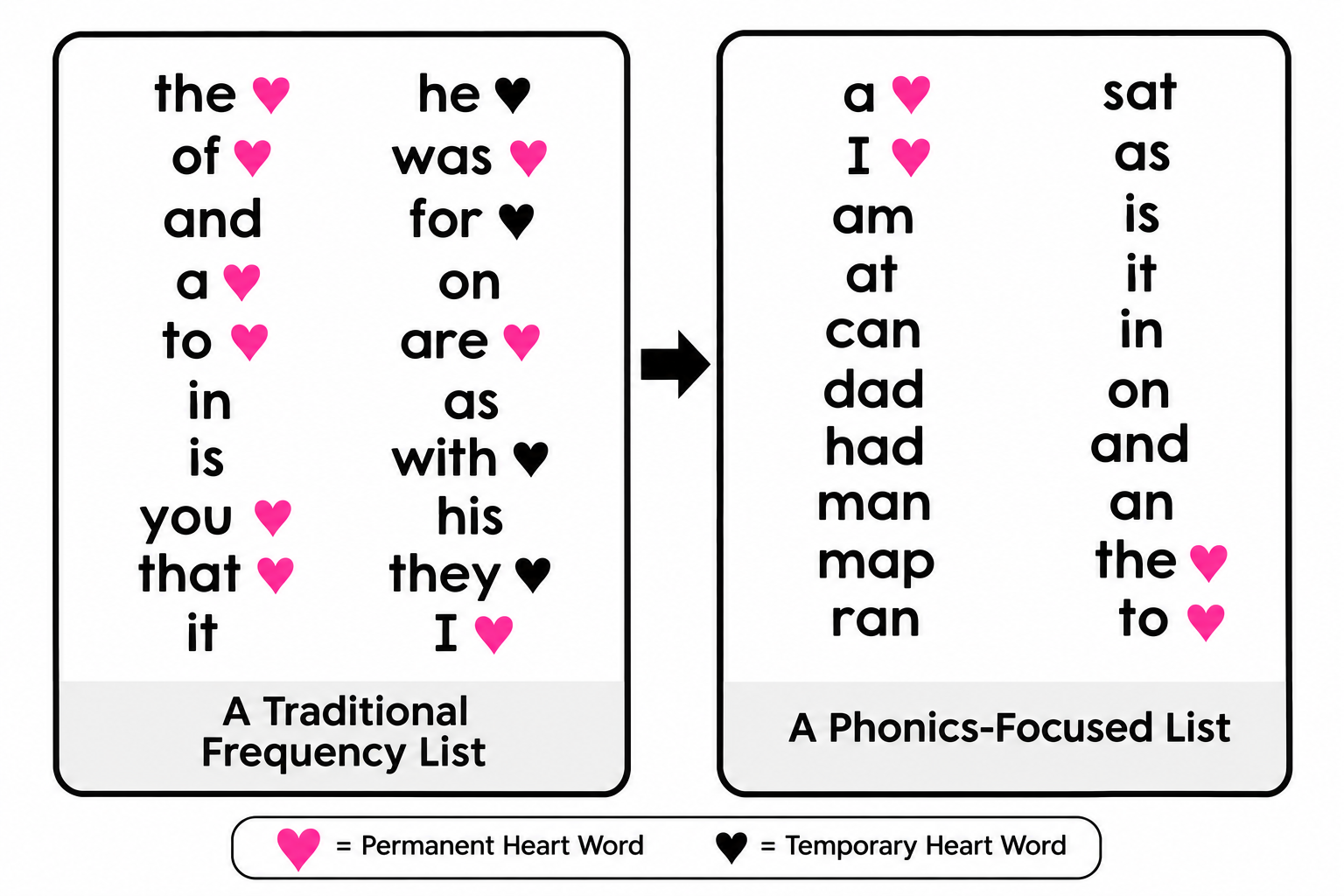
For decades, teachers have relied on traditional high-frequency word lists, including Dolch and Fry, to guide instruction. While these lists identify words that appear frequently in written language, they weren't developed to align with a systematic phonics scope and sequence. This is where I believe we need to rethink our approach! Following these lists as an instructional sequence can introduce words containing sound-spelling patterns students haven't learned, creating an unnecessary dependence on memorization. Rather than introducing words simply because they appear frequently, we should consider when students have the phonics knowledge needed to read them.
For example, why ask students to memorize them, then, that, and they before introducing the digraph th? By waiting until students have learned /th/, they can apply that knowledge to decode familiar portions of these words, with additional instruction for any unfamiliar spellings. The same approach applies to open syllable words such as me, we, she, he, no, so, and go. Rather than introducing these words individually throughout the year, why not teach them together when students learn the open syllable pattern?
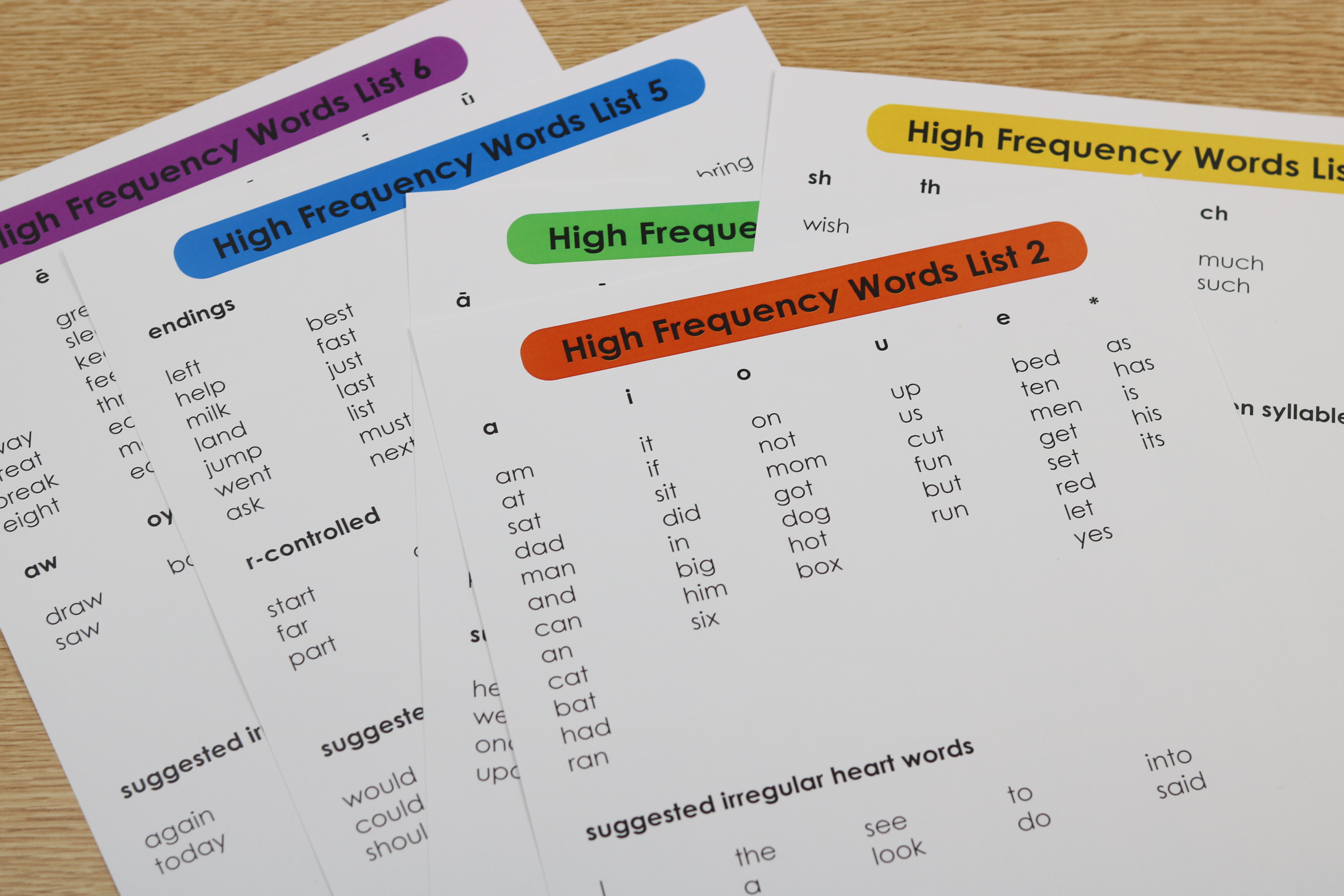
This allows students to recognize and apply a shared phonics pattern across multiple high-frequency words. This is the foundation of my free Phonics-Based High-Frequency Word Lists, which organize 260 high-frequency words around a progressing phonics scope and sequence. Instead of treating high-frequency words as a separate subject, they become a natural extension of the phonics skills students are already learning.
60 High-Frequency Words, but Only 10 Heart Words!
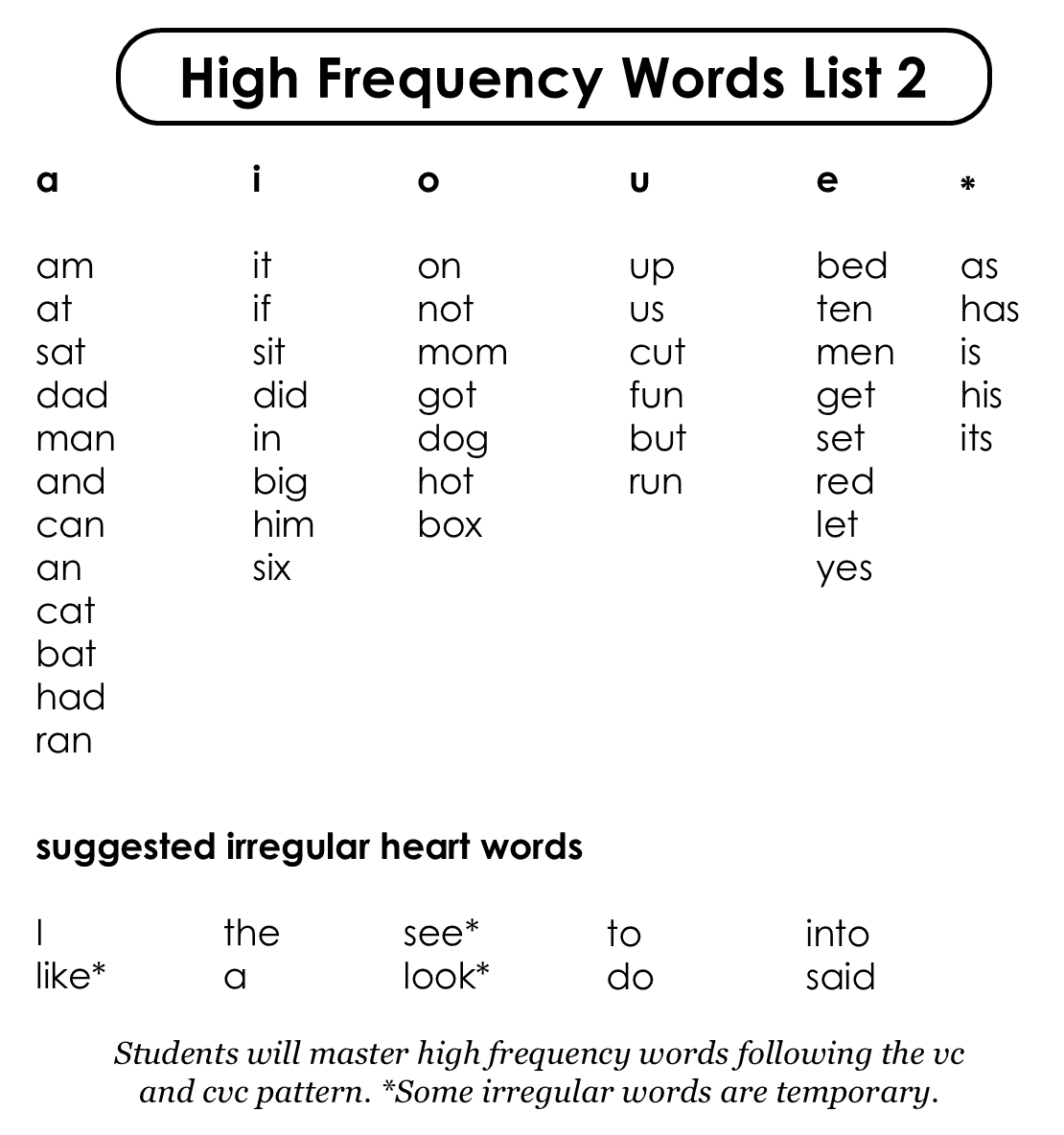
One of my favorite examples comes from Unit 2 of my Guided Phonics + Beyond curriculum. Across approximately 50 instructional days, students are introduced to 60 high-frequency words, but only 10 are classified as heart words! Even more interesting, two of those heart words are the single-letter words a and I. When we examine the remaining words, students need focused instruction on only about six or seven unfamiliar sound-spelling correspondences across the entire unit. Compare that with asking students to memorize 60 individual words over those same 50 days. That's a significant difference in the instructional demands placed on beginning readers!
My ultimate goal is to have students decode every sound-spelling correspondence within a word using previously taught phonics knowledge. While that isn't always possible with early high-frequency words, we can significantly reduce the number of unfamiliar spellings by thoughtfully sequencing instruction. This is also why it's important to distinguish between decodable high-frequency words and heart words. Decodable words can be read using phonics patterns students already know, while heart words contain one or more spellings that require additional attention. As students learn more phonics patterns, words that previously contained heart parts may become fully decodable!
Free Decodable High-Frequency Word Slides + Heart Word Instruction
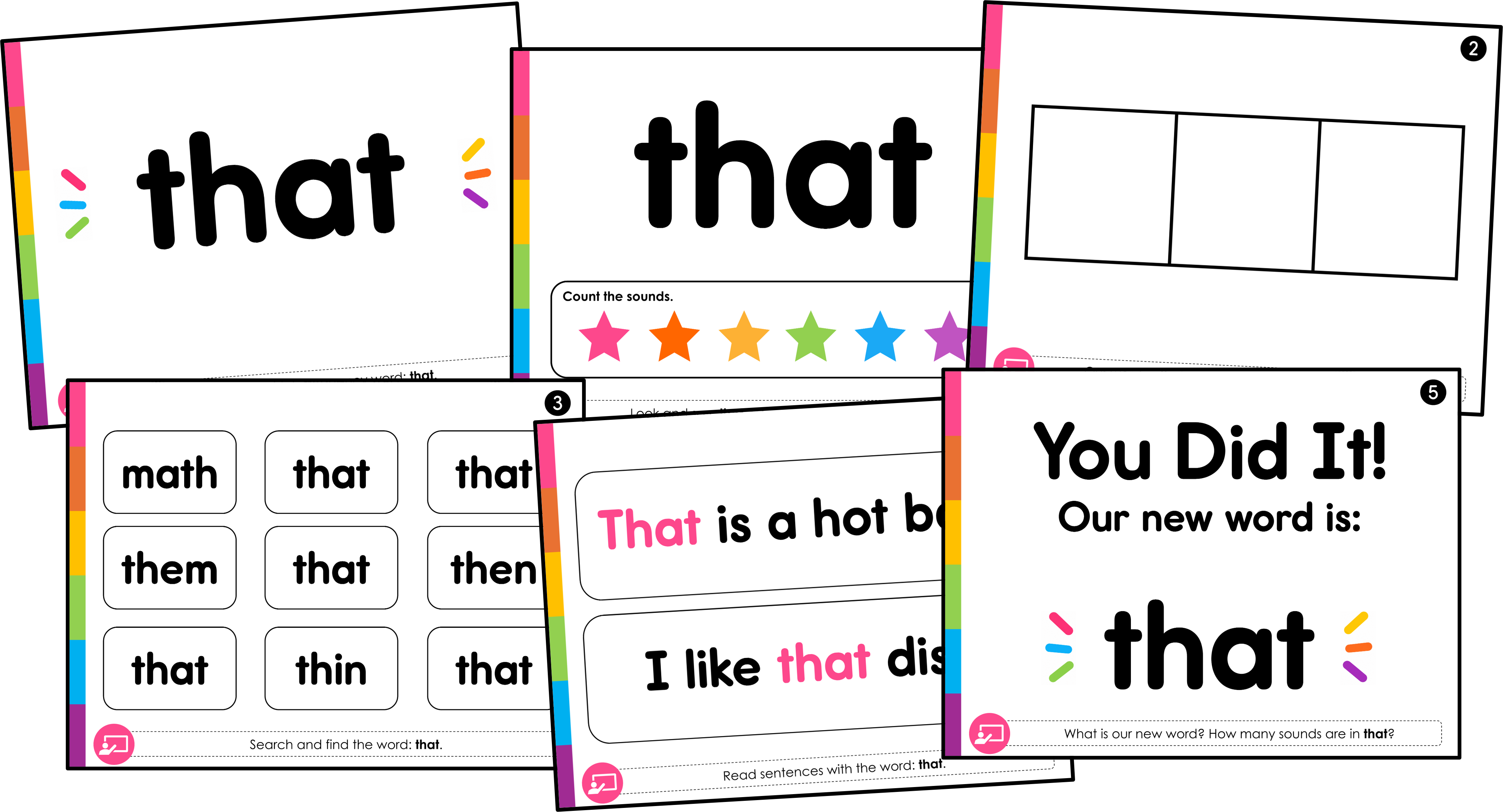
To make this approach easier to implement, I've created a new set of FREE Decodable High-Frequency Word Digital Slides! These slides follow a spiraling phonics scope and sequence and guide students through a consistent six-slide routine. Students identify words, count individual sounds, map phonemes to graphemes, locate words among other decodable words, read sentences, and complete a final review. The predictable format allows teachers to focus on explicit instruction while students actively participate through oral responses and personal whiteboards. The slides can be incorporated into whole-group instruction, small groups, intervention, or daily phonics review.
Of course, not every high-frequency word will be fully decodable when it's introduced. For words containing unfamiliar sound-spelling correspondences, my Heart Words Digital Slides provide additional instructional support. Rather than memorizing the entire word, students focus on the sounds they already know and explicitly learn the heart part. This keeps instruction connected to the same sound-to-print process students use when decoding other words.
Say It, Tap It, Map It, Write It: A Simple Word Mapping Routine
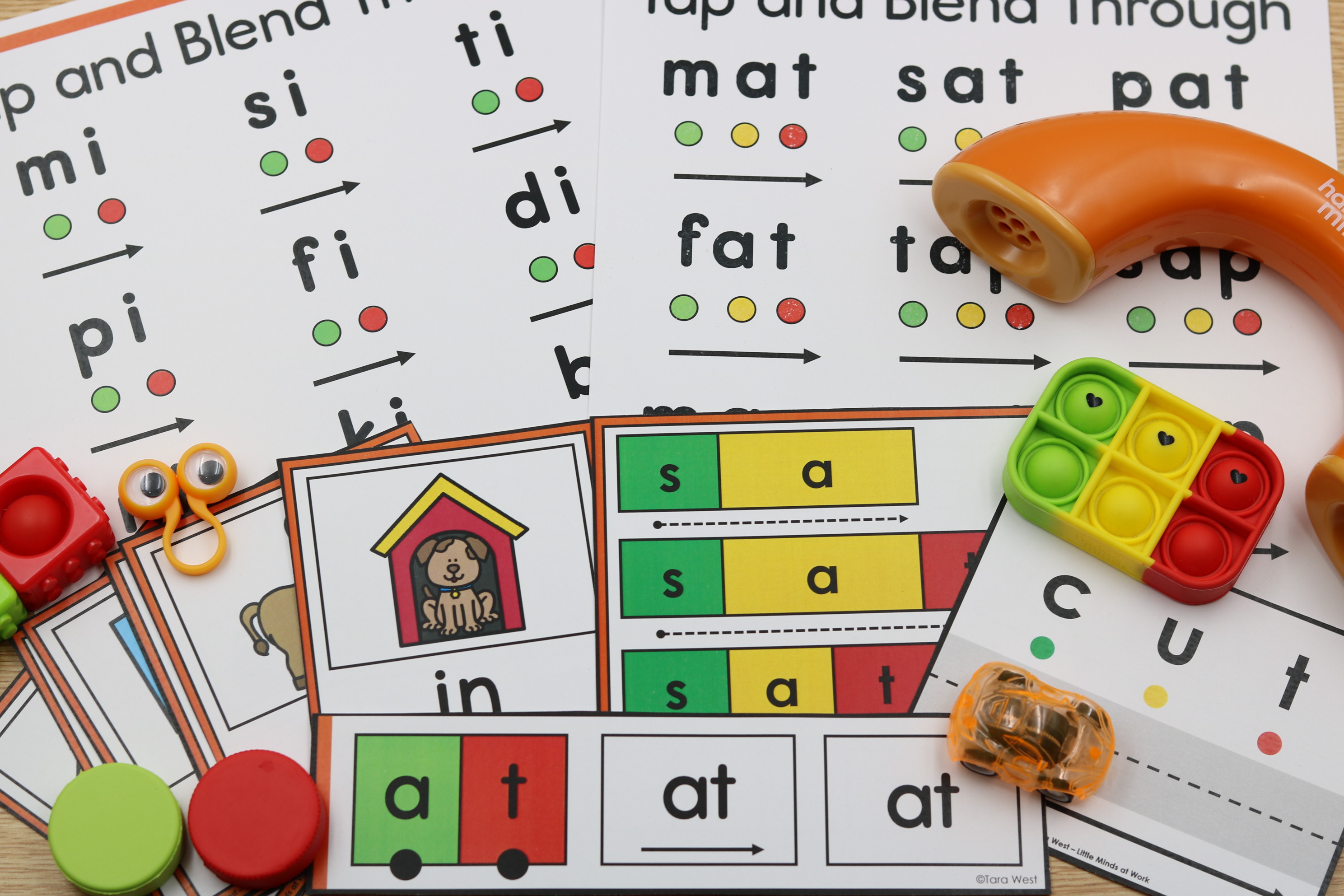
One of the most important components of high-frequency word instruction is helping students connect phonemes (sounds) to graphemes (letters or letter combinations). My favorite instructional routine is Say It, Tap It, Map It, Write It. Students begin by saying the word aloud, then tapping each individual sound they hear. Next, they map those sounds to their corresponding graphemes, identifying any unfamiliar or unexpected spelling patterns. Finally, students write the complete word while connecting the sounds to the letters. This process supports orthographic mapping, helping students store words for increasingly automatic recognition through their sound-spelling connections rather than memorizing their visual shapes.
For teachers who are new to word mapping or want additional guidance, the Heart Words Digital Slides can help structure this process. The goal is to make instruction explicit and interactive, with students actively saying, segmenting, mapping, blending, and writing words. Over time, these repeated sound-to-print connections support accurate and automatic word recognition.
Building High-Frequency Word Recognition Through Reading and Writing
Once students have received explicit instruction, they need meaningful opportunities to apply their knowledge. My free High-Frequency Word Booklets provide guided practice with word mapping, writing, reading, and word recognition. These activities reinforce the connections students are learning while providing opportunities to revisit previously introduced words. For teachers wanting a larger collection of connected reading materials, the High-Frequency Words Decodable Books Bundle offers additional books for continued practice.
It's also important to consider students who are still developing their earliest reading skills. Before expecting students to read increasingly complex text, they need a strong foundation in letter-sound correspondences, phonemic awareness, and blending. My free High-Frequency Word Mini Books provide intentionally simple reading opportunities that allow beginning readers to focus on targeted words without becoming overwhelmed by the text. As students progress, teachers can incorporate additional word work through resources such as the High-Frequency Words Interactive Notebook and High-Frequency Words In-a-Click Printables. These provide additional ways to reinforce reading and spelling skills after explicit instruction.
Supporting Heart Words at School and Home
Heart word instruction can look quite different from the sight word practice many families remember from their own childhoods. Instead of encouraging students to memorize an entire word, teachers can explain how students identify familiar sound-spelling correspondences and focus on the parts that require additional instruction. My free Heart Words School-to-Home Letter helps communicate this approach to families and provides a better understanding of how high-frequency words are taught through a science of reading approach. I also have free Sound-by-Sound High-Frequency Word Flashcards that encourage students to attend to individual sounds and their spellings rather than simply recognizing the word as a visual whole. Both resources are helpful for keeping classroom instruction and home practice consistent.
Moving From Decoding to High-Frequency Word Fluency
As students become more confident decoding high-frequency words, the next step is developing automaticity. The goal is for students to recognize familiar words accurately and efficiently, allowing them to devote more attention to comprehension when reading connected text. My free High-Frequency Word Fluency Drills provide opportunities to revisit previously taught words, while the free High-Frequency Word Fluency Phrases help students transition from individual word recognition to reading groups of words more smoothly. Fluency practice should always build upon accurate decoding, with an emphasis on developing confident, automatic reading rather than simply increasing speed.
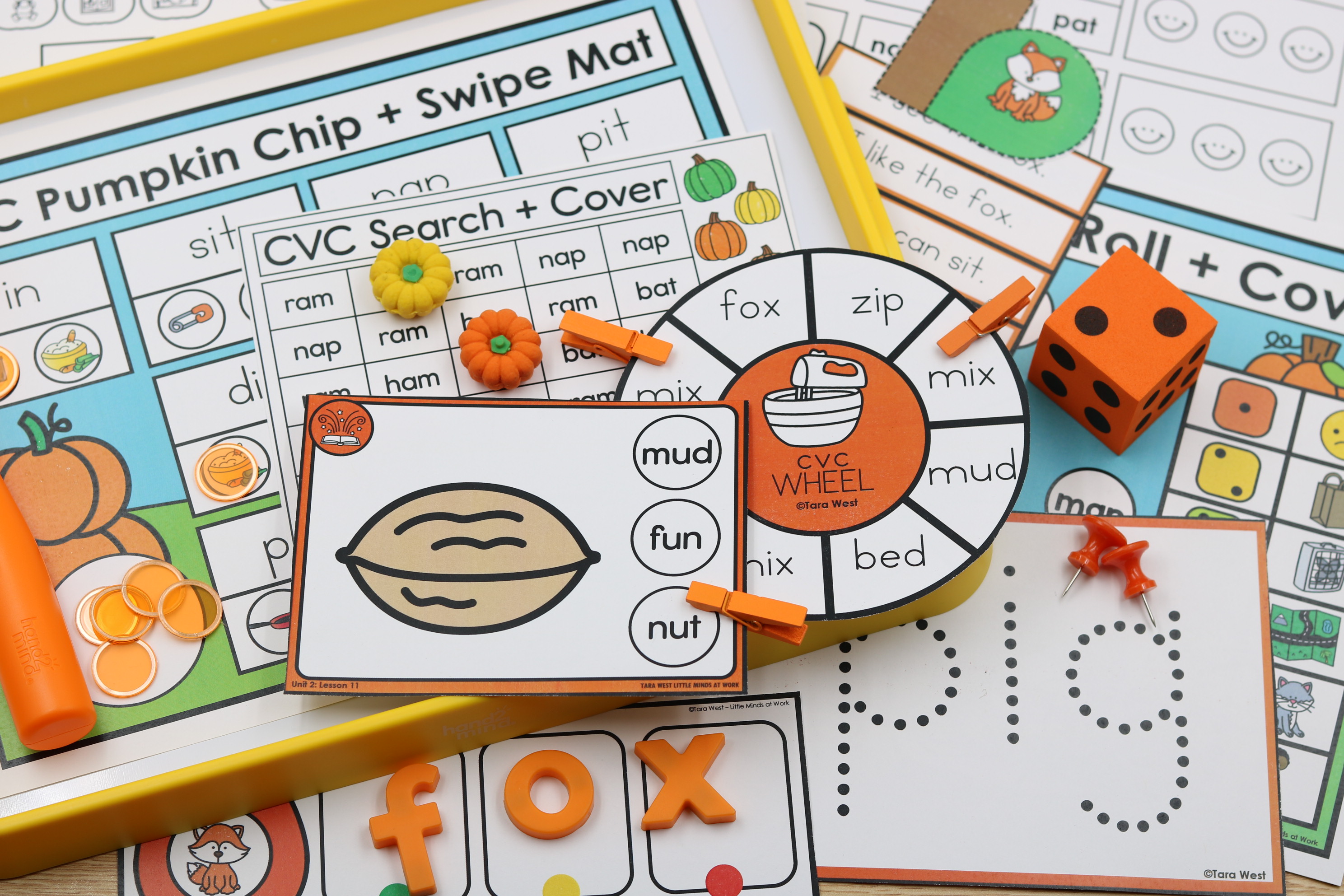
Some students will benefit from additional practice through small-group instruction, morning work, or independent phonics centers. My Guided Phonics + Beyond High-Frequency Words Printables and Centers Bundle provides opportunities to reinforce previously taught high-frequency words, while the High-Frequency Words Anytime Tubs offer flexible hands-on practice that can be incorporated throughout the school year. Regardless of the activity, I recommend selecting words that align with students' current phonics knowledge so independent practice continues to strengthen the skills they've already learned.
A Better Approach to High-Frequency Word Instruction
High-frequency word instruction doesn't need to revolve around memorizing increasingly long lists of words. When words are intentionally connected to a systematic phonics scope and sequence, students can use their decoding knowledge to read the majority of high-frequency words and focus additional attention on the few sound-spelling correspondences they haven't learned. The goal isn't to help students memorize more words. It's to help them decode more words! Through explicit instruction, word mapping, connected reading, and meaningful repetition, students can develop the automatic word recognition needed for fluent reading.
I hope these ideas and resources help you feel more confident planning your high-frequency word instruction! You can explore my complete collection of free High-Frequency Word Resources for additional activities, printables, and teaching tools. If you'd like to continue learning about phonics-based word instruction, be sure to visit my previous blog post, High-Frequency Words for Early Literacy Success, for more free downloads and instructional ideas!
Thanks so much for reading!
Tara West
Little Minds at Work