One of the most common frustrations I hear from kindergarten and early elementary teachers is this:
“They know their letters. They know their sounds. But they still cannot read words.”
If that sounds familiar, you are not alone. And more importantly, this is not a failure of effort or exposure. It is almost always a breakdown in how sounds are being taught and transferred into blending.
Research has been very clear on this point.
Linnea Ehri explains that “readers must form connections between the letters in written words and the sounds in spoken words. Without these connections, words cannot be read or remembered.”
If students cannot hold onto sounds long enough to connect them, reading will continue to feel impossible no matter how many letters they know.
Click the video above to listen in as I walk through the full PD session and model exactly how to move students from sounds to blending that sticks.
Sounds must come first
Before students can blend, decode, or read words, they must have a strong understanding that spoken words are made up of individual sounds that can be isolated, repeated, and remembered.
Sally Shaywitz refers to phonemic awareness as “the gateway skill,” noting that if children do not grasp that words are made up of sounds, reading will remain a struggle.
This is why sound work cannot be rushed or treated as a warm-up activity. It is the foundation everything else is built on.
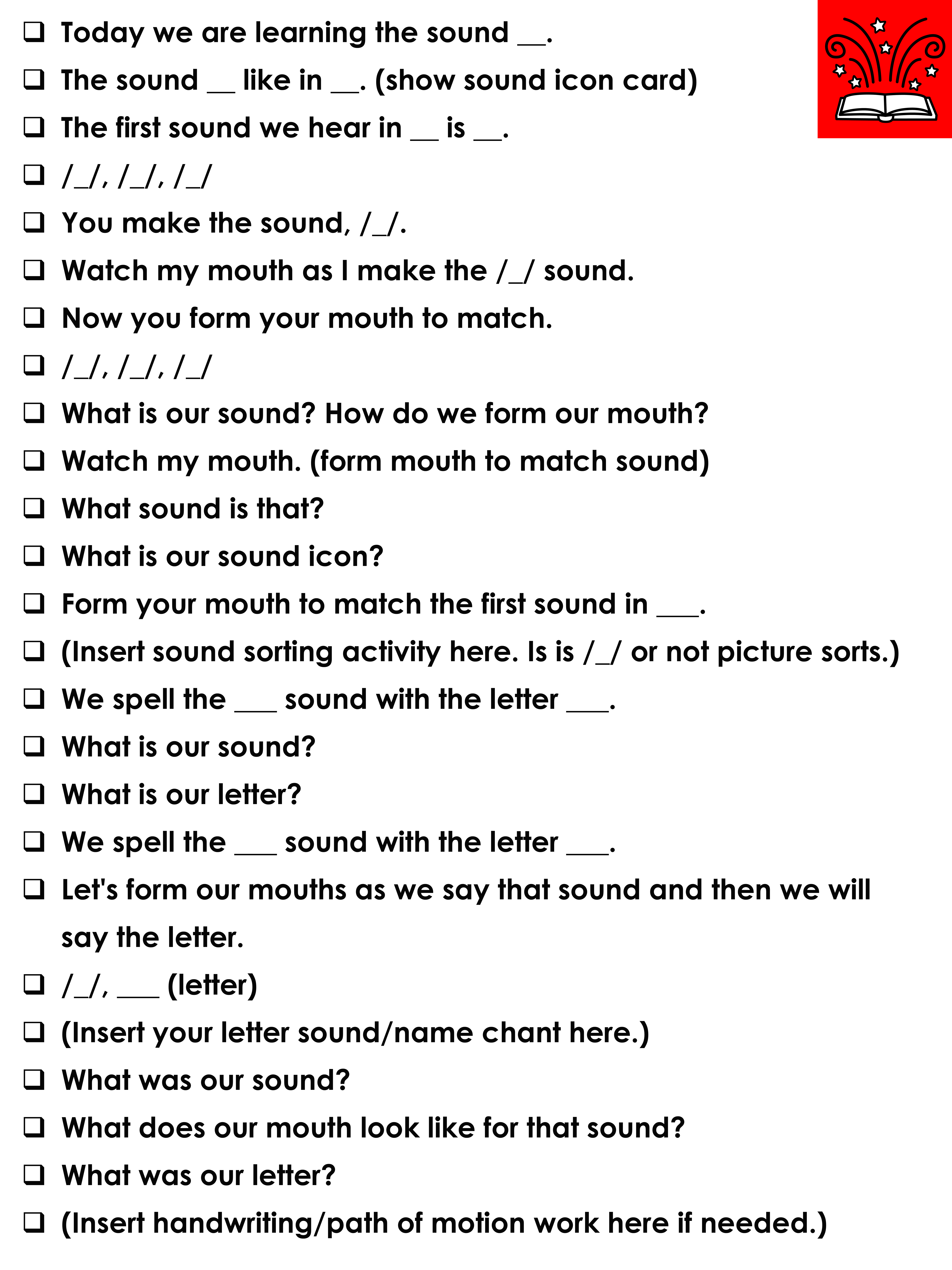
When students struggle with sound retention, they need explicit modeling, consistent routines, and opportunities to hear and feel how sounds are made.
If you are supporting students who need stronger sound foundations, these two free resources are a great starting point:
Download formation scripts for letters Aa-Zz HERE.
Download realistic alphabet picture cards HERE.
View all alphabet / sounds free downloads HERE.
These tools help teachers slow down instruction, focus on articulation, and give students multiple ways to anchor each sound before moving to print.
The missing middle step: VC blending
One of the biggest instructional gaps I see is skipping directly from isolated sounds to CVC words.
For many students, that leap is simply too large.
VC blending provides the bridge.
Marilyn Adams explains that “blending phonemes into words must be taught explicitly and practiced extensively, especially with simple sound structures.” VC words allow students to practice blending with minimal cognitive load while learning how sounds stick together.
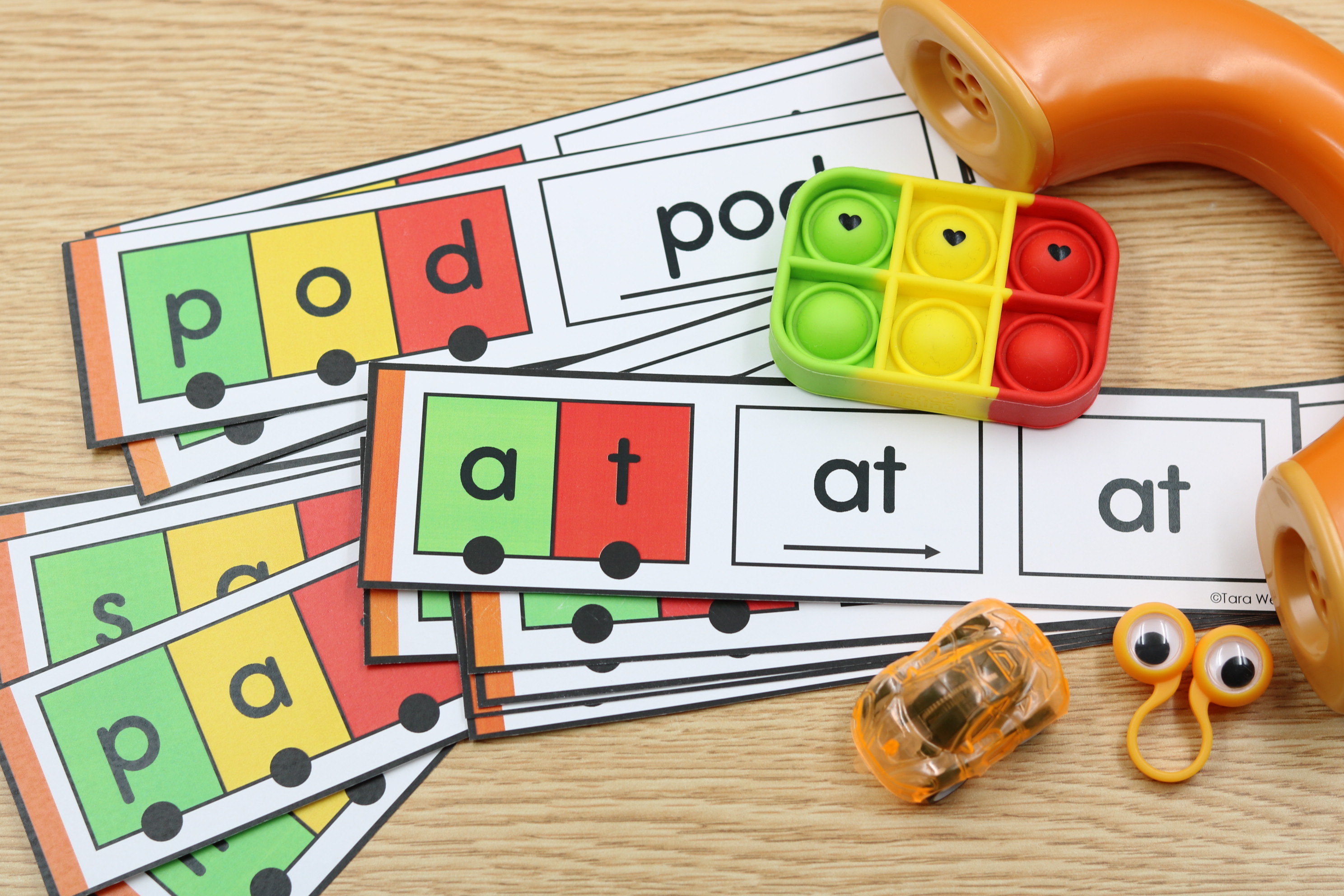
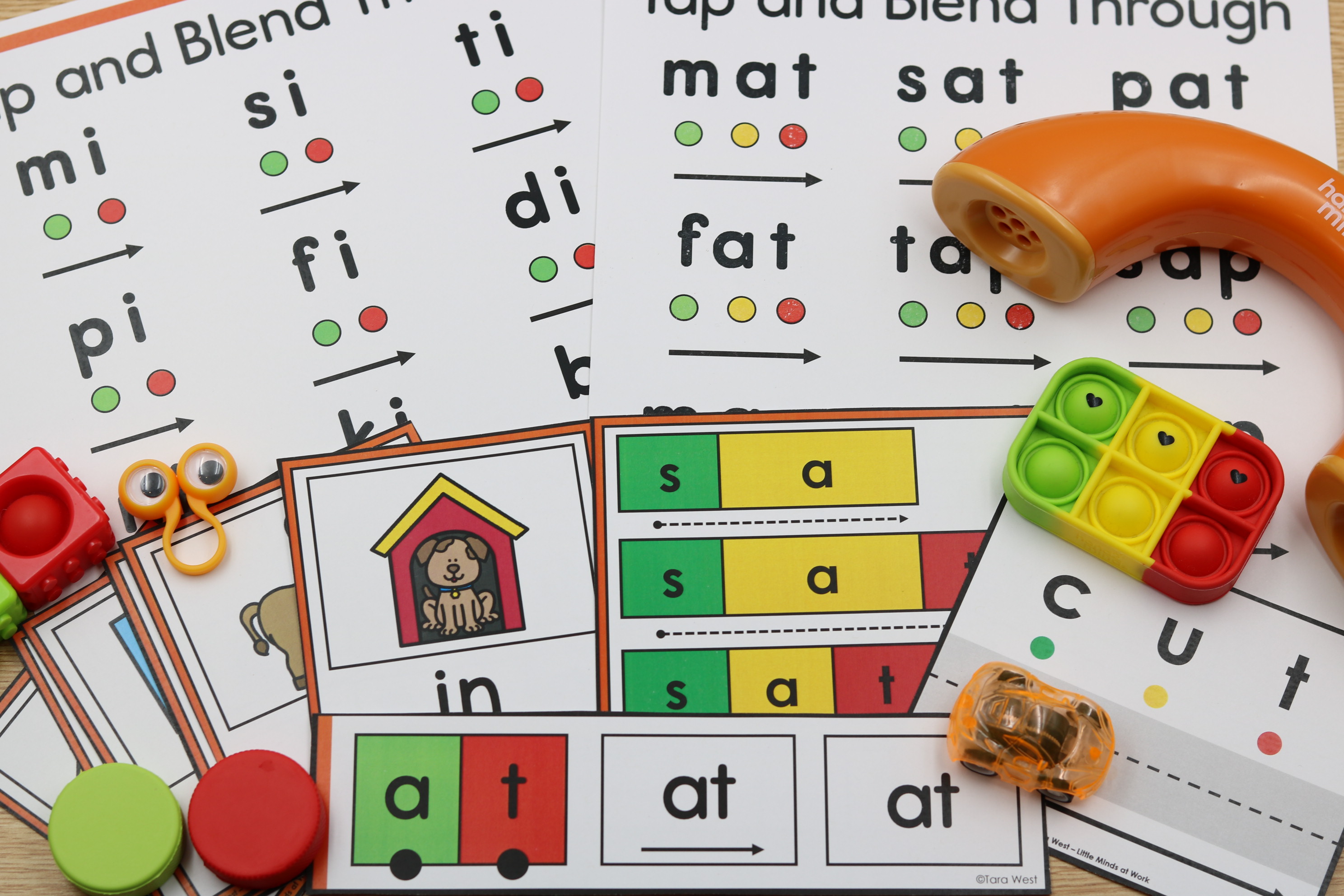
A strategy I use consistently during VC blending is physically showing the sounds moving together.
I model the vowel and consonant far apart at first:
/a/ ---------- /t/
Then, as we blend, I slowly push the letters closer together while stretching the sounds until they touch and become “at.”
This visual and physical movement helps students understand that blending is not guessing. It is sounds coming together.
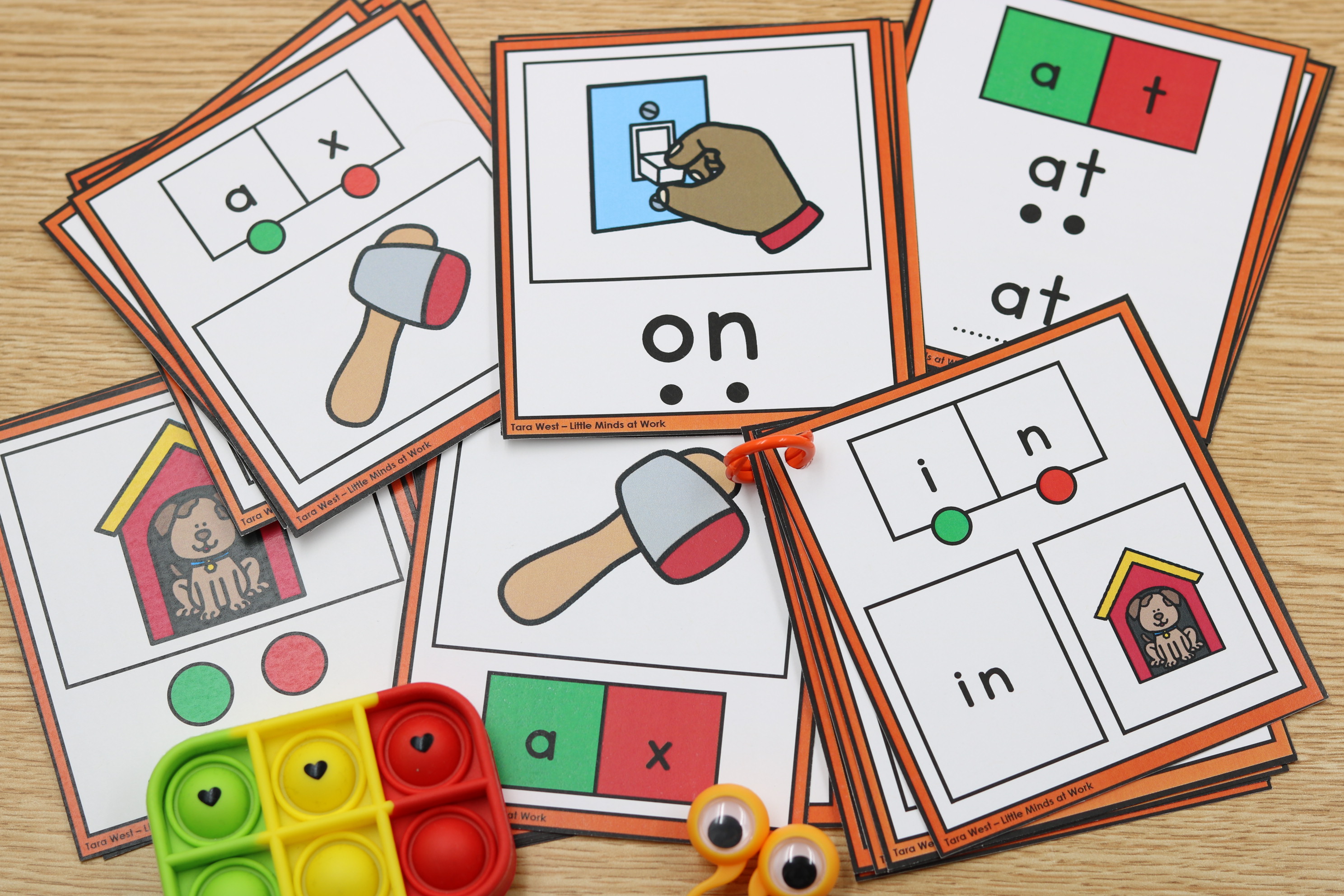
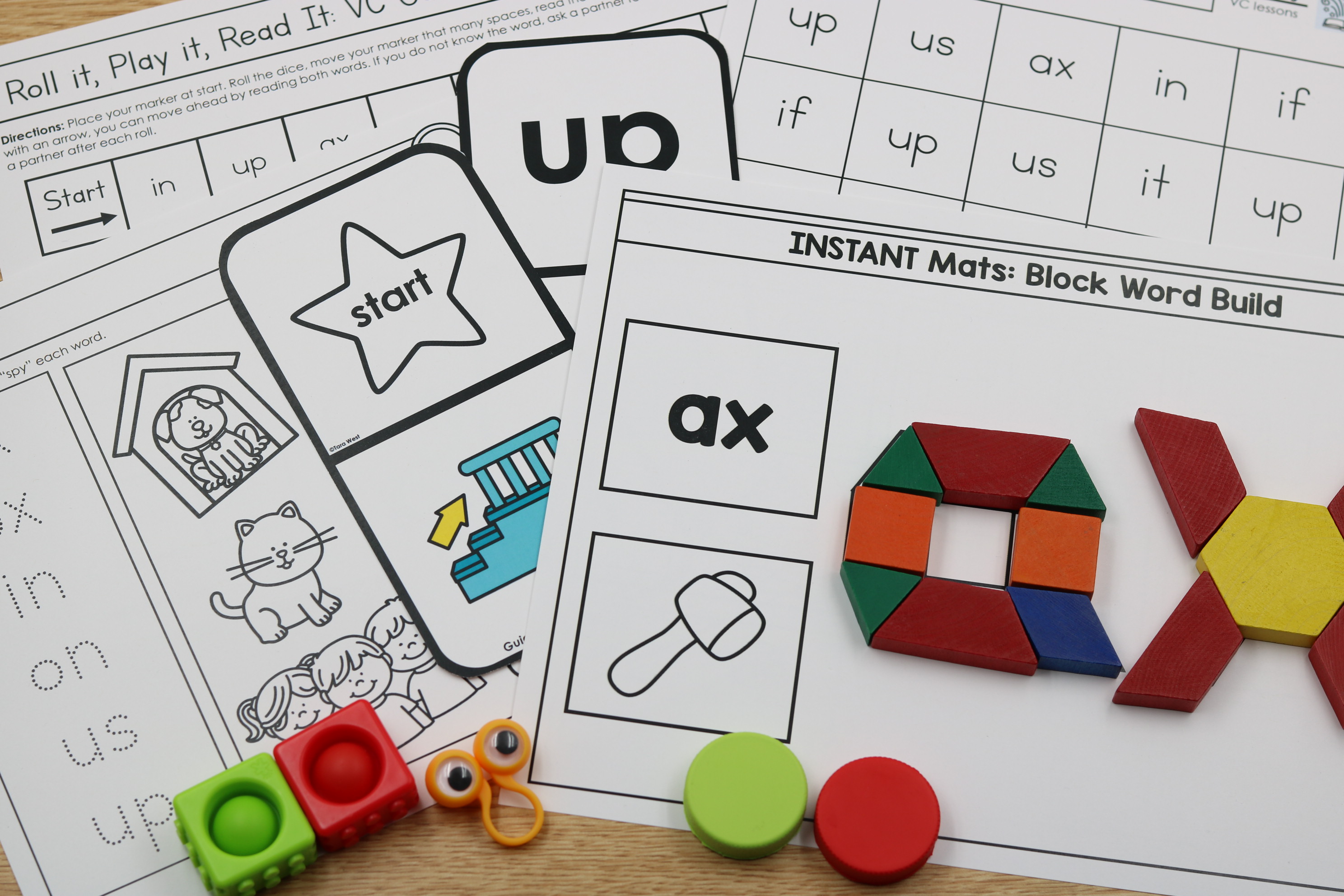
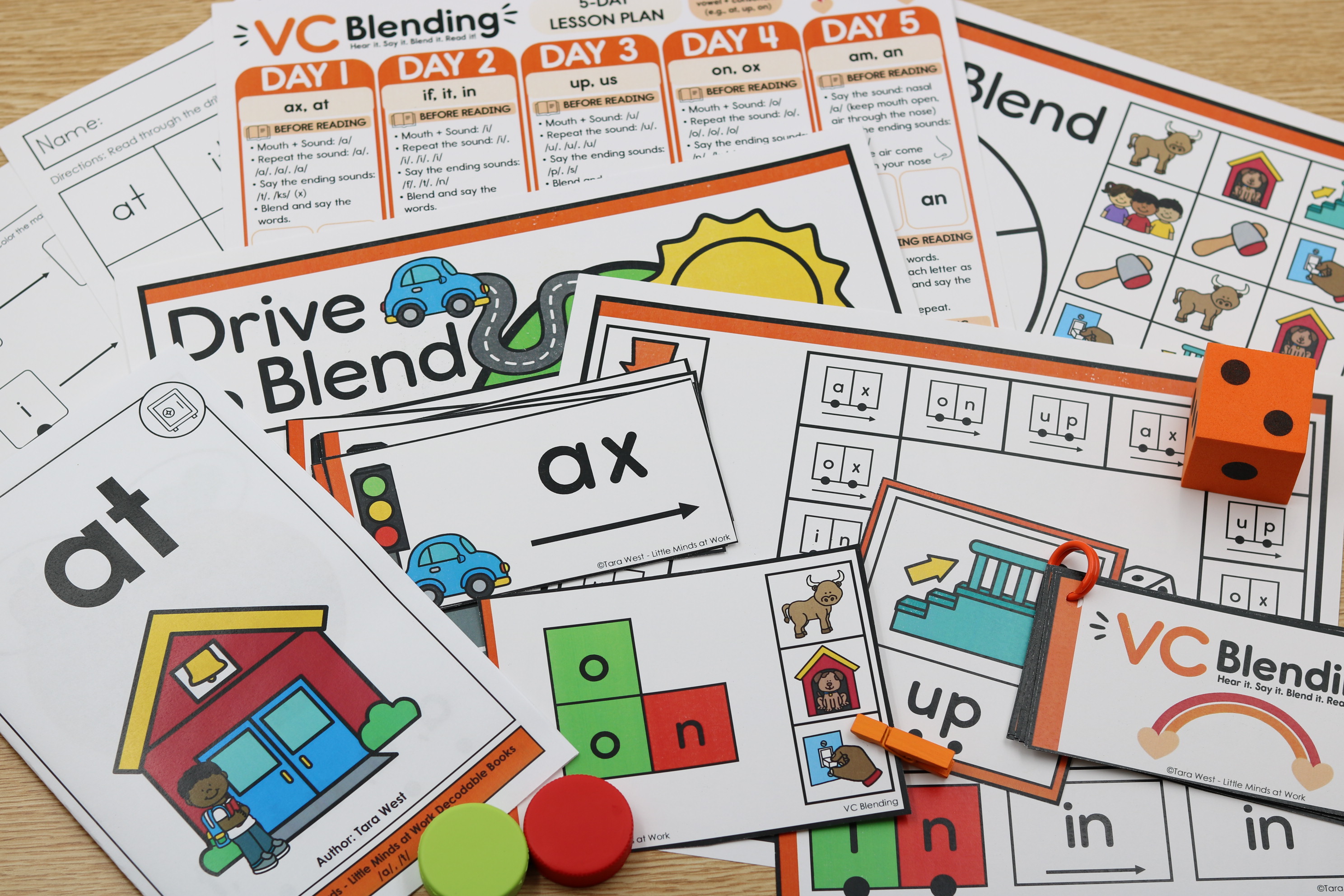
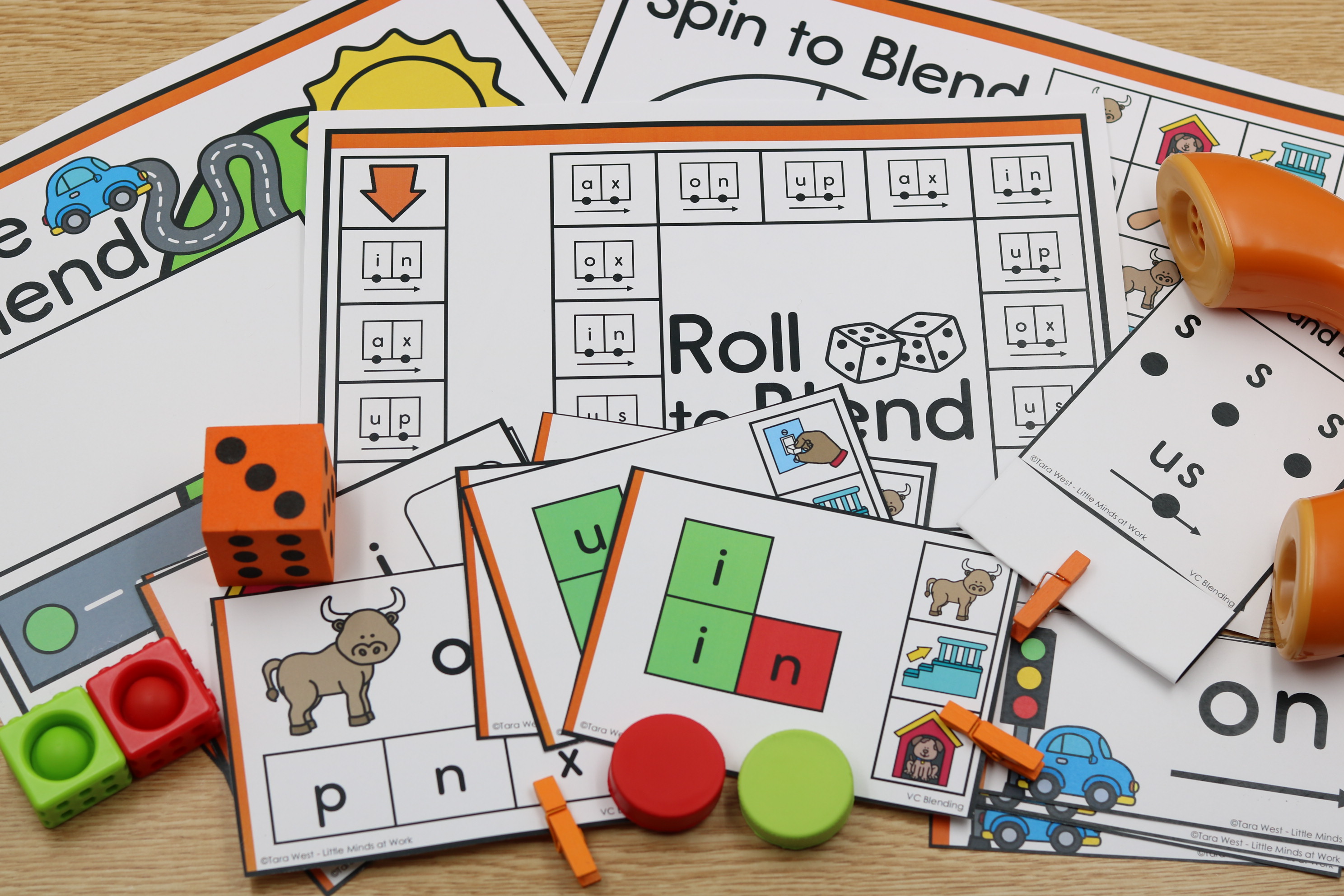
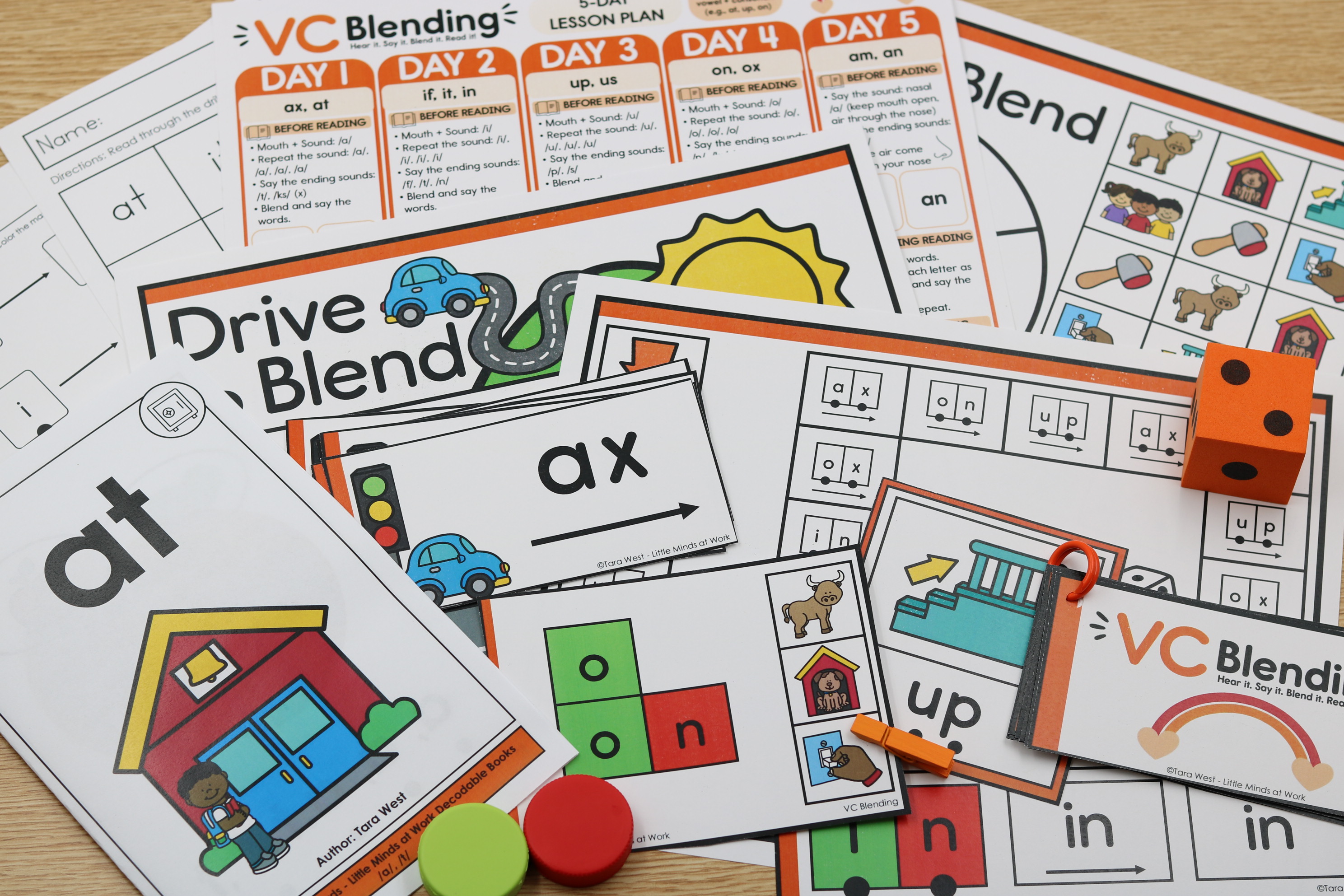
Free VC resources to support this stage include:
Free VC Blending Resources
Ready to help your students take the next step after learning letter sounds? Visit this post for a simple, teacher-friendly look at VC blending, why it matters, and how to explicitly teach it before moving into CVC words. You’ll also find practical teaching ideas and resources you can use right away! 👉 Access the additional VC blending free downloads HERE.
Free VC Blending Printables
These resources give students repeated, supported practice holding sounds together instead of saying them in isolation.
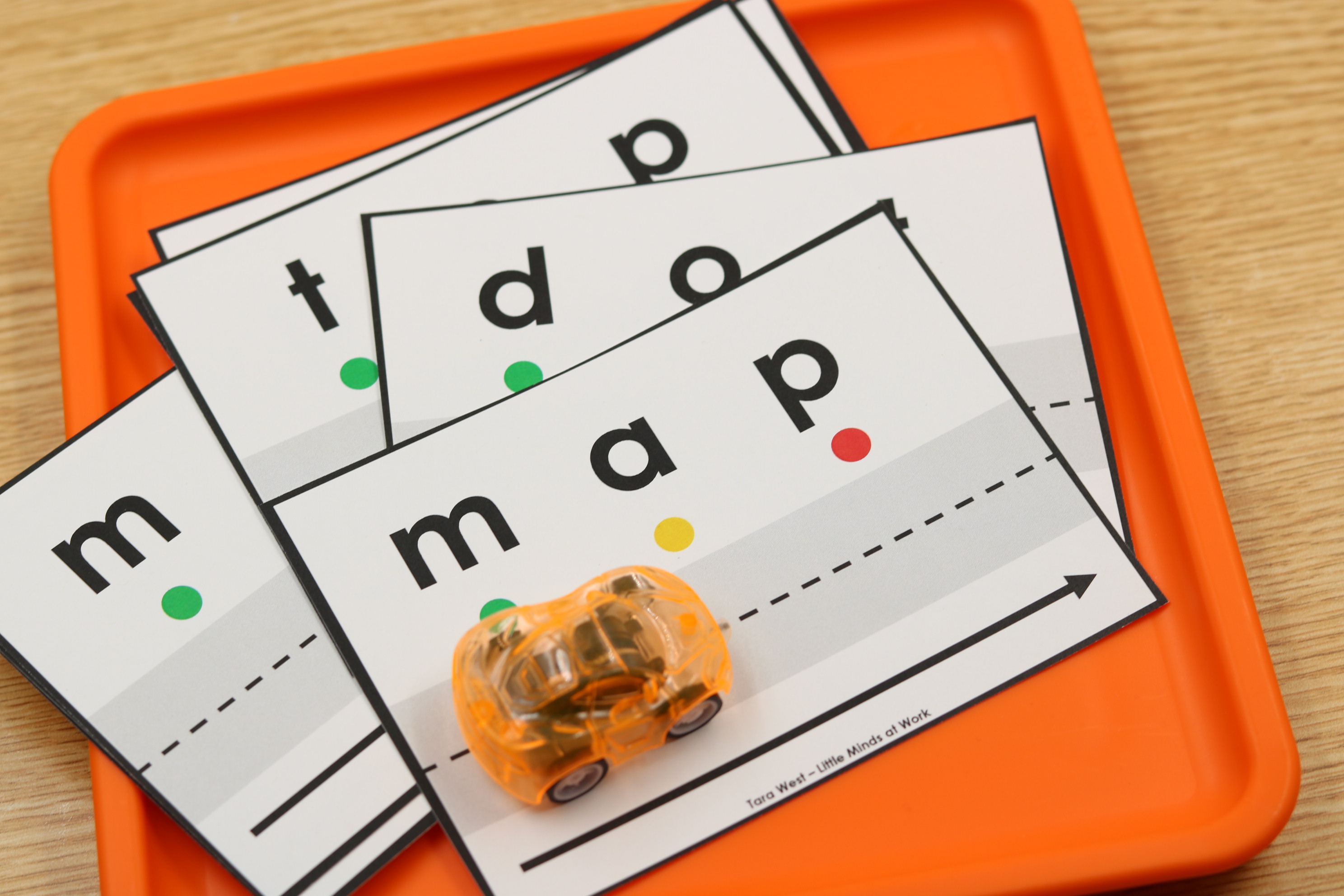
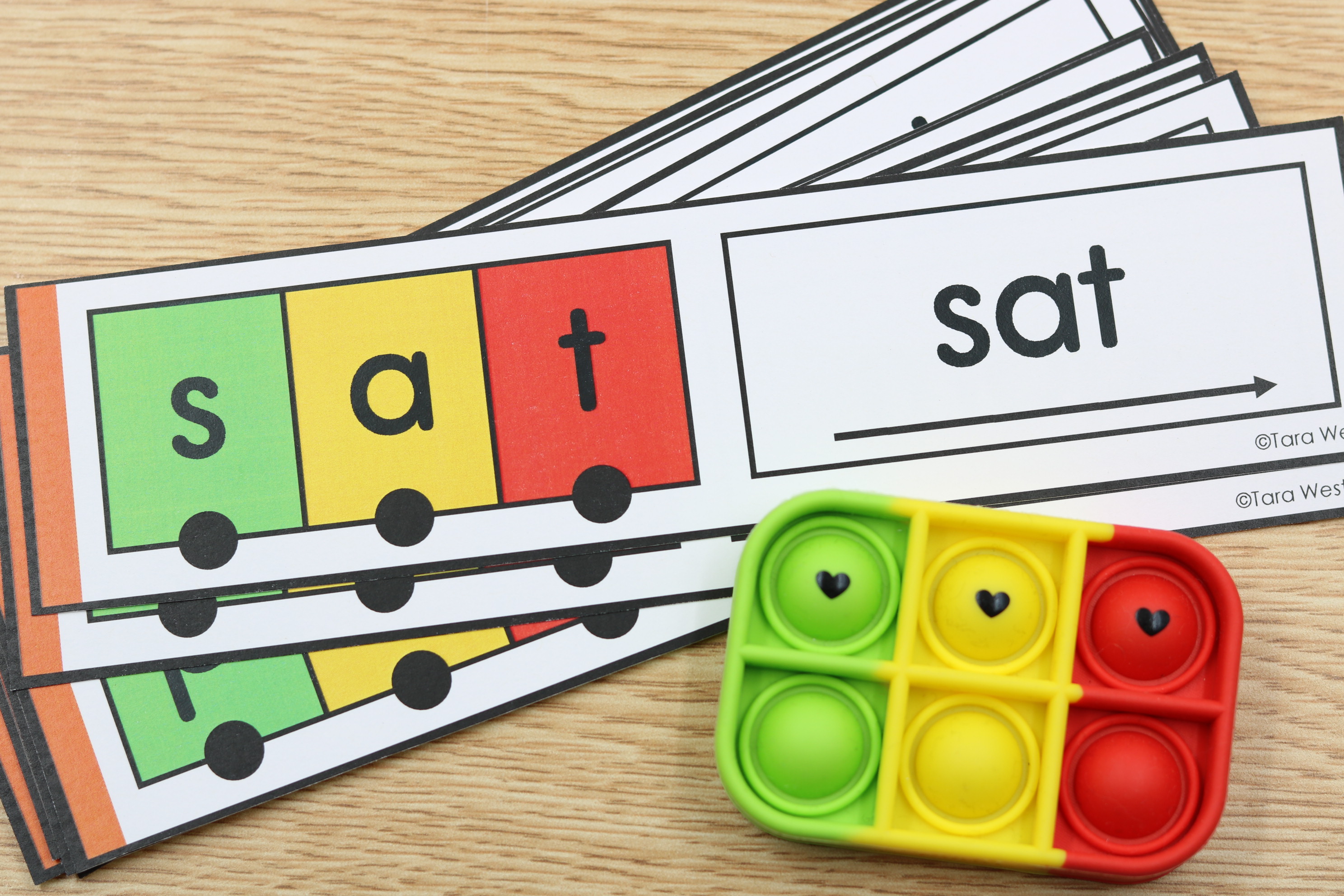
The blending cards students use at this stage are also key. These free letter building cards allow students to physically manipulate sounds as they blend:
Moving into CVC blending with intention
Once VC blending is solid, students are ready to move into CVC words. But again, how we blend matters.
David Kilpatrick reminds us that “successful readers do not guess words by chunks. They blend individual phonemes quickly and automatically.”
This is why continuous blending and successive blending are so important.
Instead of stopping between sounds, we stretch them together smoothly. Instead of saying all three sounds and hoping students figure it out, we build the word step by step.
Here is the strategy I explicitly model:
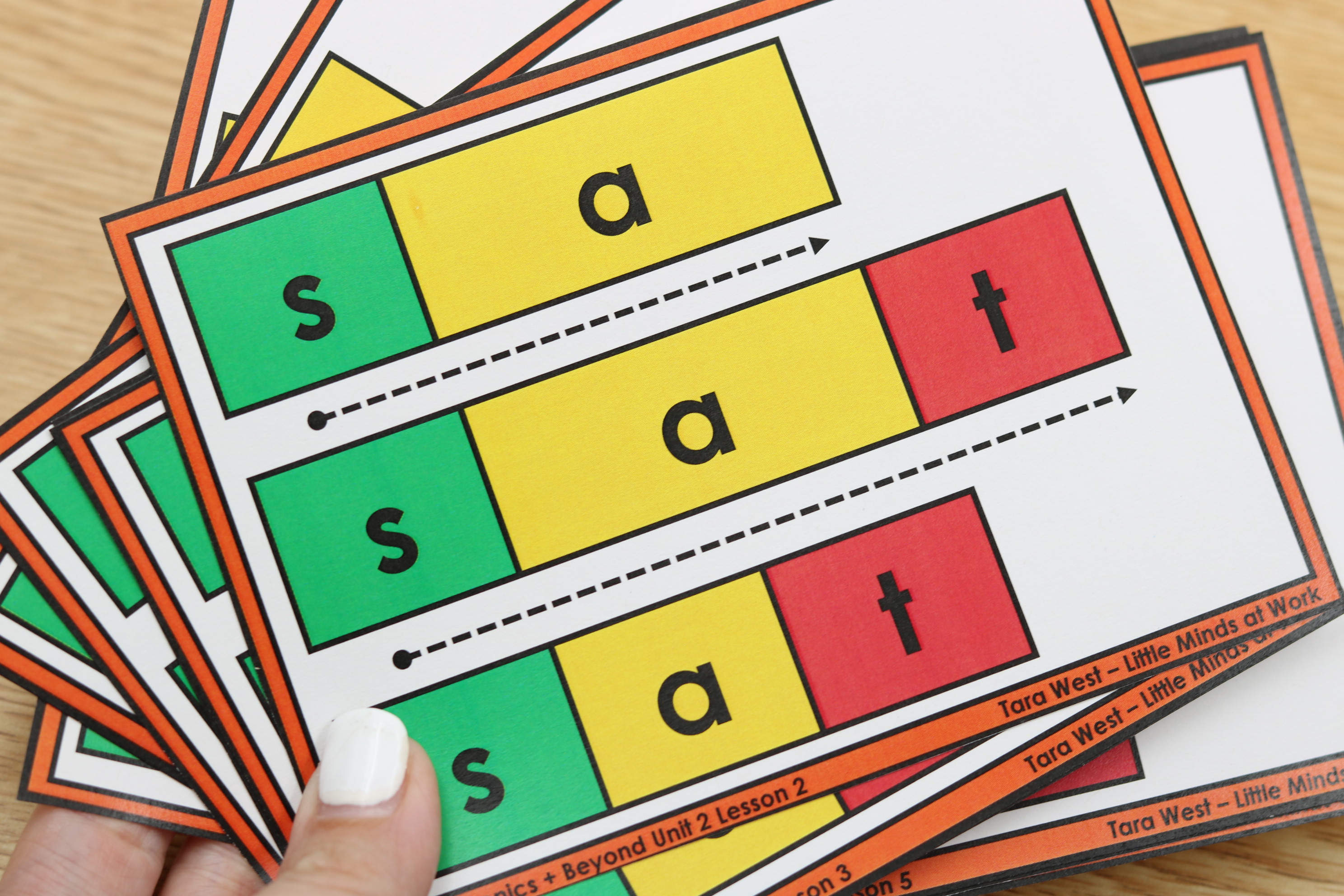
I start with the first sound and vowel together:
/ma/ ---------------- /t/
We blend the first two sounds into “ma,” then slowly slide the final sound in until the letters touch and form “mat.”
This approach anchors the vowel early and helps students hold onto the word long enough to read it successfully.
Louisa Moats explains that “instruction that emphasizes sound-by-sound blending is essential for students who struggle to read accurately.”
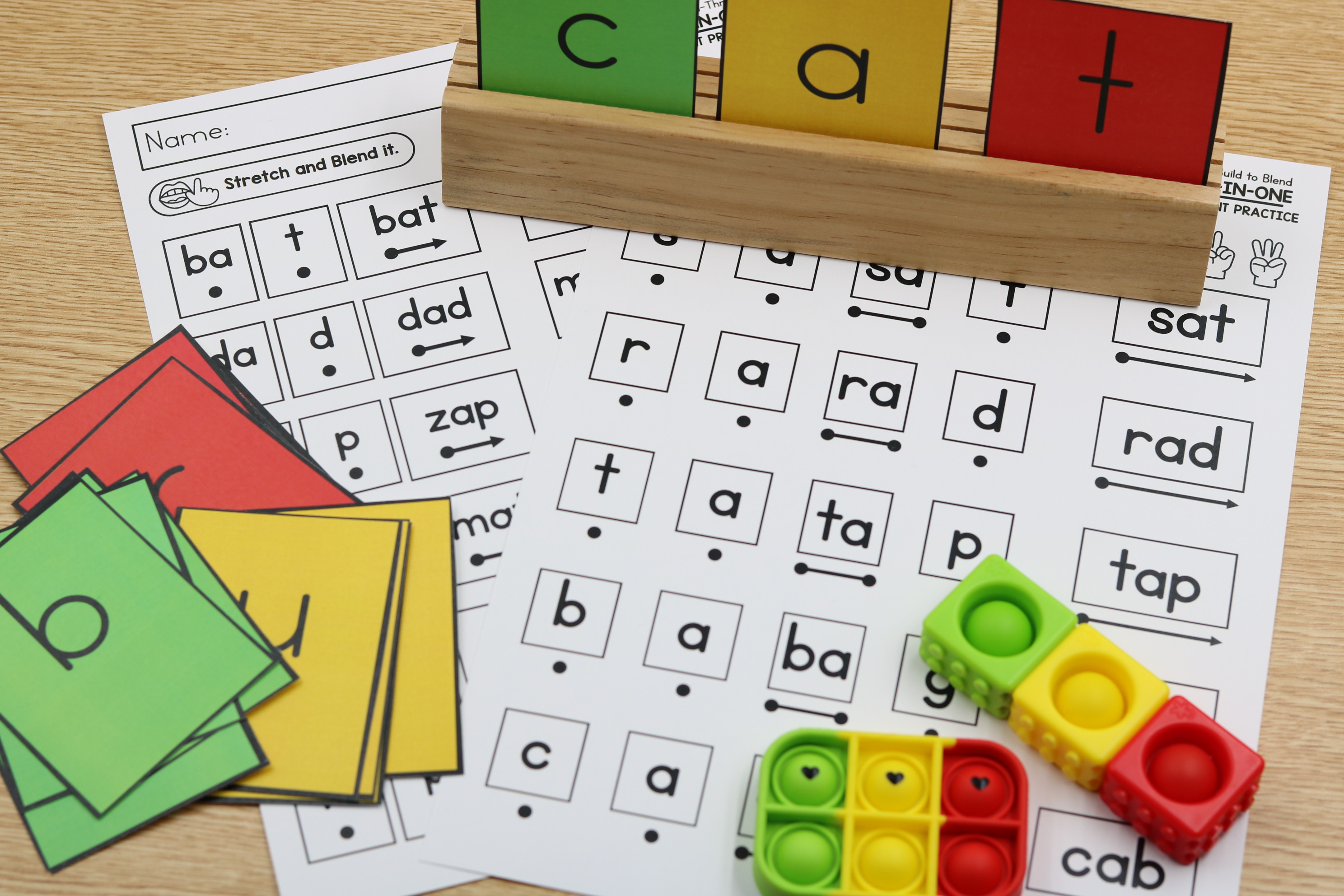
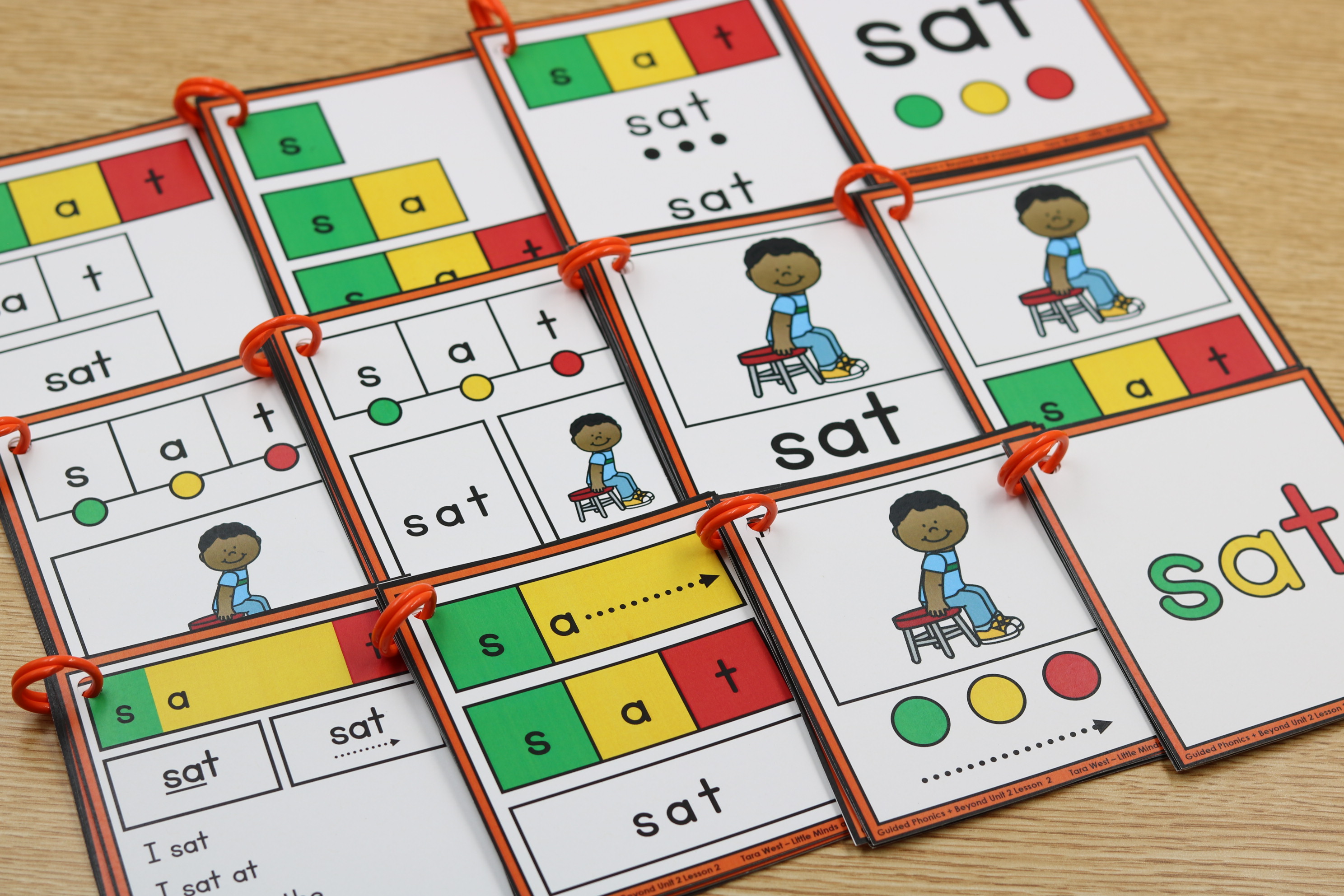
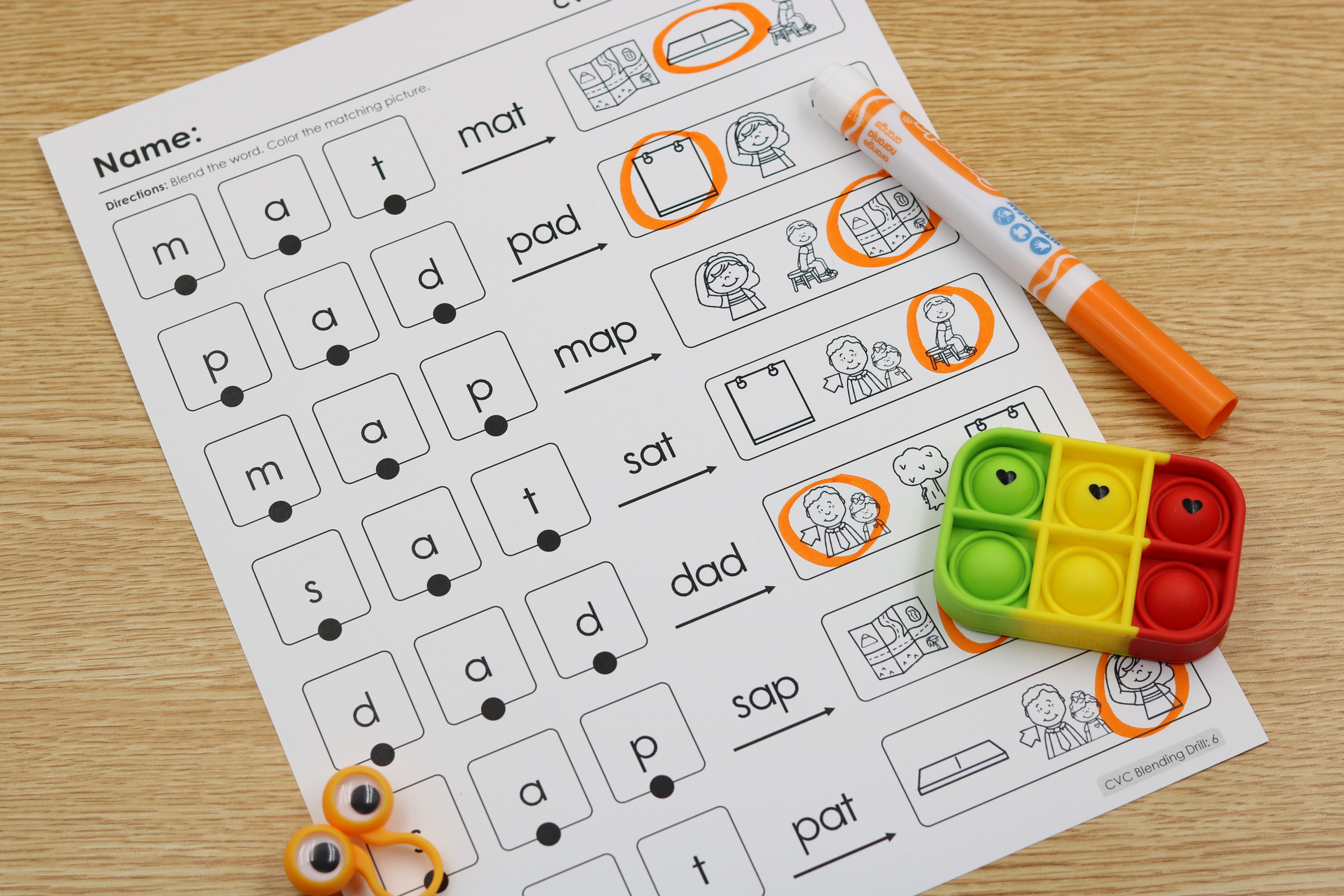
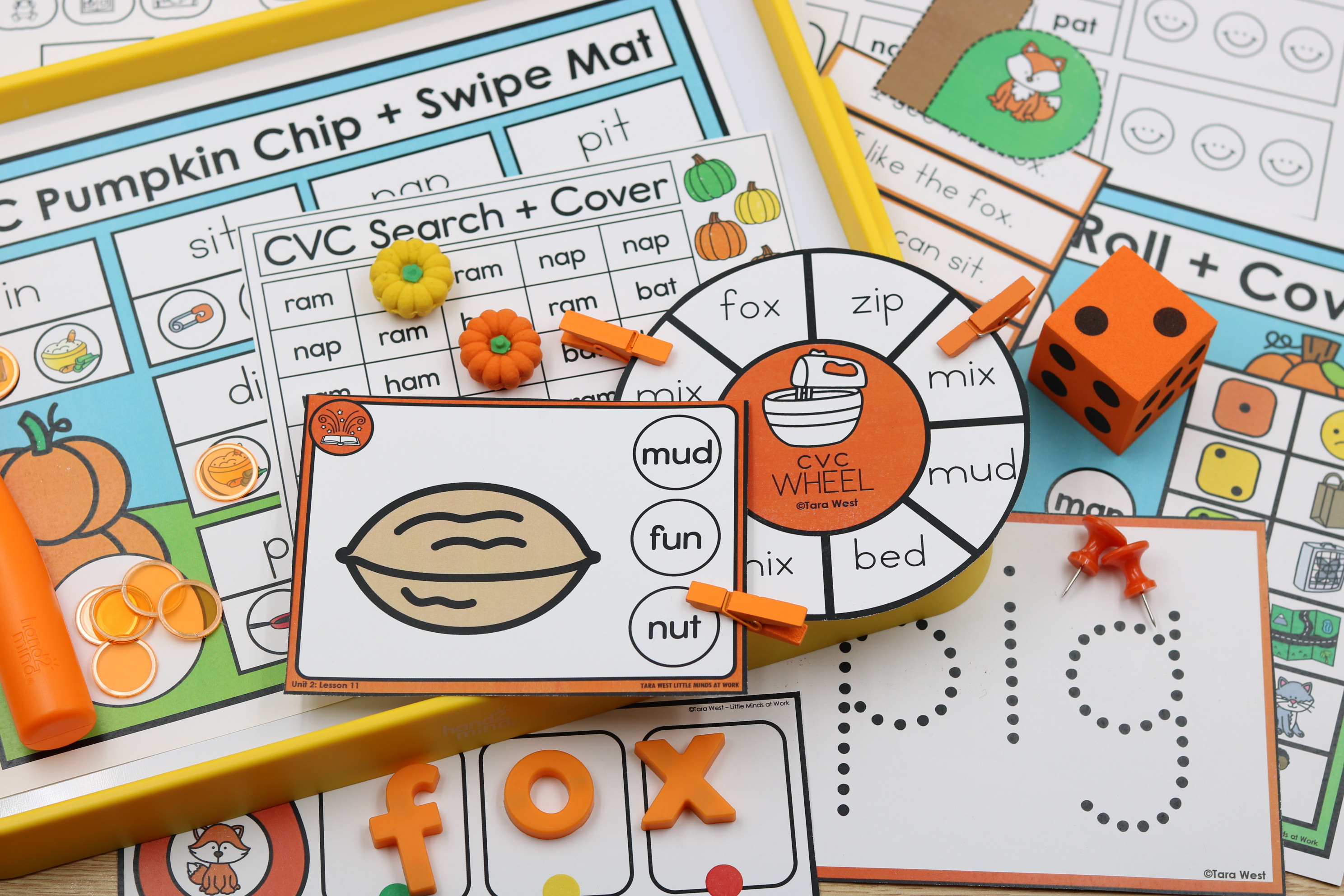
CVC resources that support this stage include:
These free tools reinforce that decoding is a process, not a performance.
Free Continuous Blending Cards
View all CVC free downloads HERE.
TPT CVC Blending Printables
When blending breaks down
If students guess, pause between sounds, or restart words repeatedly, that is not a sign they need harder words or more letters. It is a sign they need tighter blending routines.
Ehri reminds us that “words are remembered because letters are bonded to their pronunciations through phonemic awareness.”
When we strengthen that bond through intentional sound work, VC blending, and structured CVC blending, reading finally starts to stick.
If students “know the sounds” but still cannot read, the solution is not more practice. It is better bridges.
Sounds first.
Blending with intention.
Words will follow.
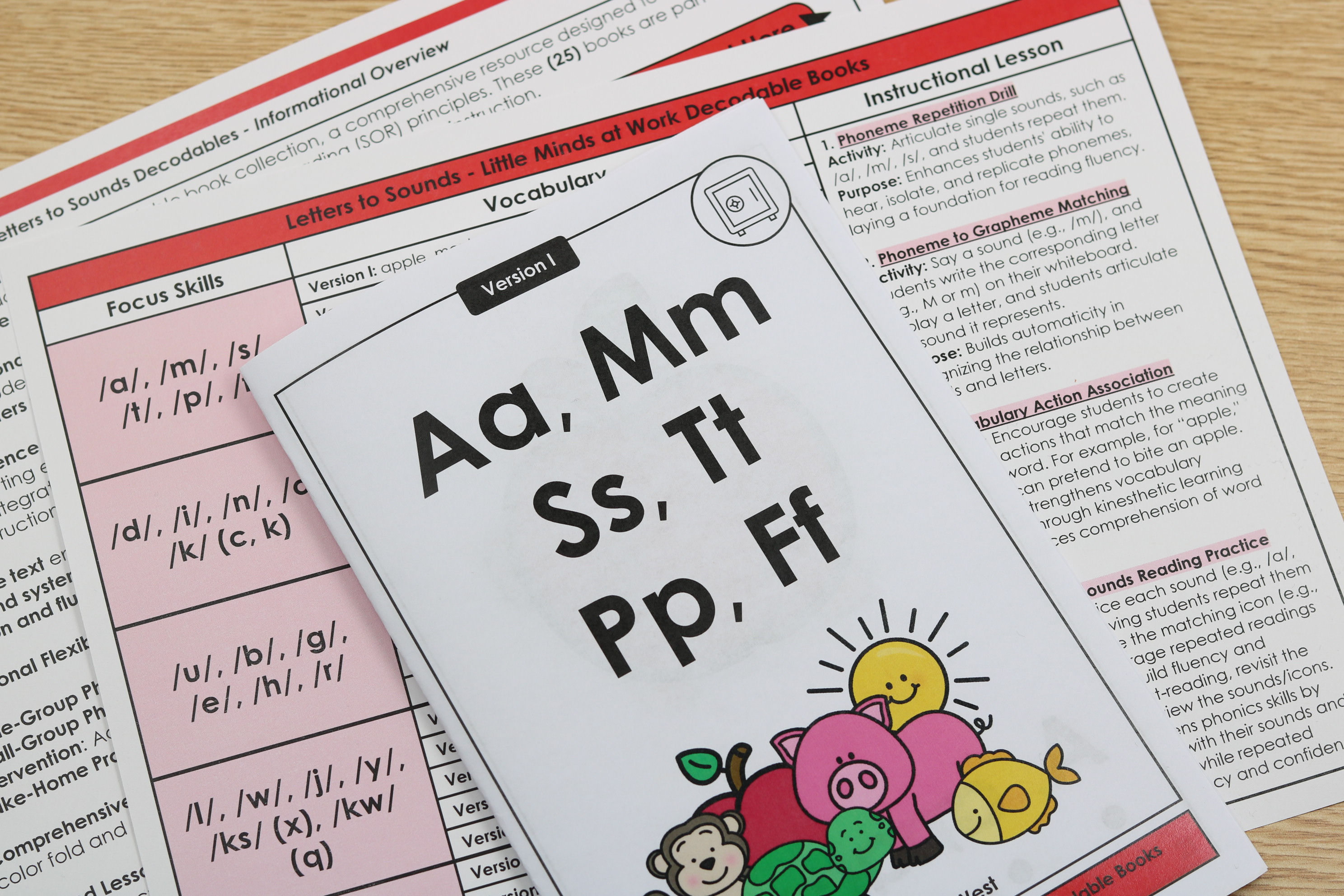
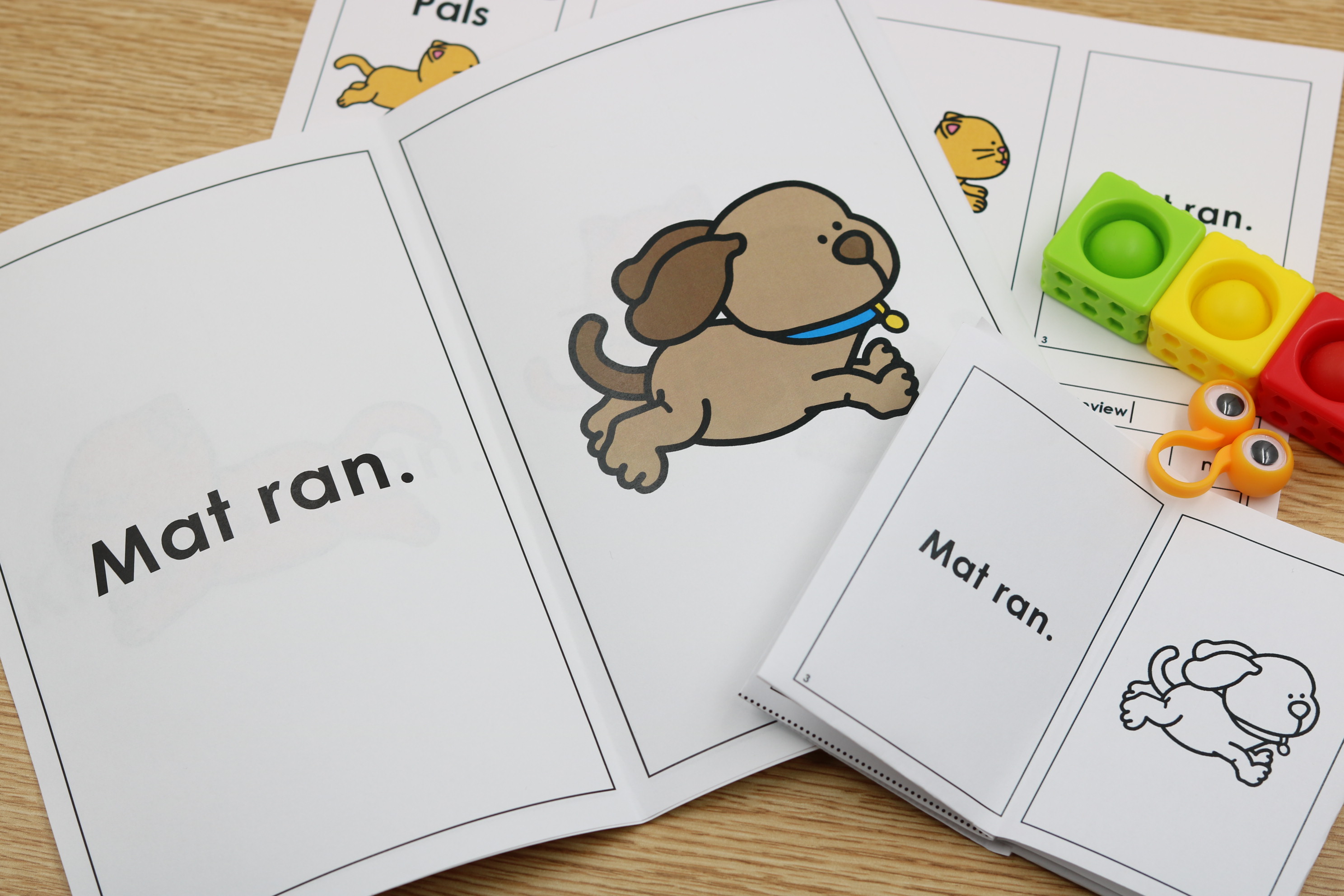
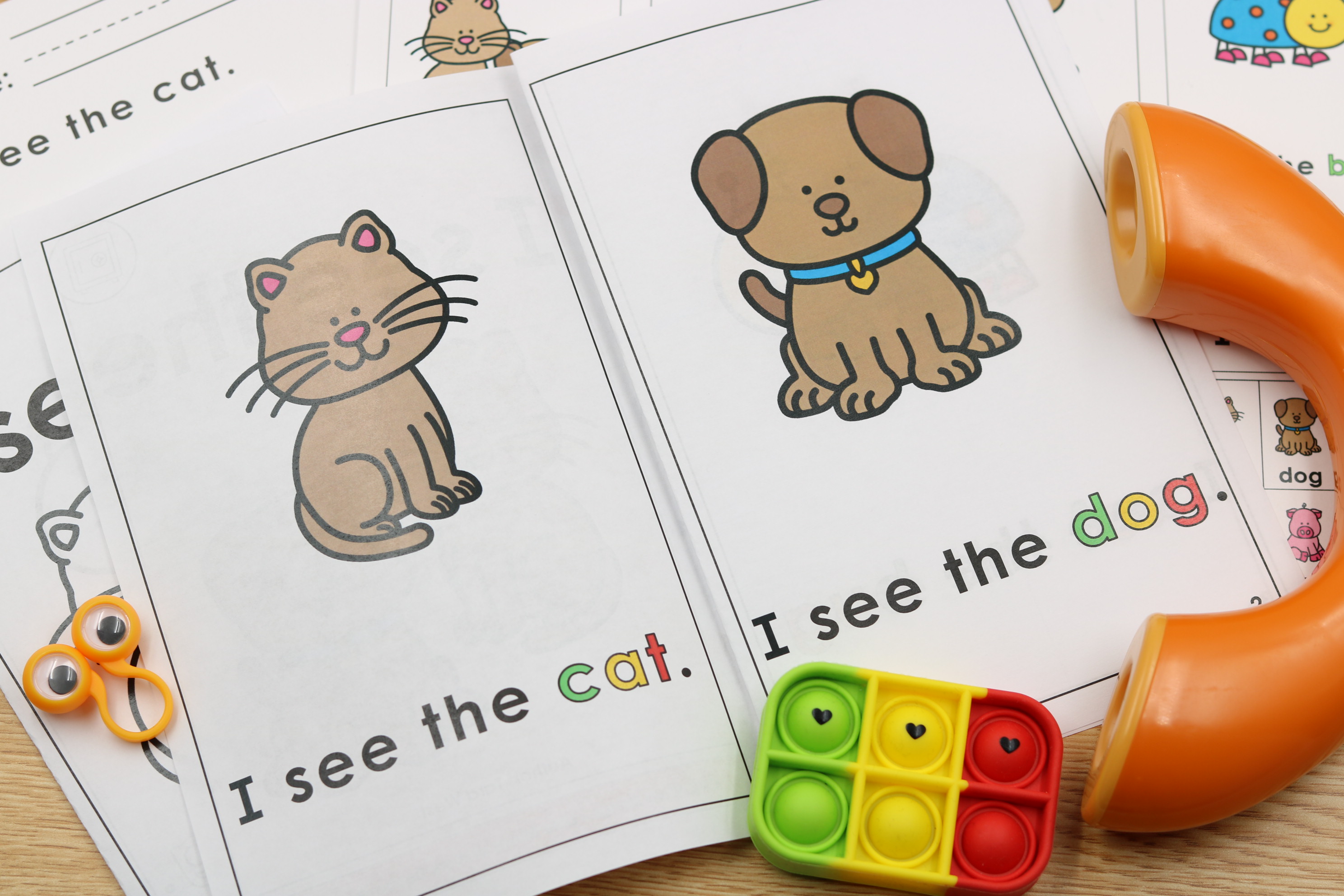
If you are seeing students stall between knowing sounds and reading words, this work matters. Strong readers are built through strong processes, not shortcuts. Scroll back up to listen to the full 30 minute PD where I model these routines step by step and explain what to listen for when blending breaks down. You will also want to explore the TpT decodable books below which are designed to meet students exactly where they are and bridge them from sound work into confident, successful reading.
TPT Letters to Sounds Decodables
TPT Sounds to Words Decodables
TPT CVC Beginning Decodables
TPT CVC Word String Decodables