Before They Can Write, They Need This
Can we talk about something I've been noticing more and more?
Every year, teachers are expected to get students writing sooner and sooner. We want them writing their names, labeling pictures, completing worksheets, and responding to prompts.
But here's the problem.
A lot of students aren't ready for the pencil yet.
I know that sounds strange, but hear me out.
That's Why Fine Motor Instruction Matters
When I listen to teachers, they share that they see so many students holding pencils with a fisted grasp. They're wrapping their whole hand around the pencil because they simply don't have the hand strength or control needed for a more mature grip yet.
And honestly? We can't blame them.
Many of these students need opportunities to build the muscles in their hands before they're expected to write for long periods of time.
It's kind of like asking a child to ride a bike before they've learned how to balance.
The writing isn't really the problem.
The foundation is.
⚠️To access free downloads click on the images.⚠️
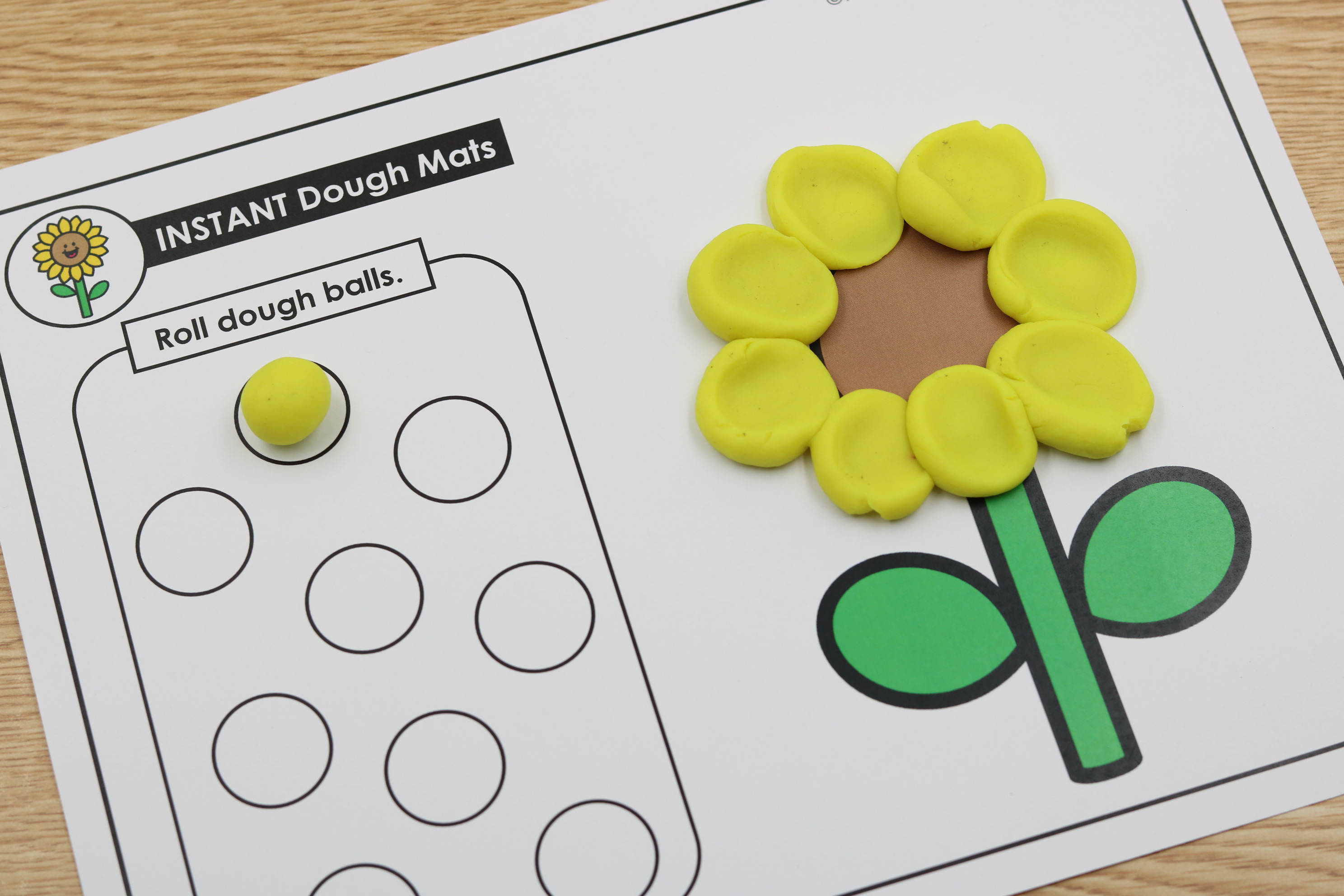
Free Dough Mats
Get little hands ready for learning with these free Roll and Explore Dough Mats. Students strengthen hand muscles, improve finger coordination, and build fine motor control as they roll, pinch, press, and shape dough to complete each activity. These hands-on mats provide an engaging way to develop the foundational skills needed for handwriting, cutting, coloring, and other classroom tasks.
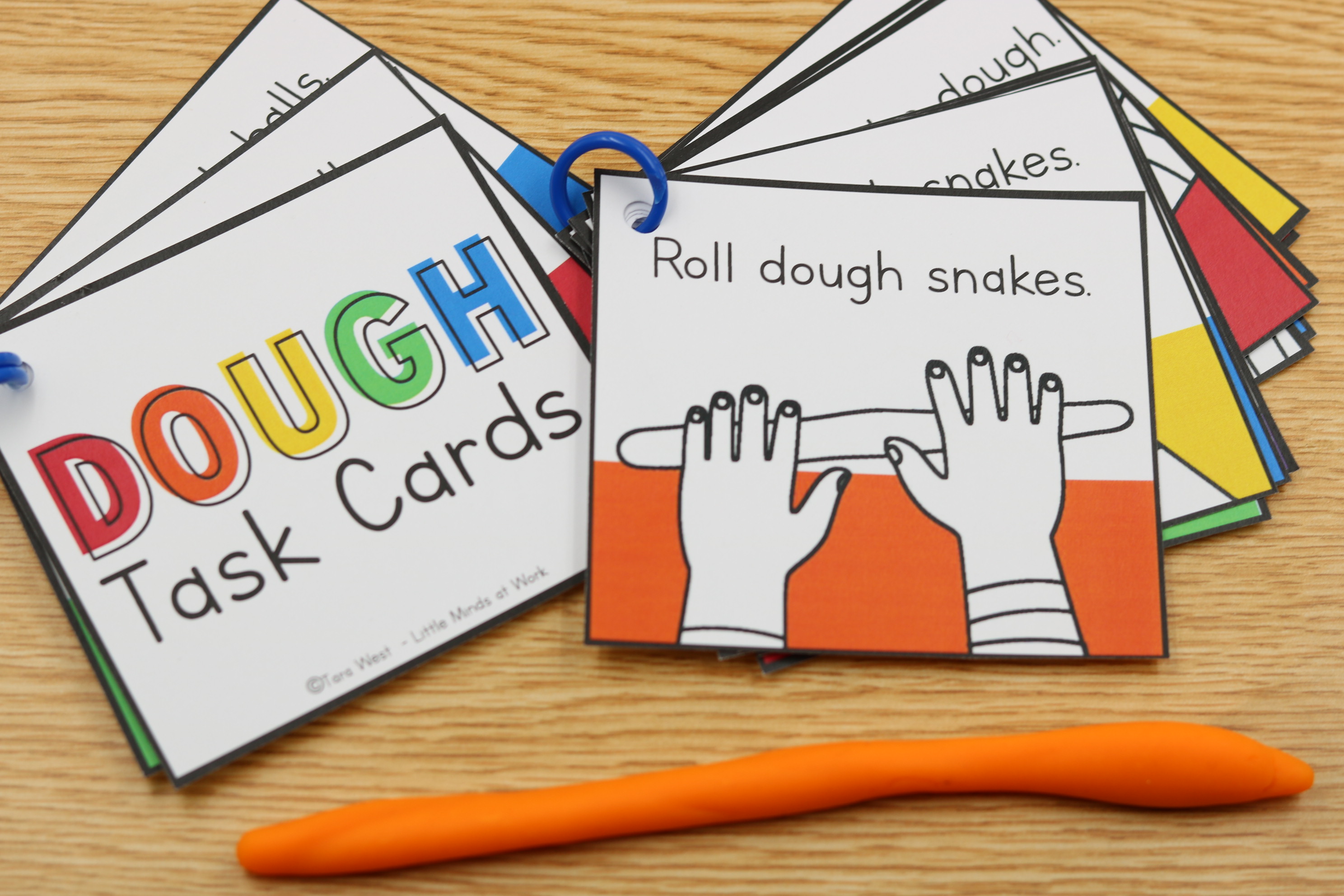
Free Dough Task Cards
These Dough Task Cards are one of my favorite low-prep ways to work on fine motor skills. Students use play dough to complete simple tasks like rolling dough snakes, pinching dough, flattening dough, cutting dough, and stacking dough balls. While students think they're playing, they're actually strengthening the hand muscles and finger control needed for writing, cutting, and everyday classroom activities.
Resource Spotlight: A Complete Year of Fine Motor Instruction
One thing I've learned over the years is that fine motor skills don't magically develop because we hand students a pencil.
They develop through intentional practice.
Students need opportunities to squeeze, stamp, tear, cut, pinch, paint, transfer, and manipulate materials long before they're expected to write sentences independently.
The challenge is that most teachers don't have time to create a year's worth of fine motor activities.
That's exactly why I created Fine Motor Lesson Routines + Activities.
I wanted something teachers could pull out and actually use without spending hours planning.
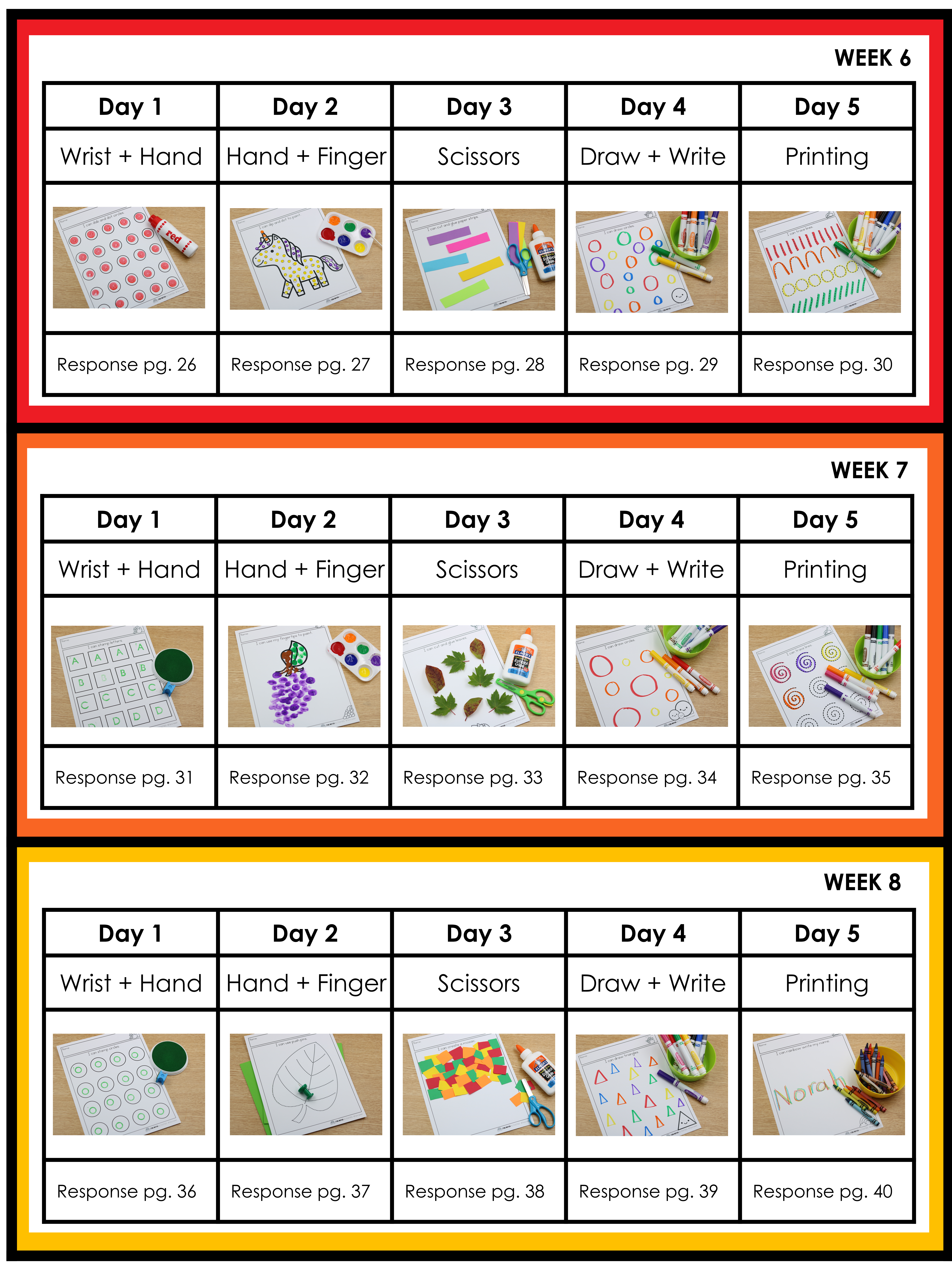
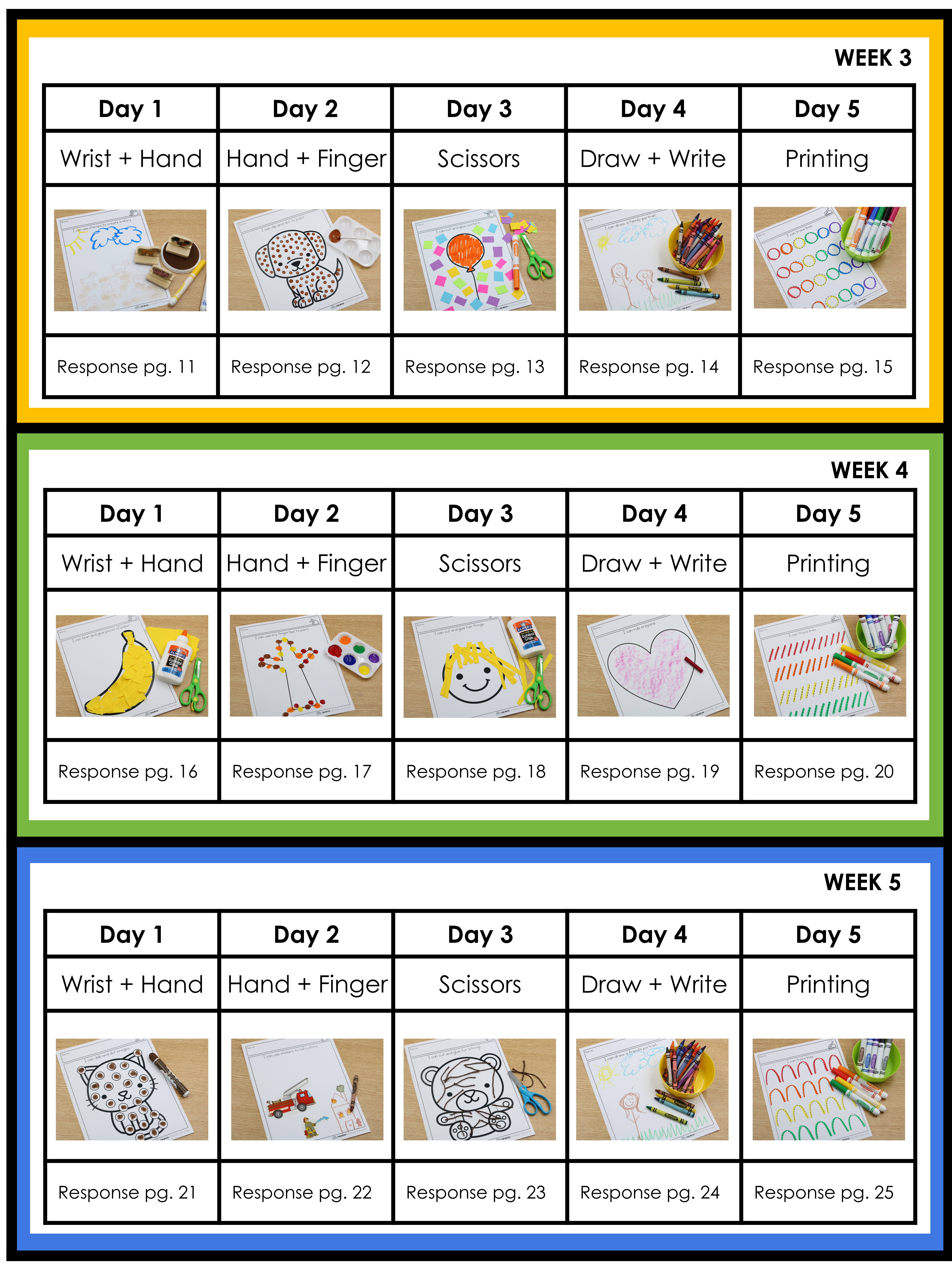
The resource includes 150 fine motor lessons and 150 activity pages that build skills throughout the entire year. Instead of random activities here and there, students work through a progression that helps strengthen the exact skills they need for writing success.
The lessons focus on:
• Wrist and hand development
• Hand and finger strength
• Scissor skills
• Drawing and writing
• Printing practice
Everything is already planned, organized, and ready to use.
Whether you're using it during centers, morning work, intervention time, or whole group instruction, the goal is the same: helping students build stronger hands so writing becomes easier.
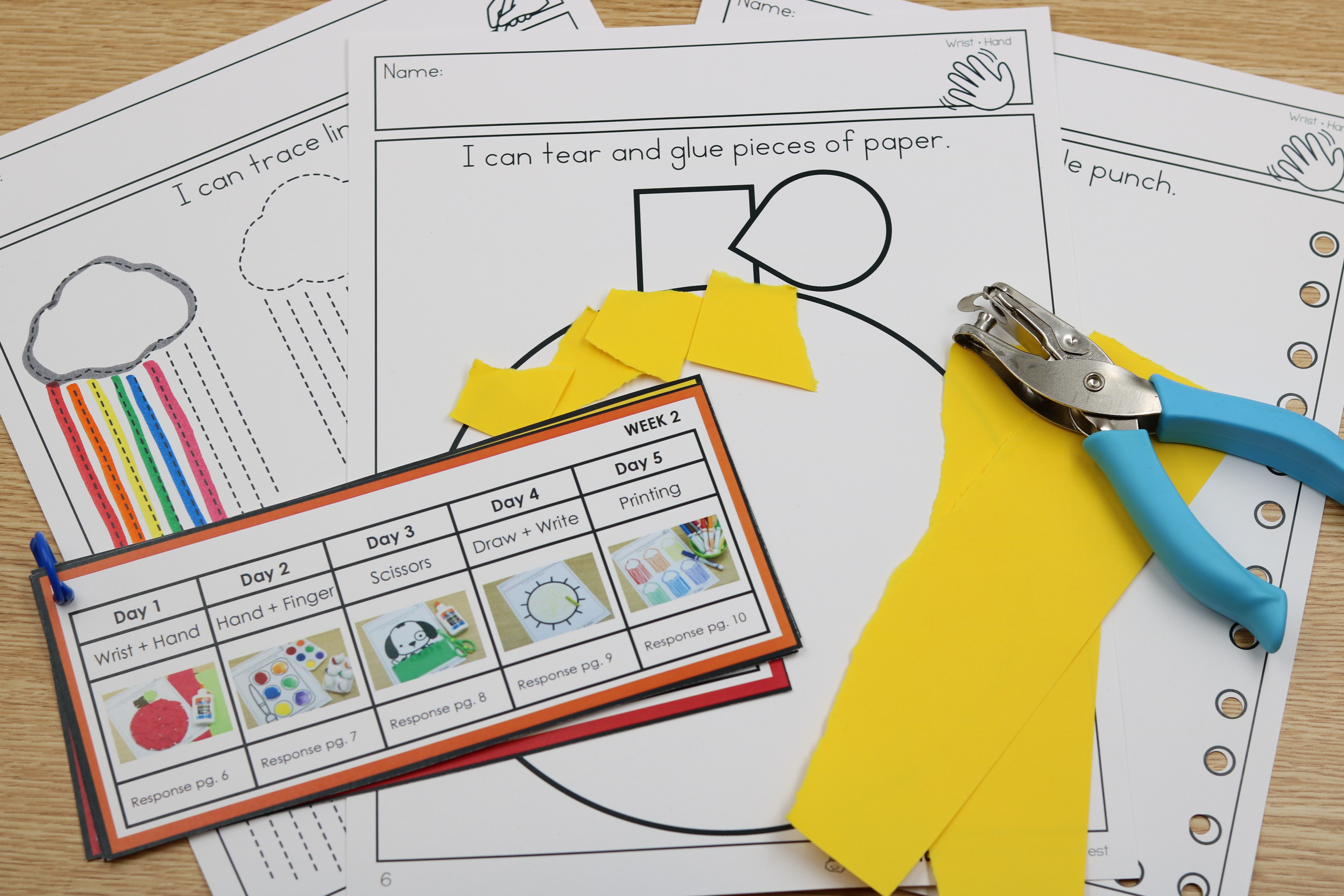
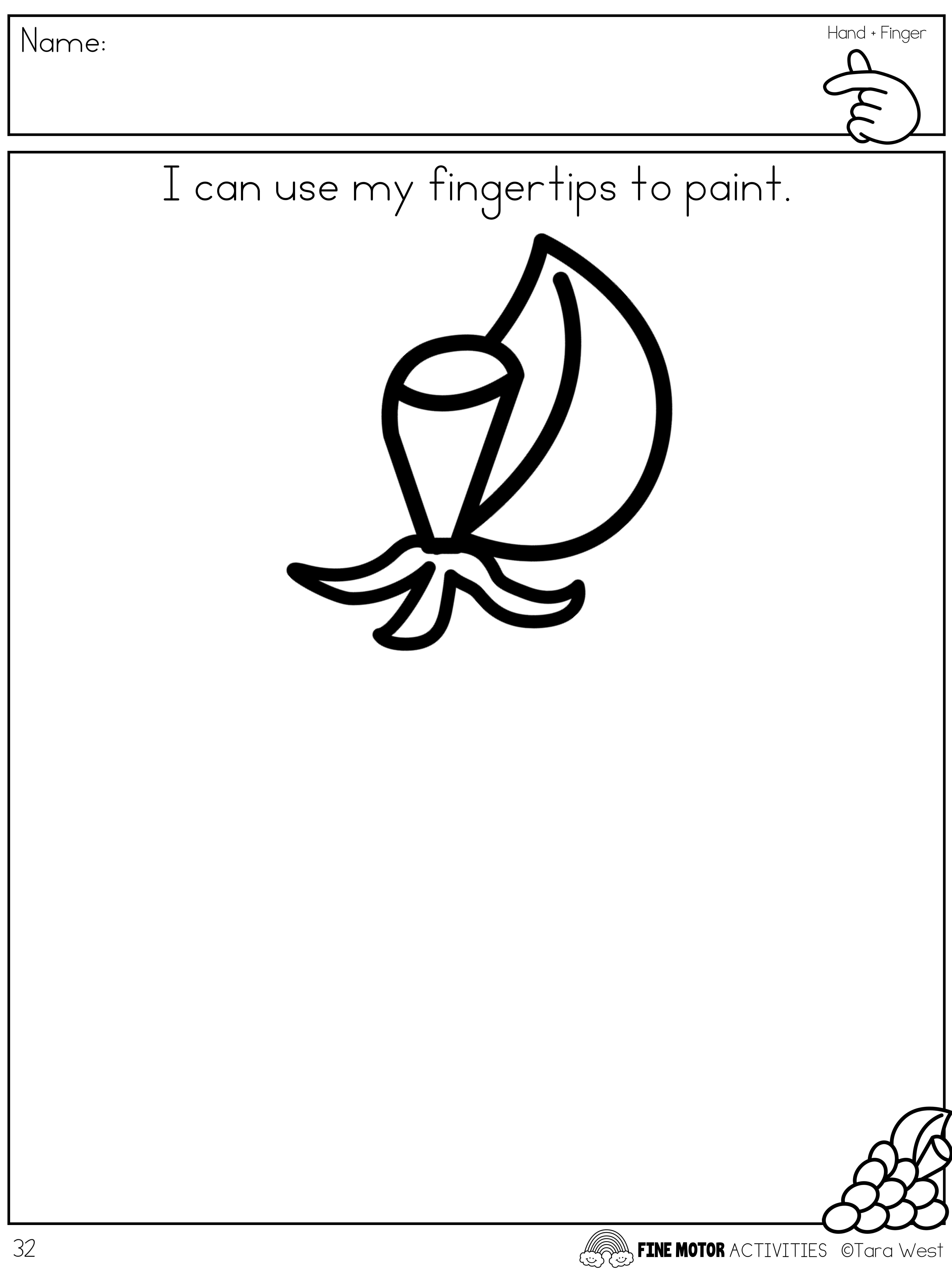
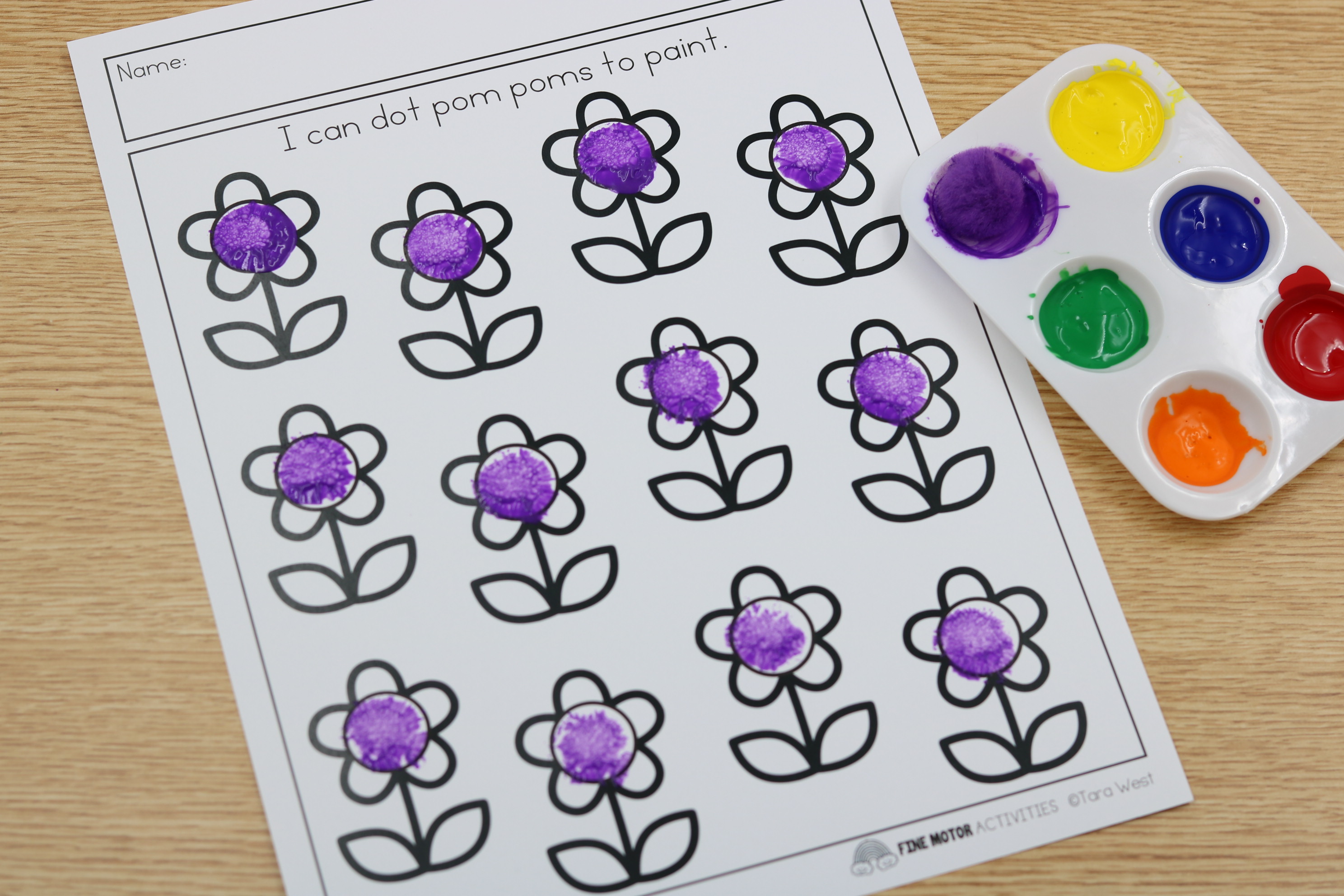
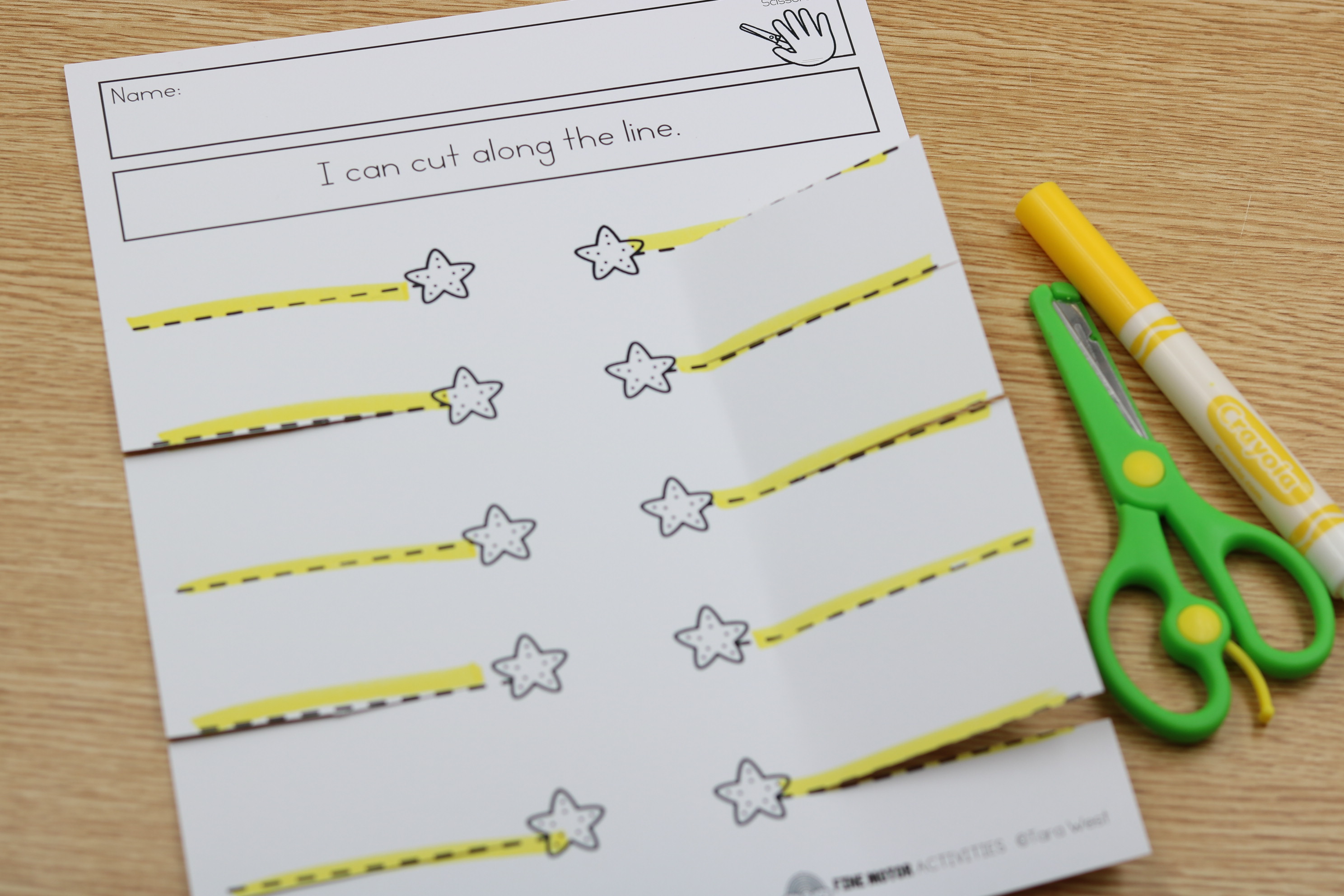
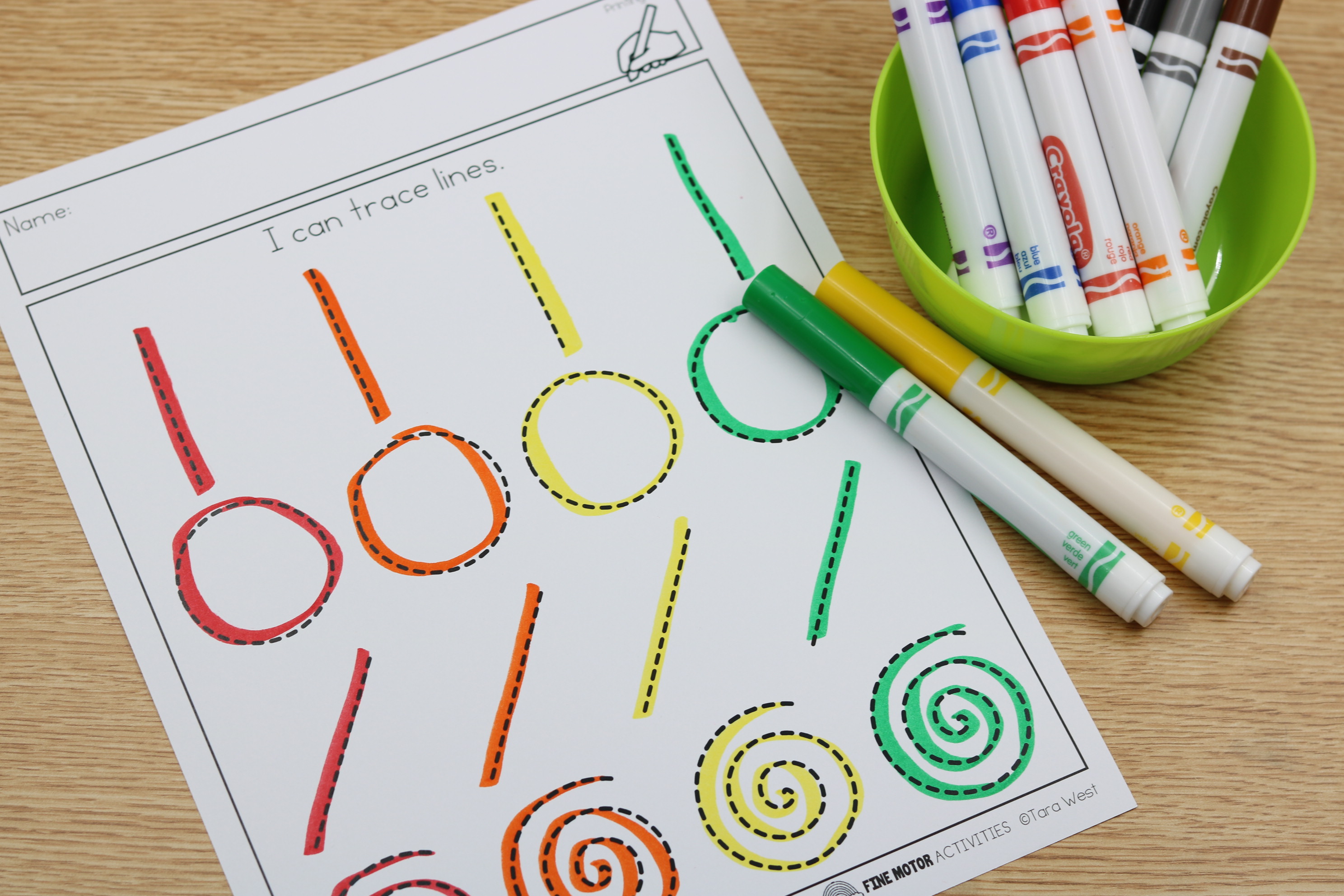
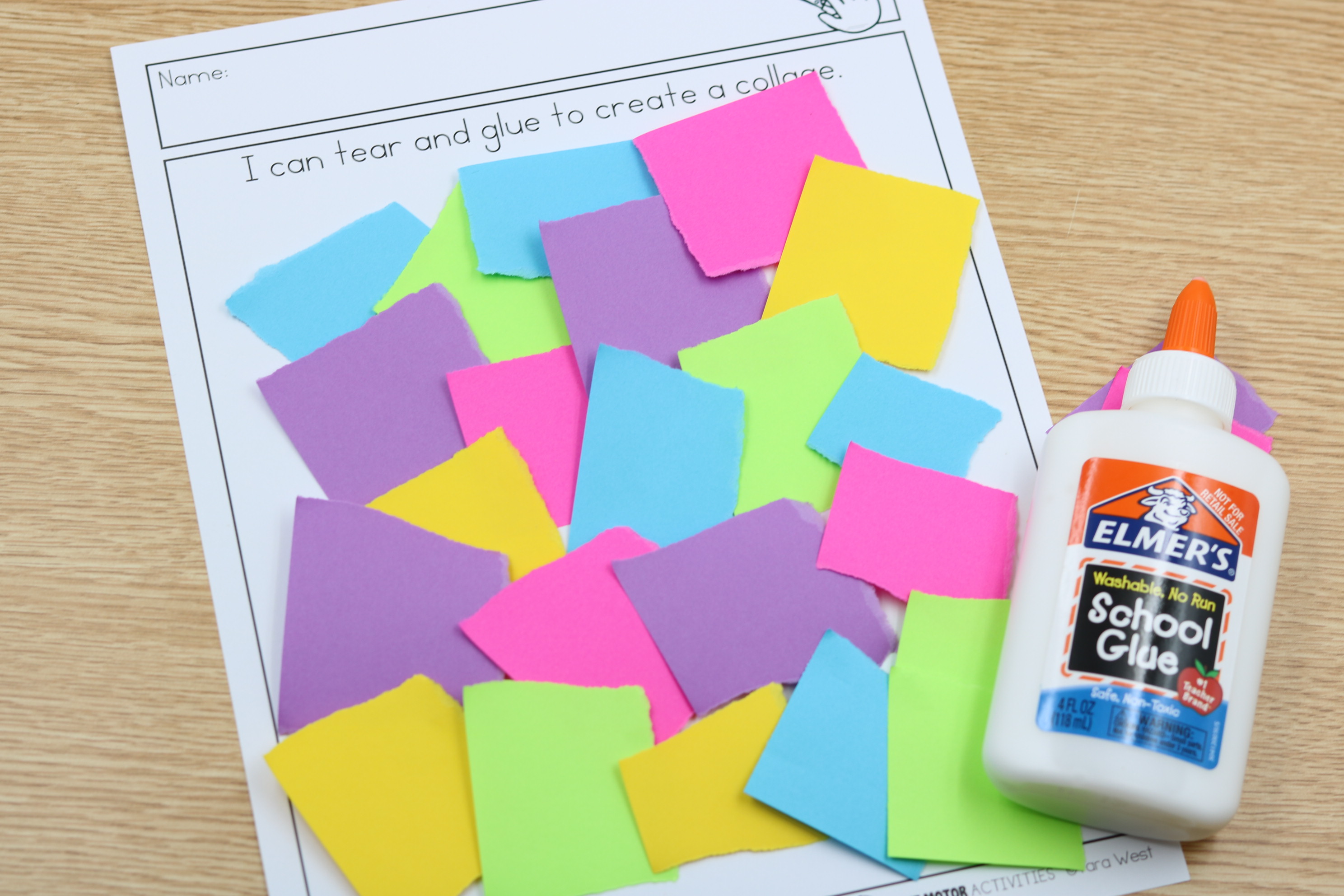
Take a peek inside the Fine Motor Lessons + Activities resource. Each lesson focuses on one of five key skill areas: wrist and hand development, hand and finger development, scissor skills, drawing and writing, or printing practice, helping students build strong fine motor foundations throughout the year.
Fine Motor Lessons & Activities for the Year | Stamping, Cutting, Squeezing
Little hands will love these big-time fine motor wins! With a full year of cutting, tracing, and handwriting practice, this bundle makes building fine motor skills fun, easy, and developmentally appropriate for your youngest learners. 👉 View the Fine Motor Lessons + Activities HERE.
What Pencil Grips Are Really Telling Us
One of the biggest mistakes we make is focusing on the pencil grip itself. We see a student holding a pencil incorrectly and immediately try to fix the grip. But often the grip isn't the real issue. Weak hands are the issue. If a student doesn't have the strength needed to control a pencil, changing how they're holding it won't solve the problem. They need opportunities to strengthen the muscles first.
That's why activities that involve squeezing, pressing, punching, pinching, and manipulating objects are so important. We're not just keeping students busy. We're helping them build the muscles they'll need every time they pick up a pencil.
Free Fine Motor Mats
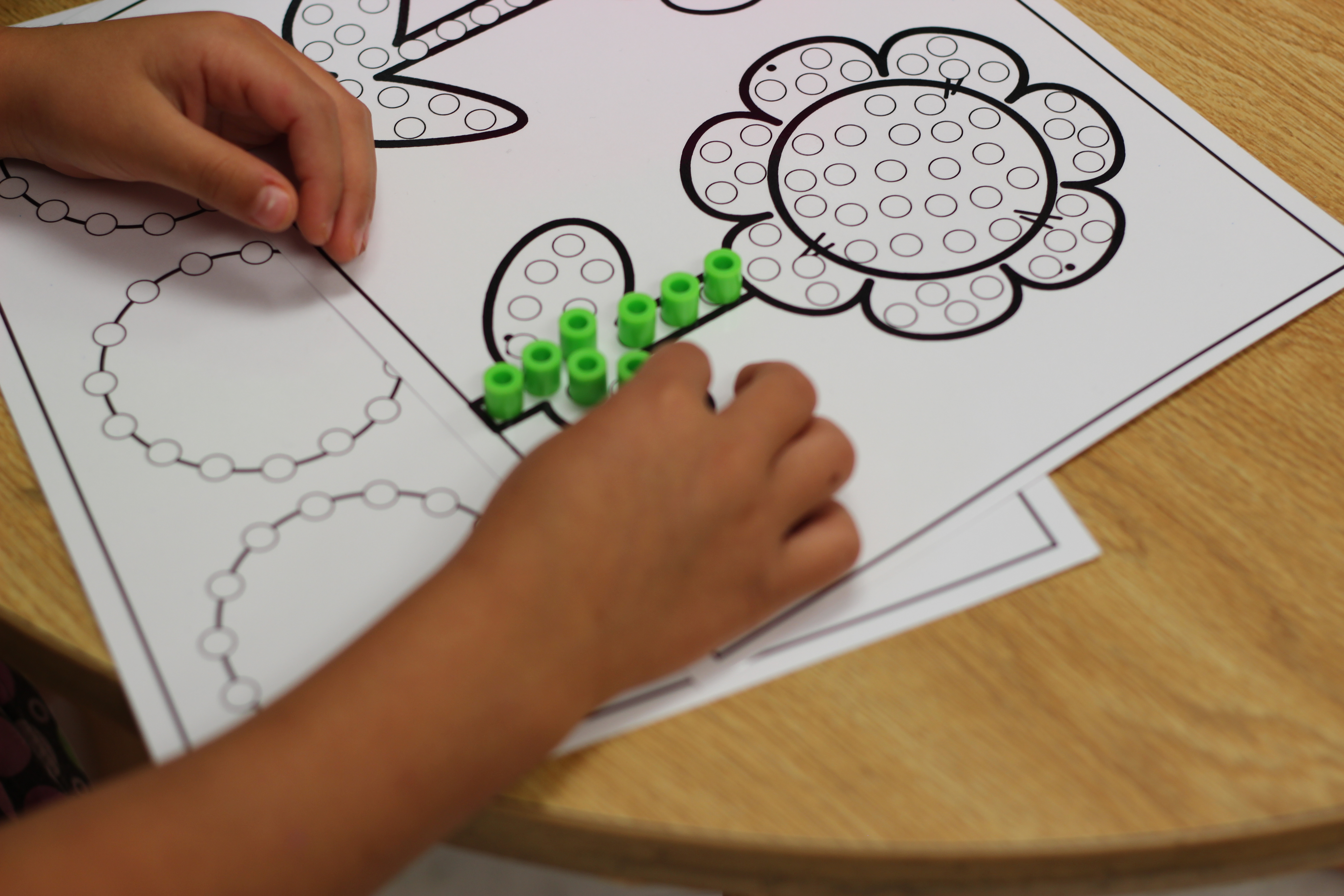
Put those jumbo perler beads to work. These free Fine Motor Mats give students a fun reason to pick up, place, and manipulate small beads while strengthening finger muscles, developing pincer grasp, and improving hand control. Perfect for fine motor centers, morning tubs, or independent practice.
Free Fine Motor Activities
Need a quick fine motor center? These free Fine Motor Activities give students hands-on practice with skills like pinching, placing, sorting, and manipulating small objects. They're simple to prep, easy to use, and help strengthen the muscles students need for writing success.
Strong Hands Build Strong Writers
Think about how much work a child's hand does during the school day.
They're coloring.
They're cutting.
They're gluing.
They're building.
They're writing.
They're opening containers.
They're turning pages.
They're zipping jackets.
Their hands are constantly working. The stronger those muscles become, the easier all of those tasks feel. That's why I always encourage teachers to make fine motor practice part of the daily routine rather than something that only happens once in a while. Little bits of practice add up.
Free Fine Motor Dough & Magnet Mats
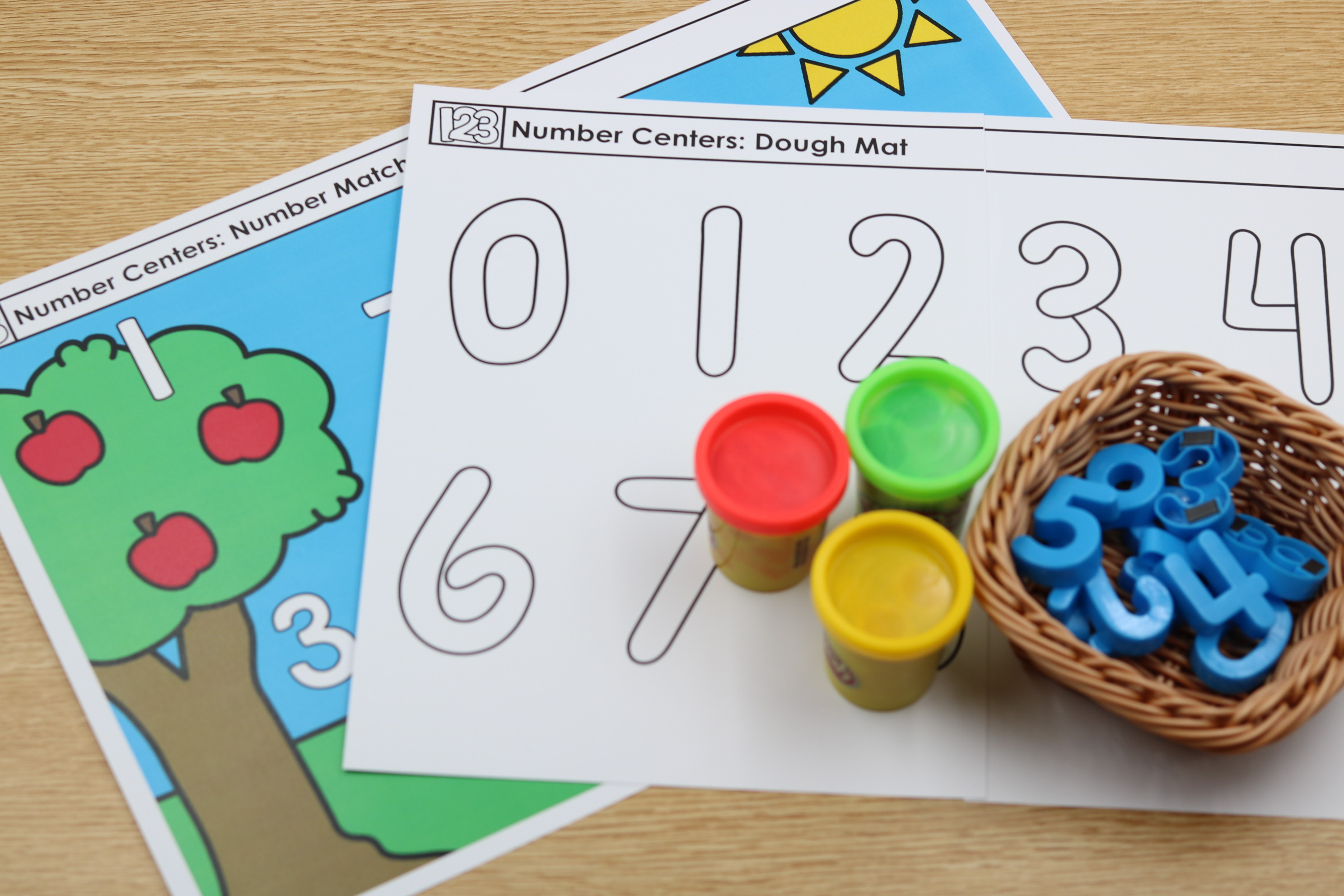
Combine fine motor practice with early math skills using these free Dough & Magnet Mats. Students build numbers, shapes, and math concepts with play dough or magnets while strengthening hand muscles, finger control, and coordination. A fun, hands-on way to sneak fine motor practice into your math block.
Free Apple Tree Fine Motor Sort
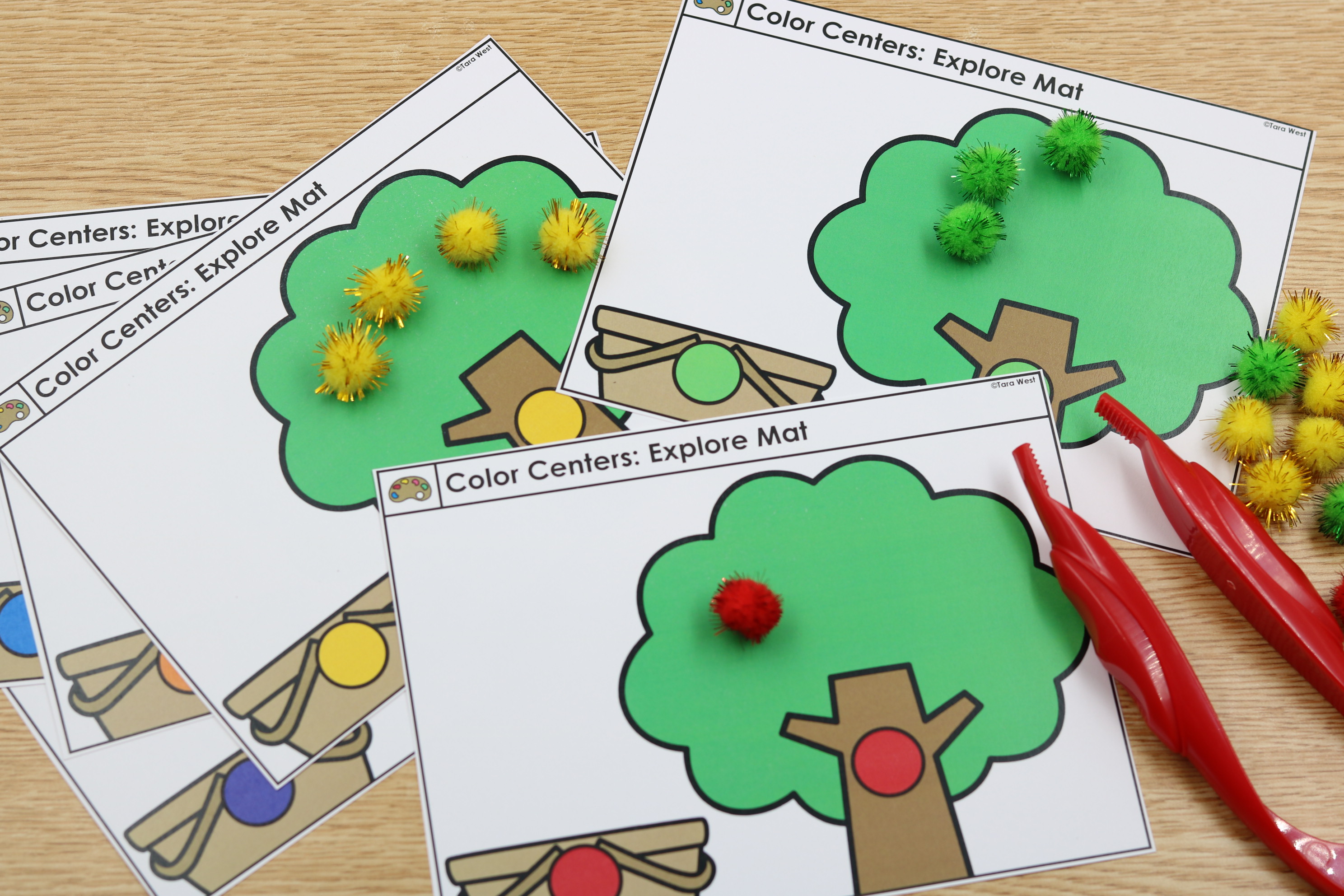
Strengthen fine motor skills while sorting by color. In this free Apple Tree Fine Motor Sort, students pick up and place small objects (fuzzy poms) onto the matching trees, building pincer grasp, hand control, and sorting skills at the same time. This fine motor activity is perfect for centers, morning tubs, or small-group practice.
The Fine Motor Skill Most People Never Talk About
Can I share one of my favorite fine motor facts? Students need to learn how to stabilize one side of their hand before they can efficiently move the other side. Think about writing. When students write, their pinkie and ring finger help stabilize the hand while the thumb, index finger, and middle finger do the work.
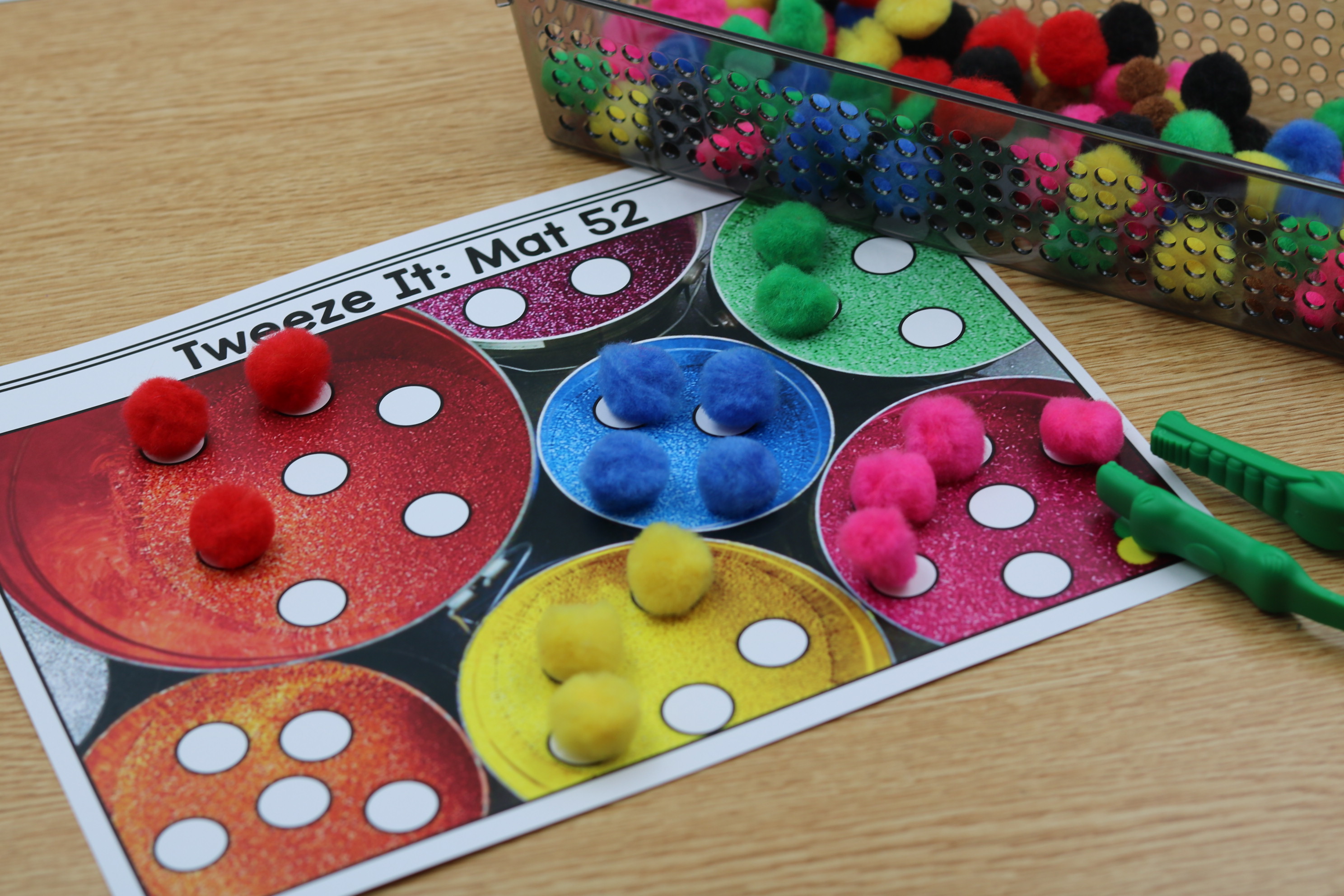
That separation is incredibly important. The same thing is true with in-hand manipulation. Students need opportunities to move objects around within their hand without using the other hand to help. These are skills many adults never think about, but they have a huge impact on writing. Activities that involve transferring objects, moving pom-poms, using tweezers, or manipulating small materials all help develop these important movements.
Free Alphabet Pony Bead Builders
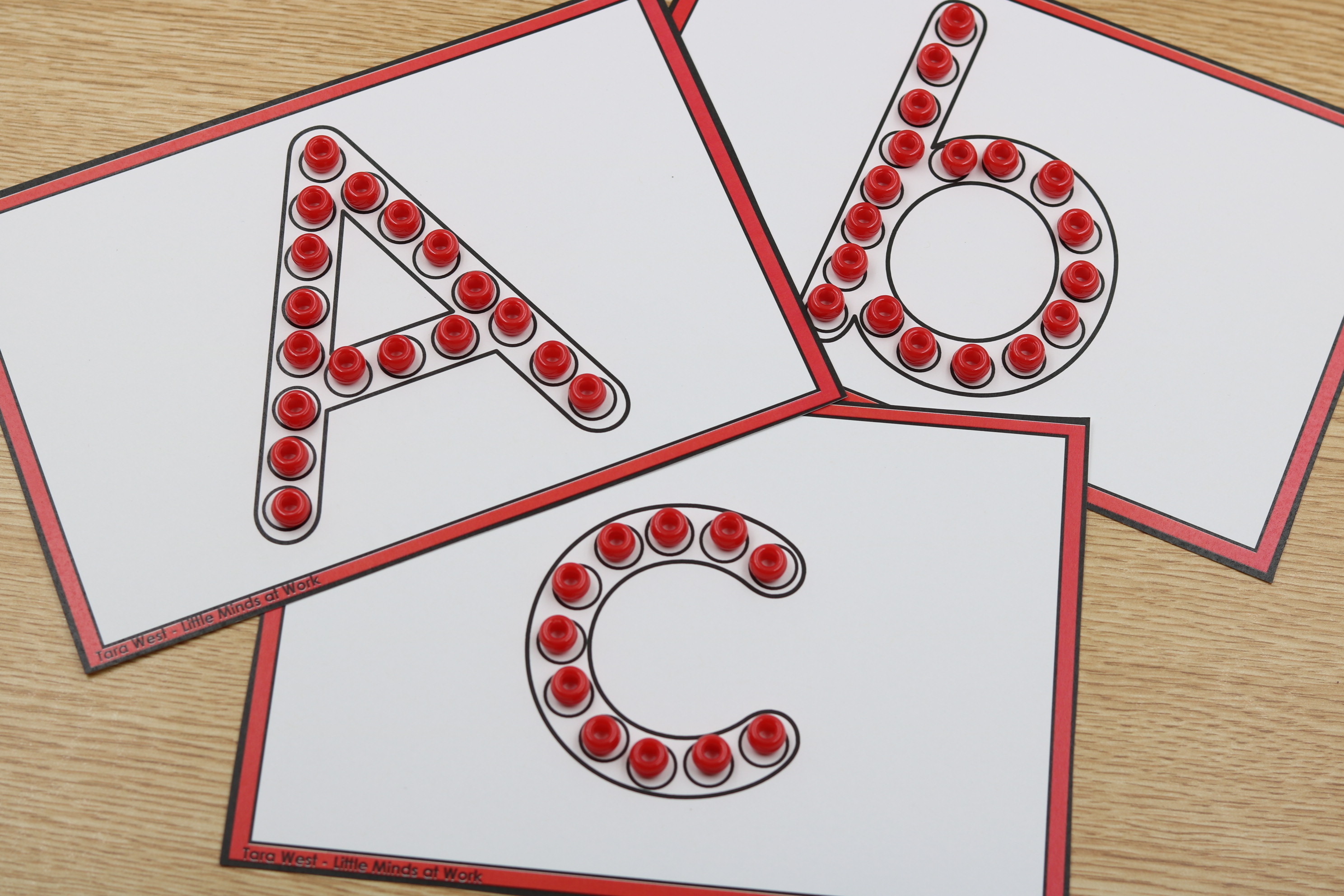
These free Alphabet Pony Bead Builders are a fun way to strengthen the small muscles needed for writing. As students gather, hold, and place pony beads to build each letter, they practice pincer grasp, hand control, and in-hand manipulation. Students must stabilize one side of the hand while using the thumb and fingers to move and position the beads, helping develop the same movements needed for efficient handwriting.
Free Number Pony Bead Builder Cards
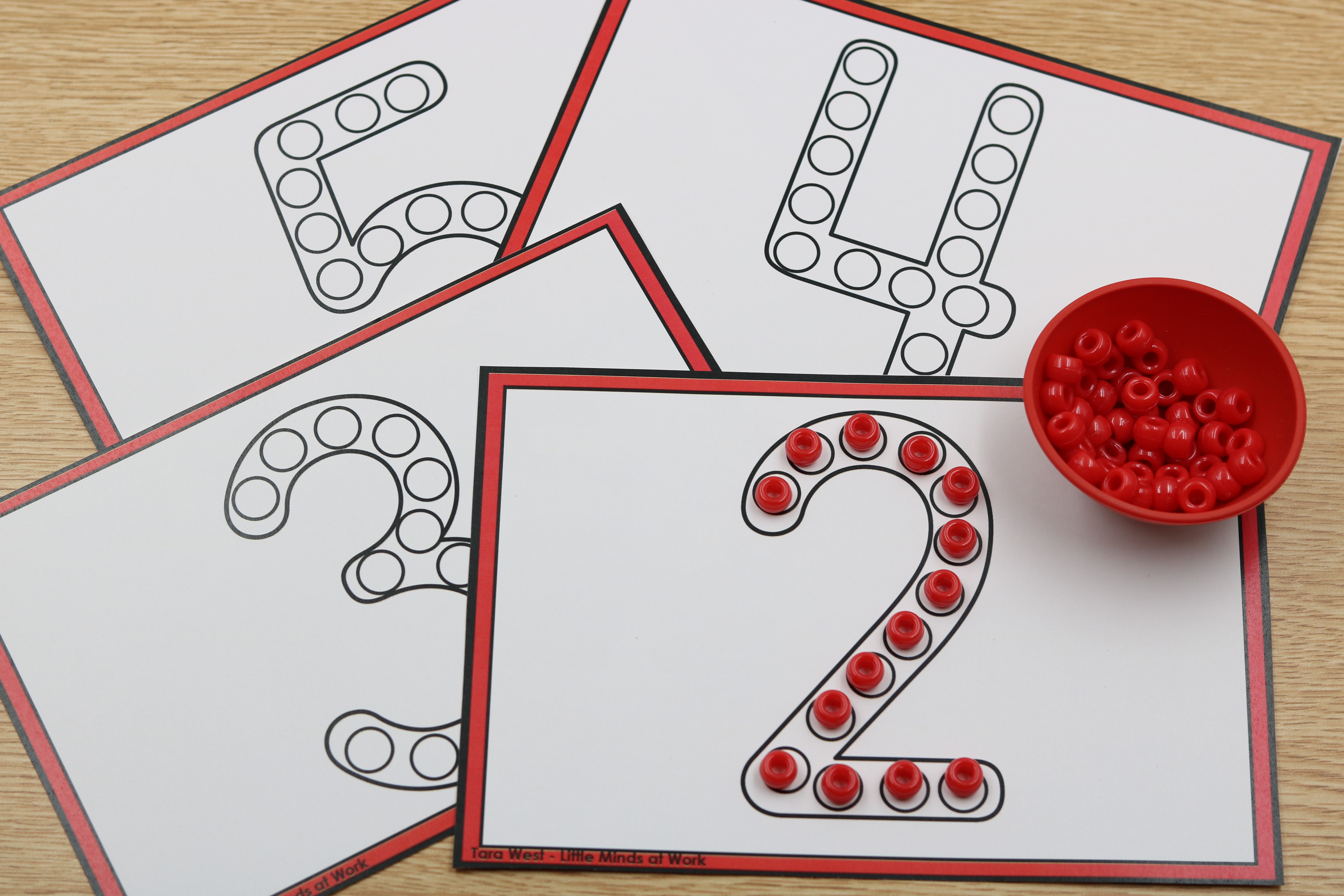
These free Number Pony Bead Builder Cards help students strengthen fine motor skills while practicing number recognition. As students gather, hold, and place pony beads to build each number, they work on pincer grasp, in-hand manipulation, and hand stability. The repetitive movement of moving beads within the hand and positioning them with the fingers helps develop the control and coordination needed for writing.
Fine Motor Transfer
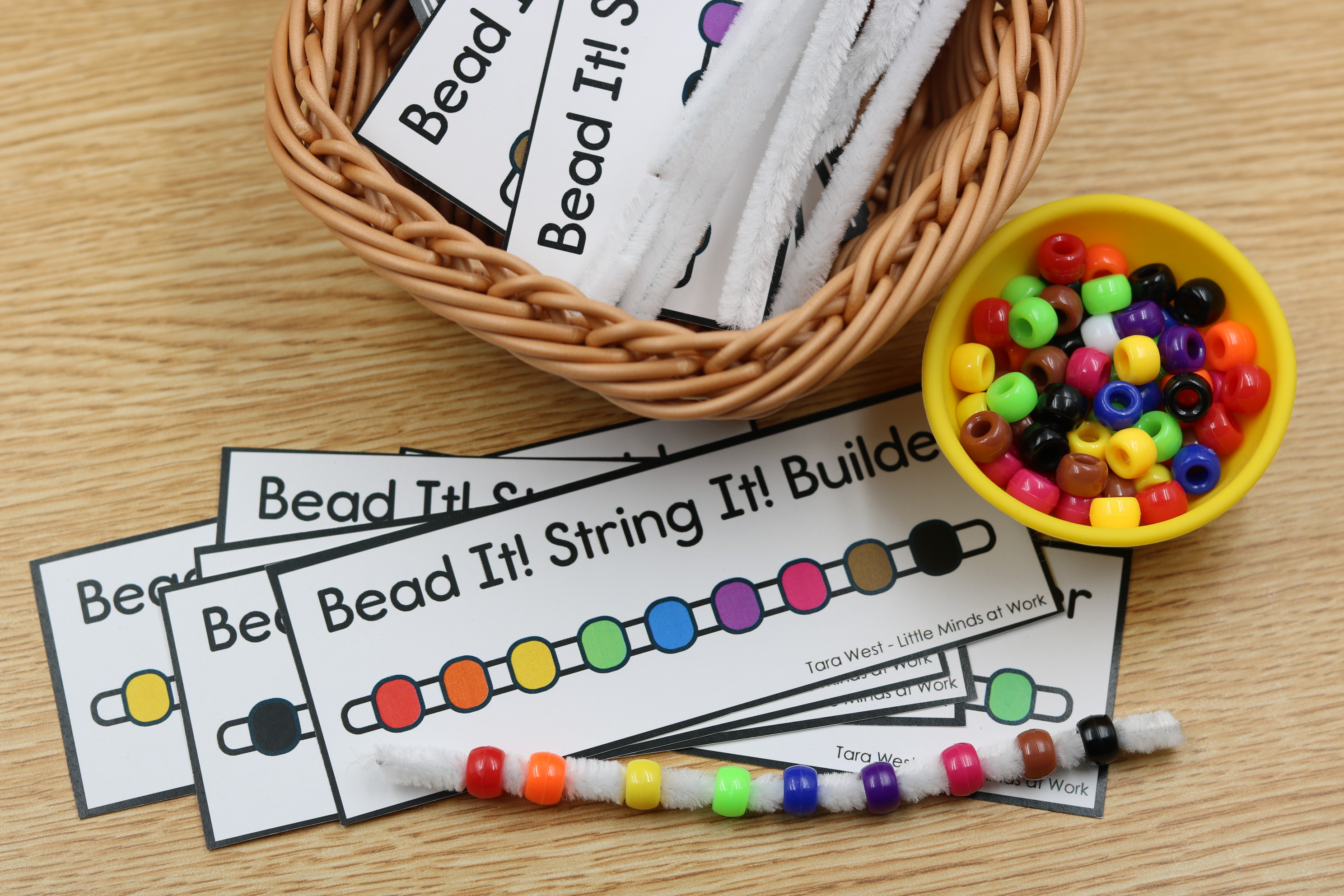
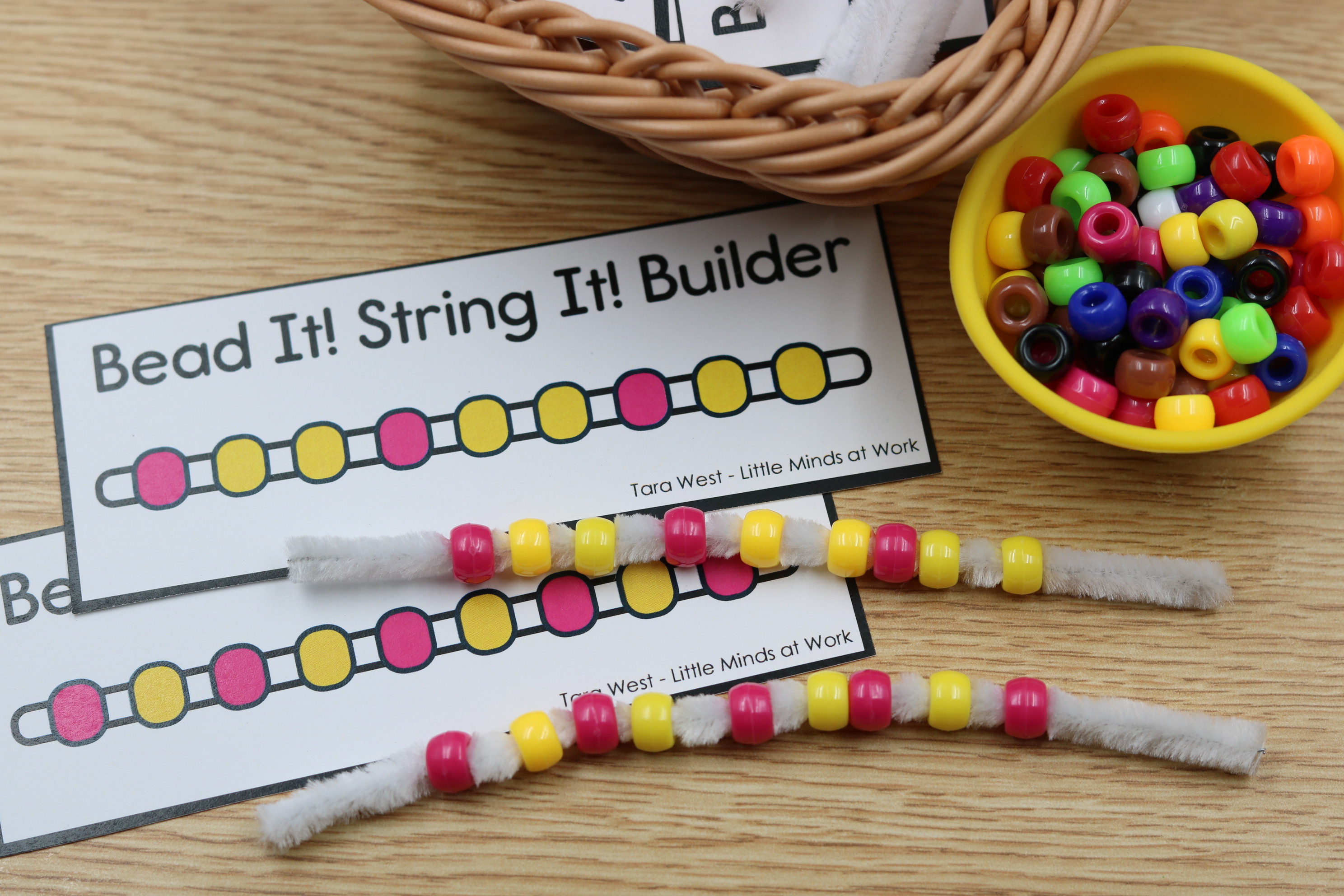
Build finger strength and coordination as students use a pincer grasp to pick up each pony bead, transfer it from their fingertips into their hand, and then slide the beads onto the pipe cleaner to match the pattern. This simple hands-on activity strengthens the small muscles needed for handwriting while building hand-eye coordination, bilateral coordination, and fine motor control through playful practice. 👉Access the free download HERE.
Let's Talk About Scissors
Scissor skills are another area where we sometimes expect too much too soon. Many students are handed scissors and expected to know exactly what to do. But cutting is a skill that develops over time.
Students need opportunities to tear paper.
Then snip.
Then cut straight lines.
Then curves.
Then shapes.
Like everything else, cutting improves with practice.
The good news is that students love these activities, which means they're often willing to practice much longer than they would with traditional handwriting work.
Free Pip the Pup Cutting Practice Pages
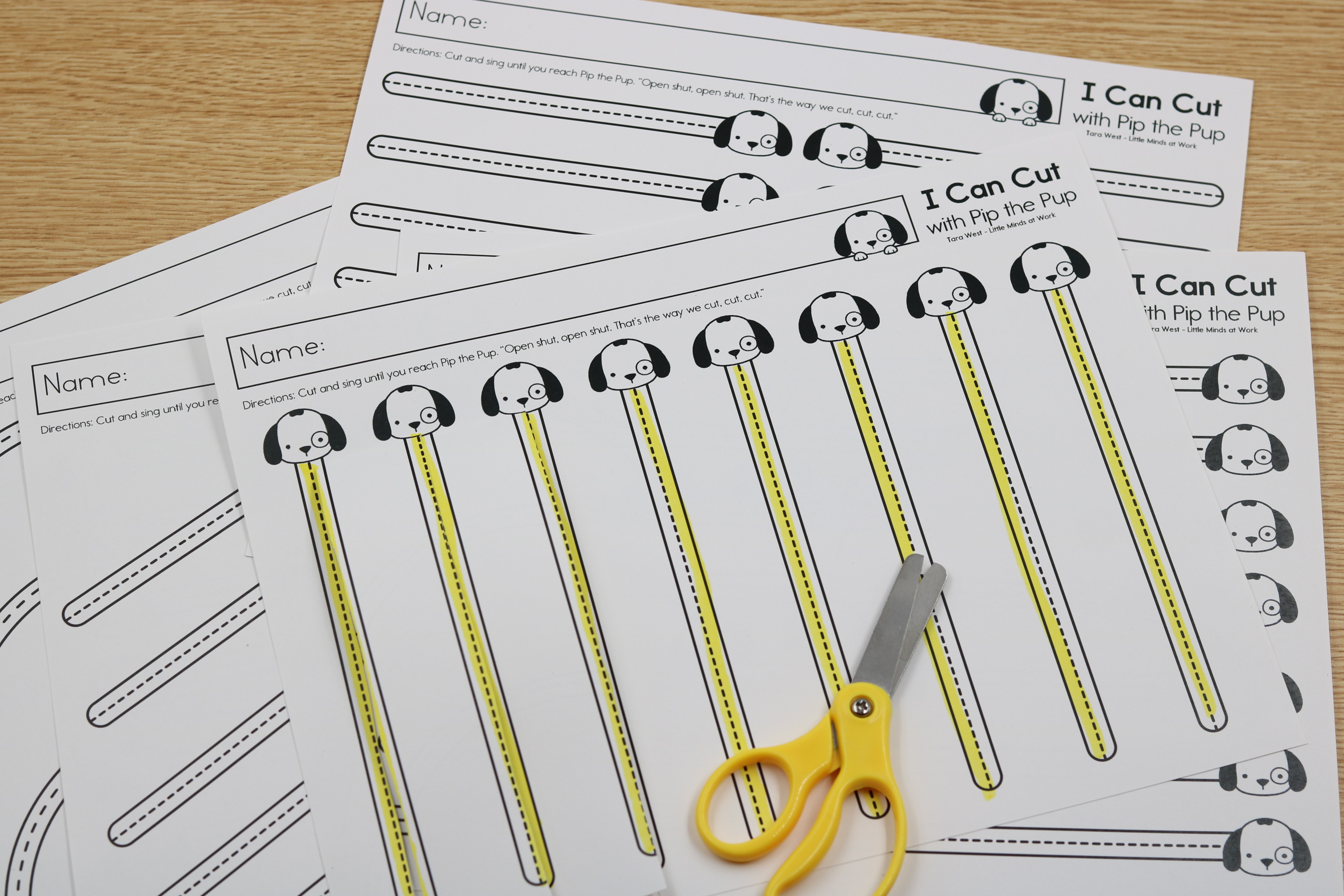
Help students build confidence with scissors using these free Pip the Pup Cutting Practice Pages. Students progress through cutting lines and simple paths while developing the hand strength, coordination, and control needed for more advanced cutting tasks. These pages provide meaningful practice with opening and closing scissors, helping students strengthen an important fine motor skill that supports classroom independence. 👉Download the free download HERE.
Before students can confidently cut curves, shapes, and classroom projects, they need plenty of opportunities to practice the basics. These free cut-and-sort activities make scissor practice purposeful by combining essential cutting skills with literacy and math learning.
Free Alphabet Letter Sort Worksheets
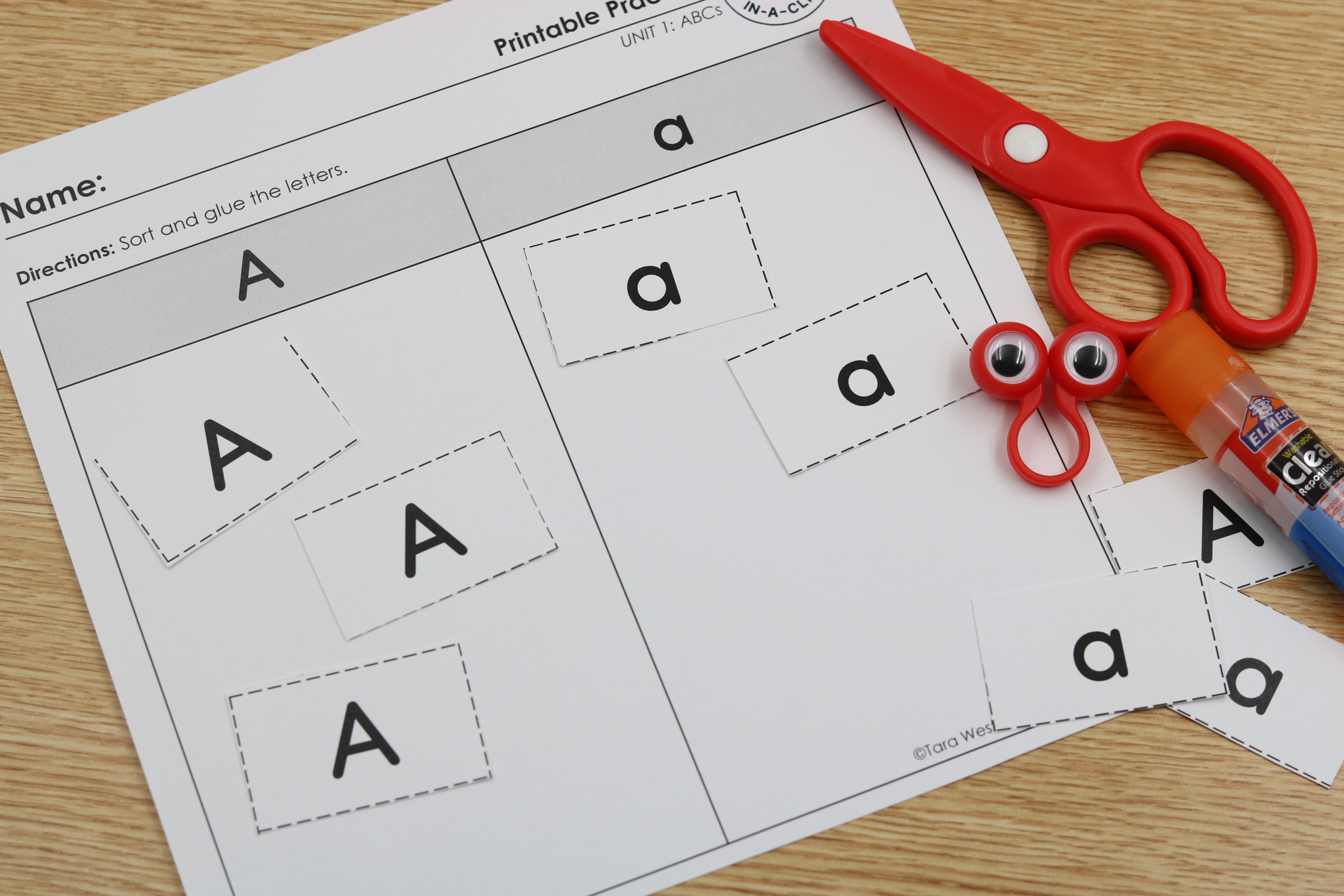
Looking for meaningful scissor practice? These free Alphabet Letter Sort Worksheets give students opportunities to cut straight lines, navigate around shapes, and build cutting control before moving into more complex cutting tasks. As students cut, sort, and glue the letters, they strengthen hand muscles, improve scissor coordination, and develop the control needed for future classroom projects.
Free Number Sense Cut and Sort Sheets
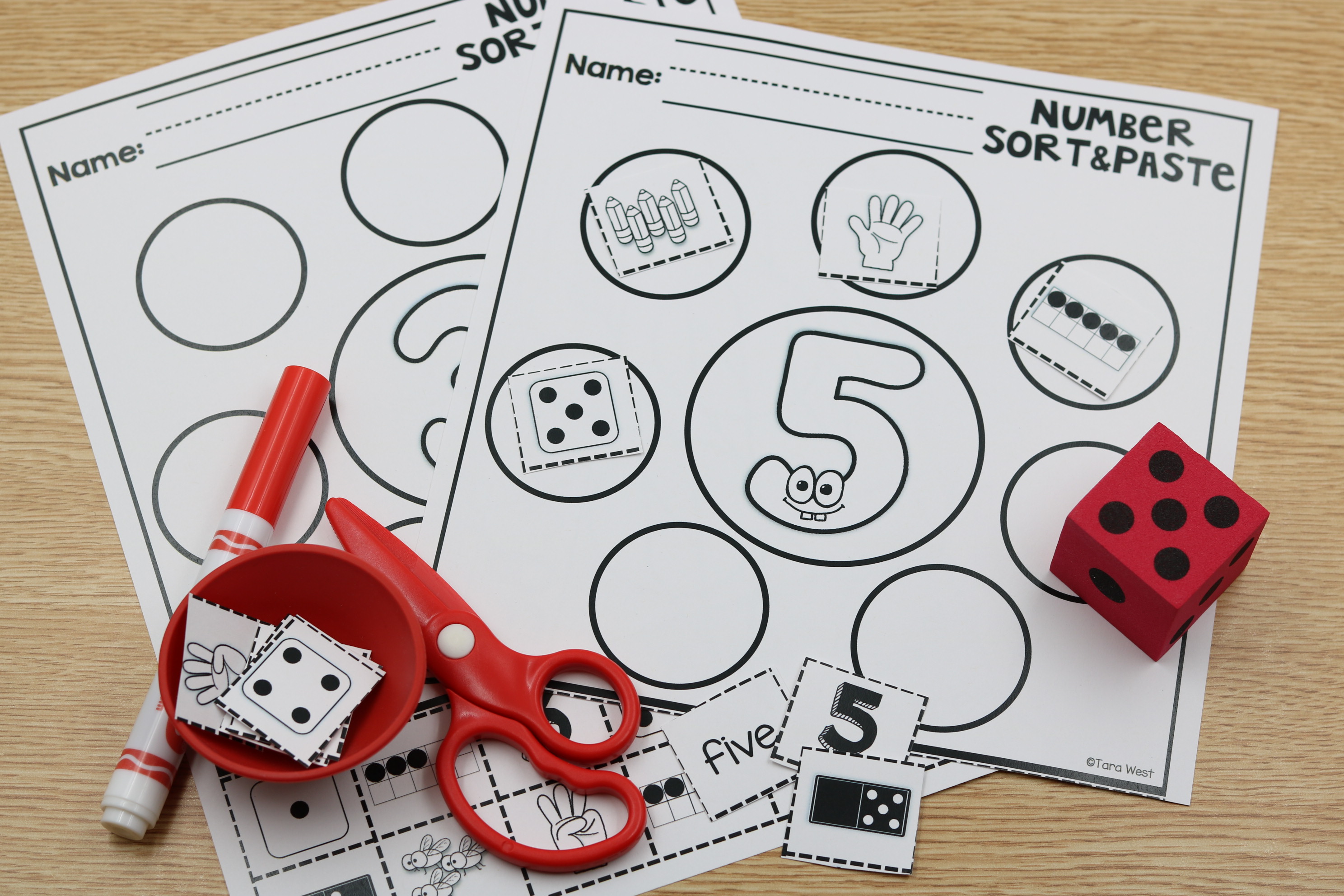
Give students meaningful scissor practice with these free Number Sense Cut and Sort Sheets. As students cut apart number pieces, navigate straight lines, and glue items into the correct spaces, they strengthen scissor control, hand strength, and bilateral coordination. These hands-on activities provide purposeful cutting practice while reinforcing important number sense skills at the same time.
Looking for More Fine Motor Practice?
If you're looking for additional fine motor practice beyond the lessons, that's where fine motor centers can be really helpful. Some of my favorites focus on specific hand-strengthening skills.
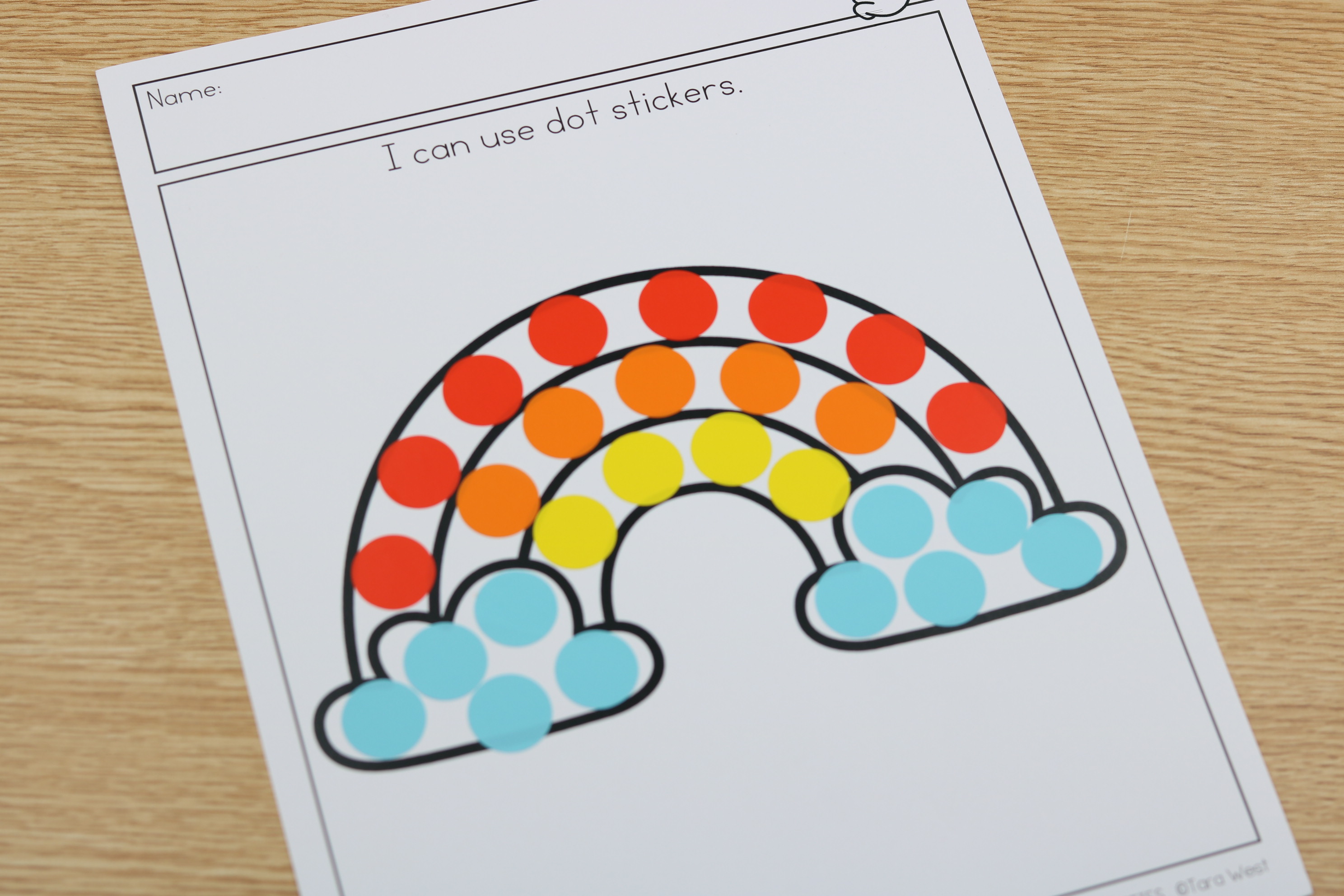
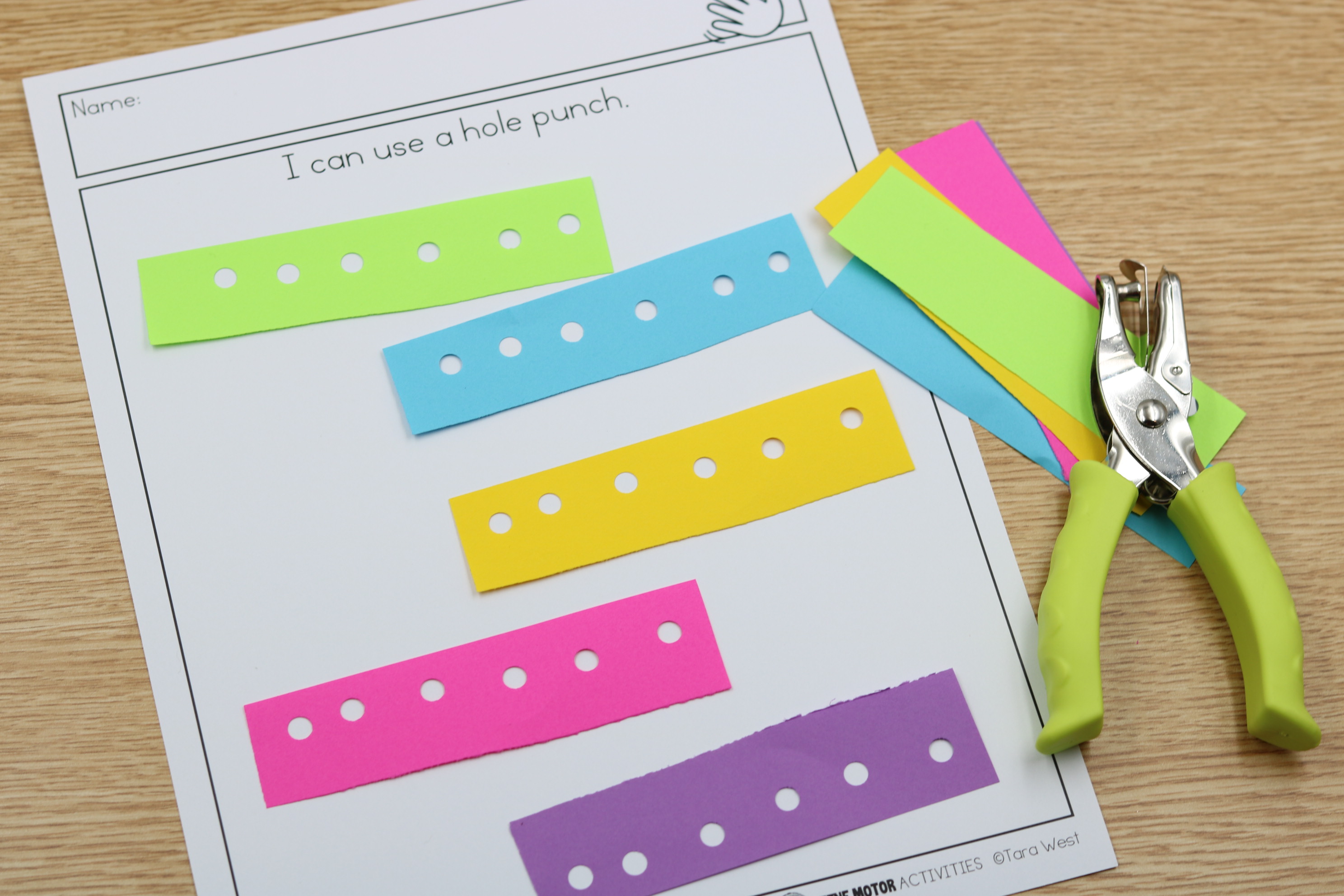
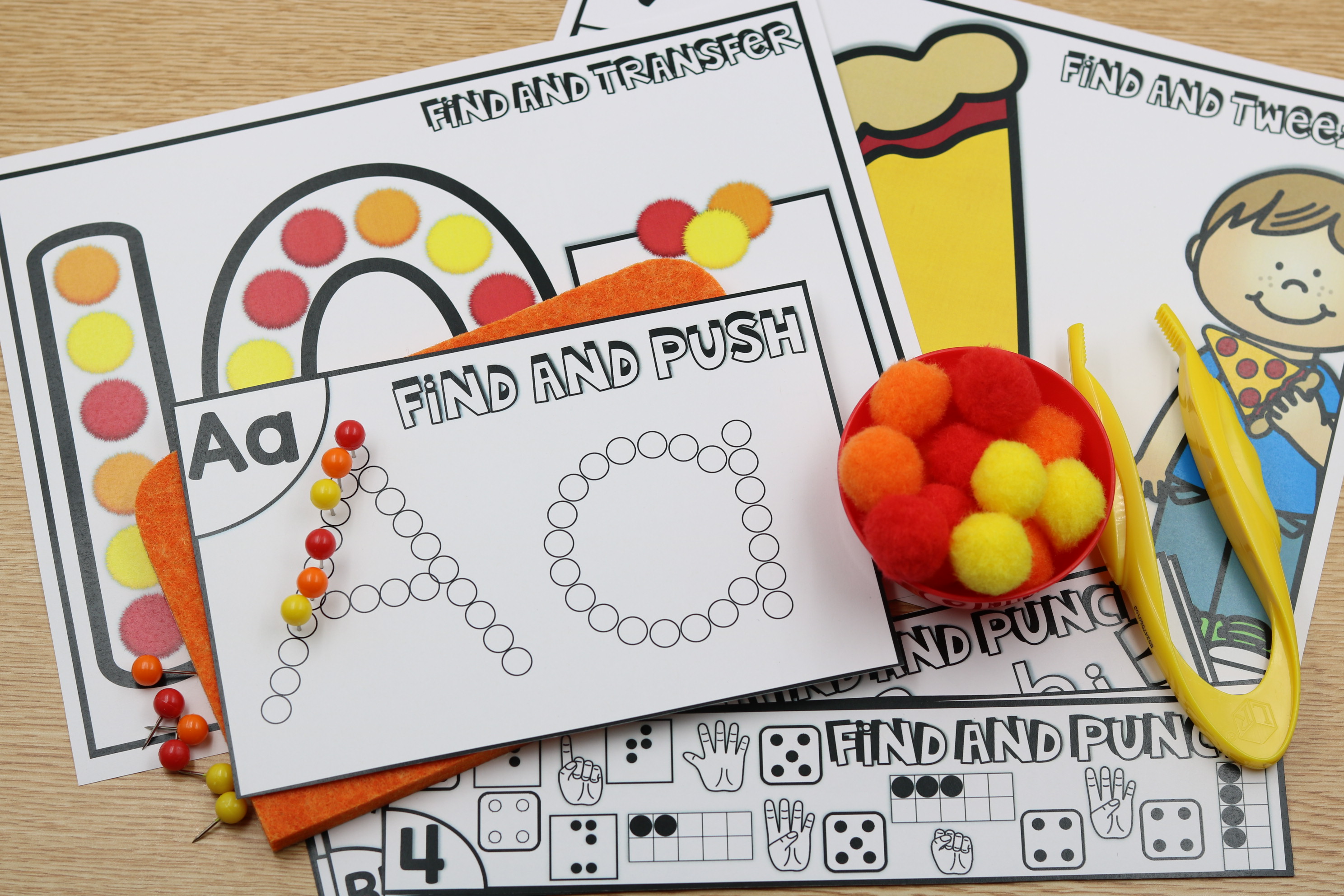
Find and Flash and Find and Punch help students build strength in the thumb, index finger, and hand muscles through repeated pressing motions.
Find and Transfer and Find and Tweeze help students develop in-hand manipulation and separation of the sides of the hand by moving and manipulating small objects.
The best part is that students think they're playing.
Meanwhile, they're strengthening the exact muscles they'll need for writing.
Fine Motor Centers Bundle
Looking for more ways to strengthen little hands? This Fine Motor Centers Bundle includes hands-on activities that target hand strength, pincer grasp, in-hand manipulation, and separation of the sides of the hand. Students build the foundational skills needed for writing while staying engaged with meaningful, play-based fine motor practice. 👉 View the fine motor centers HERE.
One Final Thought
Sometimes we look at a student struggling with handwriting and assume they need more handwriting practice. Sometimes they do. But sometimes they need stronger hands.
Sometimes they need more opportunities to squeeze.
To pinch.
To cut.
To transfer.
To build.
To manipulate.
To play.
Fine motor skills are one of those things that can easily get pushed aside because we have so much to teach. But the truth is that they support almost everything we ask students to do. If we want stronger writers, we have to start by building stronger hands. I hope the freebies throughout this newsletter give you a few easy ways to get started.
And if you're looking for a complete year of fine motor instruction, Fine Motor Lesson Routines + Activities was designed to take the planning off your plate while giving students the consistent practice they need.