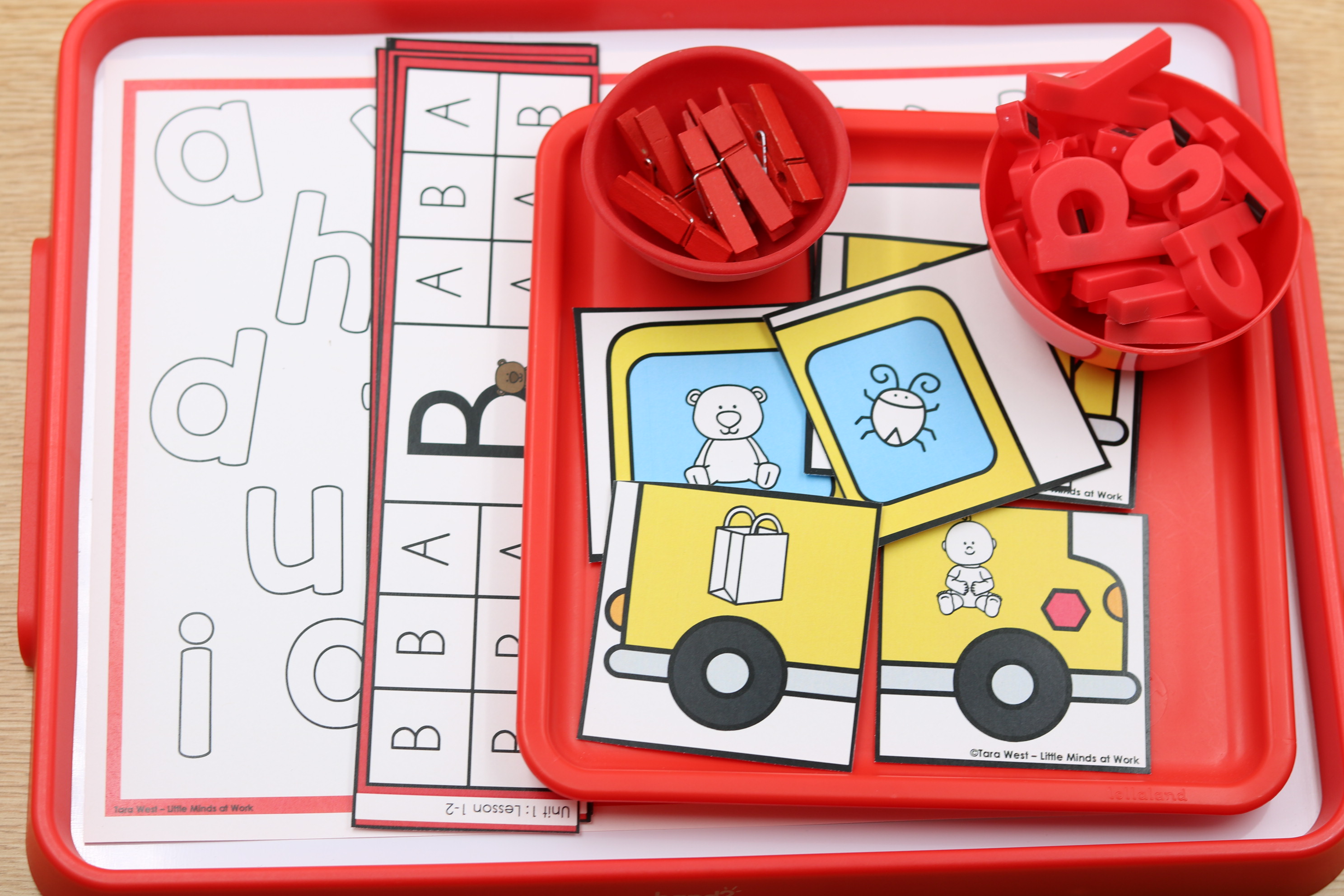
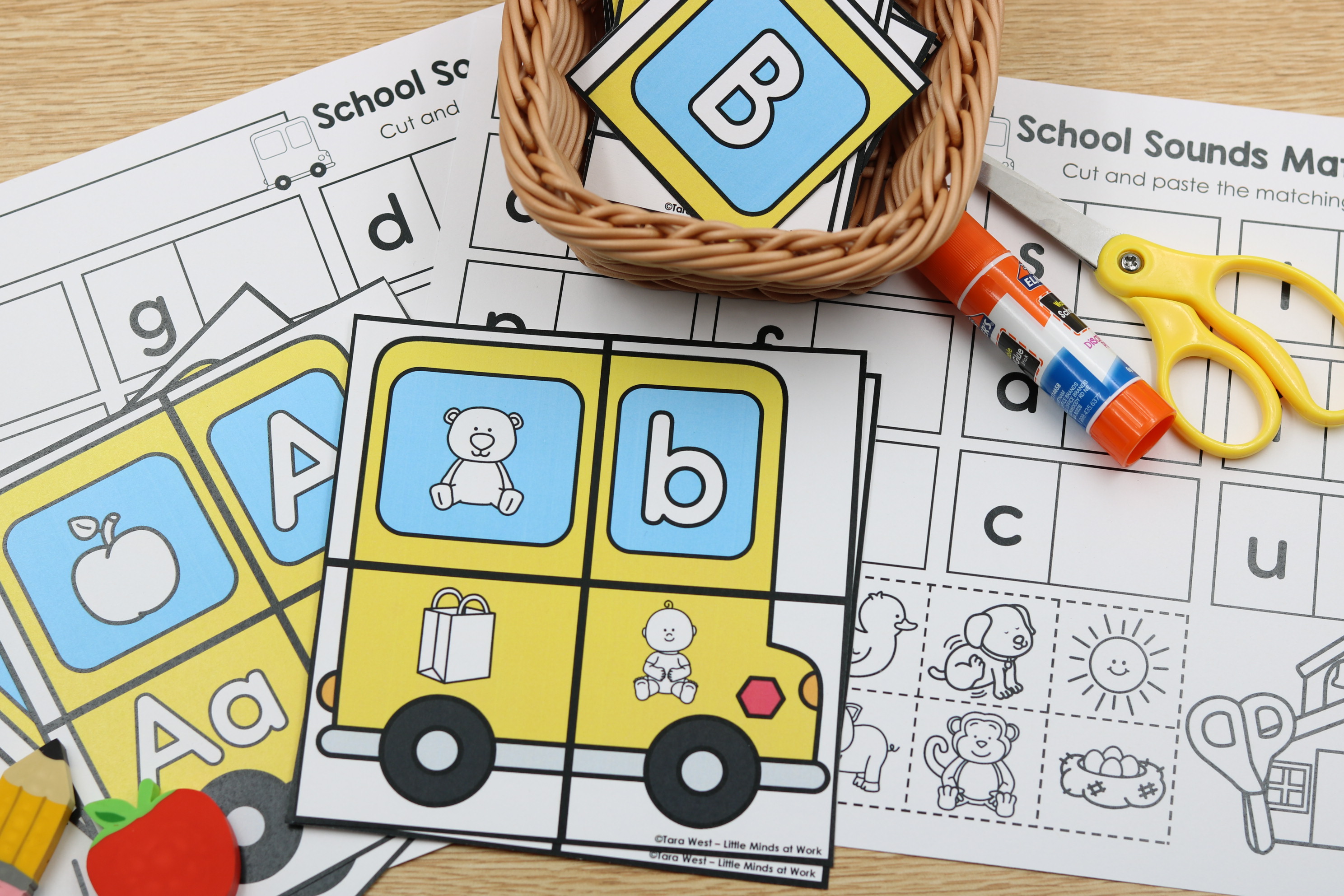
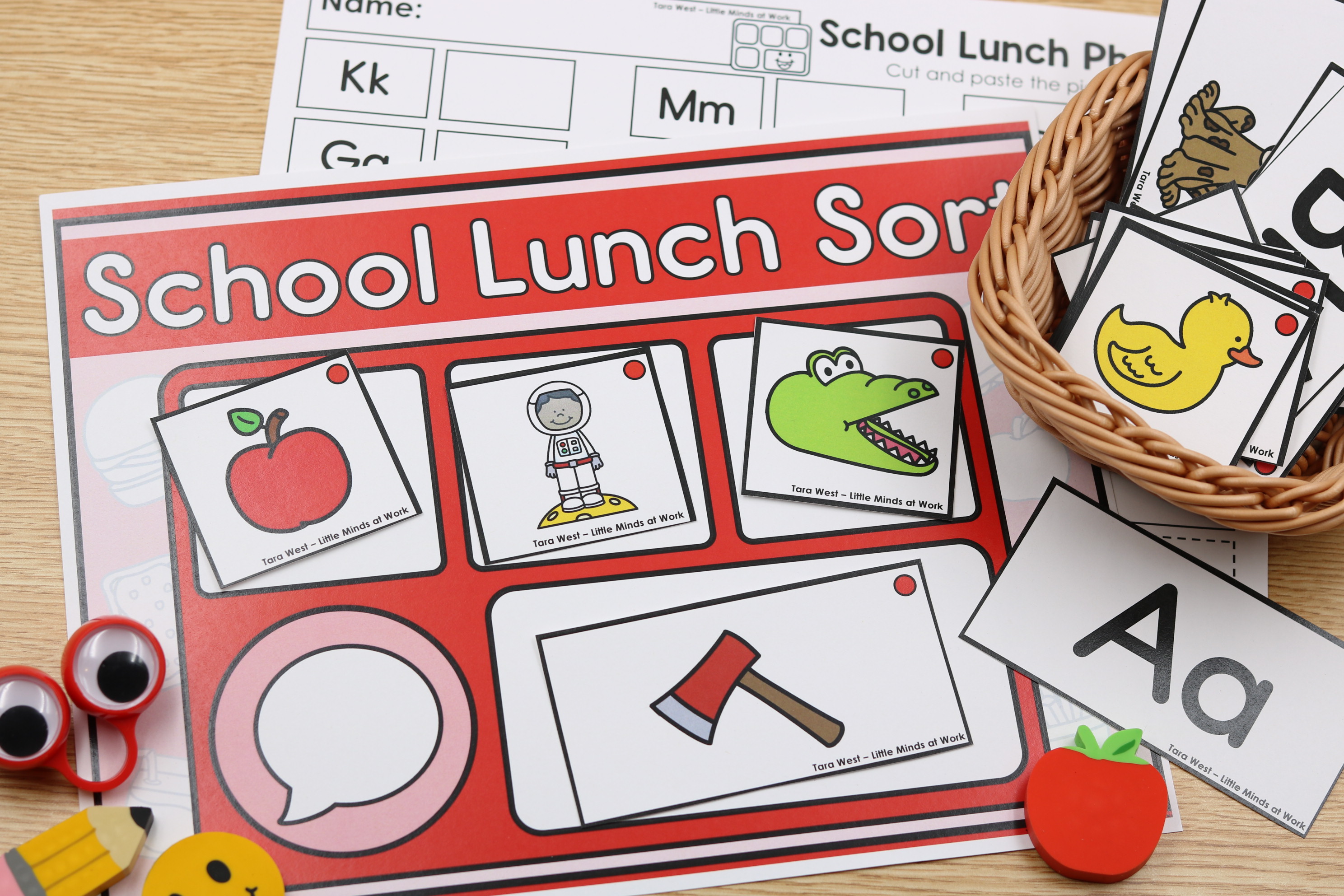
There is a lot to teach at the beginning of the school year. Where to put a backpack, how to walk down the hallway, what to do when you need a pencil, and how to use classroom supplies are all routines that have to be explicitly taught. And then there are centers. We sometimes expect students to walk into our classrooms and simply know how to work independently for 15 or 20 minutes, but independence is something we teach just like every other classroom routine.
The good news is that you do not need perfectly running centers on day one. You simply need a place to start, and that is exactly what I want to give you in this post. By the end, you will have a free Back to School Alphabet Centers Roadmap that you can download and use to start planning your centers right away. The goal is to take away that overwhelming question of, "What am I actually going to put in my centers?"
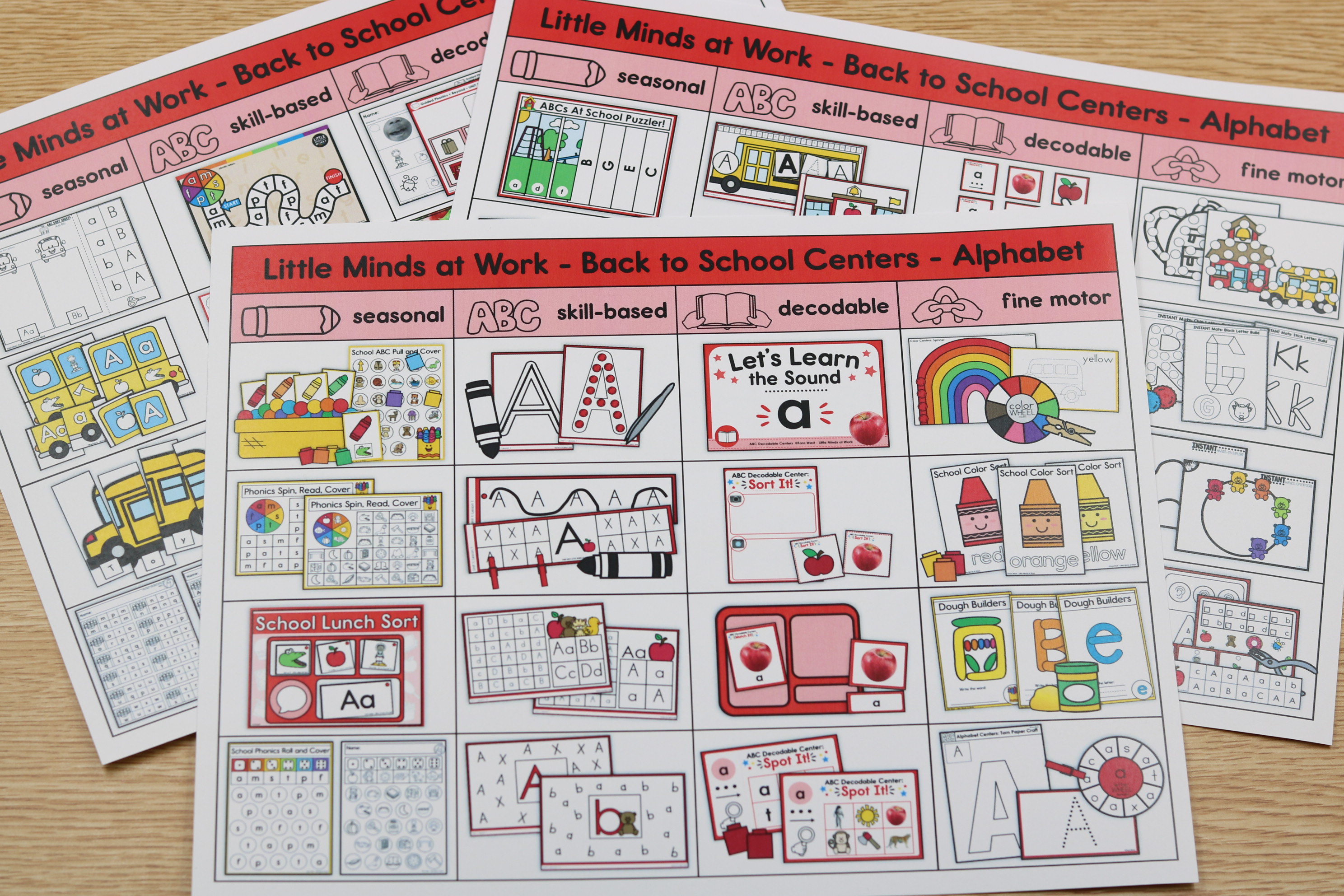
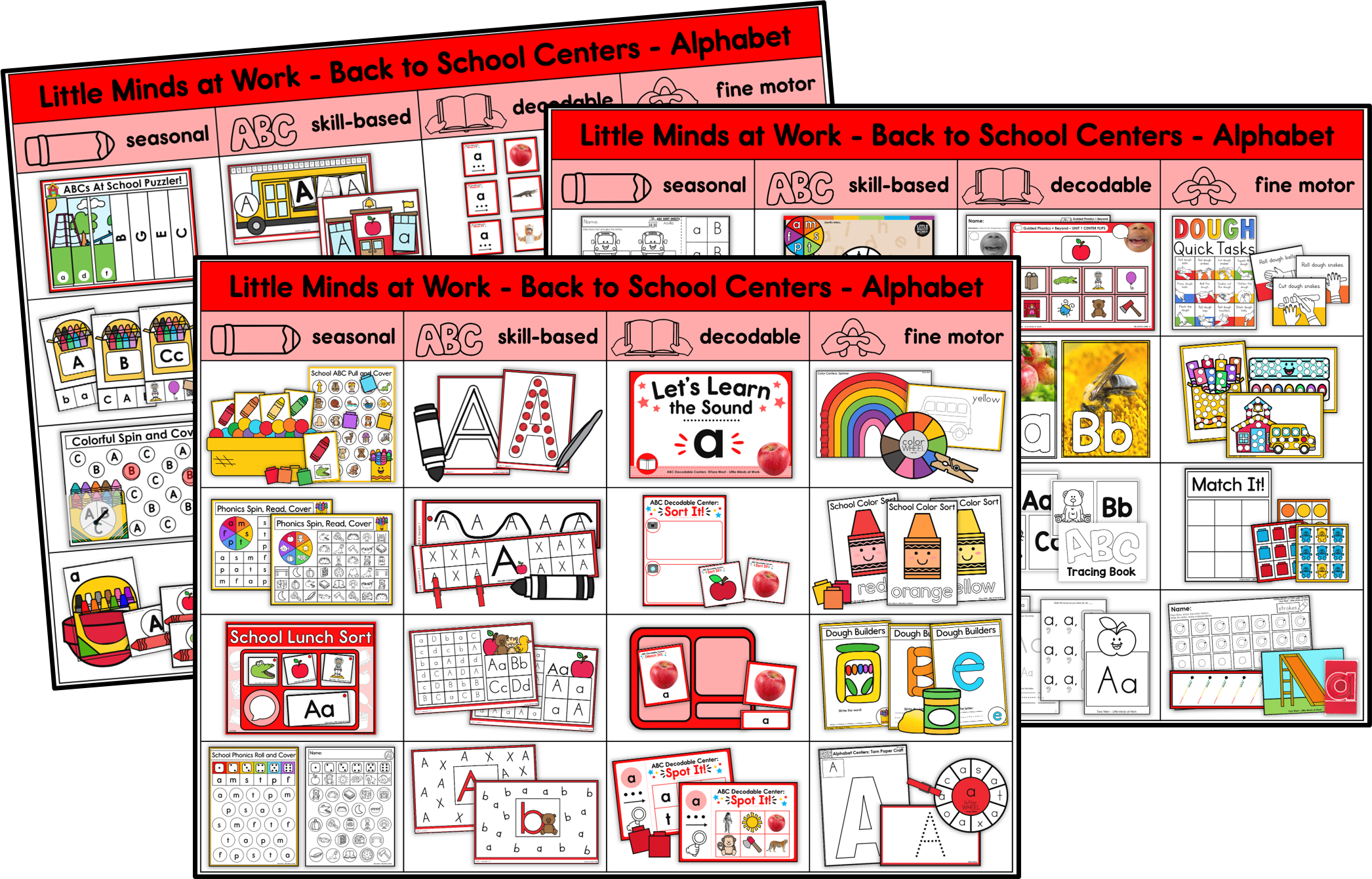
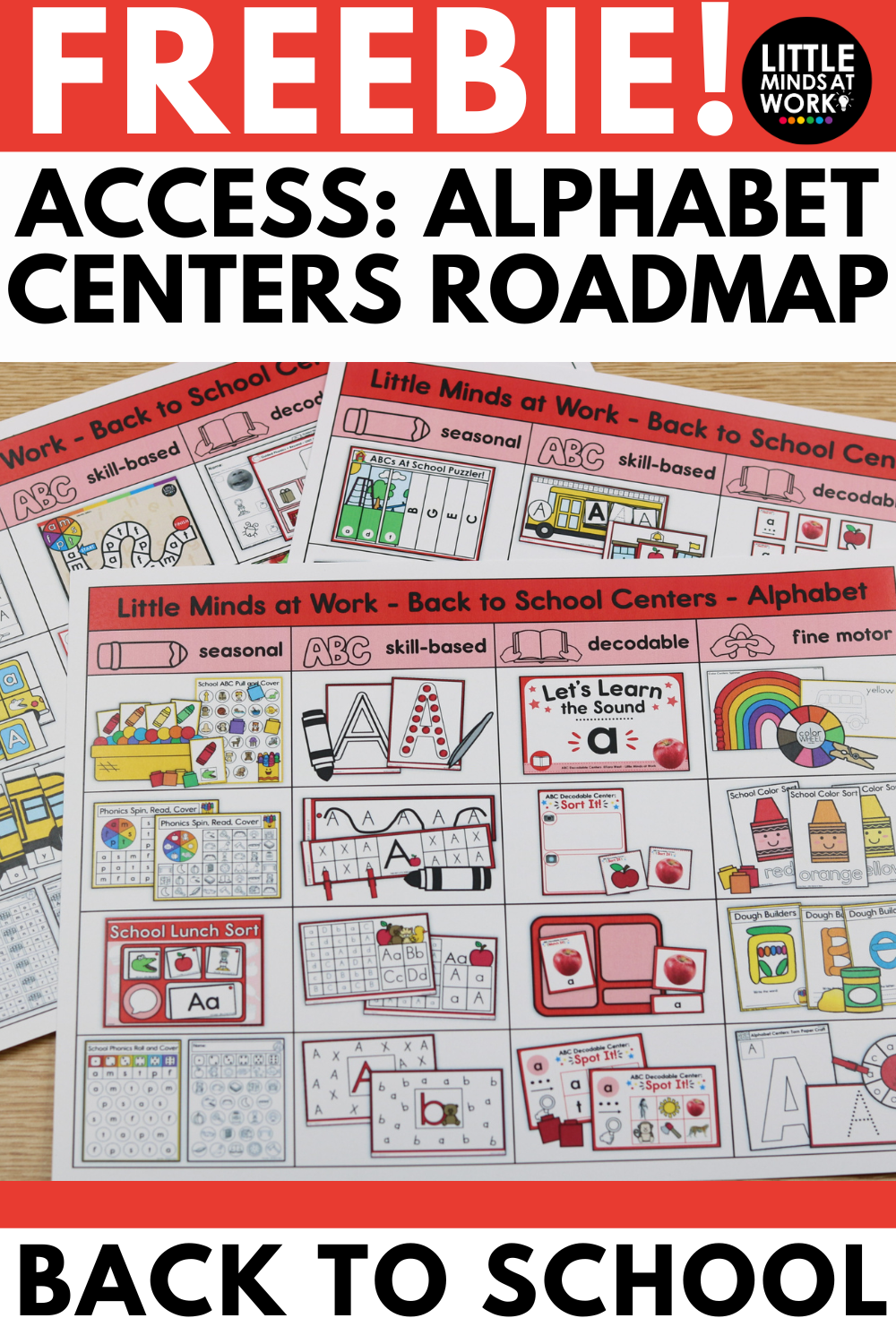
The roadmap is organized into four categories: seasonal centers, skill-based centers, decodable centers, and fine motor centers. You can use one entire column, choose activities from several columns, or simply use the roadmap as a visual reminder of resources you already have. Some of the activities are resources you may already own, and I have also included free options so you can get started without purchasing anything. The roadmap itself shows multiple activity choices within each of these four categories.
One thing I want to make clear from the beginning is that this is not a center-management system. I am not going to tell you that you need five groups, four rotations, a certain number of students at each center, or a timer set for exactly 17 minutes. Your classroom is your classroom, and your center block needs to work for your students, your schedule, and your teaching style. Instead, this roadmap is designed to answer a much simpler question: What can my students actually do during centers?
Before the Centers: Build Stamina First
Before we talk about what goes inside your centers, we need to talk about stamina. Students have to learn how to do centers. Think about everything else you explicitly teach at the beginning of the school year. You teach students how to line up, how to use classroom supplies, how to walk through the hallway, how to play safely at recess, and how to move through the lunch line. Center independence deserves that same explicit instruction.
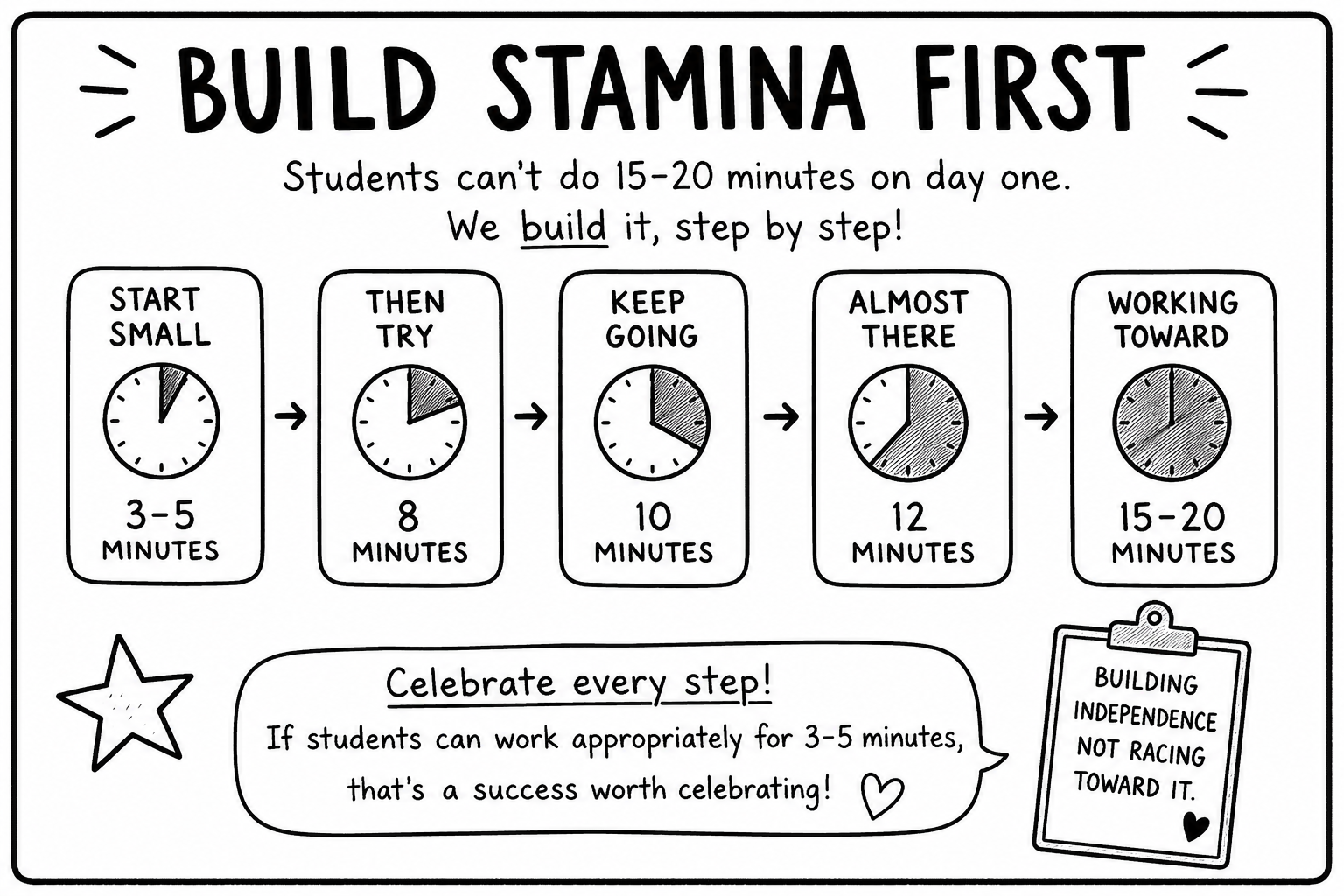
If your eventual center rotation will be 15 to 20 minutes, you do not need your students working independently for 15 to 20 minutes during the first week of school. Start small. If they can work appropriately with their materials for three to five minutes, celebrate that success. From there, you might move to eight minutes, then 10, then 12, eventually working toward that full 15 to 20-minute rotation.
For some classes, this process happens quickly. For others, building true center stamina can take close to a month or even a little longer. There is no perfect timeline because every group of students will be different. What matters is that we are building independence rather than racing toward it. The time you invest in explicitly teaching these routines at the beginning of the year will pay off when you are eventually able to sit with a small group and give those students your full attention.
Start with Simple Stamina-Building Activities
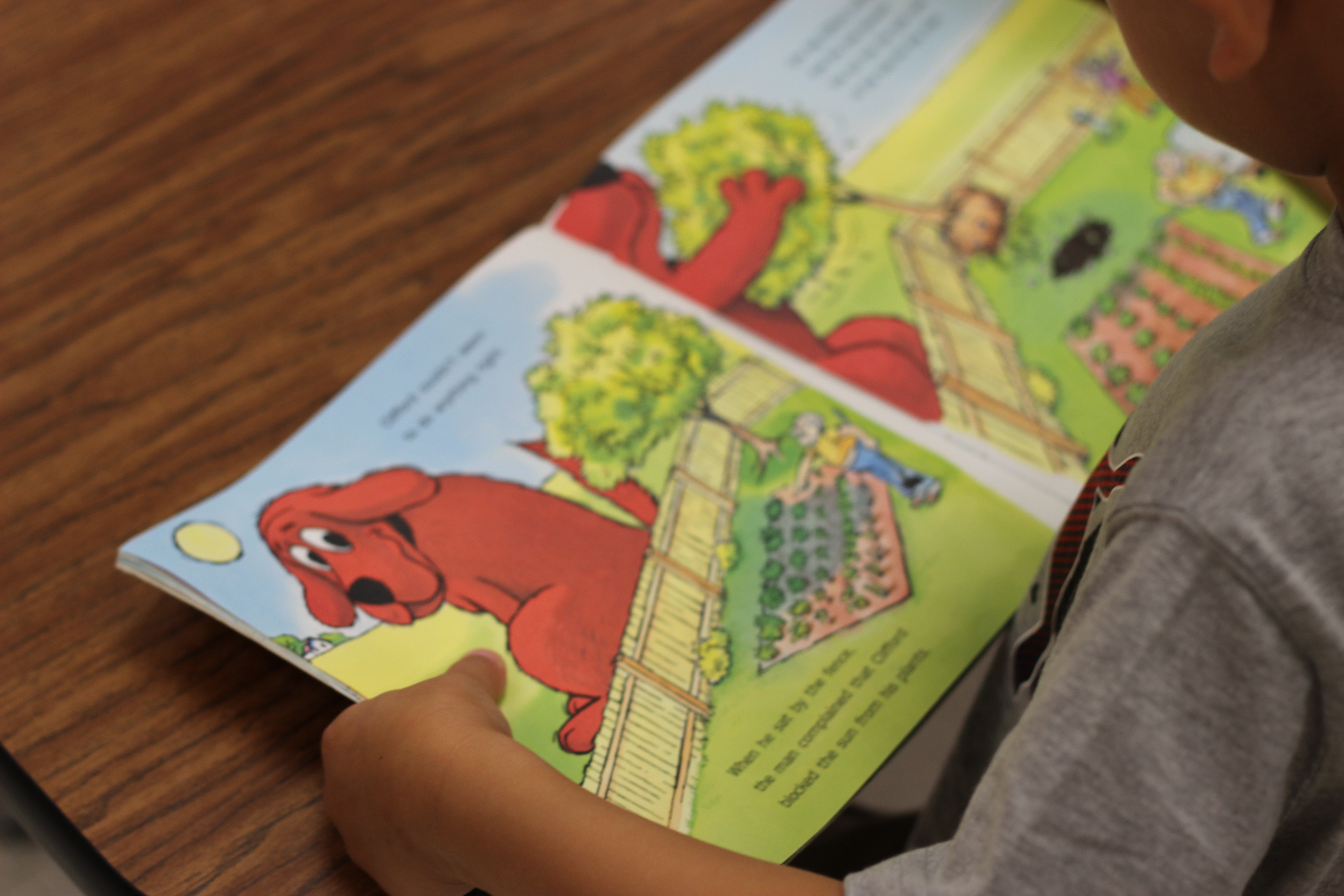
Building center stamina does not have to begin with an academic activity. It can be as simple as asking students to quietly look through books, explore dough, or work with familiar hands-on manipulatives for a few minutes. At first, the goal is simply to practice staying in one space, using materials appropriately, working independently, and cleaning up when time is over. Once students can successfully do that for a few minutes, you can gradually increase the time and begin introducing more academic center activities.
What Should a Center Rotation Look Like?
There is no single answer, and I think teachers sometimes make centers harder on themselves because they are searching for the one perfect rotation system. Students can work independently, with a partner, or in a small group of three to four students. All of these options can work, and you may even use a combination depending on the activities you choose.
In my classroom, I really enjoyed independent centers because they helped keep the overall noise level manageable. When several pairs or groups of three or four students are talking at the same time, the classroom volume can increase quickly. That can lead to constant reminders from the teacher, which becomes especially difficult when you are trying to provide focused instruction to a small group. Independent centers gave my students an opportunity to focus on their own activities while allowing me to focus on the students sitting at my table.
That does not mean independent centers are the "right" way to do centers. They are simply an option worth considering as you decide what will work best for your classroom. The number of students, the length of your center block, the activities you choose, and the needs of your class will all play a role in what your center routine eventually looks like.
One of My Favorite Center Tricks: Give Students Choices
One of the simplest ways to keep students engaged throughout an entire center rotation is to avoid giving them just one activity. Instead, try placing three or four familiar activities into a basket and allowing students to choose which one they would like to complete. This helps solve one of the most common center problems: the student who finishes an activity in four minutes and suddenly has nothing to do for the rest of the rotation.
Choice is incredibly motivating for young students, but that does not mean the center becomes a free-for-all. You have already selected the appropriate activities and placed them in the basket. Students choose an activity, complete it, put it away appropriately, and then choose another activity if there is still time remaining. You are giving students choice within boundaries that you have already established.
This is also where the Centers Roadmap becomes especially useful. You might choose three or four activities from one column, or you might pull an activity from several different categories. The goal is not for students to complete every activity every day. The goal is to give them enough meaningful, familiar choices that they can remain engaged throughout their center time without constantly needing to ask you what they should do next.
But How Do I Know They're Actually Doing the Center Correctly?
This is one of the biggest concerns teachers have about independent centers, and it is a valid one. If the goal of your center block is for students to practice independently while you provide focused instruction to a small group, you cannot simultaneously watch every move happening at every center. That does not mean accuracy stops mattering. It means we need to set students up for success before asking them to complete an activity independently.
One of the best ways to do that is through pre-teaching. Before an activity ever lands in a center basket, put it under your document camera and complete it together. Let students practice the activity during whole-group instruction, introduce it to a small group, or model exactly how to get the materials, complete the activity, and put everything away. When students finally see that activity in their center basket, it should feel familiar rather than brand new.
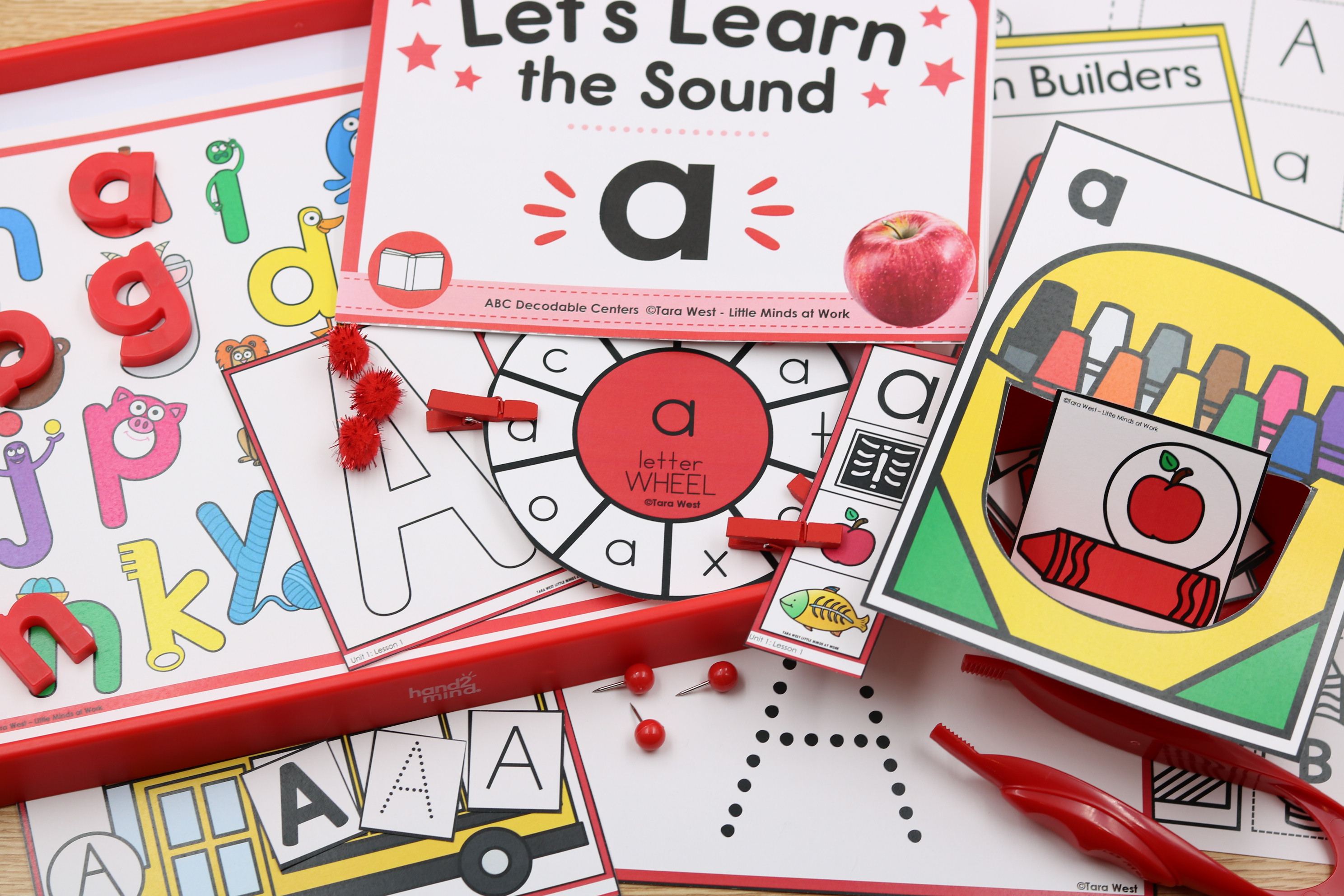
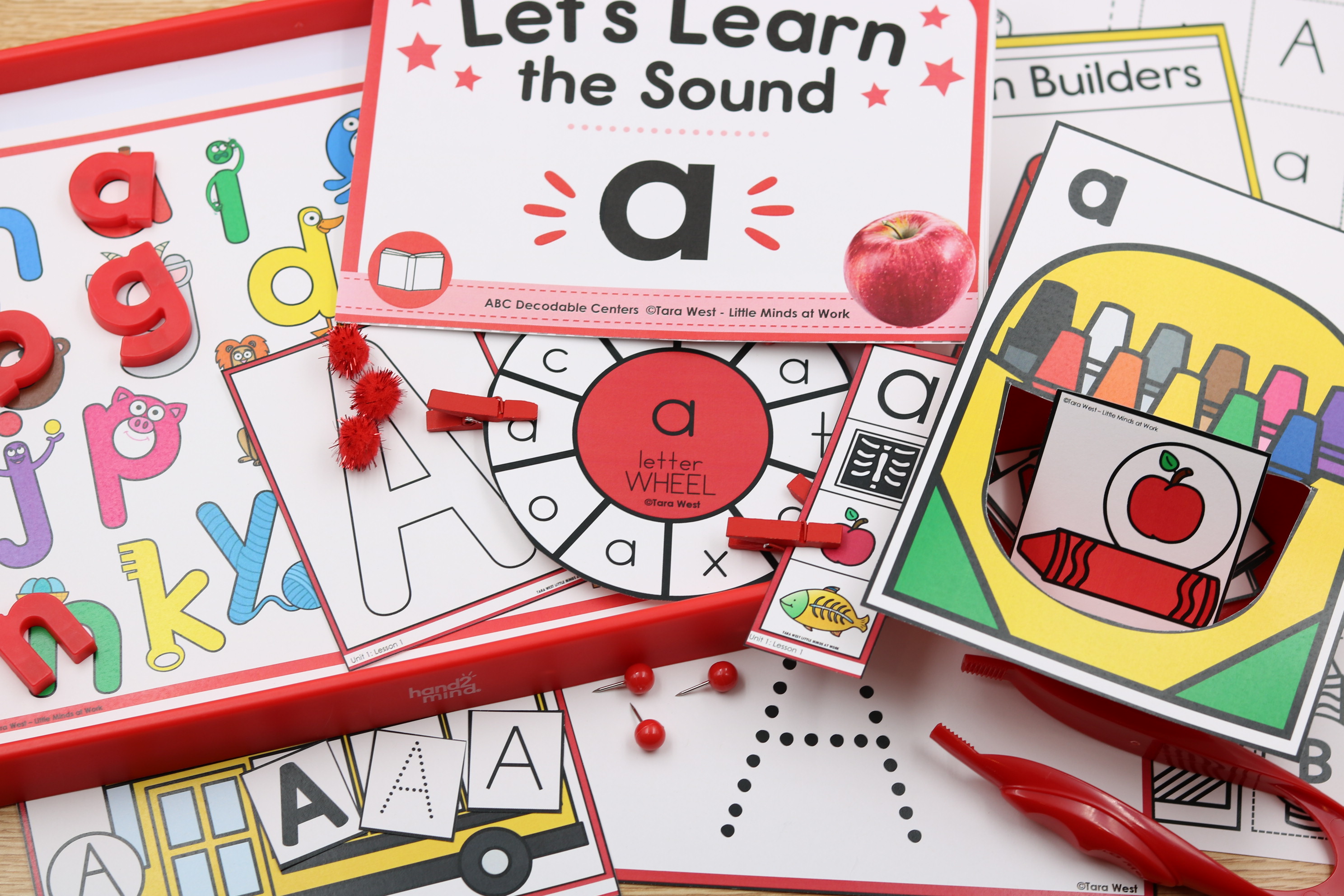
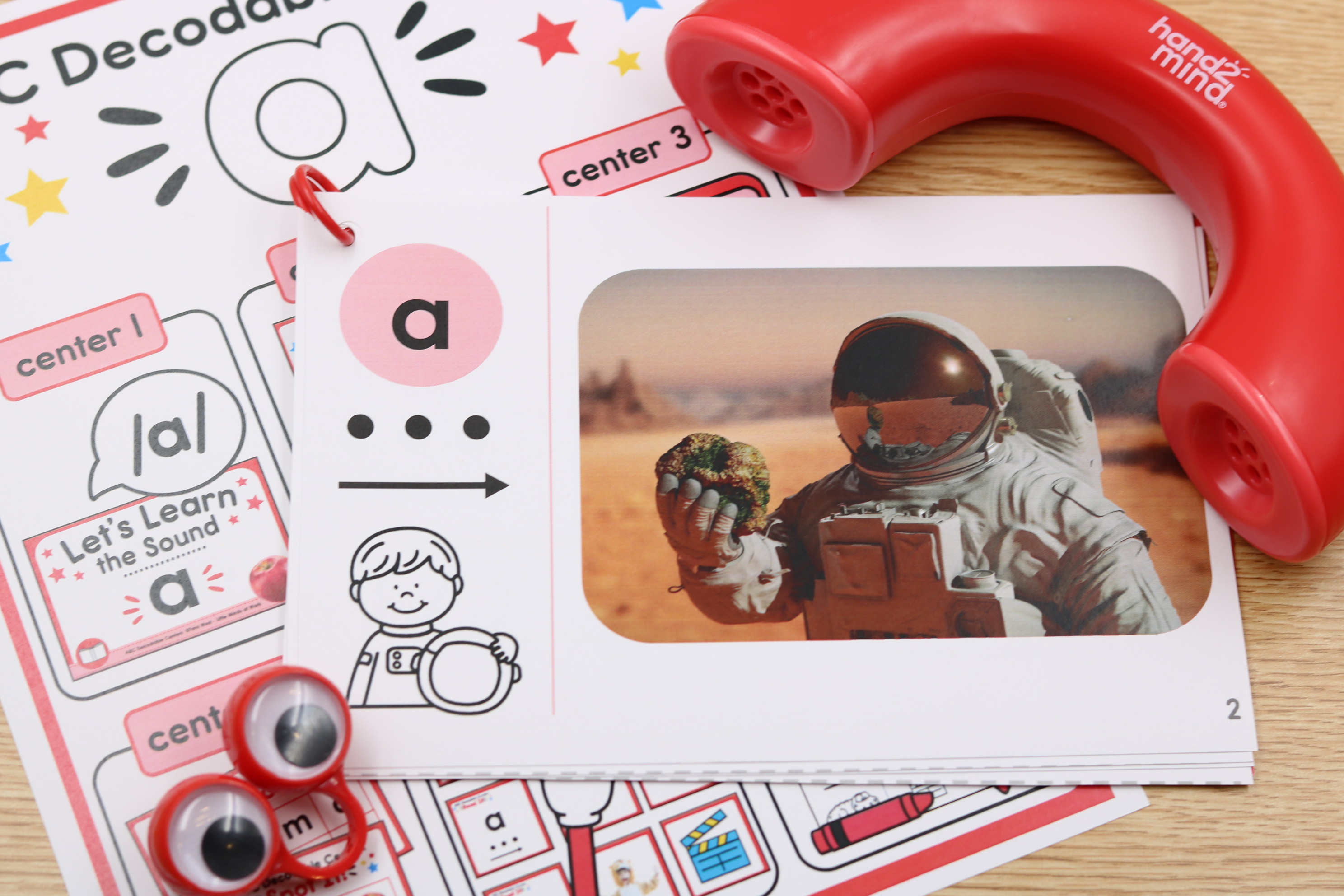
Teach it first in small group with the Alphabet Decodable Books, then place the familiar activity in centers so students can confidently apply what they learned on their own.
Those first few weeks are actually the perfect time to do this. If you have a 40-minute center block but your students currently have only five or 10 minutes of independent stamina, you have additional time available to explicitly teach the activities they will eventually use independently. It can feel like a lot of pre-teaching at the beginning of the year, but that investment starts paying off as students become familiar with your center routines and activity formats.
Another benefit is that the format of many of these activities can stay familiar even as the academic skill changes. Students may begin the year practicing alphabet skills, but as the year progresses, you can increase the rigor while keeping familiar activity structures. Instead of constantly teaching students how to complete a brand-new type of center, you can spend more of your instructional time teaching the new skill.
Set Students Up for Success
One way to set students up for success is to avoid changing every activity in a center basket at once. As you rotate new activities into your centers, keep one or two activities that students already know well and introduce just one new option. This gives students something familiar to return to if they are unsure about the new activity, rather than immediately needing teacher help.
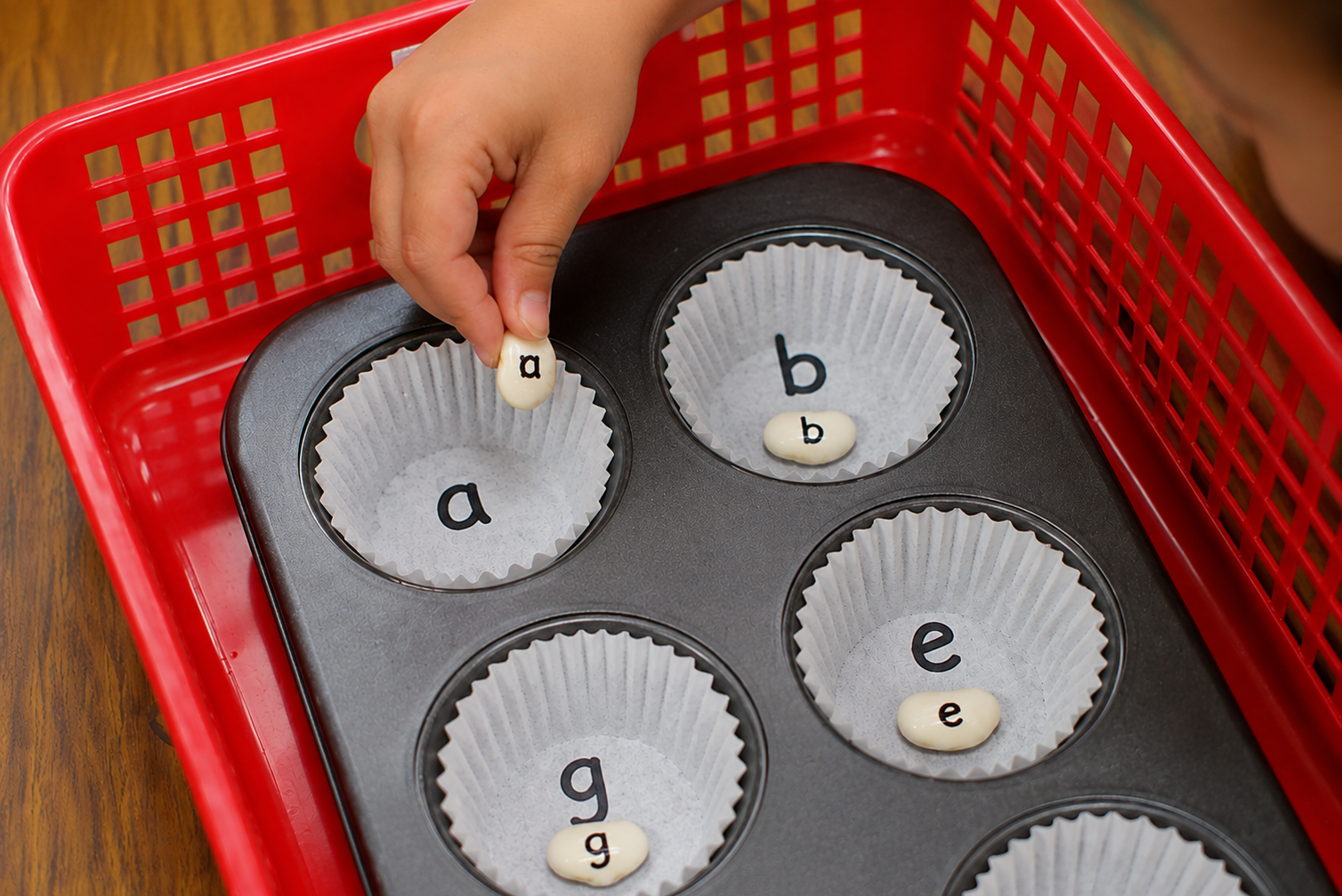
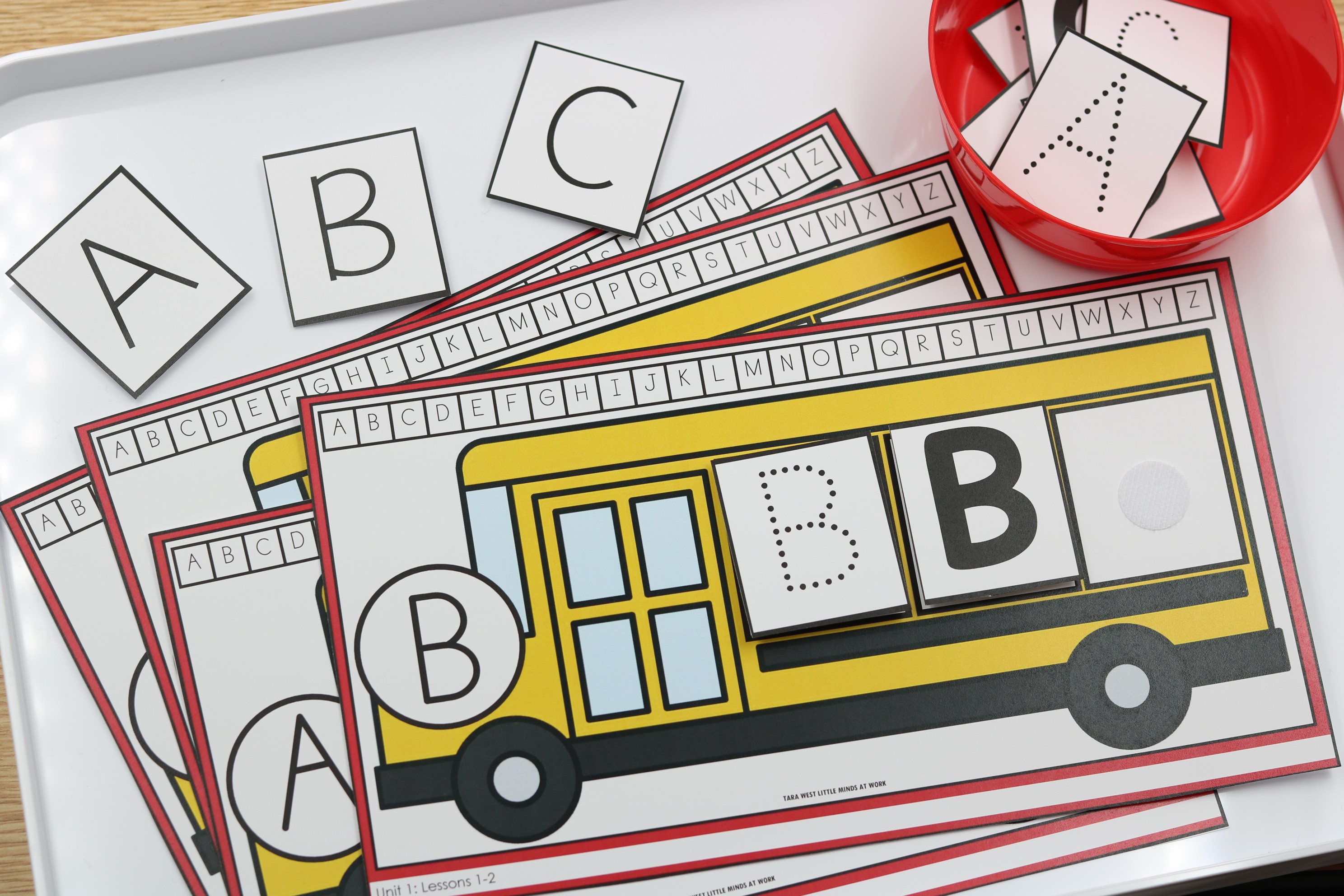
I also like to keep at least one option extremely hands-on and easy for students to complete independently. Something as simple as matching alphabet letters to the correct spaces on a mat can be a great choice because students can easily understand the task and often check their own work. Having that highly familiar, self-correcting option in the basket gives students a place where they can feel successful while continuing to build their independence.
Over time, the newer activity becomes familiar too, and you can rotate something else into the basket. This keeps centers fresh without constantly asking students to learn new directions, new materials, and new skills all at once. The goal is to gradually build a collection of activities students know how to use successfully so you can focus your attention on small-group instruction.
Your Back to School Alphabet Centers Roadmap
Now that we have talked about building center independence, we can make the actual activity-planning piece much easier. I created the Back to School Alphabet Centers Roadmap to give you a visual collection of alphabet activities that you can pull from as you begin establishing centers. Instead of sitting down every week and wondering what to put into your center baskets, you have a collection of ideas right in front of you. 👉 Access the free Back to School Alphabet Centers Roadmap HERE.
You absolutely do not have to use every activity on the roadmap. You could choose one column and build your centers from that category, select one activity from each column, or create baskets containing three or four different choices. You might also look at the roadmap and realize you already own several of the resources and simply needed the reminder to pull them out. Everything on the roadmap will be linked, and I have included free resources as well so there are options you can begin using at no cost.
Think of this roadmap as a menu rather than a prescribed rotation. You decide which activities make sense for your students, how many students will use them, how long your rotations will be, and how those rotations will work within your classroom. My job with this roadmap is simply to make the "What am I going to put in my centers?" part a whole lot easier.
Seasonal Alphabet Centers
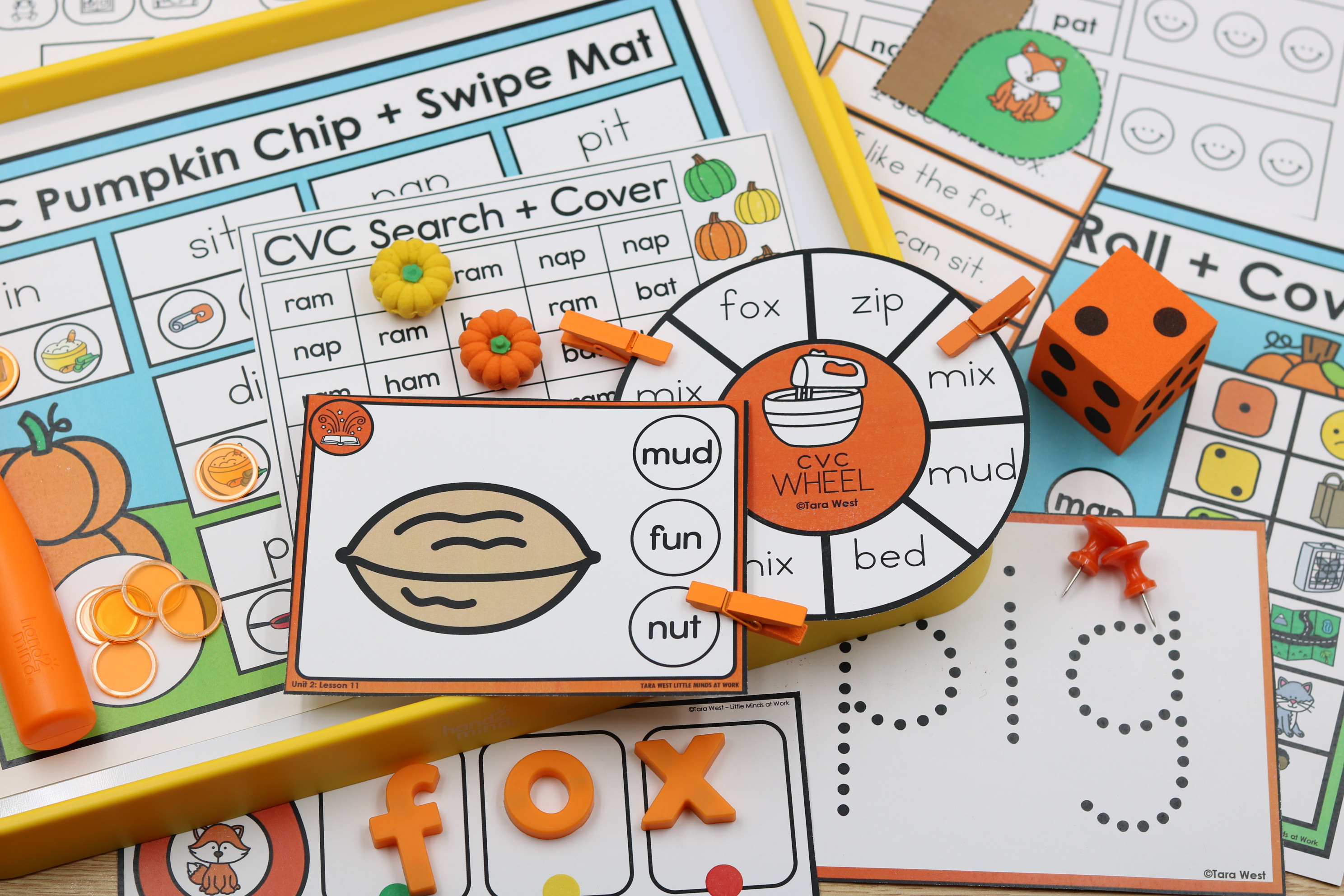
Seasonal centers are an easy way to bring a little extra excitement into familiar alphabet practice without changing the skill students are working on. This roadmap pulls center ideas from several resources, including the LIFETIME Seasonal Vault, Thematic Phonics Centers, and free August downloads. The goal is to give you plenty of options so you can use resources you already own, grab a free activity, or simply find inspiration for what to place in your center baskets.
Skill-Based Alphabet Centers
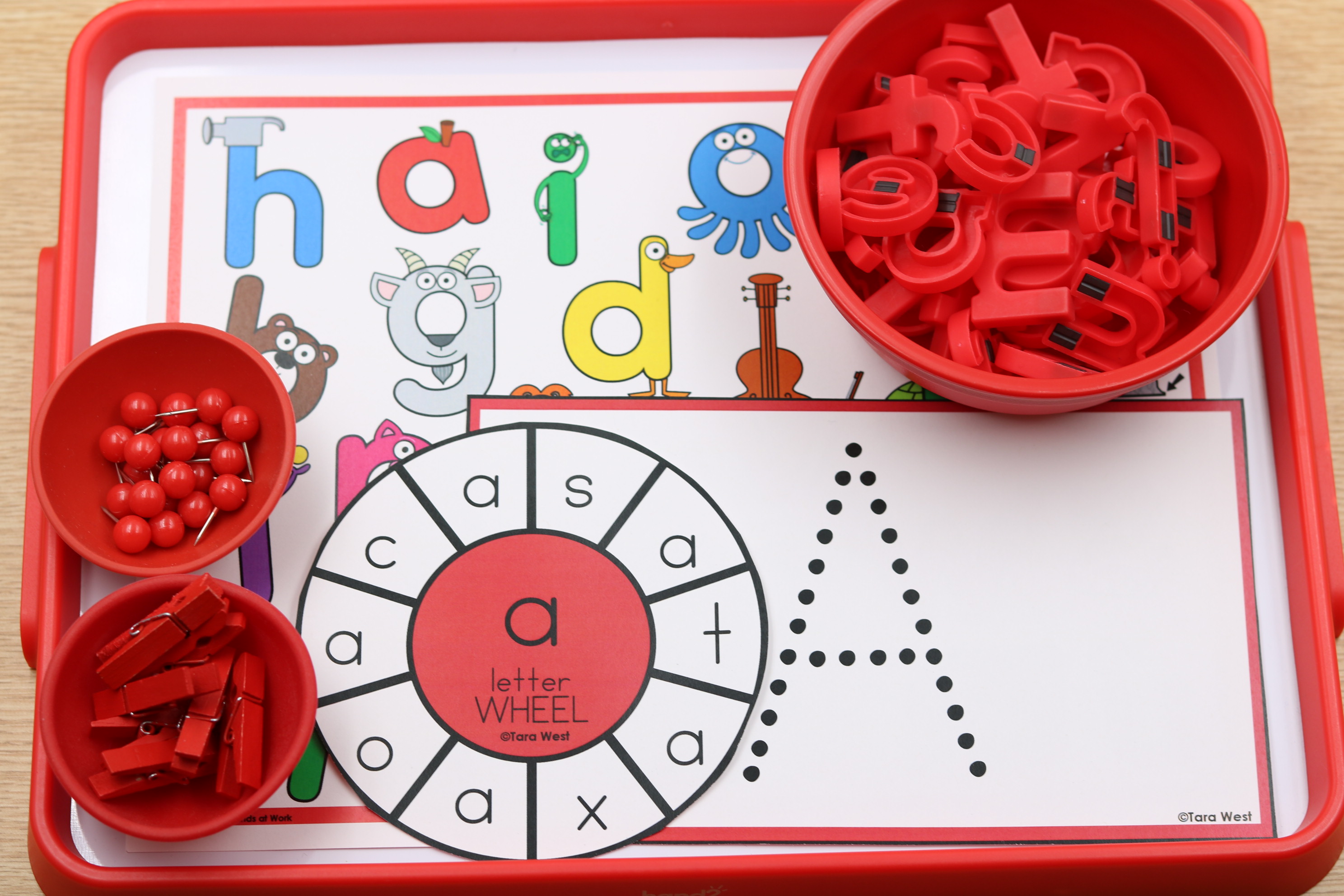
Skill-based centers are activities you can pull out anytime throughout the school year because they are not tied to a specific season or theme. The skill-based column on the roadmap includes hands-on alphabet activities from the Alphabet Phonics Centers resource, along with several free options you can add to your center baskets.
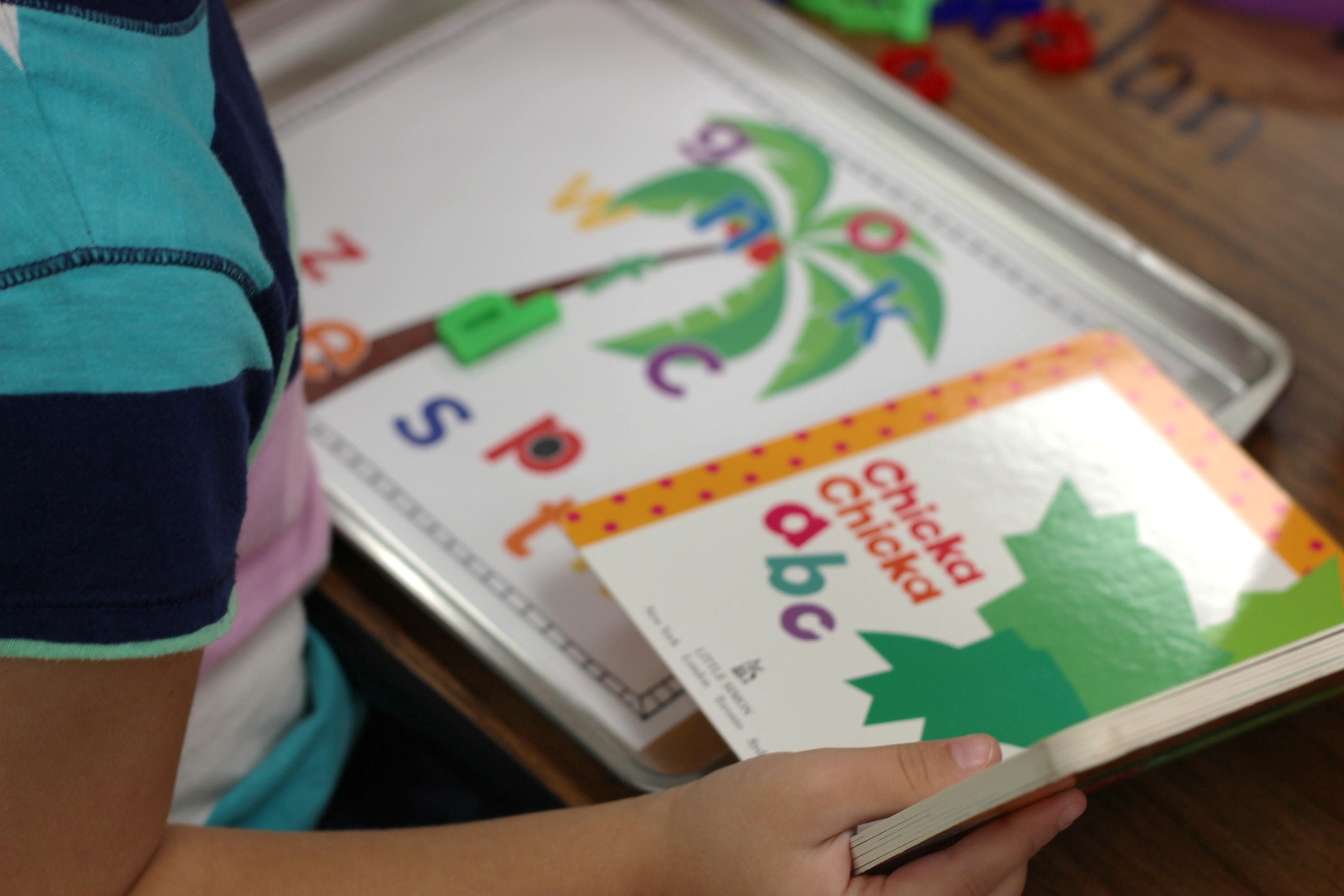
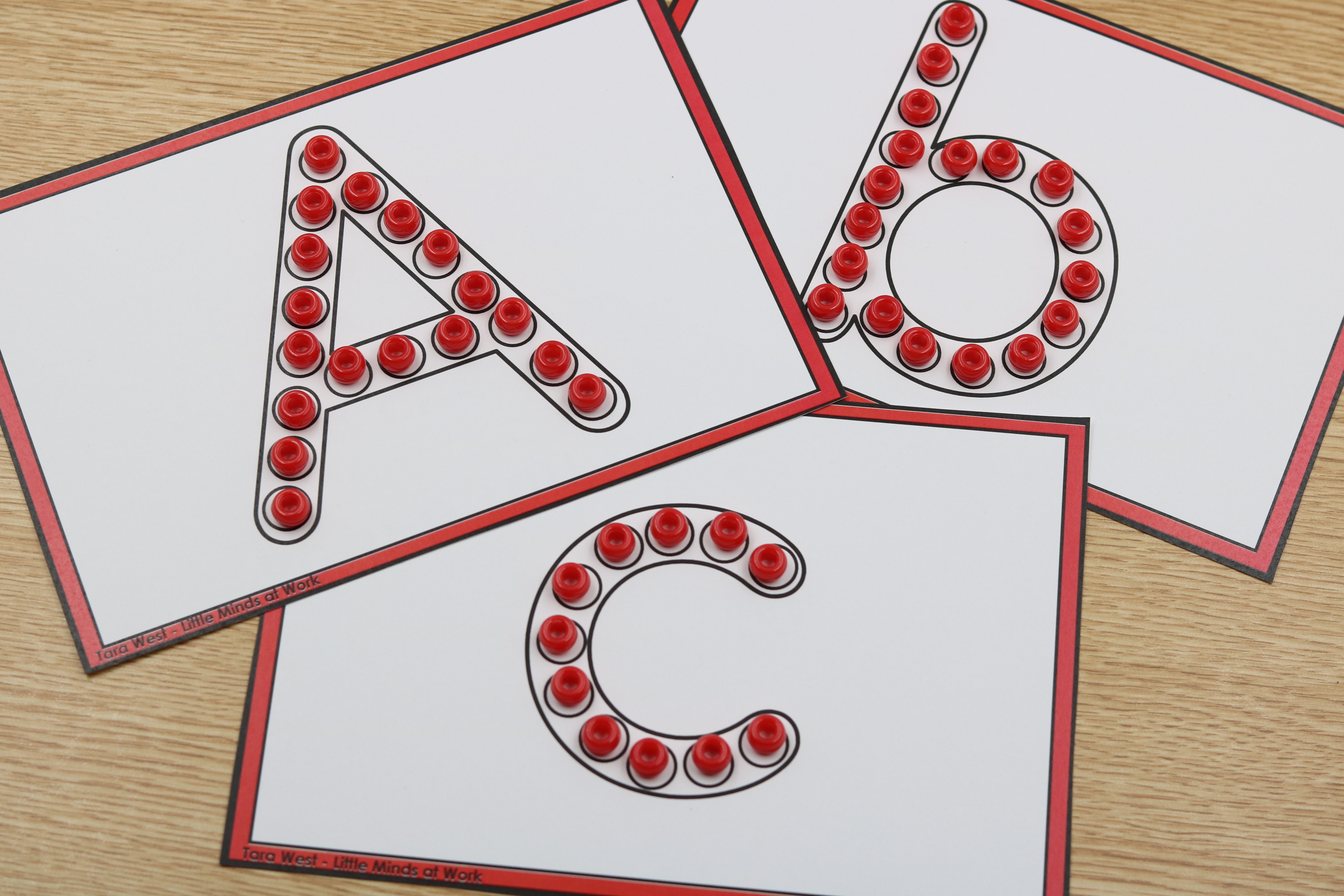
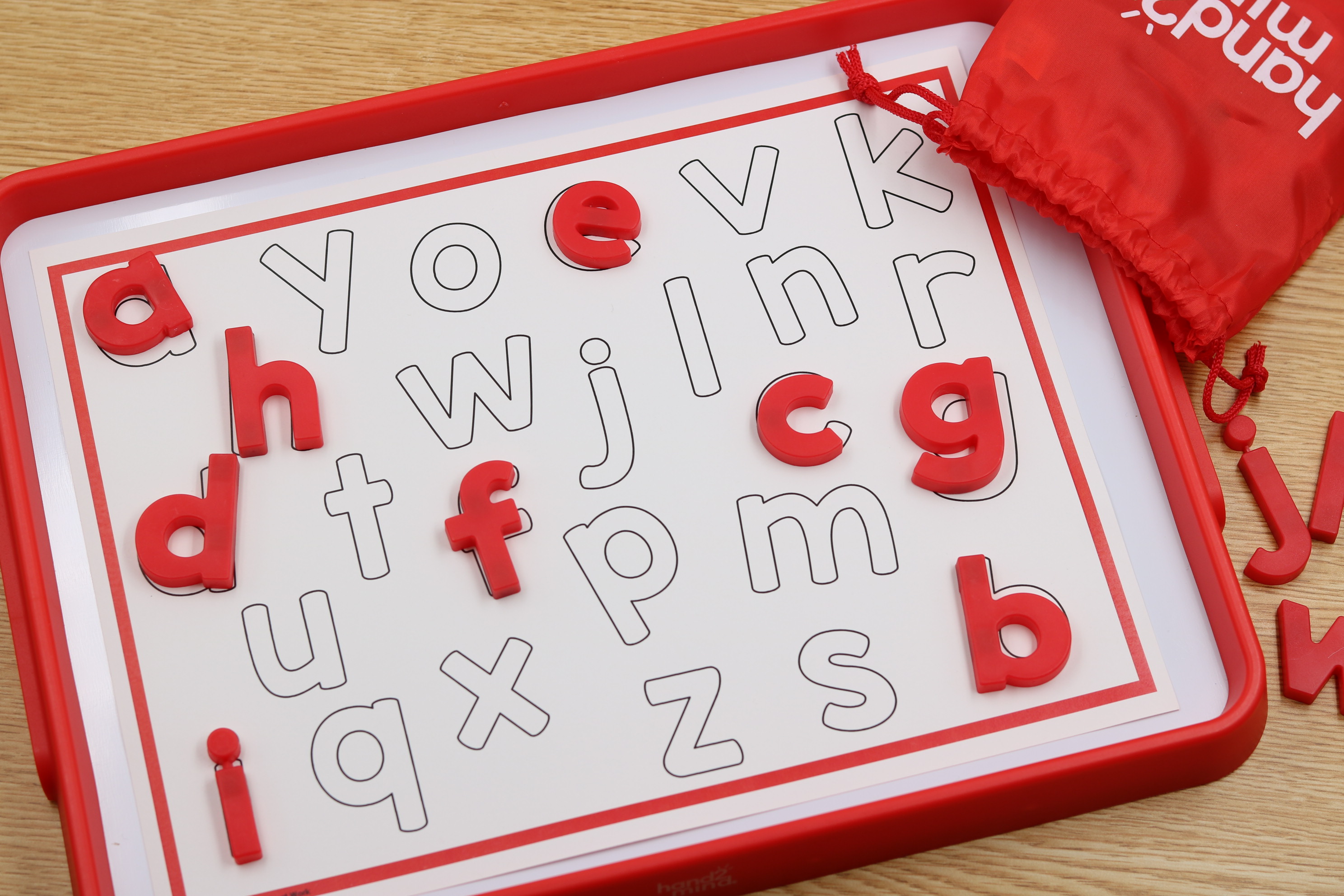
These free downloads include hand2mind game tray mats, magnetic letter mats, and pony bead letter builders, giving students multiple ways to practice alphabet skills through hands-on exploration.
These are also great activities to keep as those high-success, familiar options we talked about earlier. The task is clear, students can often visually check their own work, and there is less opportunity for confusion about what they are supposed to do. Once students know how to use these materials, they can become reliable center choices that you keep in the rotation while introducing something new alongside them.
Decodable Alphabet Centers
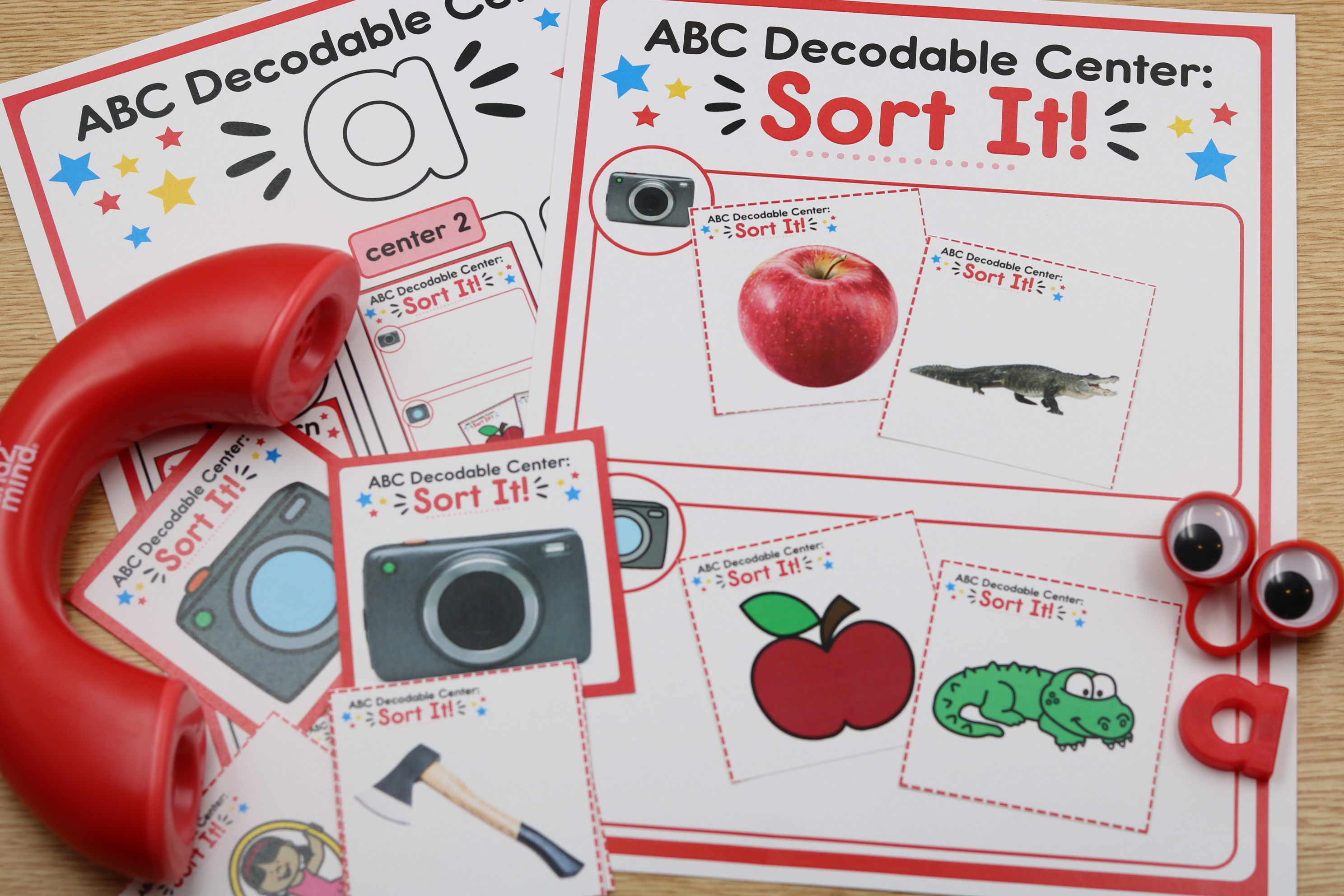
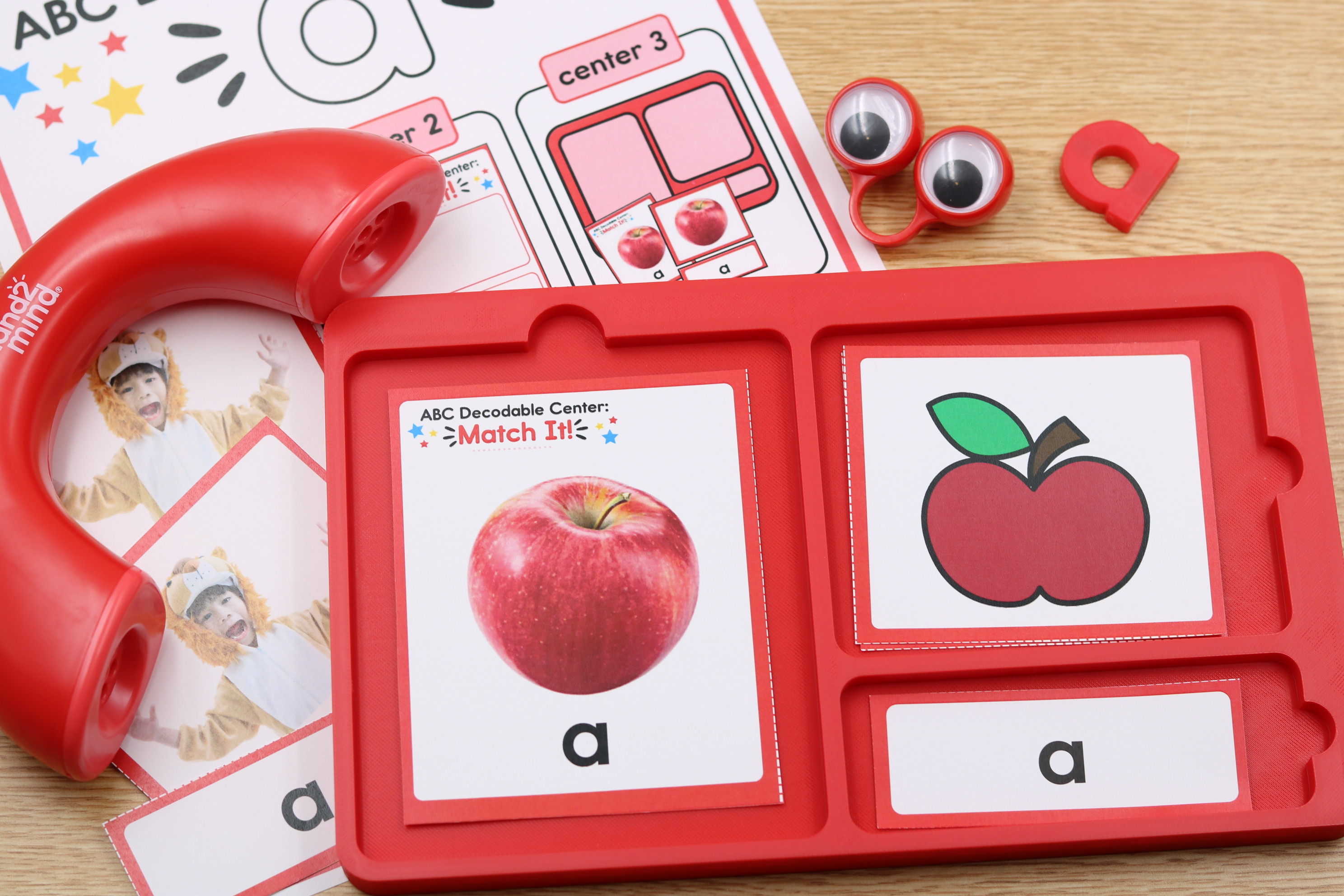
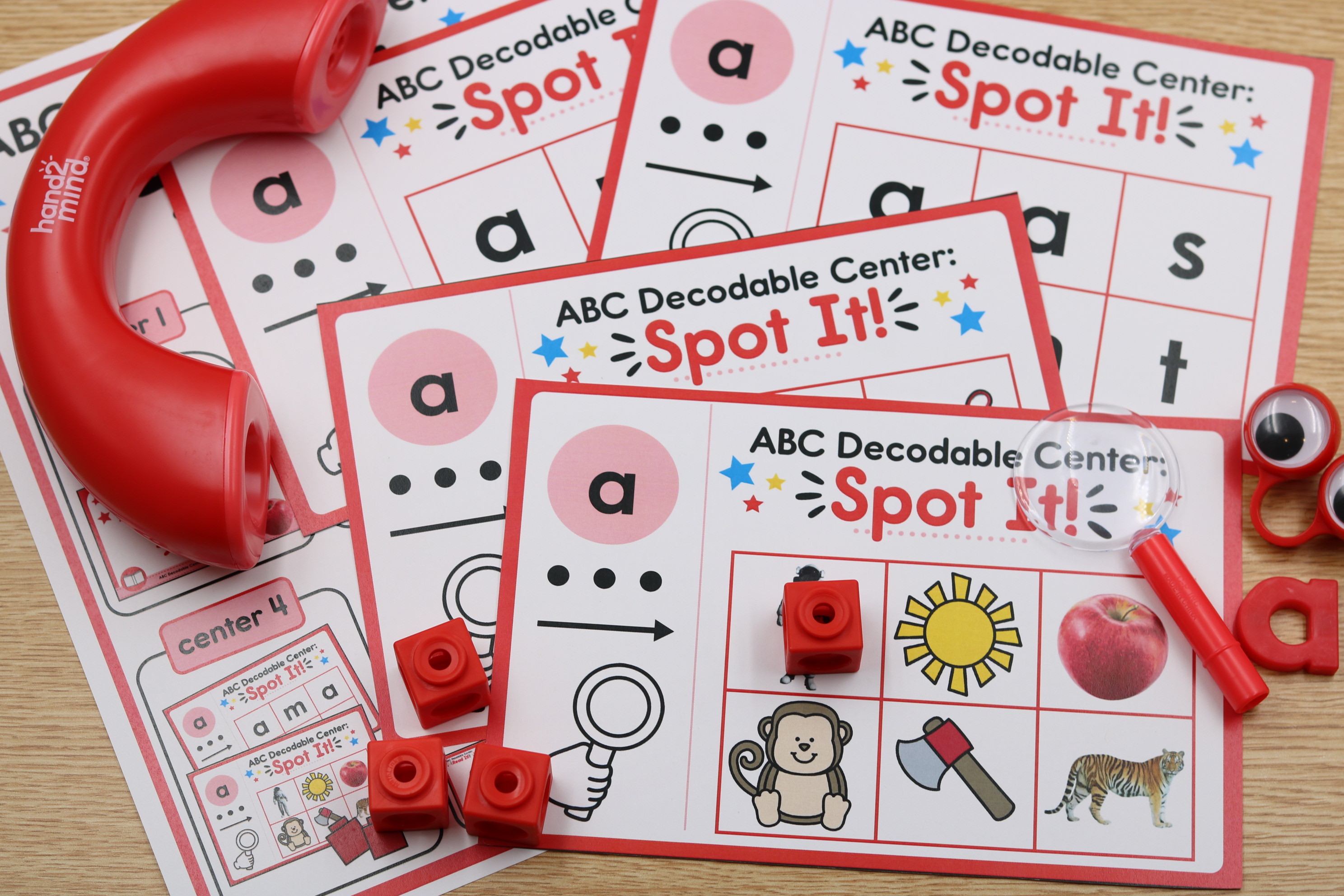
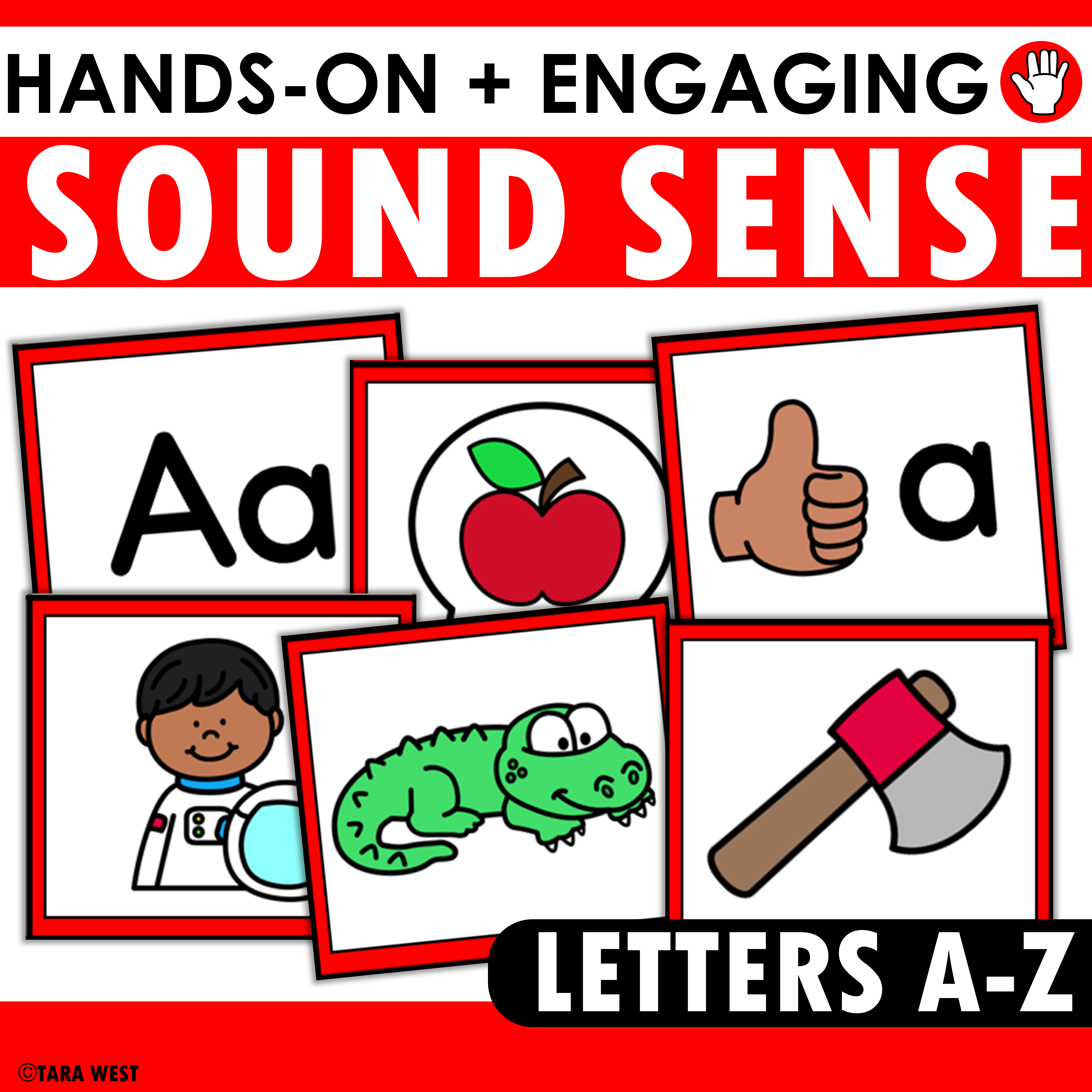
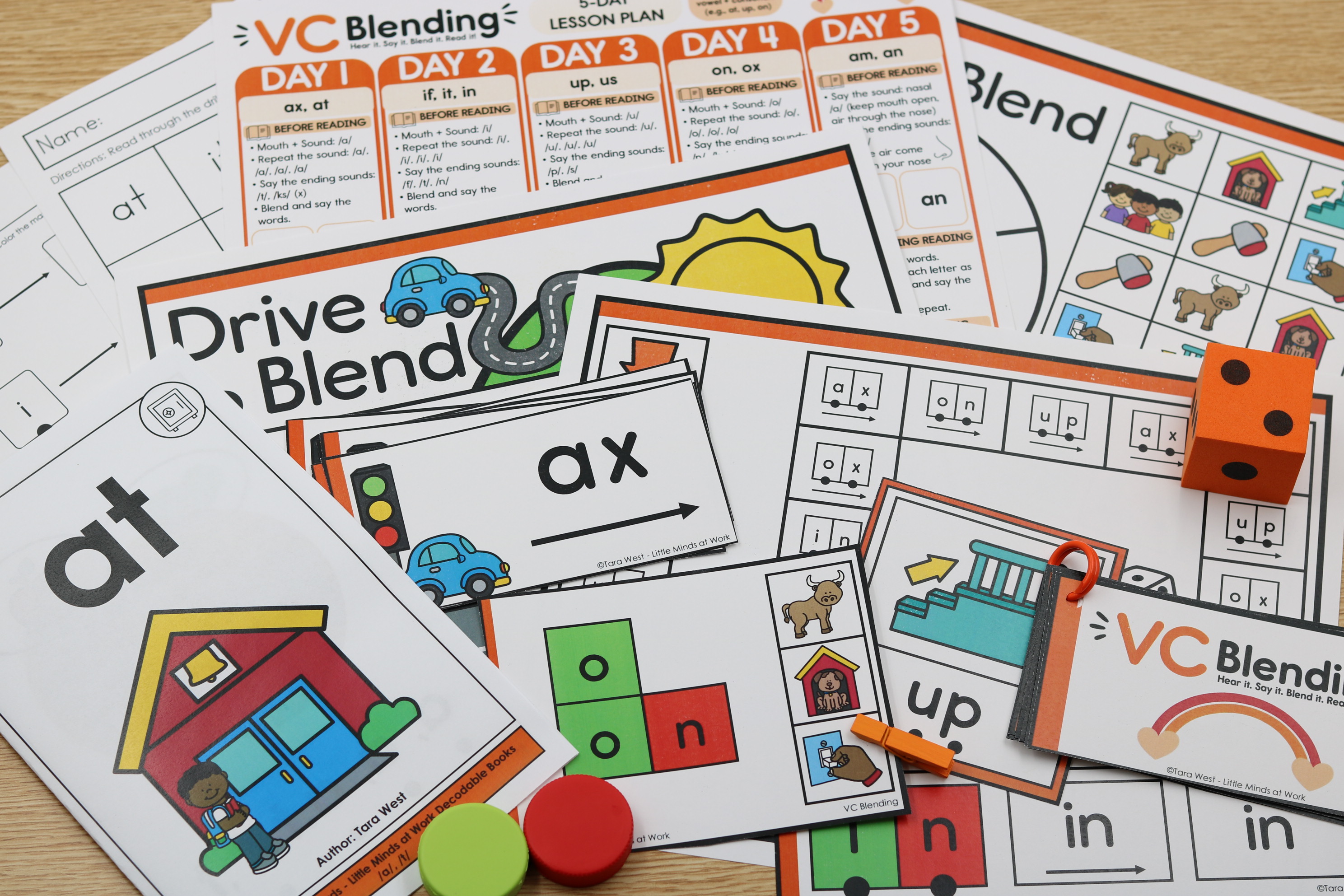
Decodable centers are a great way to connect what students are learning during small-group instruction directly to their independent center practice. The decodable column on the roadmap features the Alphabet Decodable Books + Centers, which allows you to introduce and teach with the alphabet book during small group and then extend that same learning into centers. Because students have already worked with the skill and materials alongside you, the center becomes an opportunity to apply familiar learning more independently.
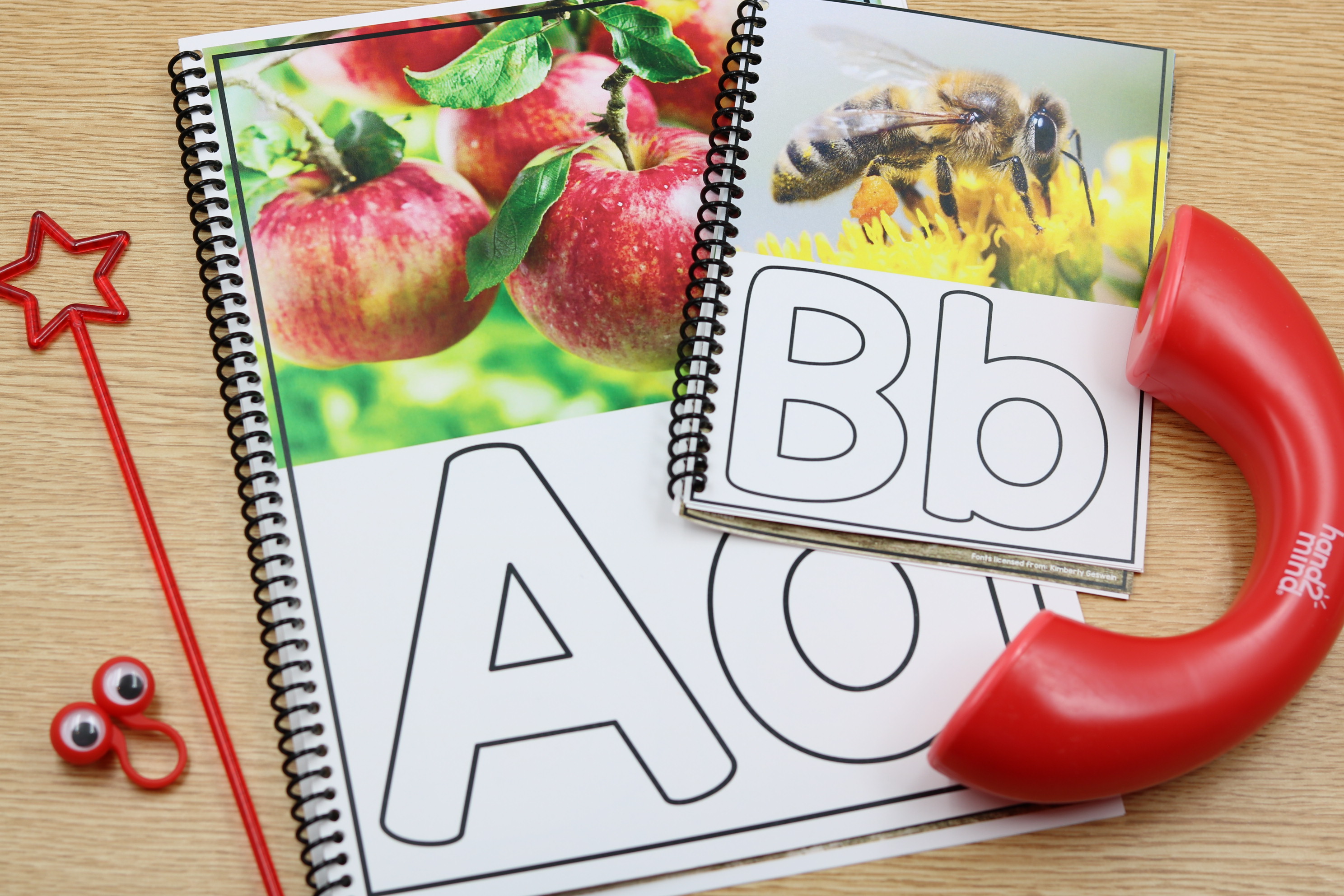
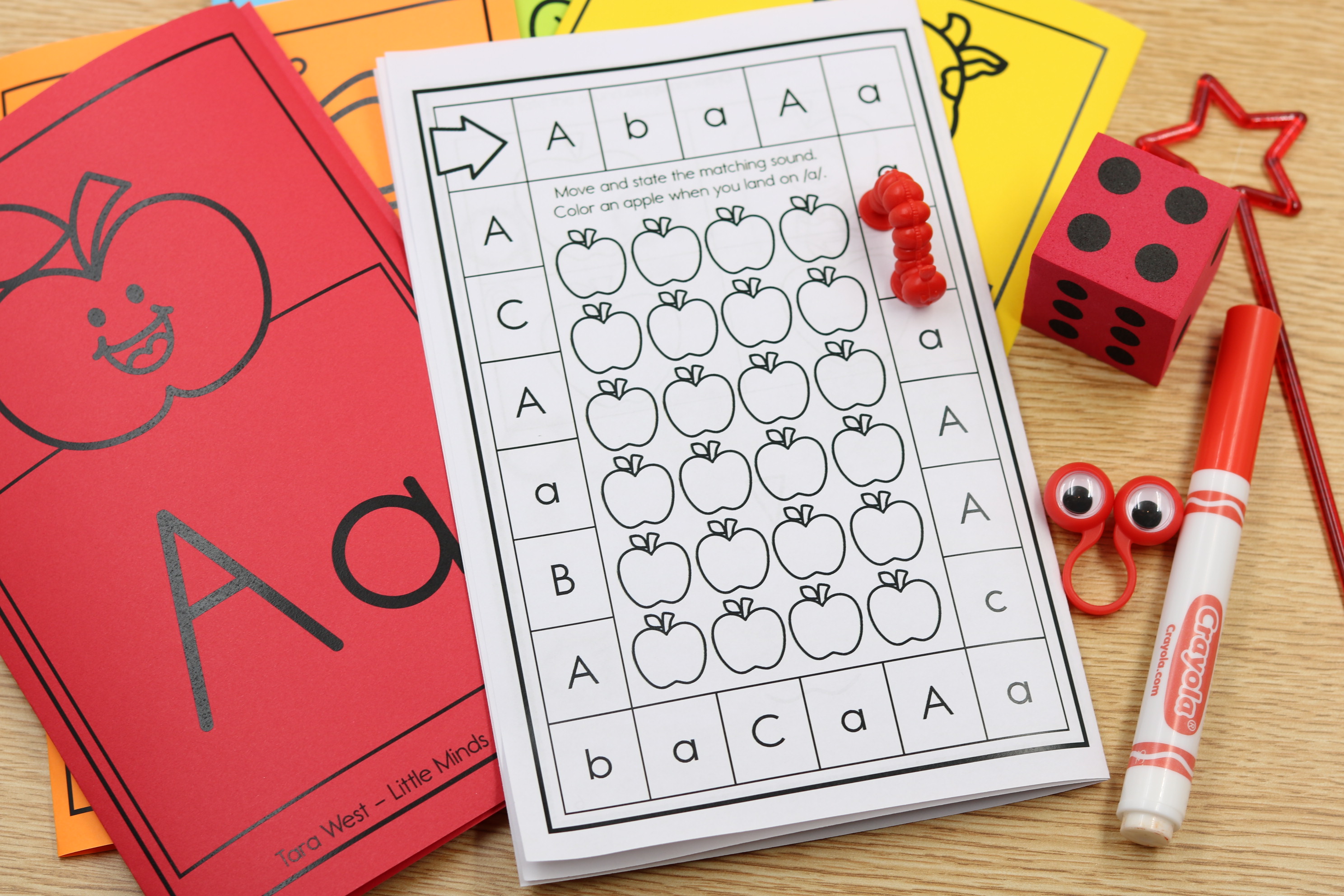
The roadmap also includes free options if you want to add even more decodable alphabet practice to your baskets, including the Free Realistic Photos ABC Tracing Book and Free Alphabet Books. You can mix these free downloads with the activities from the Alphabet Decodable Books + Centers set, or choose only the options that work for your students. As with the rest of the roadmap, the goal is to give you ready-to-use choices so you can spend less time searching for activities and more time building successful center routines.
Fine Motor Alphabet Centers
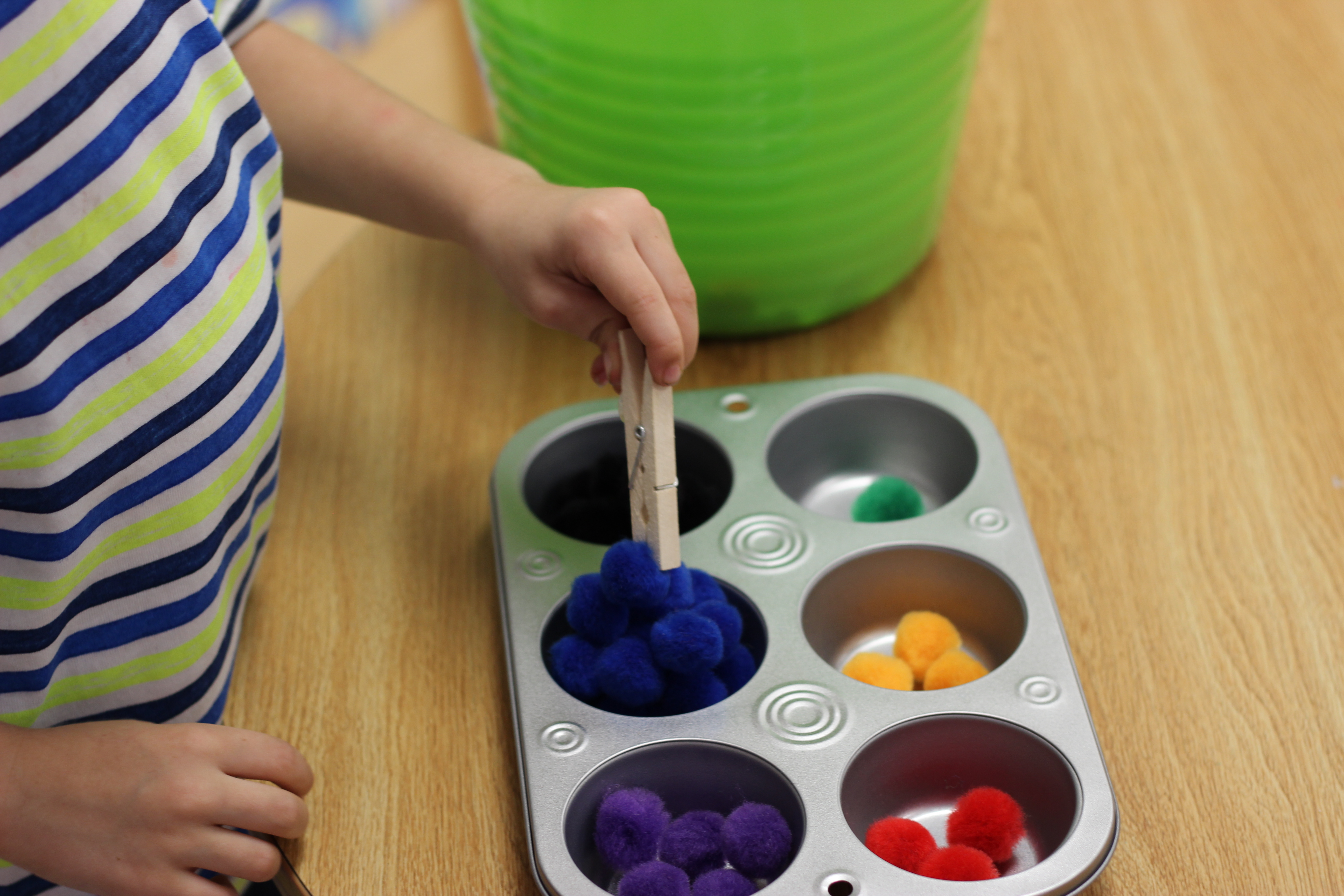
Fine motor centers are some of the most hands-on options on the roadmap, making them especially helpful while students are still building their center stamina. As we discussed earlier, hands-on materials can help keep students engaged for longer periods of time and give them something purposeful to explore and manipulate. They can also be a great option for students who have a harder time staying on task or who still need more support with skill-based activities. These students can participate in center time, practice alphabet skills, and experience success without needing constant teacher assistance.
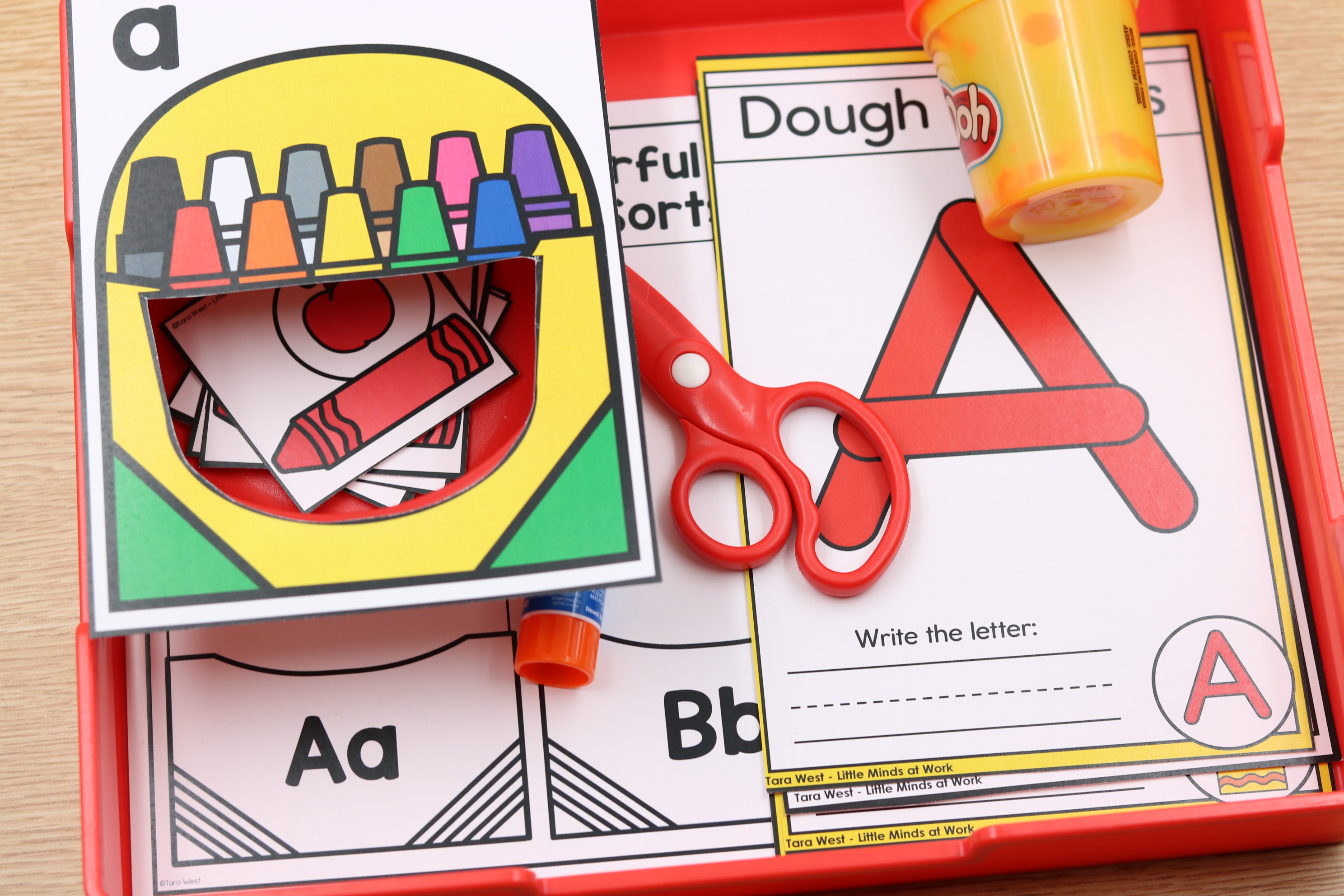
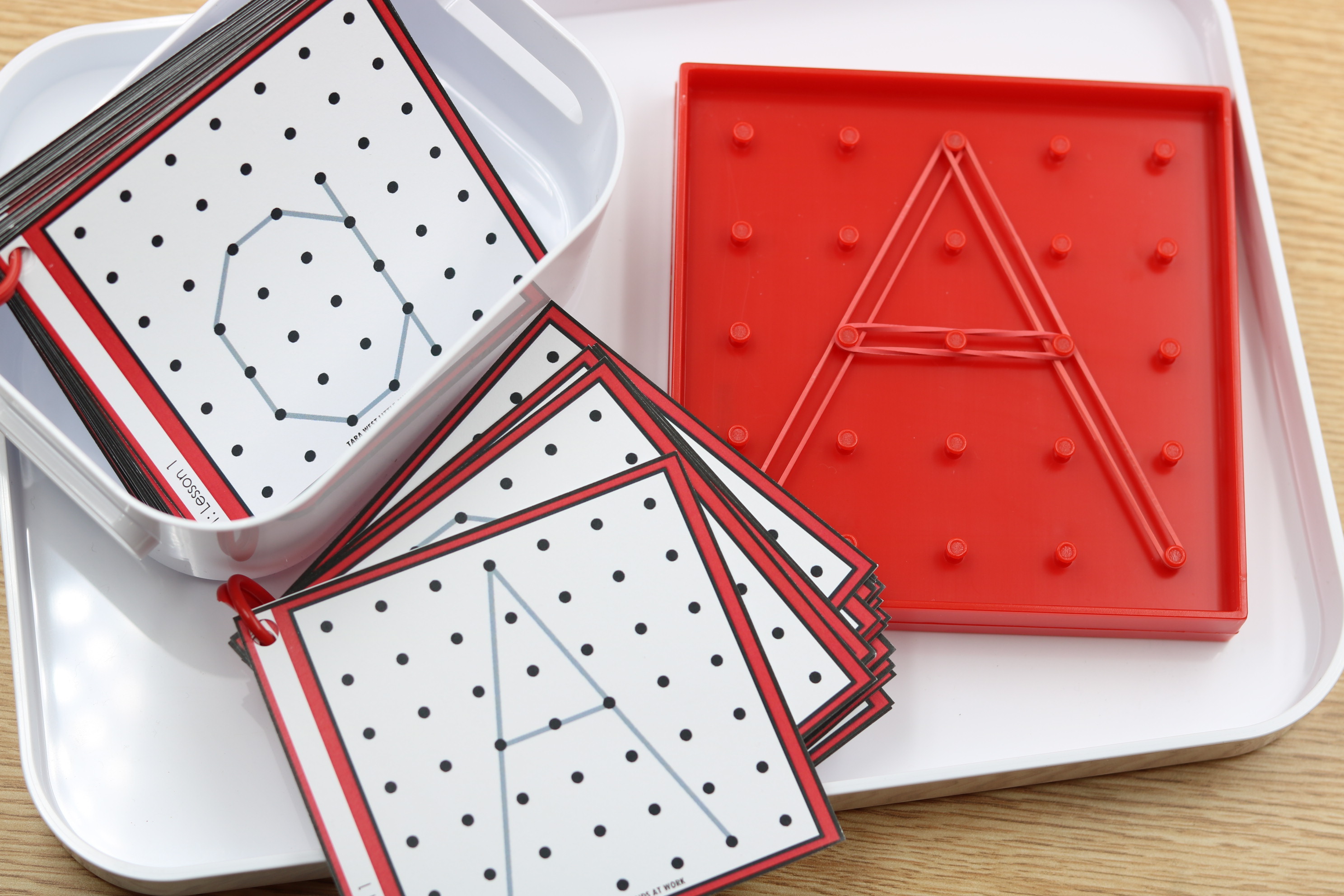
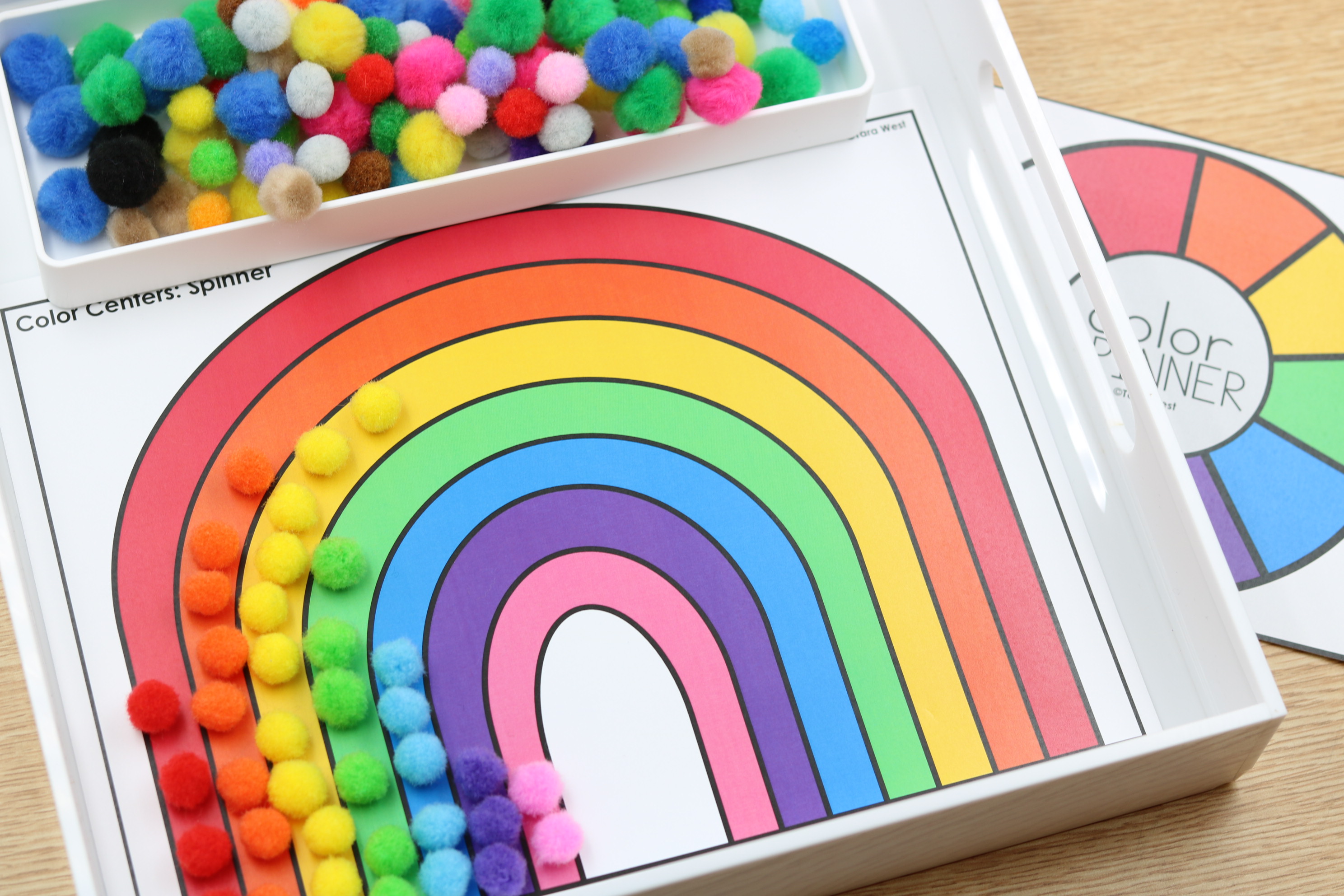
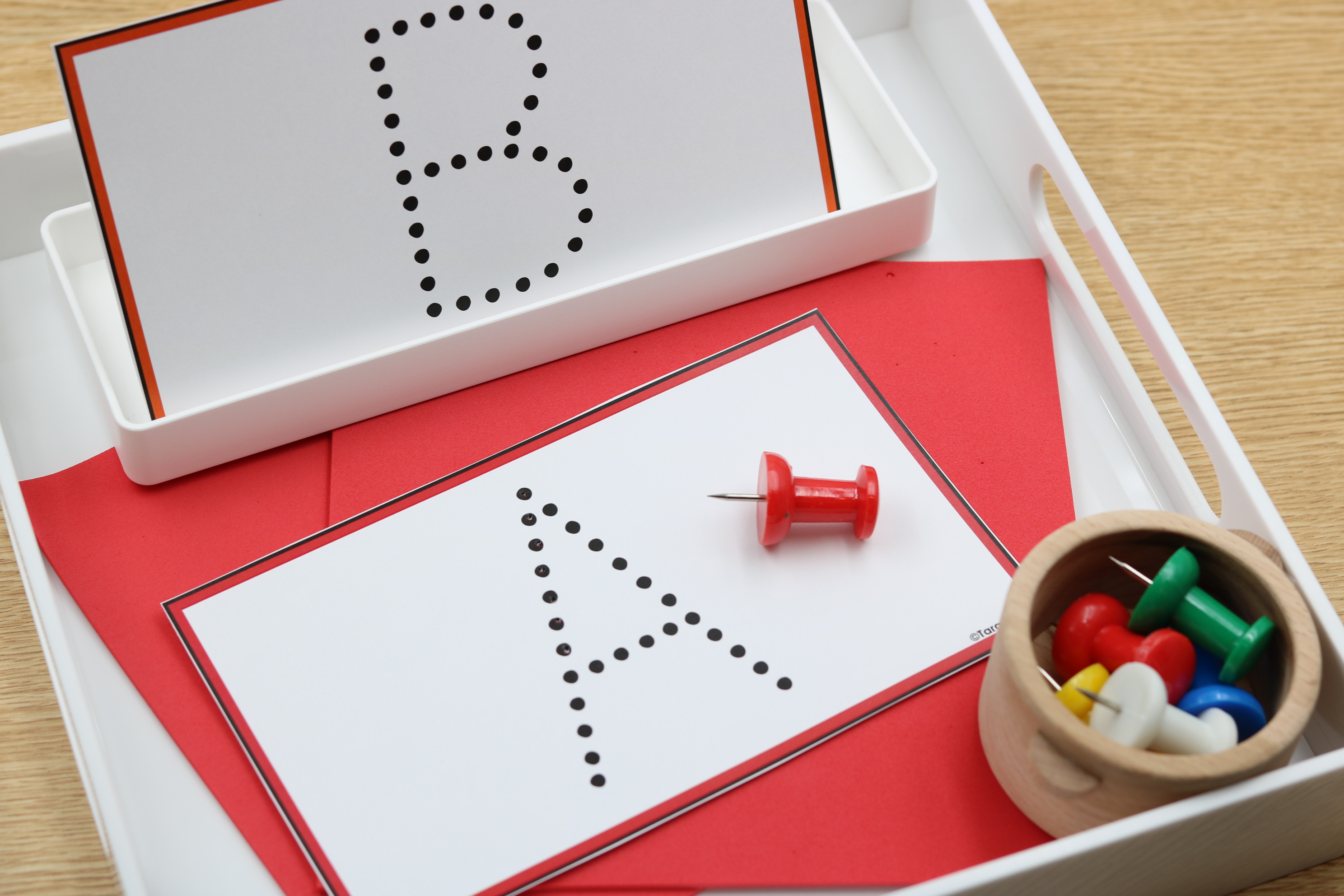
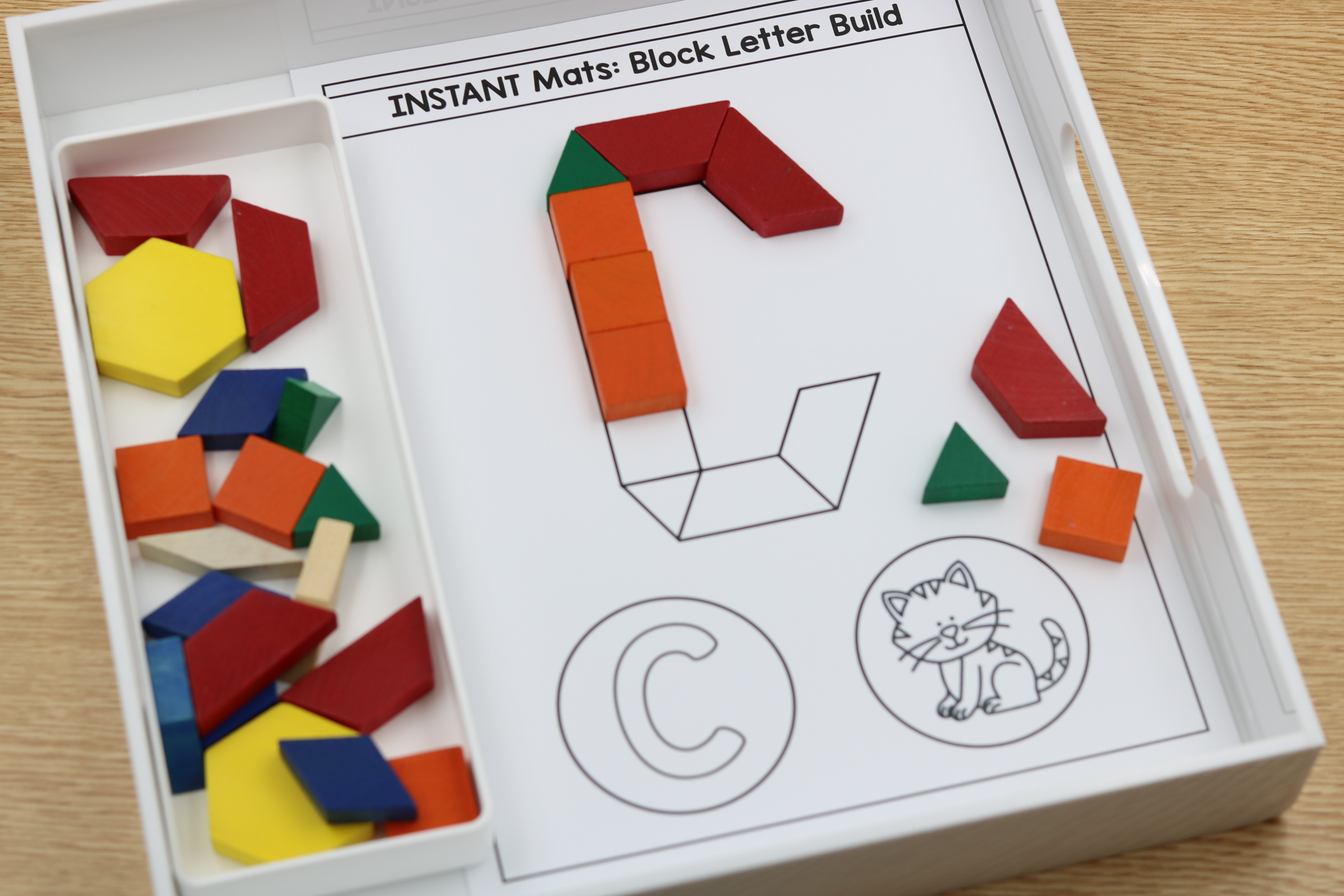
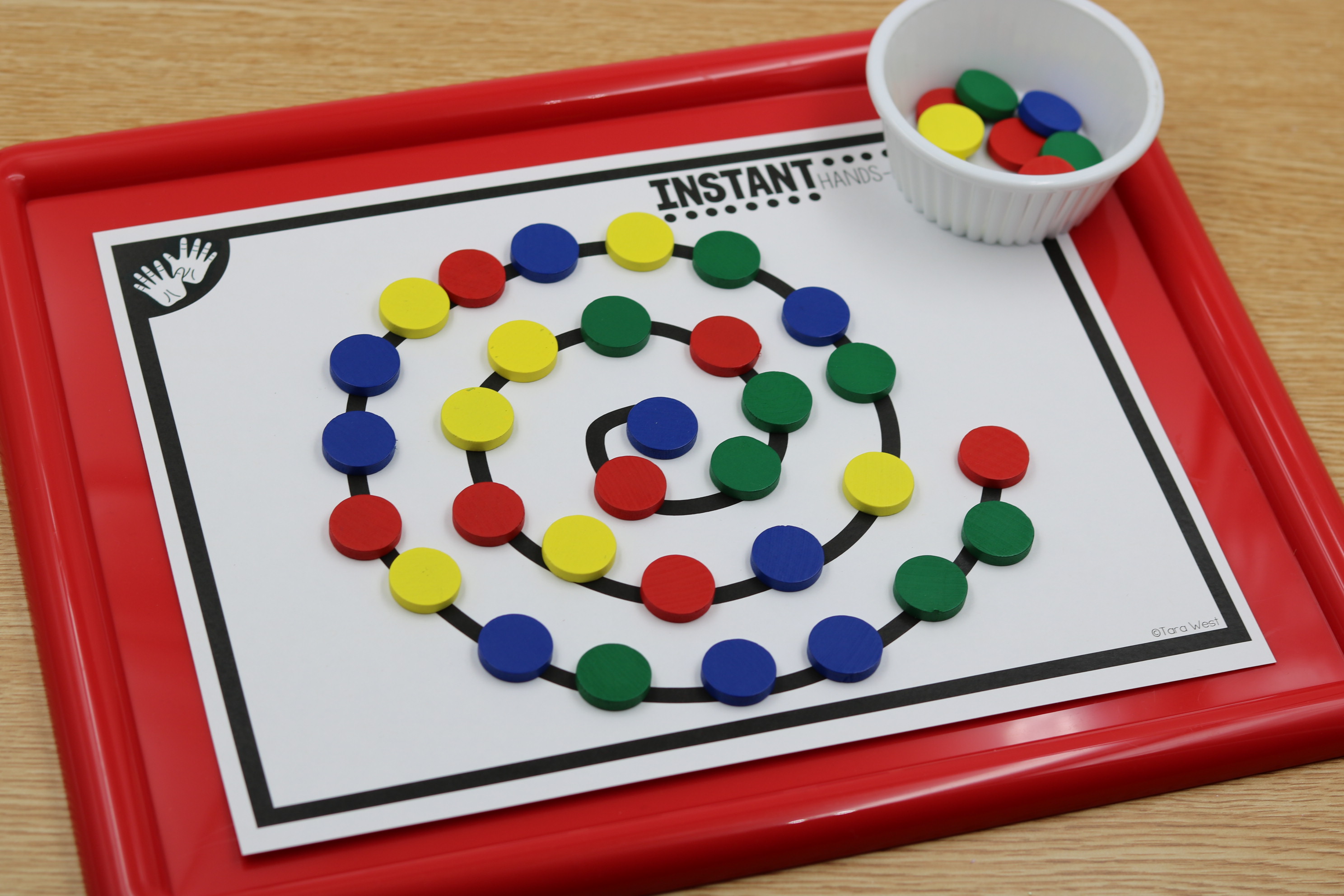
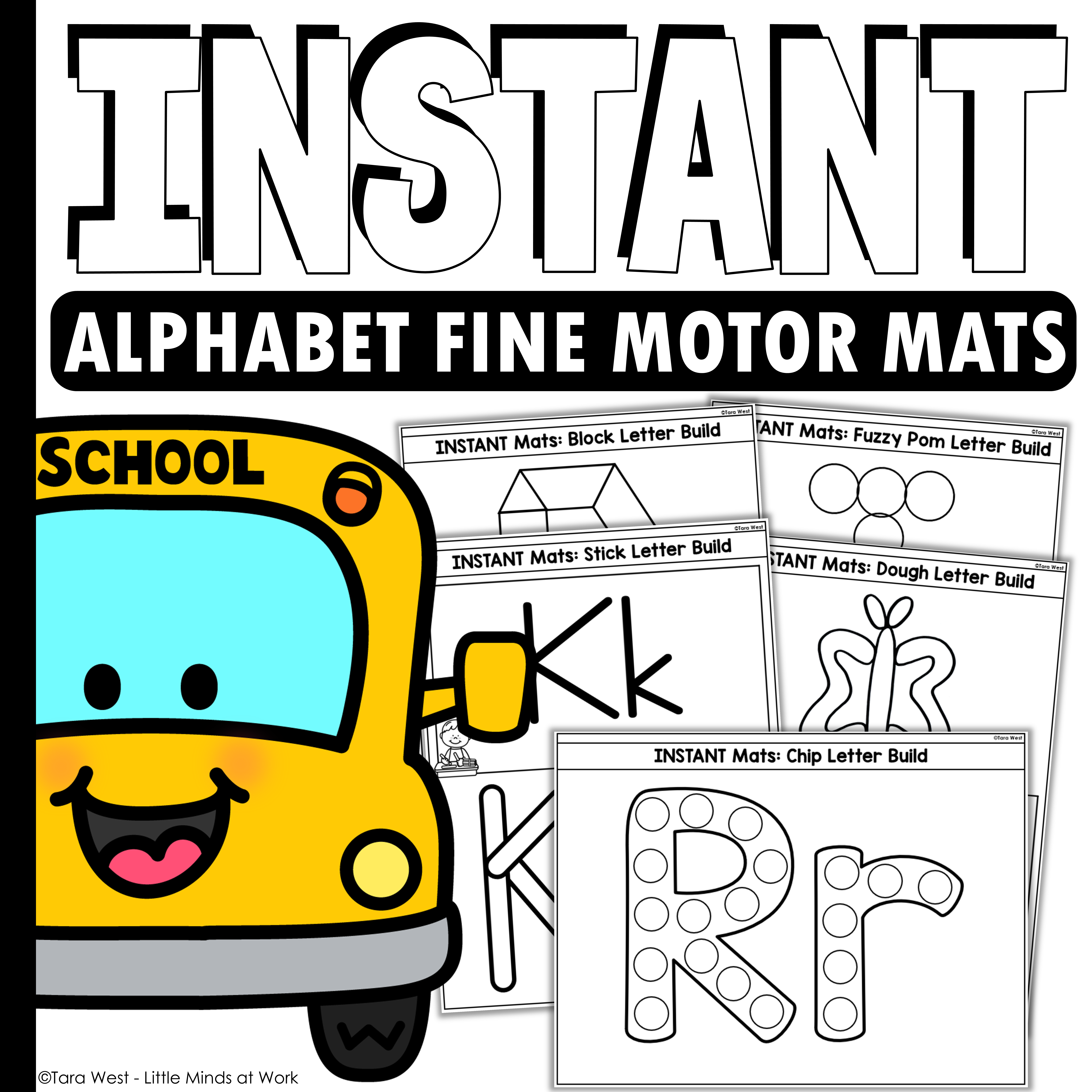
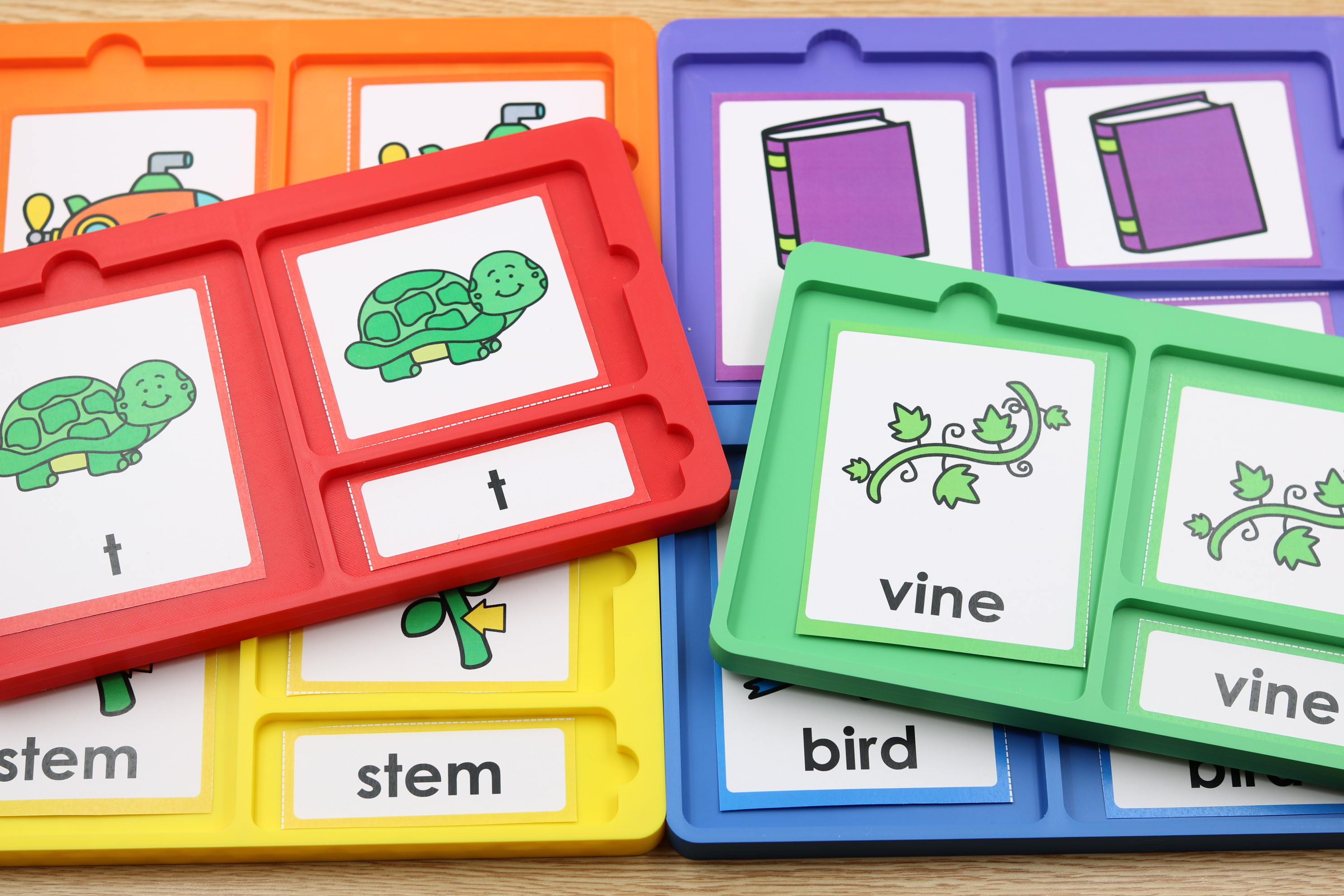
The fine motor column on the roadmap features activities from the INSTANT Tubs N Trays Color and Alphabet Editions, INSTANT Alphabet Fine Motor Mats, and Hands-On Exploration Mats.
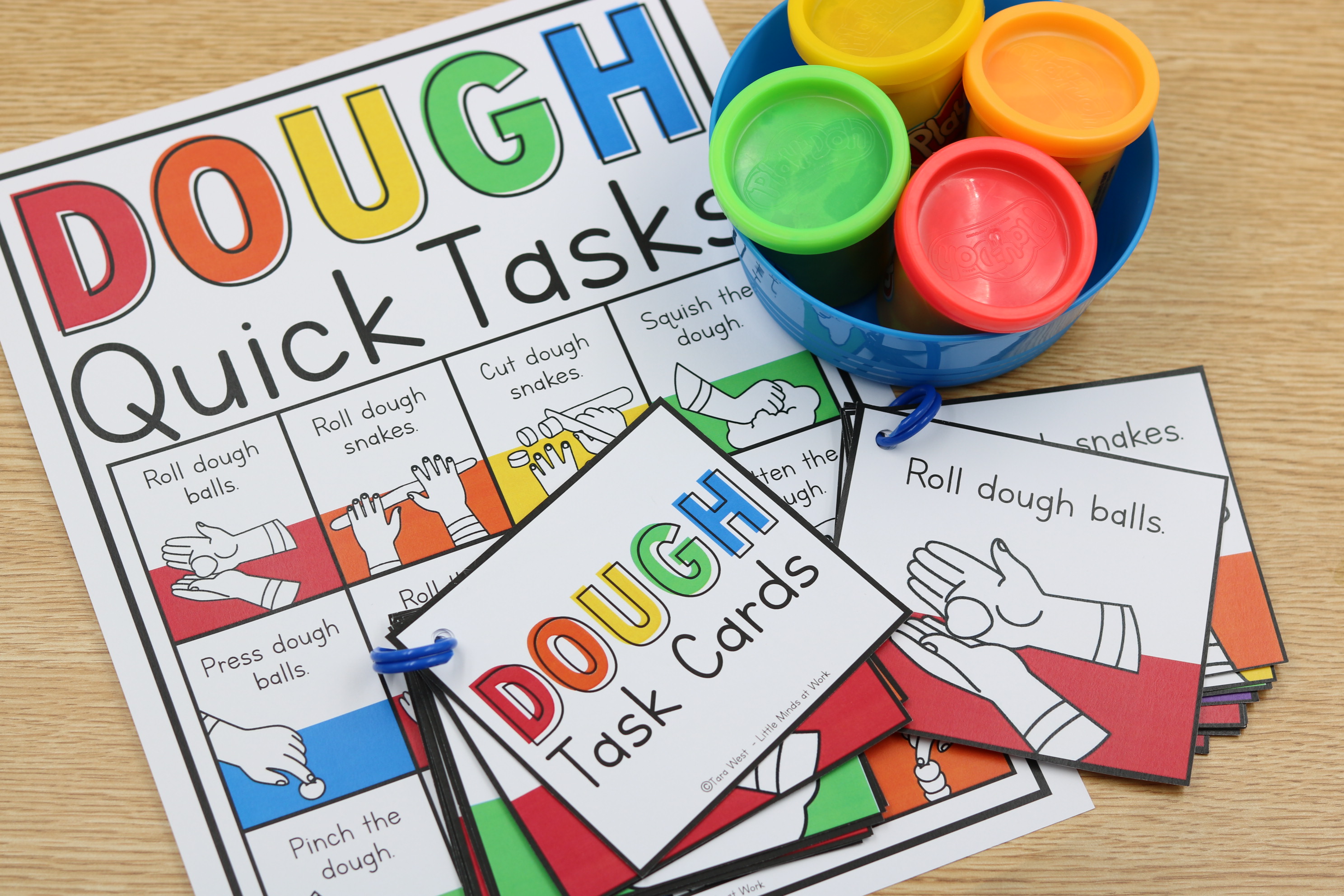
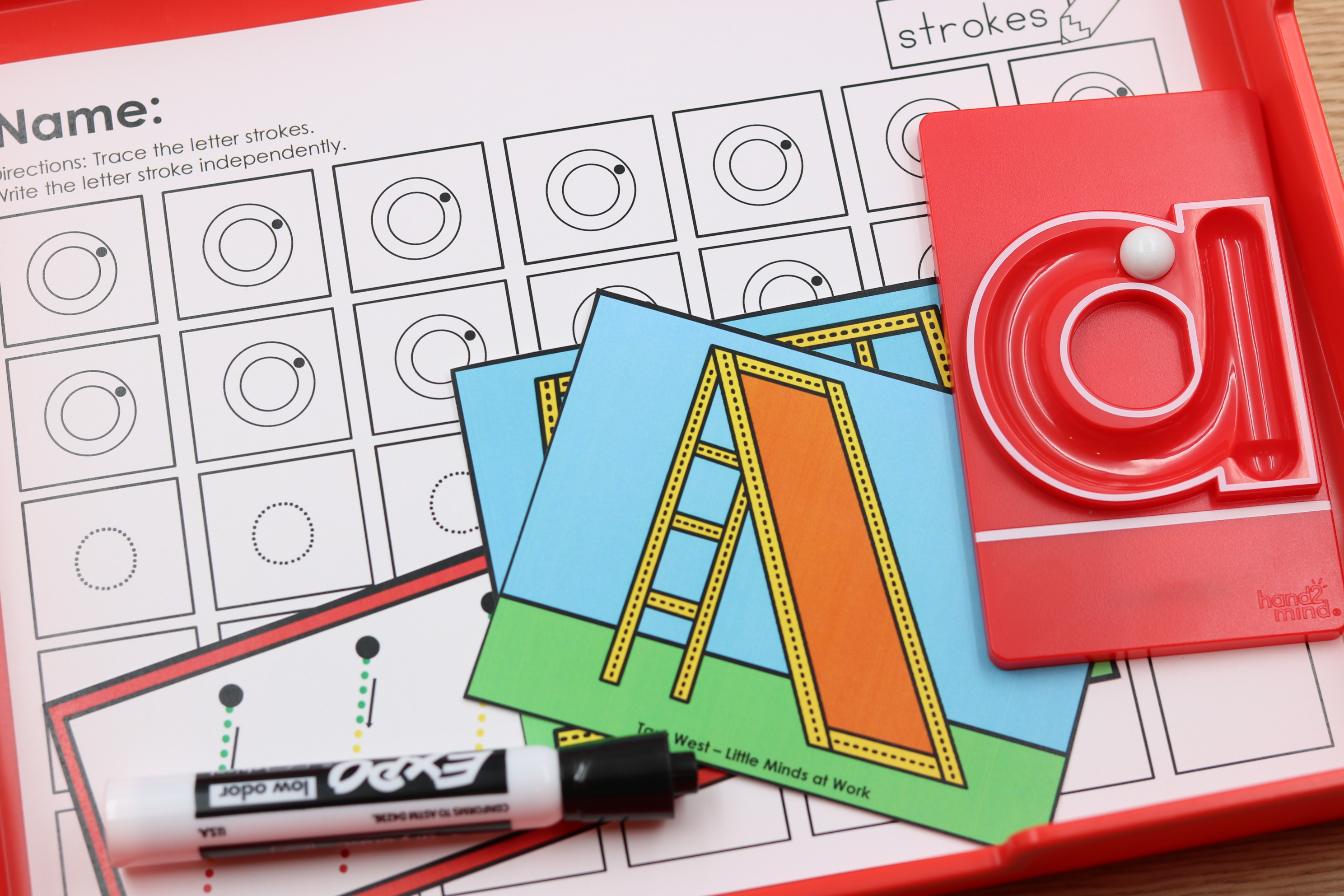
You will also find free options, including dough task cards and letter strokes downloads, so you can add hands-on alphabet practice to your centers at no cost. Just like the other sections of the roadmap, you can choose the activities that fit your students and mix them with familiar options to create center baskets that keep students engaged, successful, and working toward greater independence.
Ready to Get Your Centers Started?
Your centers do not have to be perfectly planned before you begin. The free Back to School Alphabet Centers Roadmap gives you center ideas across seasonal, skill-based, decodable, and fine motor activities so you can choose what works best for your students and your classroom. Pick a few activities, teach students how to use them, place them in your baskets, and start building that independence.
The best part is that the roadmap is a ✨clickable PDF✨ Simply click on any of the activity images inside the guide to view the corresponding resource or access the free downloads. You do not have to spend hours searching for center ideas or trying to remember where you saved an activity. It is all organized for you in one place.
👉 Download your FREE Back to School Alphabet Centers Roadmap and you can start putting your centers together tomorrow.
Do You Already Have These Back to School Alphabet Resources?
You may already have some of the resources featured throughout this roadmap tucked away in your files. If you are looking for even more activities to fill your center baskets, I gathered the featured Back to School Alphabet Centers resources below so they are easy to find in one place.
Take a look through what you already have or find a few new options to add to your center rotation. Many of these activity formats can continue to be used as students build their skills, making it easier to keep familiar center routines while increasing the rigor throughout the year. Click each image below to view the resource.