Once students begin learning individual letter sounds, the next step is helping them understand how those sounds work together to make words. This is where VC blending can be incredibly helpful. Students do not need to know every letter and sound before they begin blending. If a student knows /a/ and /t/, they already have what they need to begin blending the word at. Instead of waiting until students have mastered the entire alphabet and then jumping directly into CVC words, VC blending gives them an important bridge between producing isolated sounds and blending three sounds together in a word.
VC words contain just two sounds, a vowel followed by a consonant, so students can focus on learning the actual process of blending without having to hold three phonemes in their working memory. With a word such as at, students can say /a/ and /t/, begin bringing those sounds closer together, and eventually blend them smoothly to read at. This may seem like a tiny step, but it teaches something incredibly important: the sounds students have been learning are not isolated pieces of information. Those sounds can be connected to read real words.
Students Don't Need to Know Every Sound Before They Blend
One of the biggest reasons I love beginning with VC blending is that blending practice can grow right alongside your phonics instruction. We do not need to wait for students to know 26 letters and sounds before asking them to read. As soon as students know two sounds that can be combined into a real word, they can begin practicing the blending process. If they know /a/ and /t/, they can read at. As additional sounds are introduced, their bank of words they can blend continues to grow.
This also fits beautifully within a systematic phonics scope and sequence. Students are practicing with the sound-spellings they have actually been taught rather than being presented with words containing unfamiliar sounds. The focus stays on applying known phonics skills and learning how to move through a word from sound to sound. Over time, that same blending process can be extended from two-sound VC words to three-sound CVC words and eventually to increasingly complex phonics patterns.
Which VC Words Should Students Practice?
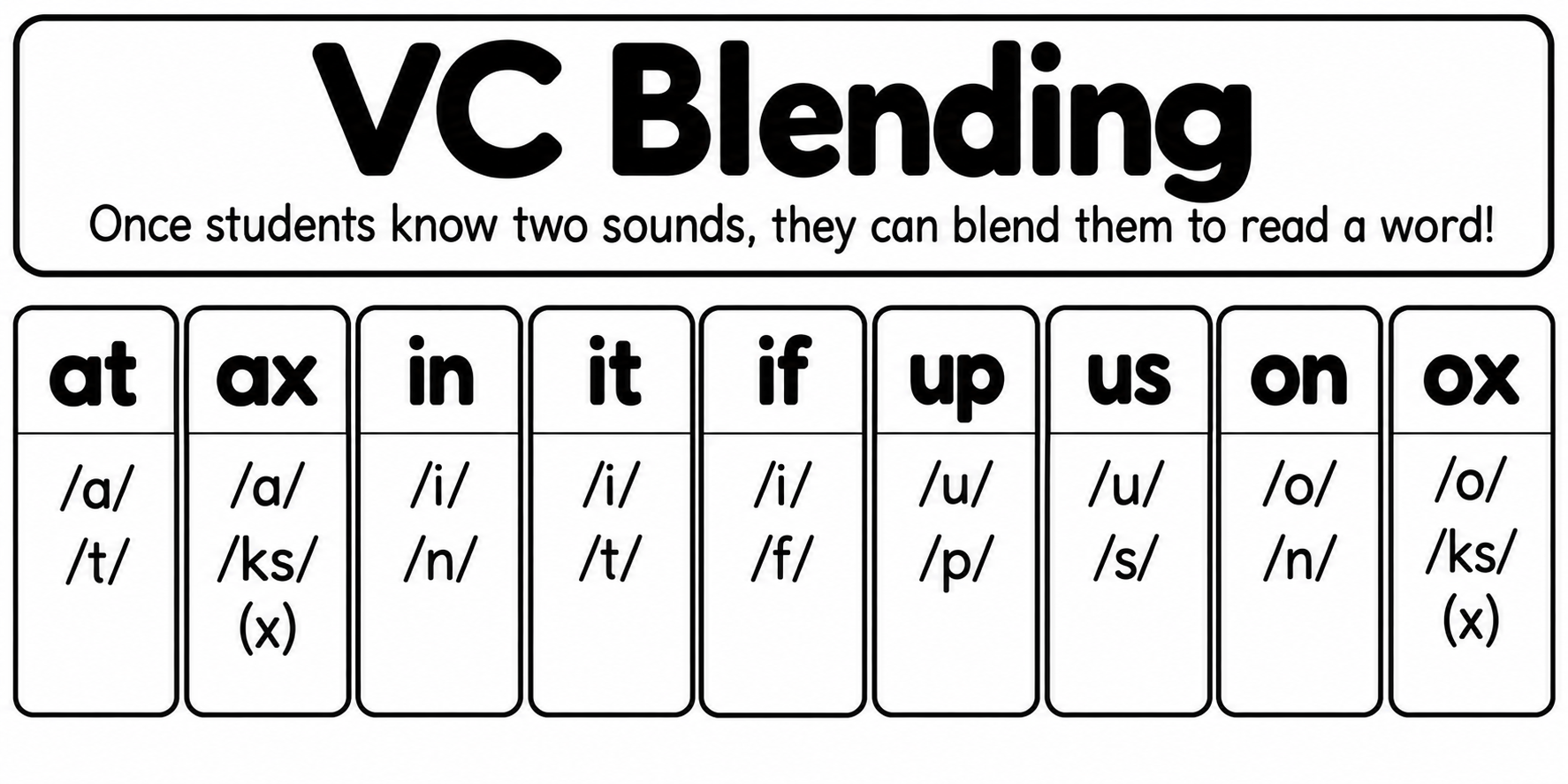
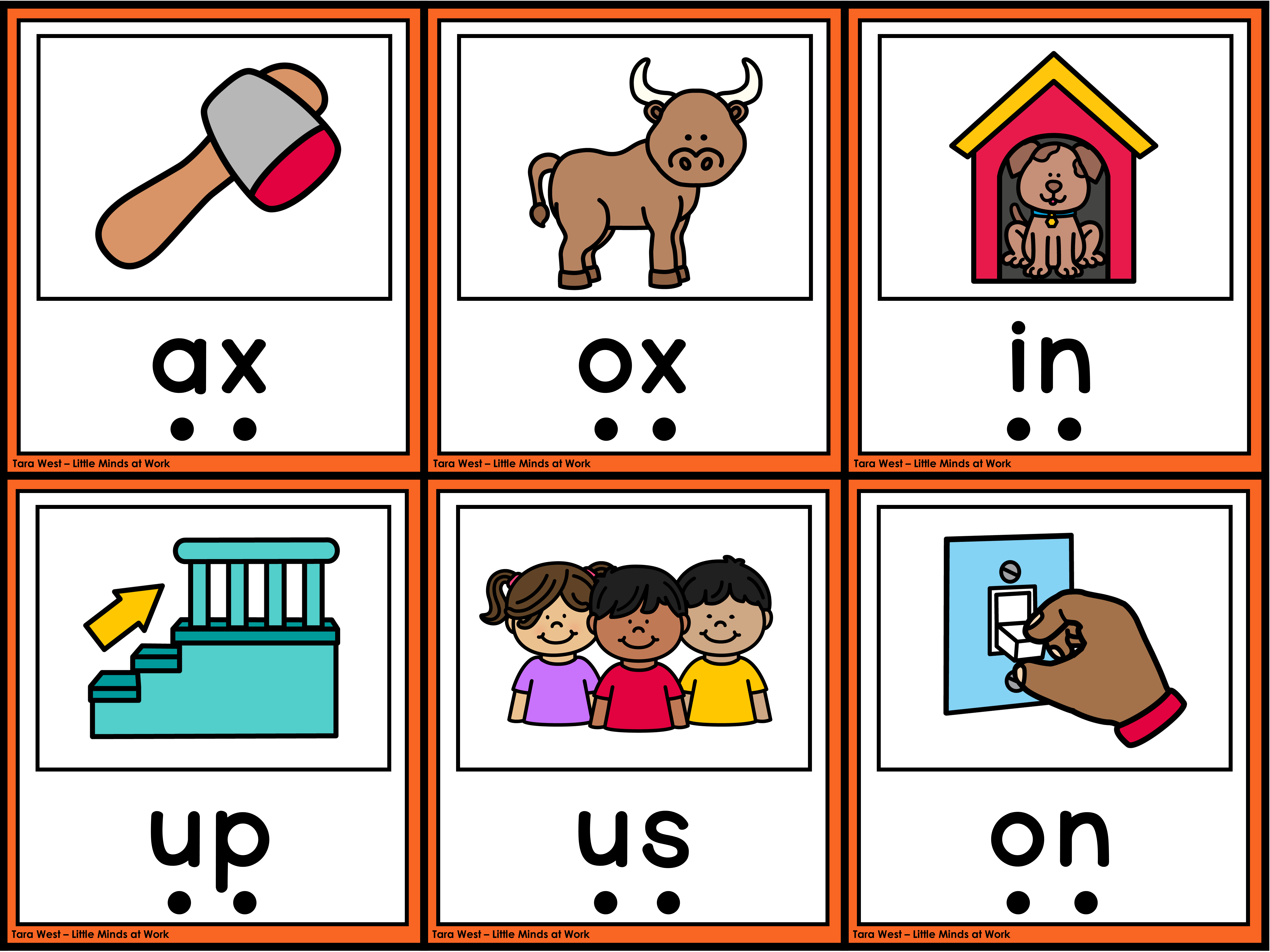
For this earliest blending work, I like to focus on real words students can actually read and understand. My core VC words are at, ax, in, if, it, up, us, on, and ox. This small collection gives students practice blending with several short vowel sounds while keeping the overall word structure incredibly simple. There is no need to create a massive list of VC combinations just for the sake of blending practice. A smaller collection of real words gives students plenty of opportunities to practice the process while also reinforcing that the sounds they blend together create meaningful words.
As students work with these words, the routine can remain very consistent. Students hear and produce the individual sounds, connect each sound to its corresponding letter, bring the sounds closer together, and then say the complete word. That predictable routine allows their attention to stay on the blending itself instead of constantly learning a new procedure.
What About am and an?
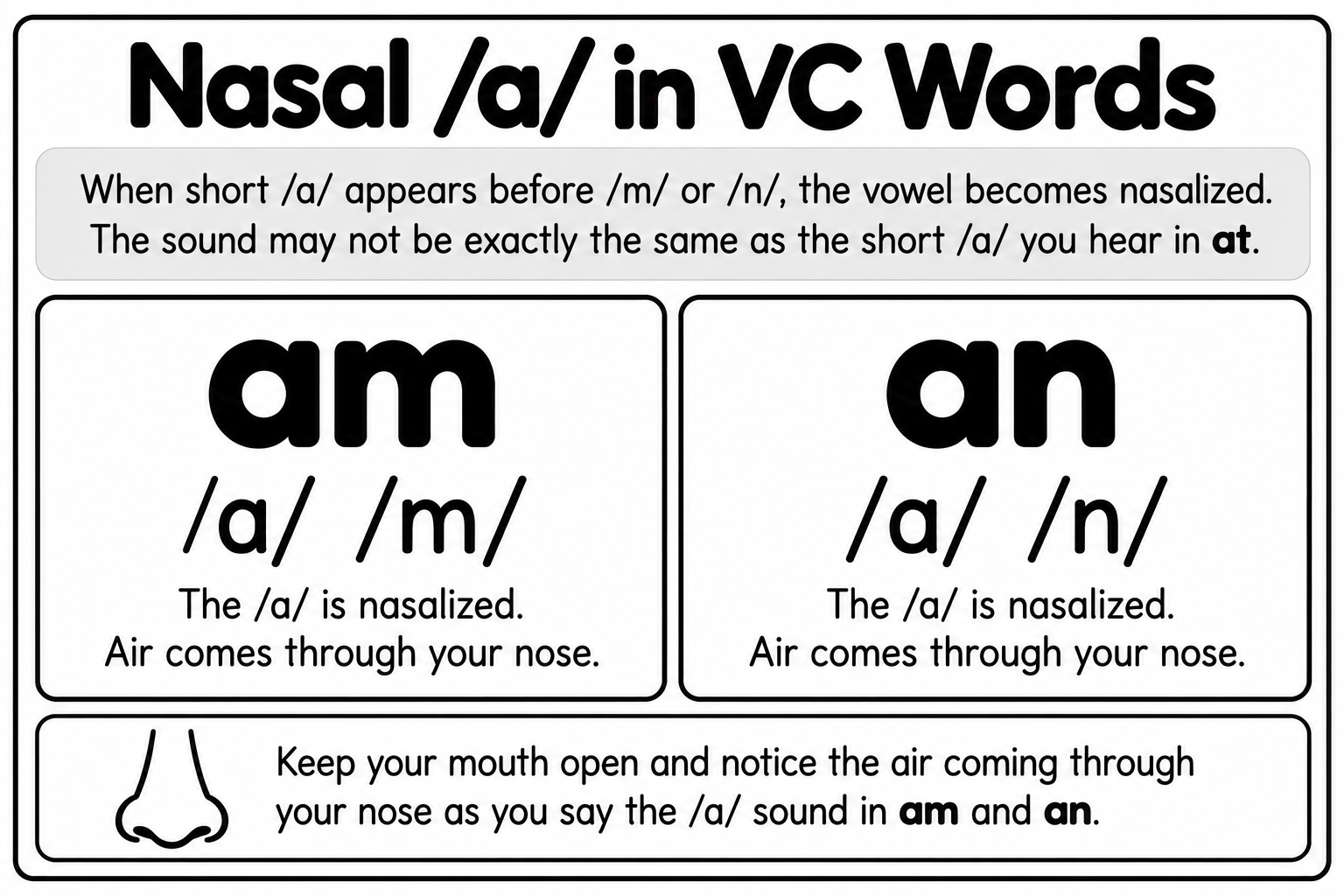
The words am and an can absolutely be included in VC blending instruction, but I like to teach them with one important caveat: the nasal /a/. When short /a/ appears before /m/ or /n/, the vowel becomes nasalized and may not sound exactly like the clean short /a/ students previously practiced in a word such as at. For a beginning reader who is trying very hard to match exactly what they hear to the sounds they have learned, that difference can be confusing if we never explain it.
Rather than avoiding am and an, we can simply make students aware of what is happening. Have students produce the nasal /a/ while keeping their mouth open and noticing that air is also moving through the nose. Then practice the ending sounds /m/ and /n/ before blending the complete words. This gives students an explanation for why the vowel may sound a little different while still allowing them to practice two extremely useful VC words.
FREE 5-Day VC Blending Lesson Plans
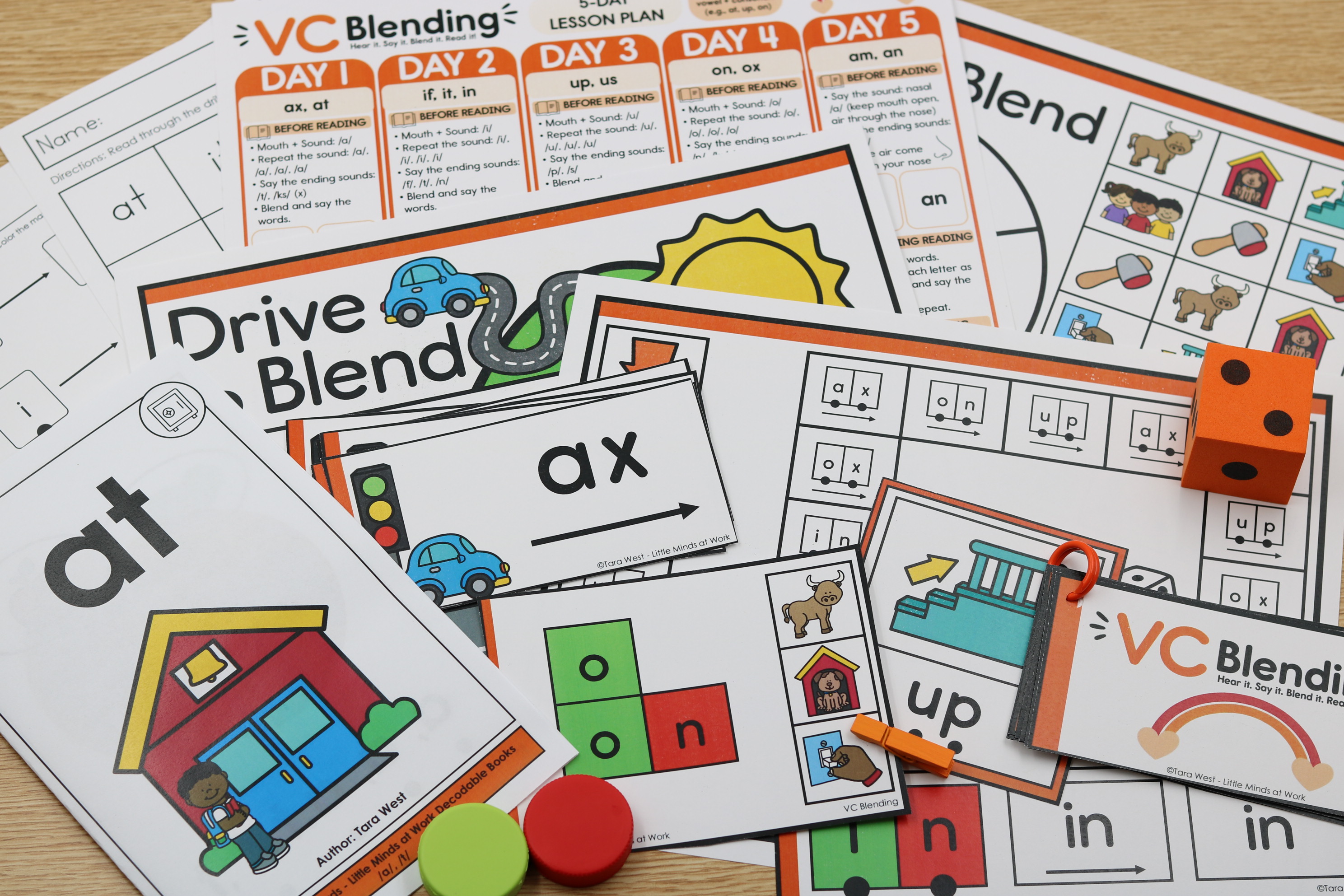
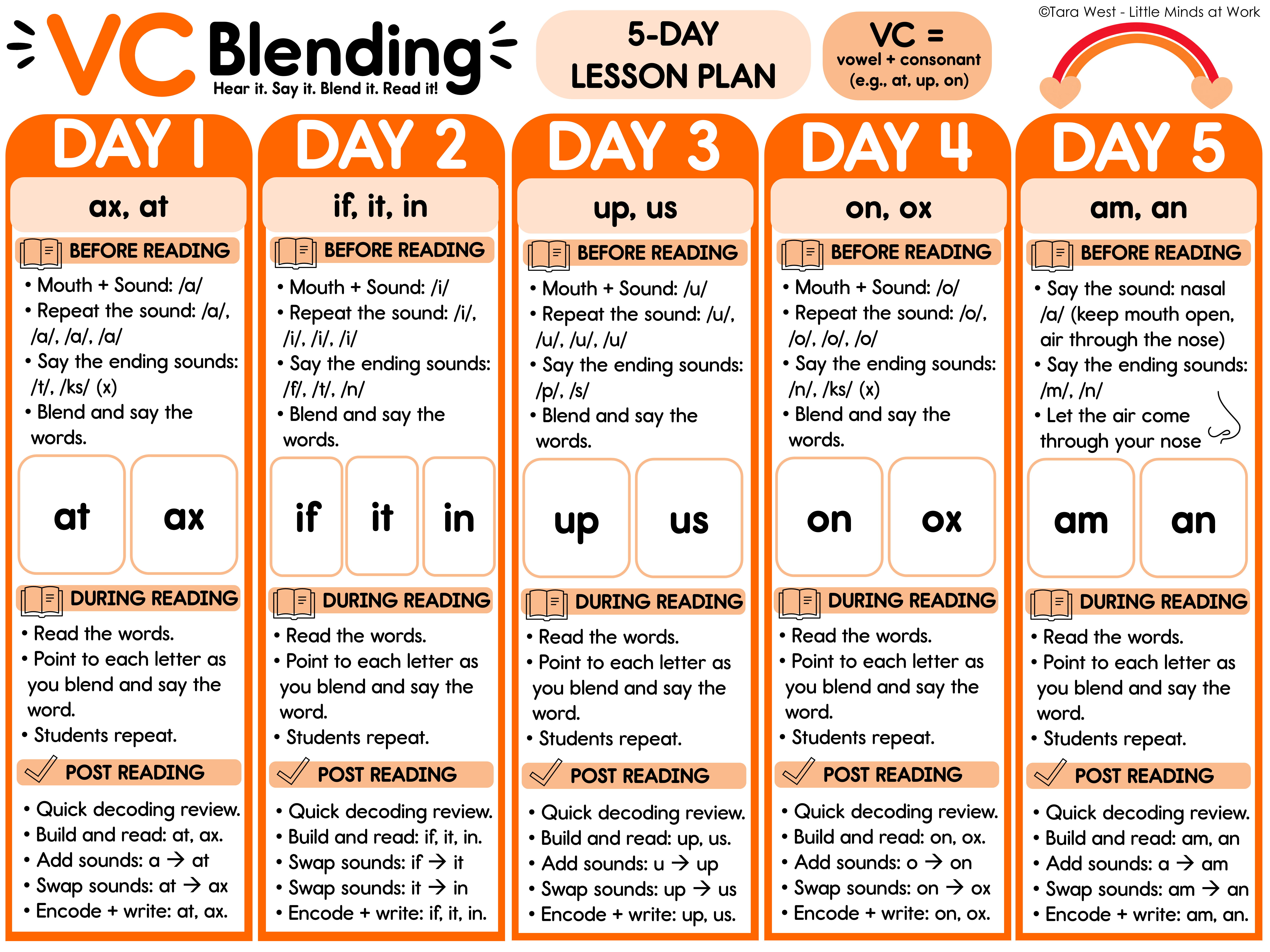
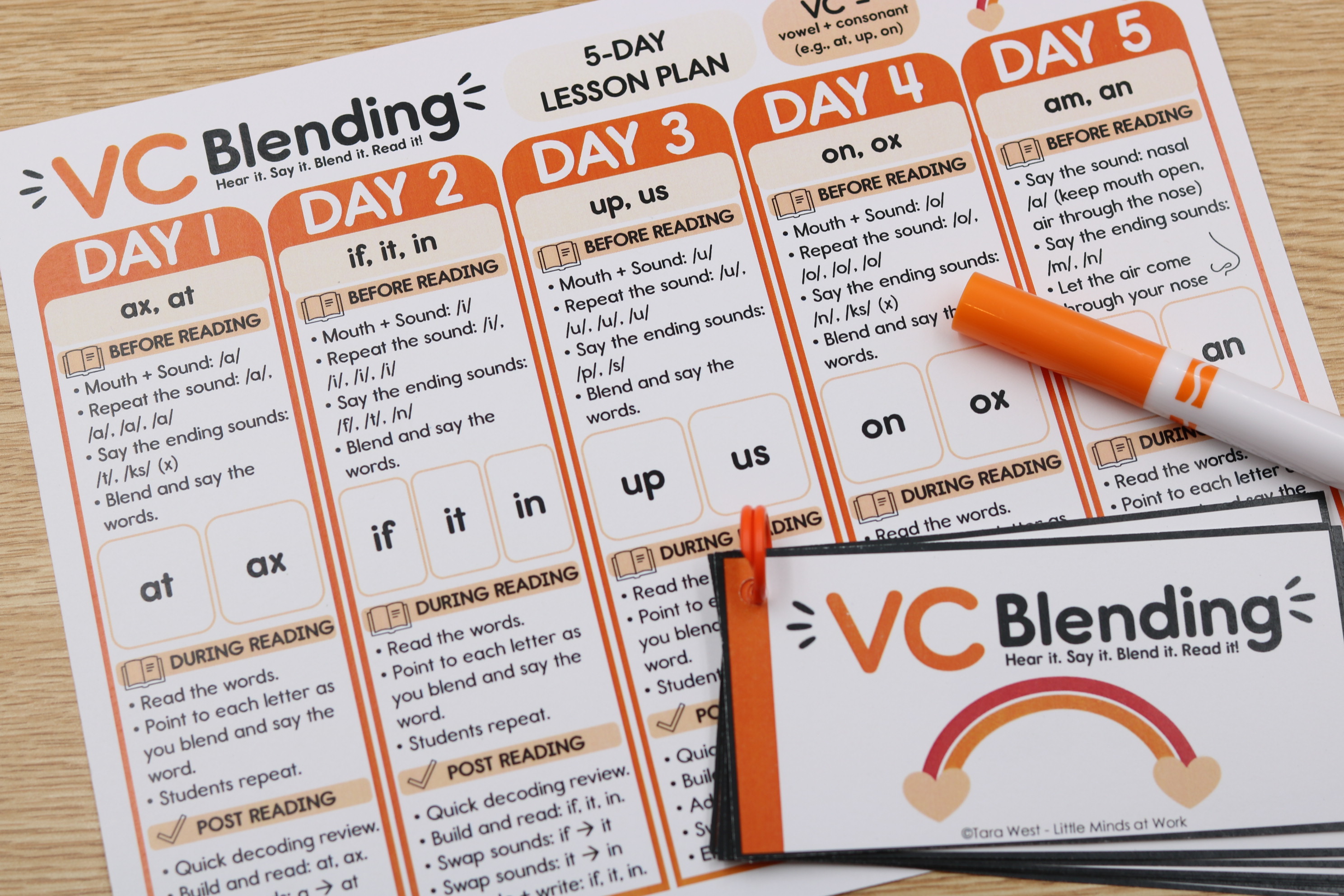
If you're wondering exactly how to put all of this into instruction, I created a FREE 5-Day VC Blending Lesson Plan that maps out the entire progression for you. The lesson plan begins with ax and at on Day 1, moves to if, it, and in on Day 2, up and us on Day 3, on and ox on Day 4, and finishes with am and an and the nasal /a/ mini-lesson on Day 5. This gives students repeated blending practice while gradually introducing new vowel sounds and keeping the number of words manageable.
Each day is also divided into before-reading, during-reading, and post-reading instruction. Before reading, students practice the individual sounds and begin blending them together. During reading, students point to each letter as they blend and read the words, with the teacher modeling and students repeating as needed. After reading, students complete a quick decoding review and work with the words through building, adding or swapping sounds, and encoding. The goal is to move beyond simply having students repeat VC words and instead give them practice hearing, saying, blending, reading, manipulating, and writing them.
👉 Access the free 5-day VC lesson plans HERE.
FREE VC Blending Digital Slides
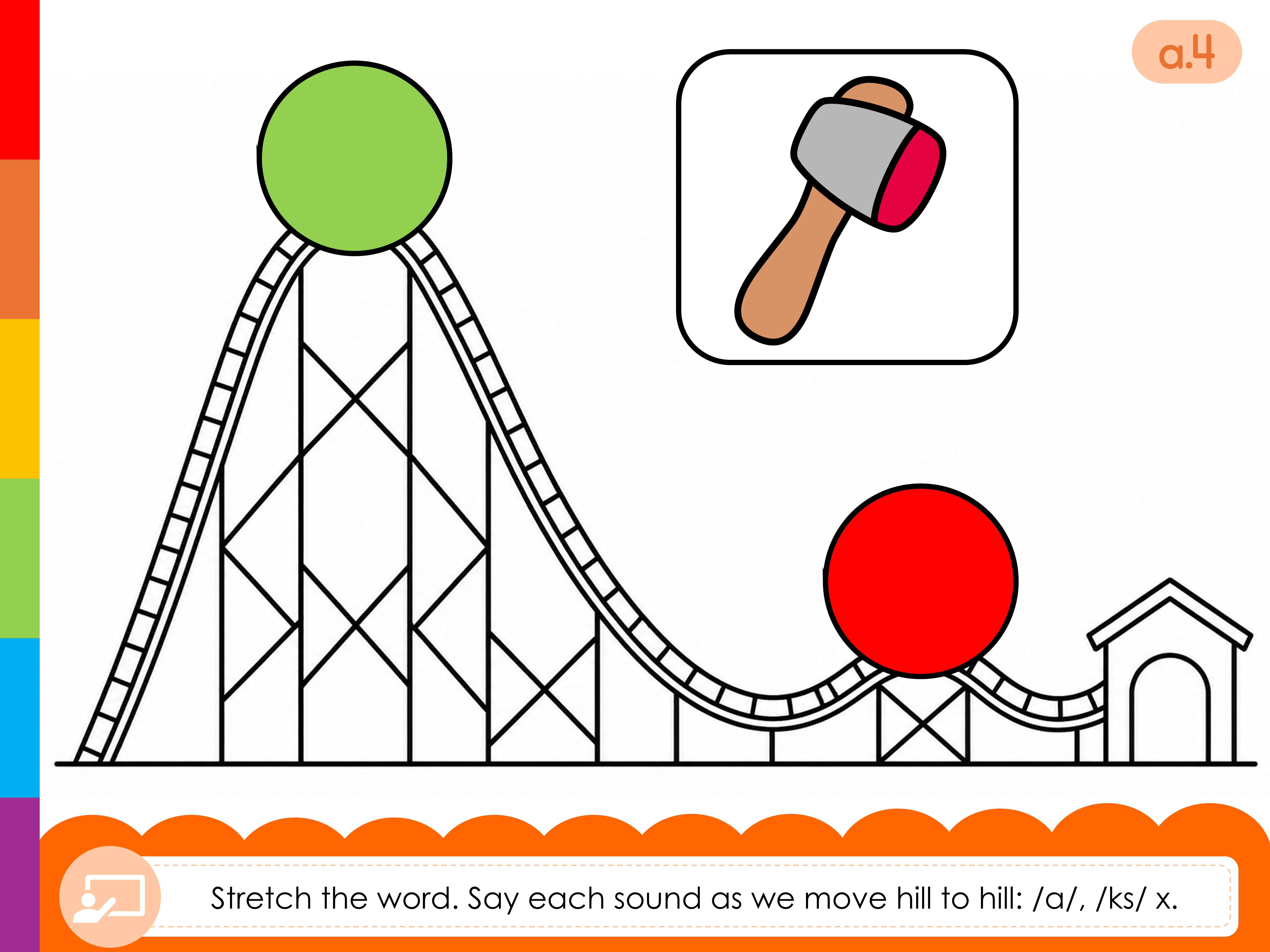
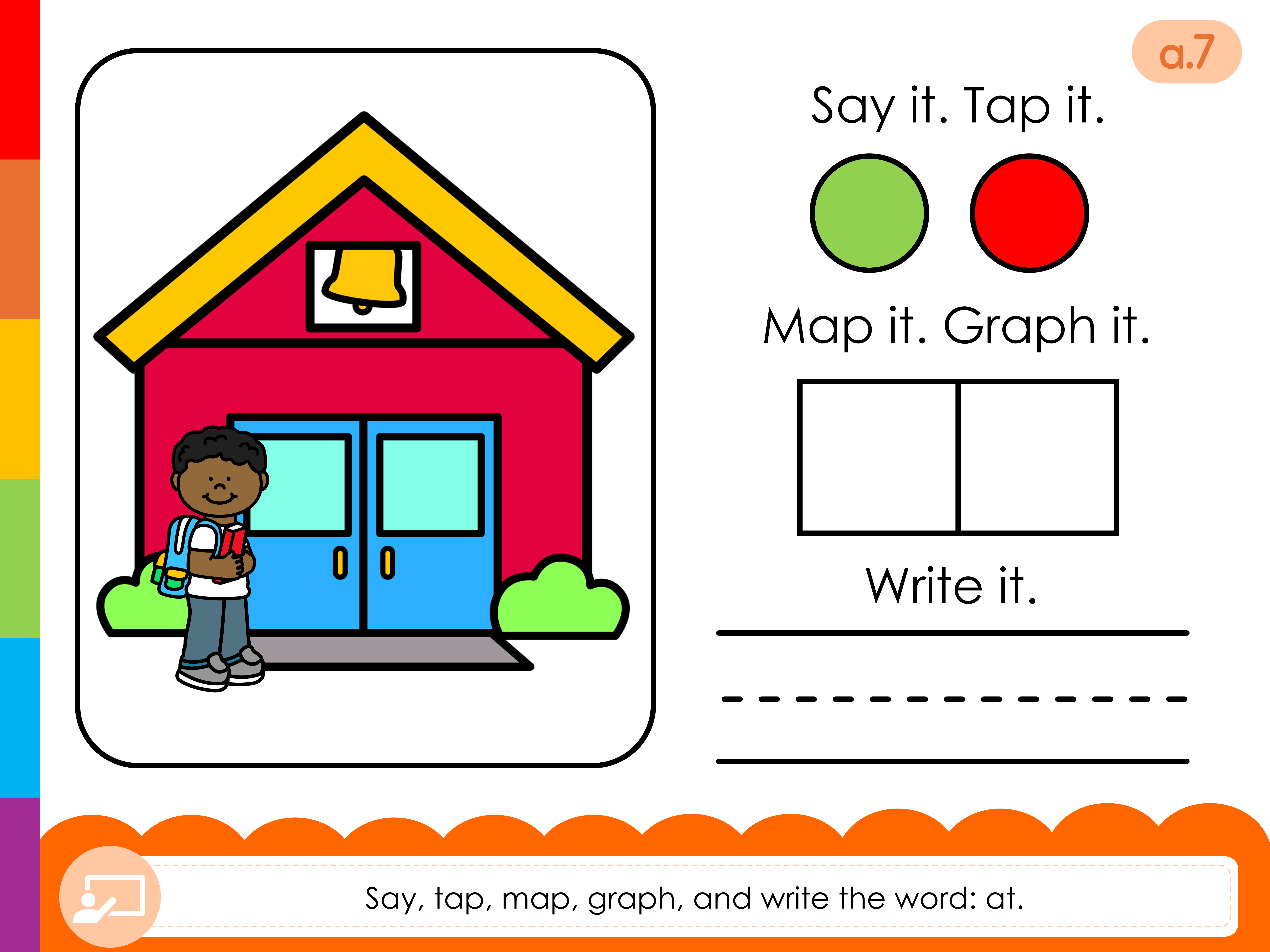
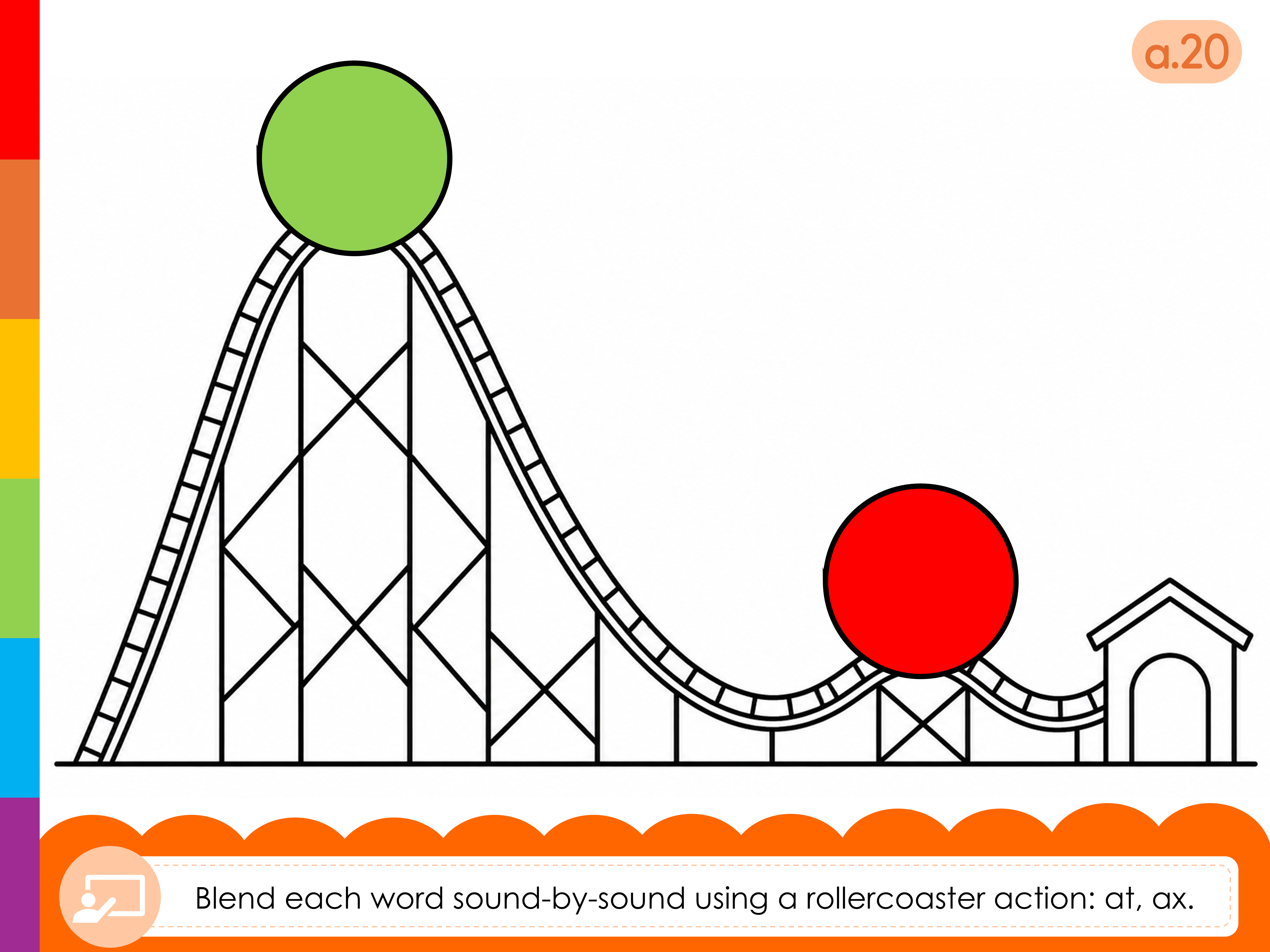
Want another ready-to-teach option for direct VC blending instruction? These FREE VC Blending Digital Slides include 85 slides across four structured phonics lessons designed specifically for beginning blenders. Students practice connecting phonemes to graphemes, blending sounds, mapping and building words, decoding VC words, and reading them in context.
The slides work especially well for whole-group instruction or a quick 10–15 minute phonics lesson. Use them alongside the 5-day lesson plans or as another way to explicitly teach the blending process before students move into CVC words.
👉 Access the FREE VC Blending Digital Slides HERE!
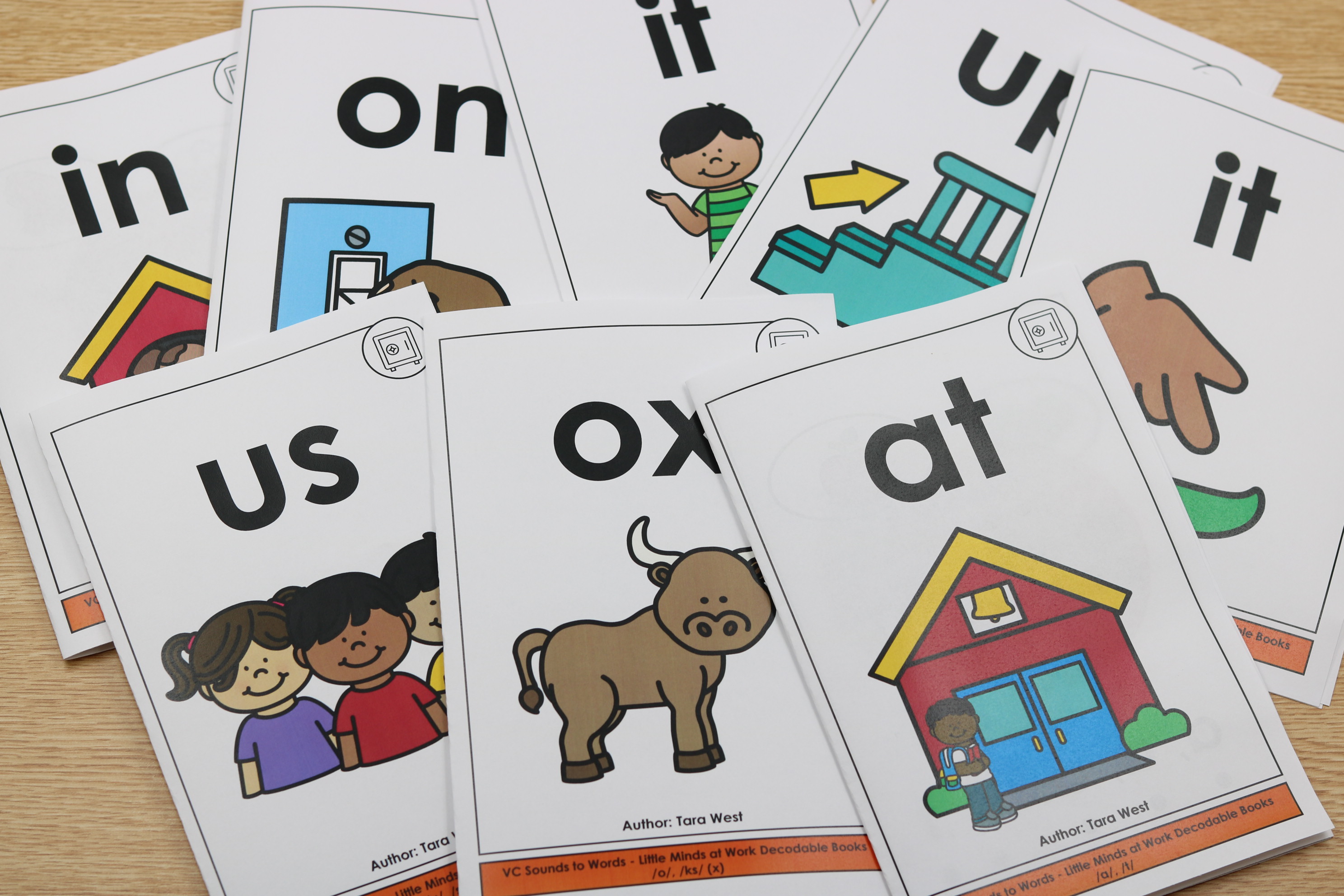
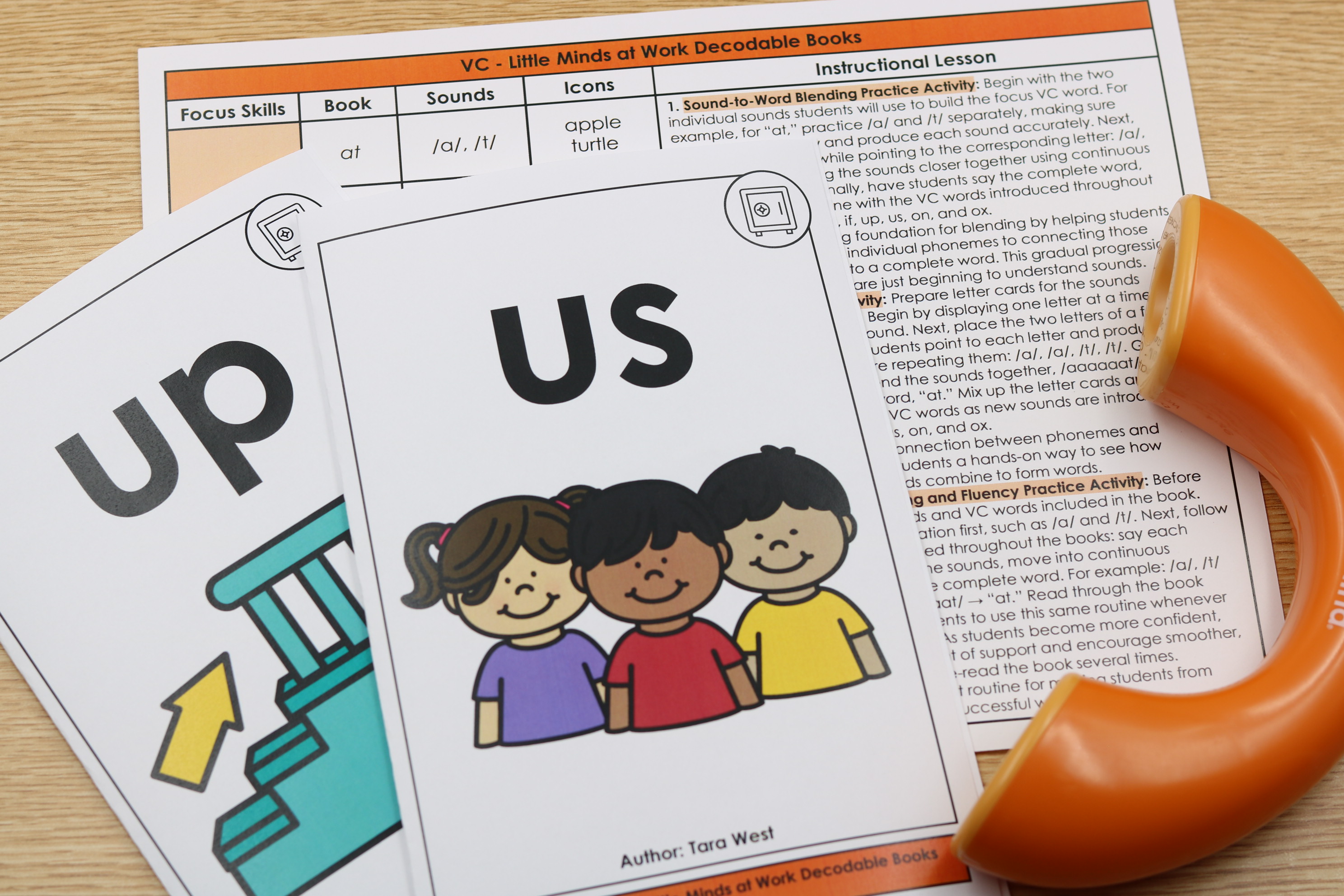
FREE VC Blending Decodable Books
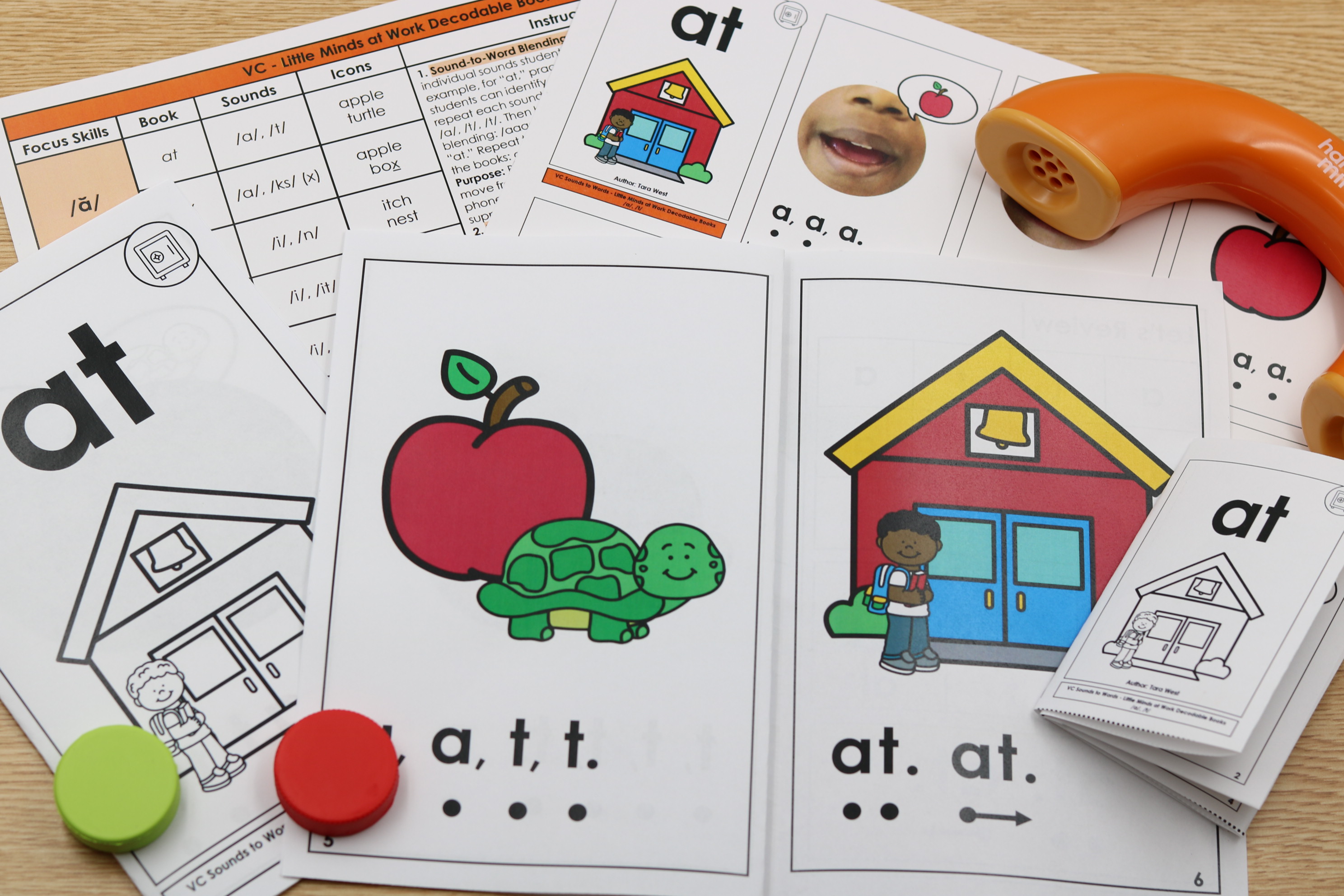
Once students begin learning how to blend VC words, these FREE VC Blending Decodable Books give them an opportunity to apply that skill during actual reading. This is an important transition because we don't want blending to become something students only know how to do during an isolated phonics drill. We want them to understand that the exact same process helps them unlock words when they are reading.
The books keep the text controlled around the phonics skills students are learning so beginning readers can experience success very early in the process. They are especially useful during small groups because you can introduce the focus VC words, practice blending them together, and then immediately give students an opportunity to encounter those words during reading. That connection between explicit phonics instruction and actual reading helps students see the purpose behind all of that blending practice.
👉 Access the free VC blending decodable books HERE!
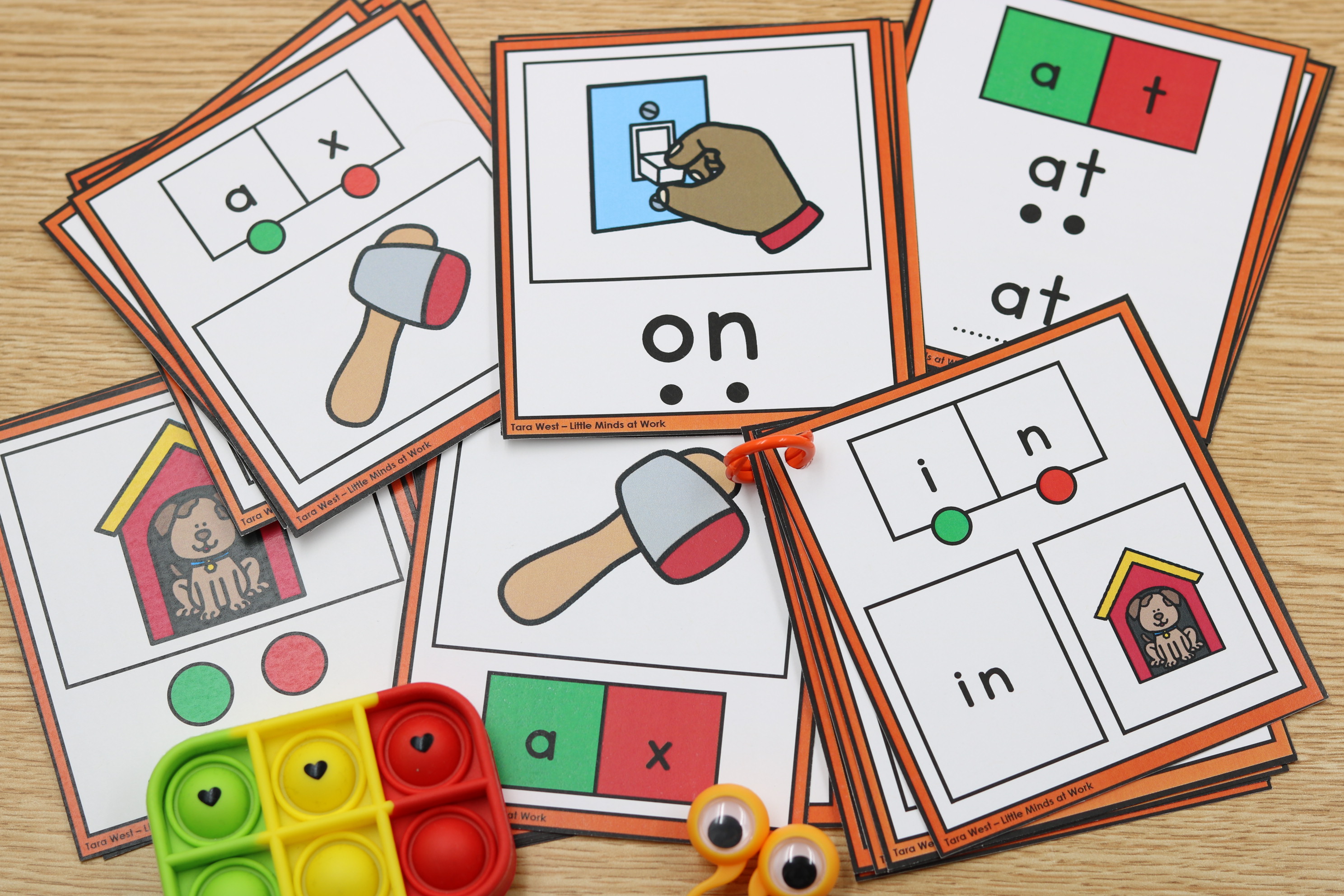
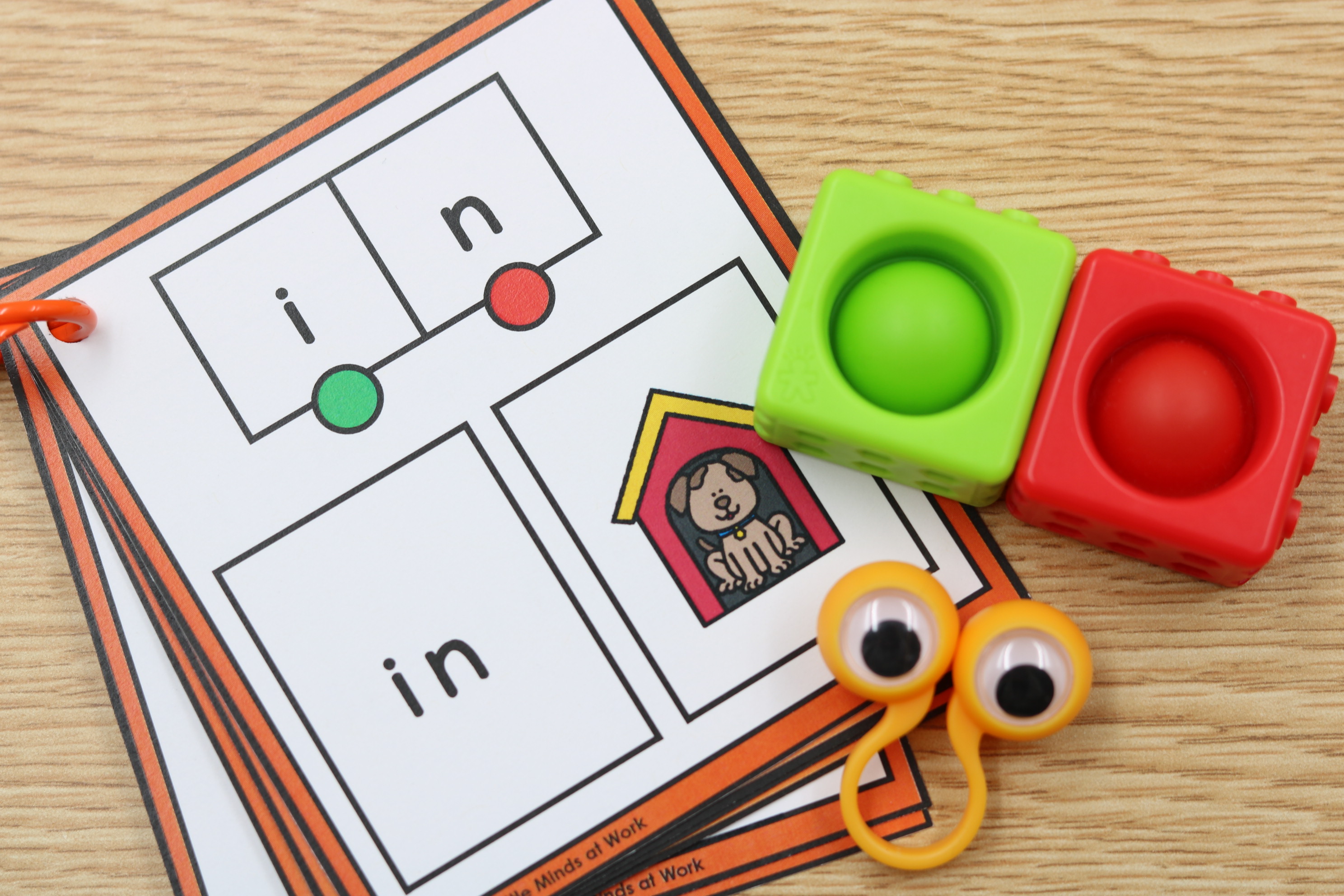
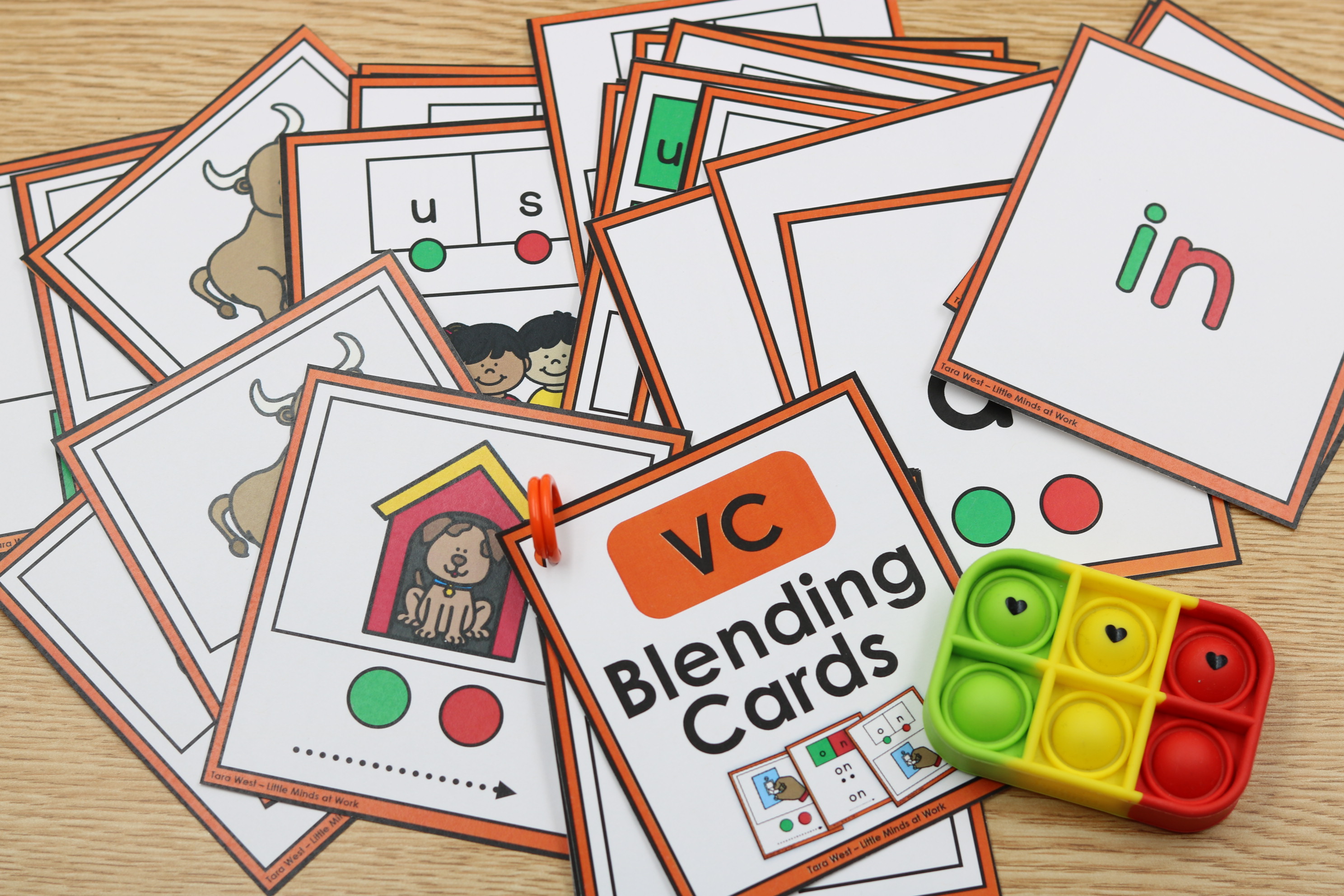
FREE VC Blending Cards
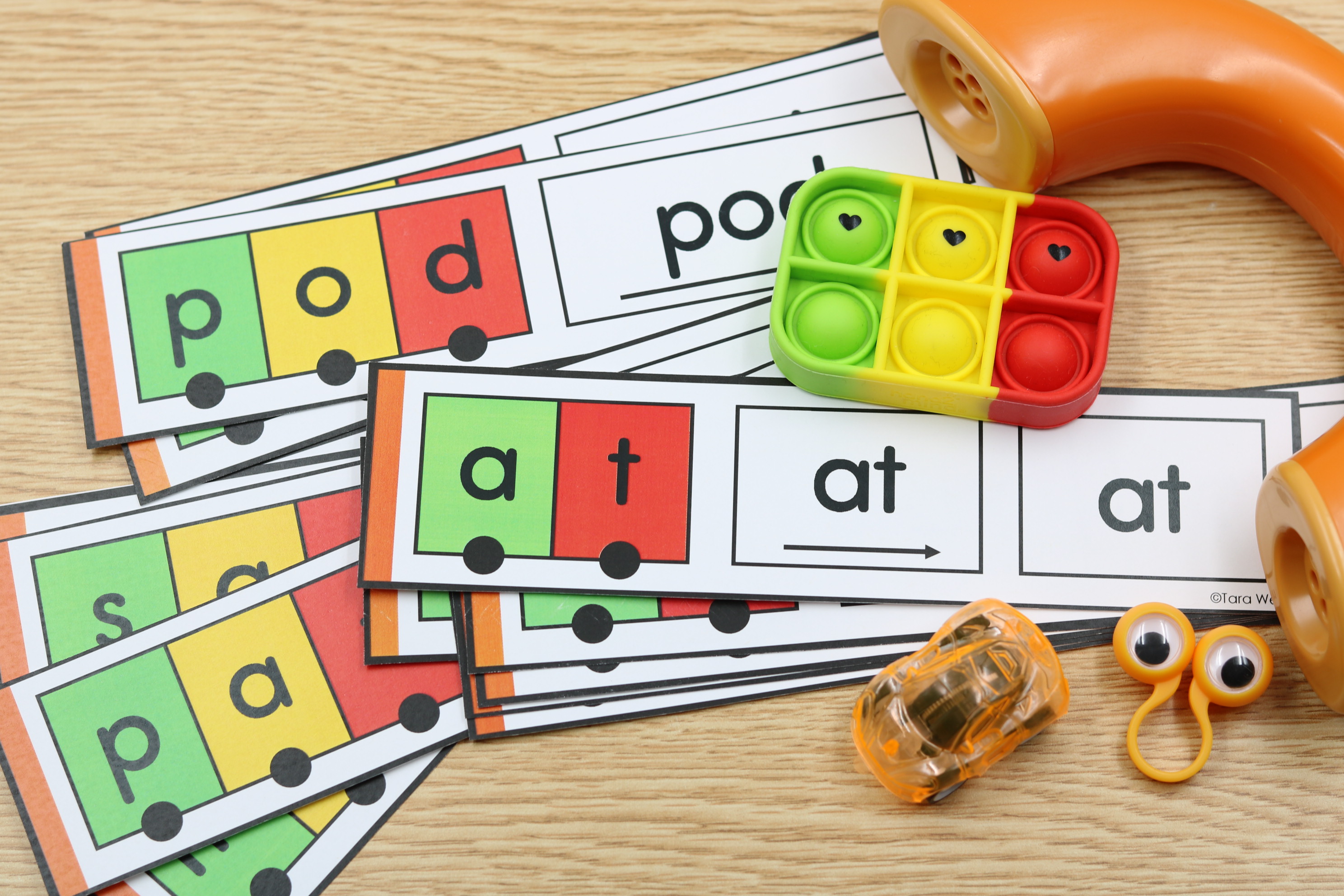
These FREE VC Blending Cards provide another way to explicitly model how students move from individual sounds to a complete word. Students can work through each sound, track across the word, and practice bringing the phonemes together rather than treating each sound as a completely separate piece. The consistent visual format also makes the cards easy to incorporate into your existing small-group or intervention routine without introducing another complicated activity students have to learn.
I especially like having tools like these available for students who understand their letter sounds but still need additional support making that leap into blending. You can slow the process down, model it repeatedly, and then gradually release the blending to students as they become more confident.
👉 Access the free VC blending cards HERE!
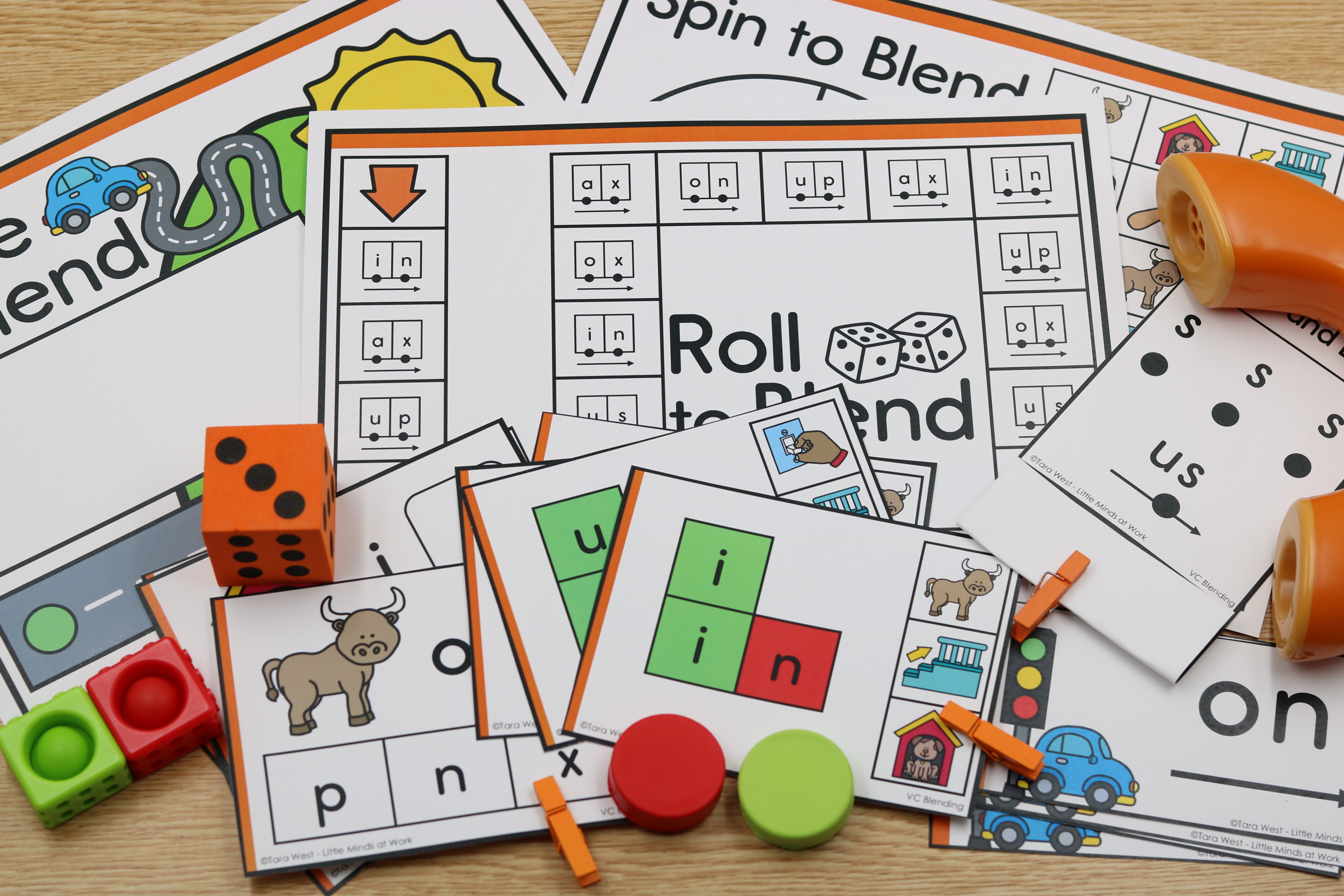
FREE VC Blending Printables, Centers, and Drills
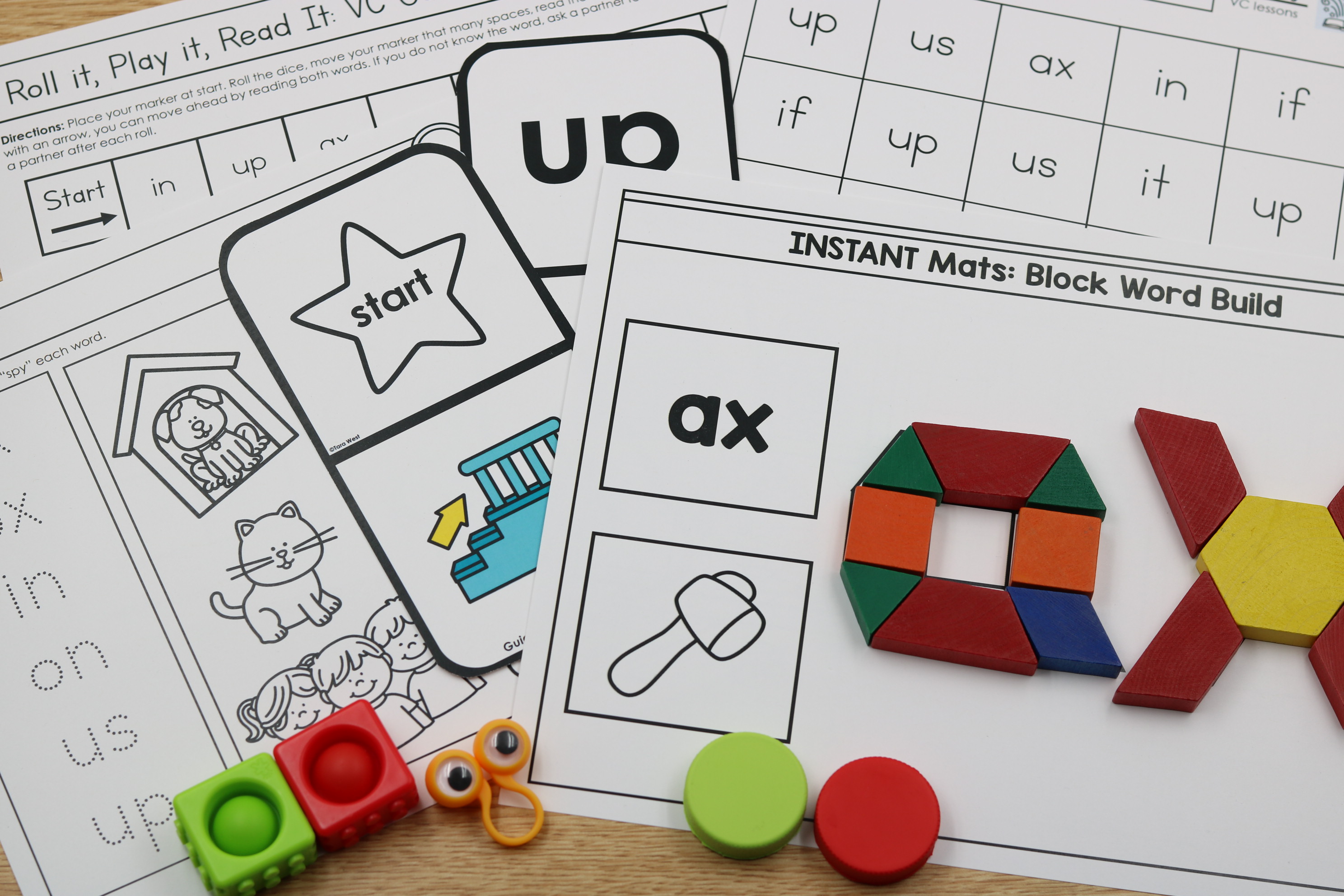
Beginning blenders need repetition, but repetition does not have to mean doing the exact same activity over and over again. These FREE VC Blending Printables, Centers, and Drills provide multiple ways for students to continue practicing the same foundational skill. Students can work with the VC words at, ax, in, if, it, up, us, on, and ox while using blending mats, word-building activities, tracking dots, blending lines, drills, and other sound-to-word supports.
This collection works especially well when you have students who simply need more practice before moving on. Instead of introducing harder words because they have already completed one VC activity, you can change the format while keeping the phonics skill consistent. That gives students additional repetitions with the blending process while still making practice feel fresh.
👉 Access the free VC blending drills, centers, and printables HERE!
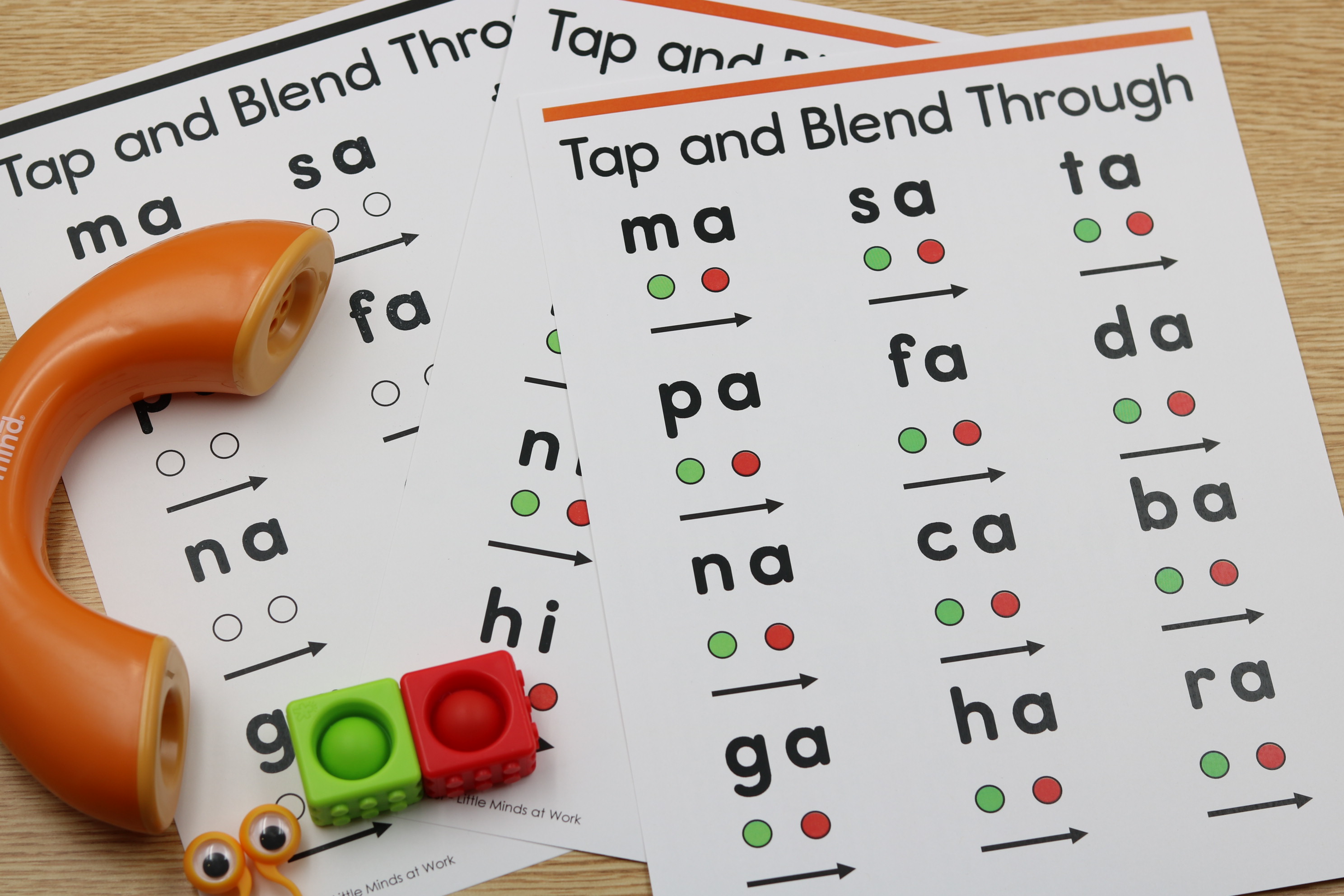
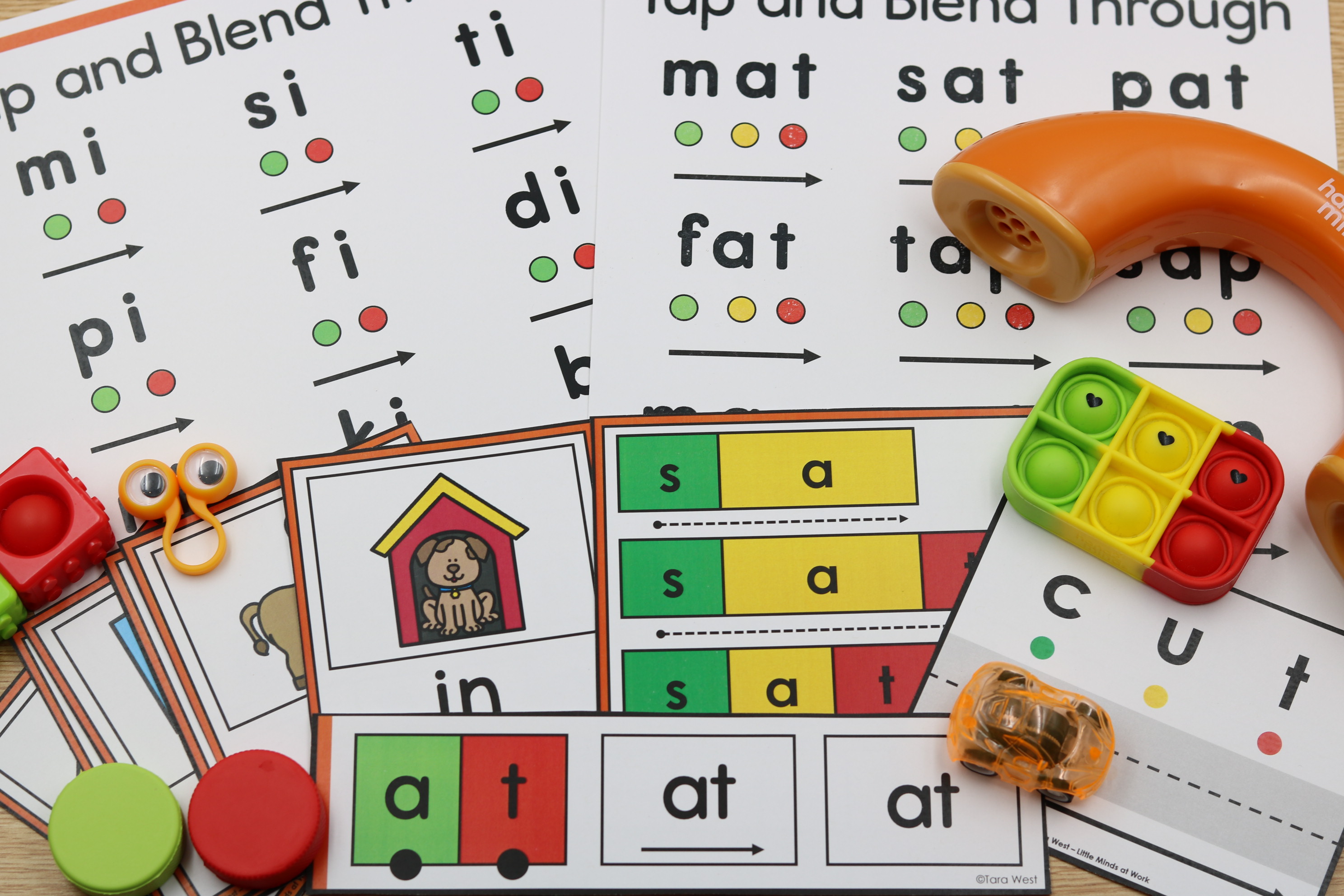
Build stronger blending skills with these free Tap and Blend Through Drills! Students begin by connecting two sounds before progressing to CVC words using sound dots and blending arrows. 👉 Access the free VC blending drill mats HERE!
FREE Hands-On VC Blending Activities
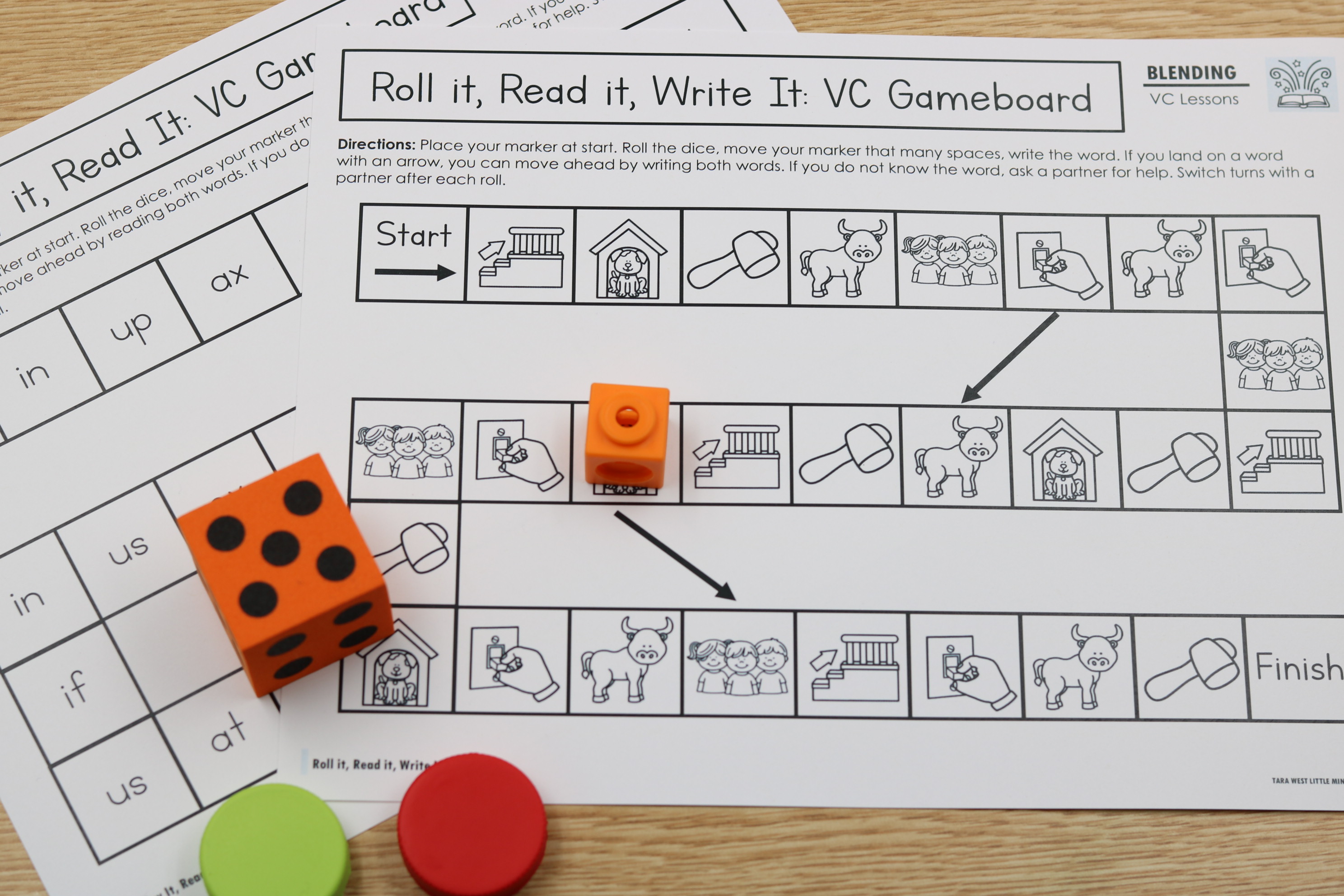
Some students benefit from having something they can physically manipulate while they are learning to blend. The FREE Hands-On VC Blending Activities provide that additional practice through games and interactive activities while keeping the instructional focus on decoding VC words. Students are still doing the important work of attending to the letters, producing the sounds, and blending those sounds into a word, but they can practice through different formats that work well for centers, partners, or small groups.
These activities are also helpful when you want students to get more repetitions without simply handing them another worksheet. The skill stays the same while the way students interact with it changes, which makes it easier to provide the amount of practice some beginning readers need.
👉 Access the free blending hands-on activities HERE!
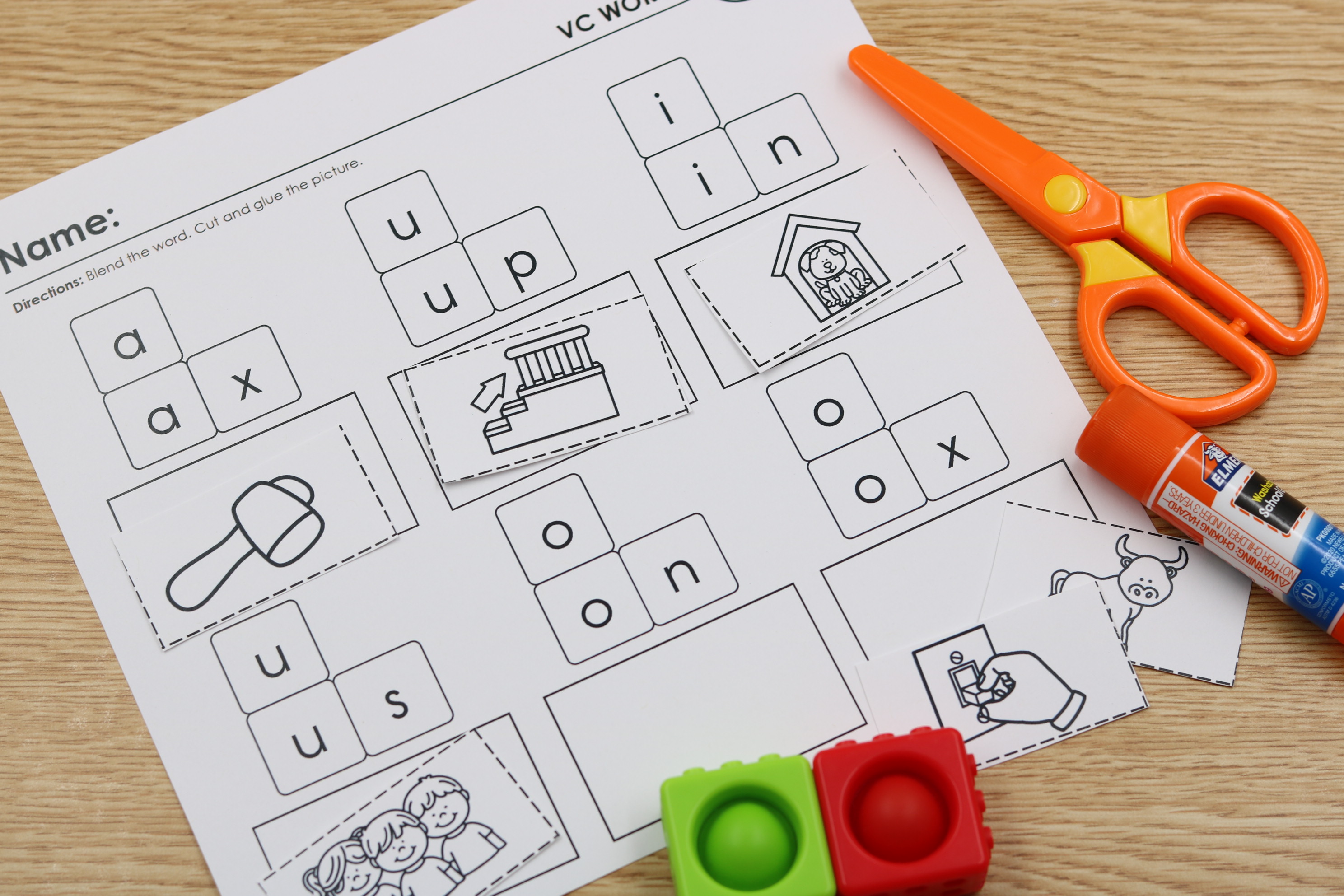
FREE VC Blending Printables for Decoding, Mapping, and Encoding
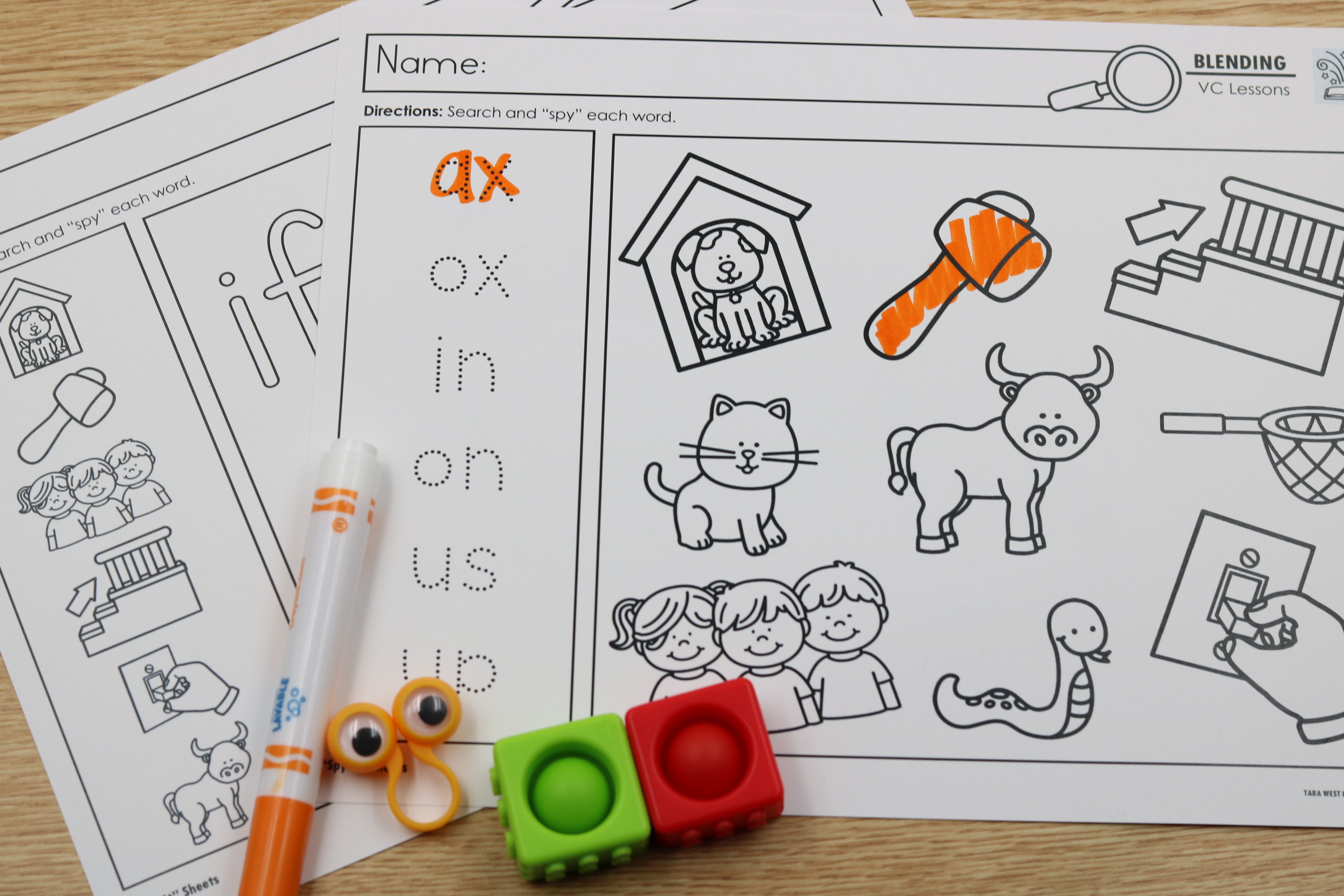
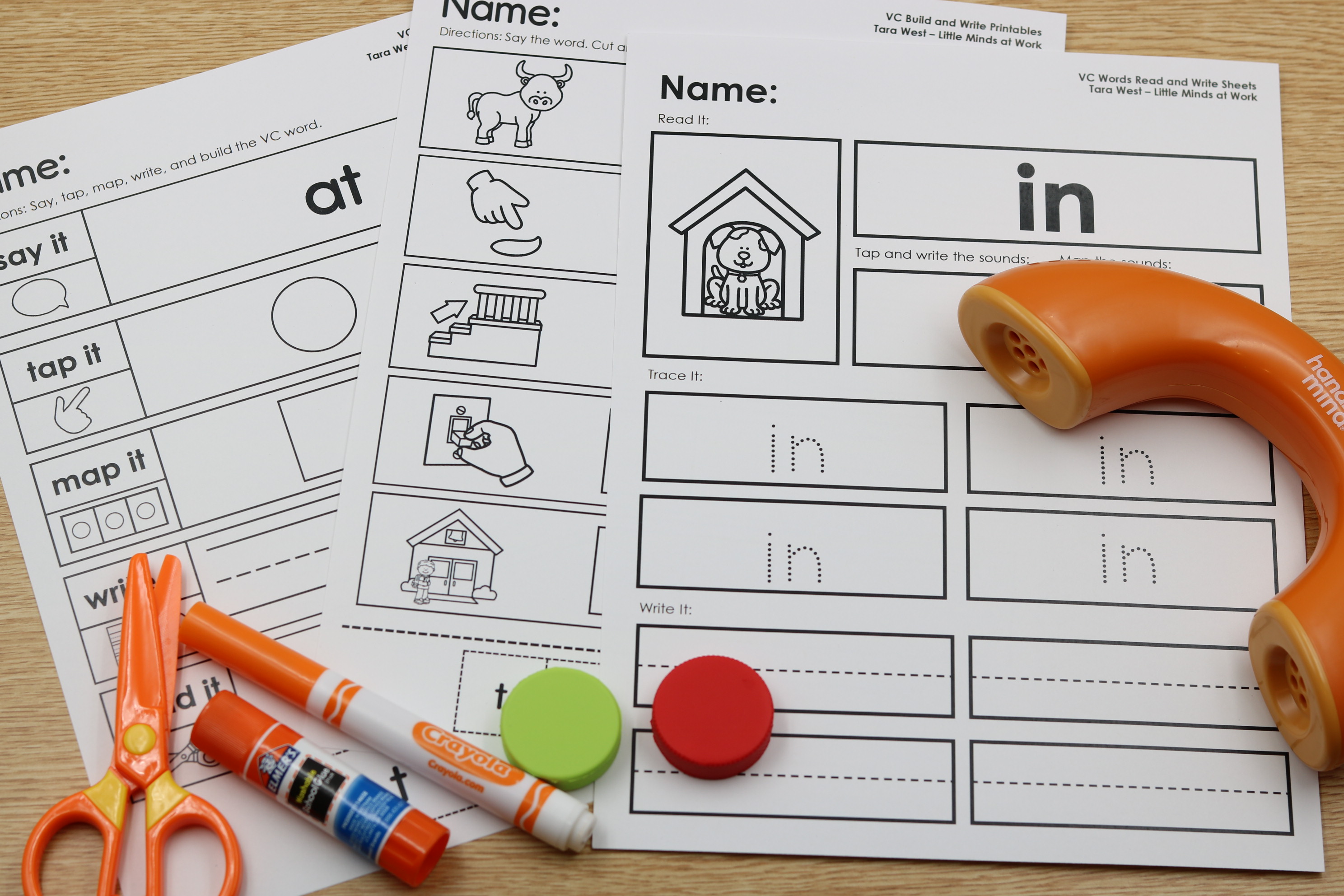
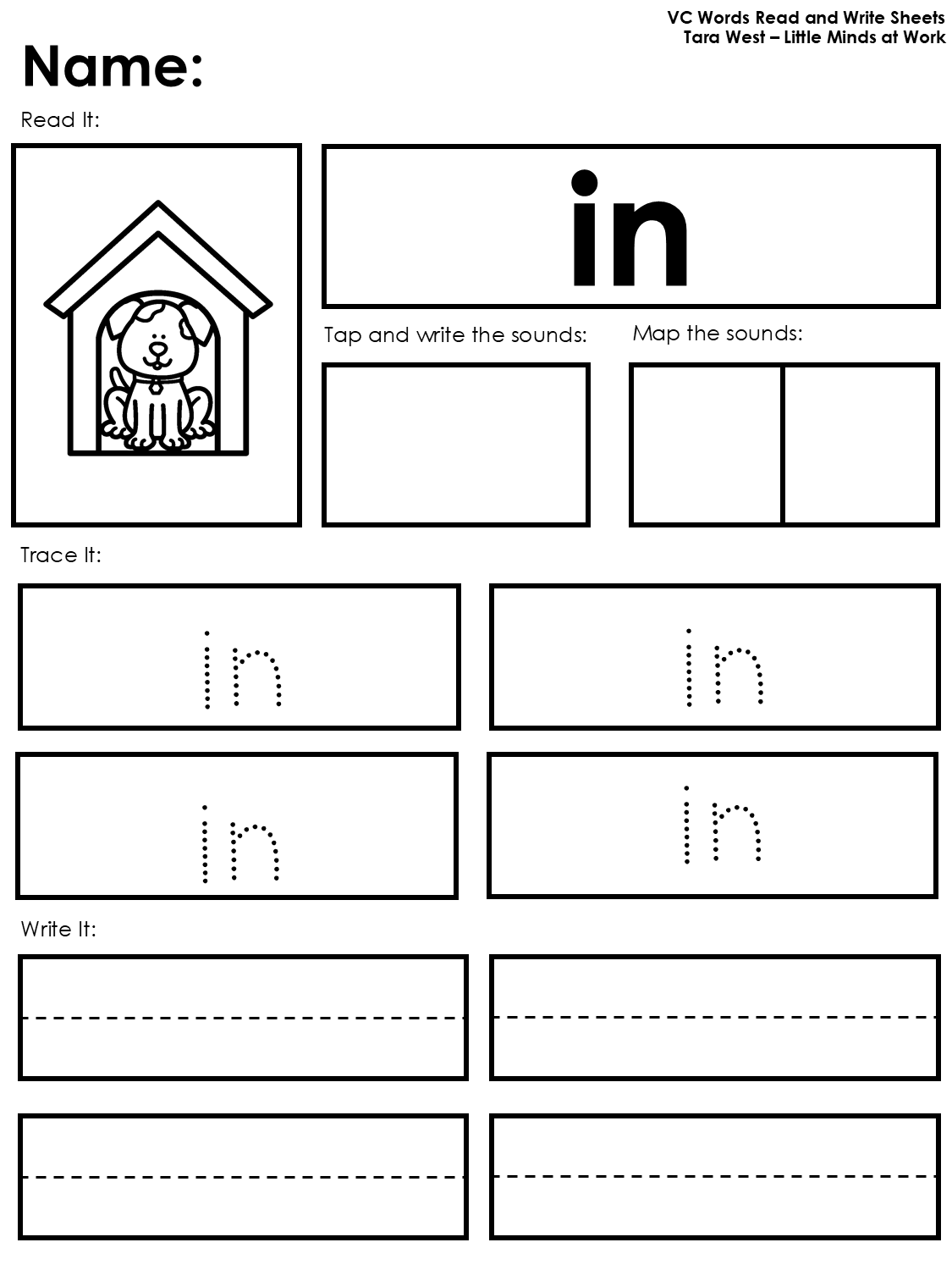
Once students begin blending VC words, they need lots of opportunities to work with those same words in different ways. I created these FREE VC Blending Printables to give beginning readers repeated practice connecting the sounds they hear to the letters they see and write.
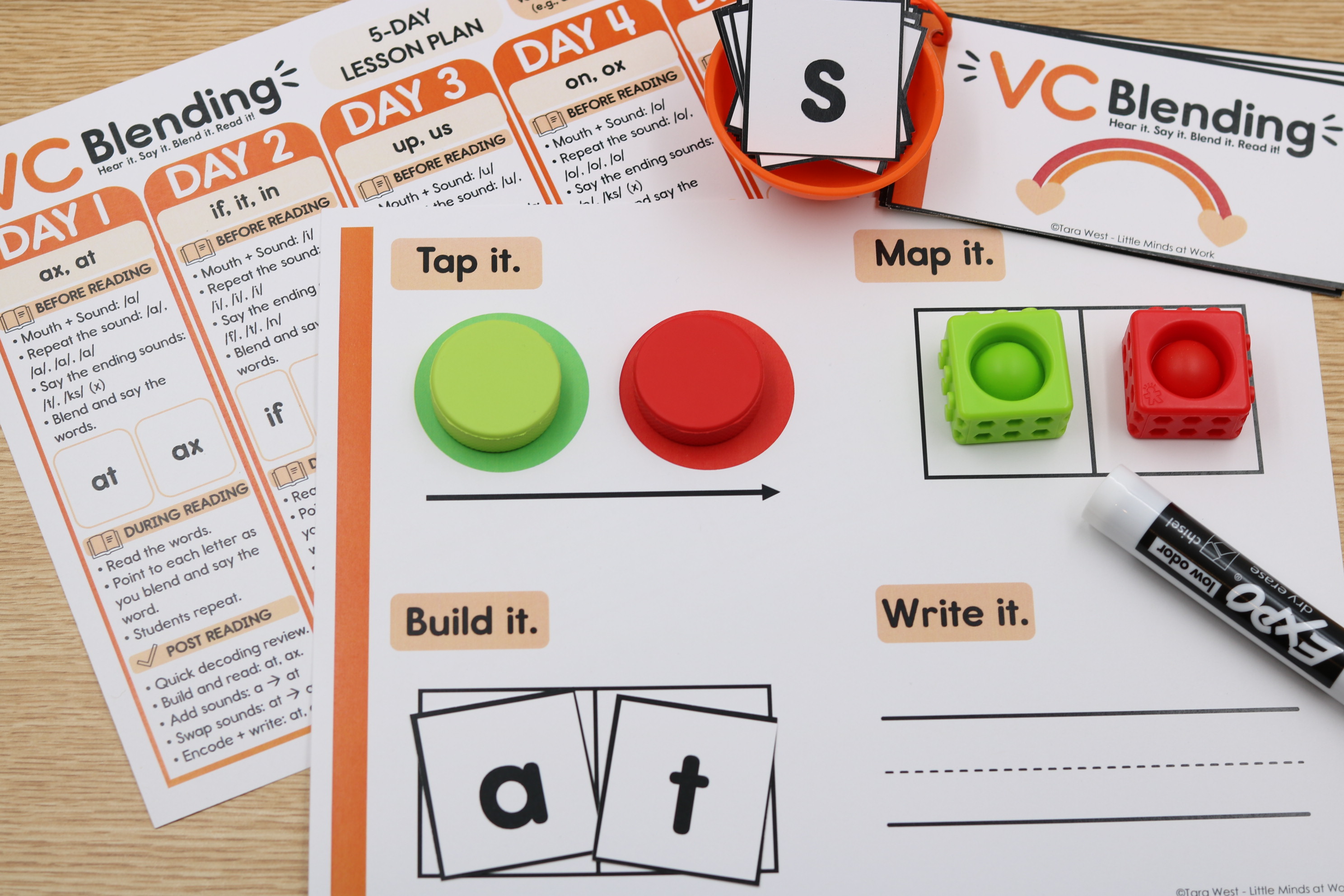
Instead of simply reading a VC word over and over, students can say it, tap the sounds, map the phonemes, build the word, trace it, read it, and write it. This allows students to practice both decoding and encoding while keeping the word structure simple and manageable.
The activities use the VC words at, ax, in, it, if, on, ox, up, us, am, and an. Students work with these words through sound mapping, word building, reading and writing, and missing-sound activities.
I especially love these printables for students who know their letter sounds but aren't quite ready to independently blend CVC words. We can keep the phonics skill simple while giving students plenty of meaningful repetitions with the actual process of blending.
What's Included:
Say It, Tap It, Map It, Write It, and Build It practice
Sound boxes for phoneme mapping
VC word reading and writing
Picture-supported word practice
Word tracing and handwriting
Cut-and-paste word building
Beginning and final sound practice
Missing sound activities
Decoding and encoding practice
These are easy to use during whole-group phonics, small groups, intervention, literacy centers, or independent practice. Most importantly, students aren't being pushed into harder word structures just because they need more practice. They can continue building confidence with two-sound words before making the jump to CVC words.
👉 Access the FREE VC Blending Printables HERE!
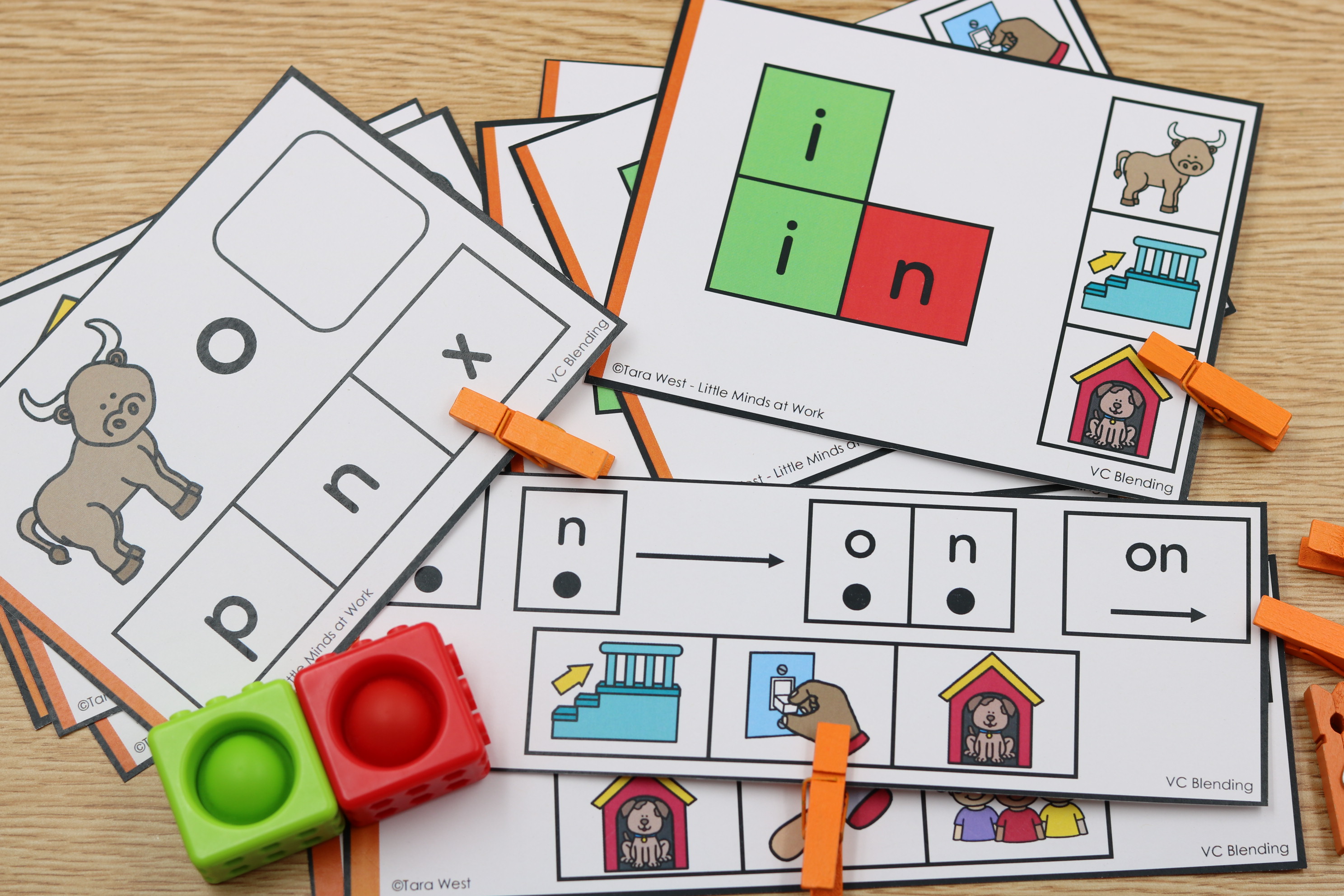
FREE VC and CVC Blending Strips
As students become comfortable with VC words, FREE VC and CVC Blending Strips can help bridge the transition into three-sound words. Students can continue using the blending process they have already learned while gradually working toward more complex word structures. Sound boxes, tracking dots, and blending lines provide visual support for moving through the word from left to right and connecting each grapheme to its corresponding phoneme.
This is also a great opportunity to begin using successive blending. Rather than having students produce three disconnected sounds and then attempt to remember and combine them afterward, we can teach them to begin connecting sounds as they move through the word. The blending process they practiced with a word such as at can now support them as they begin reading a word such as mat.
👉 Access the free VC and CVC blending cards HERE!
Moving From VC Blending to CVC Words
VC blending is not a skill students need to stay on for a long period of time. It is a bridge designed to make that first experience with blending more manageable and successful. Once students understand that /a/ and /t/ can be connected to make at, adding an initial consonant becomes a much more natural next step. Students can take the blending behaviors they have already practiced and apply them as they move into words such as mat, sat, pat, and other CVC words containing the sound-spellings they have been explicitly taught.
Ultimately, the goal is for students to recognize that the letters on the page represent sounds, those sounds can be connected from left to right, and blending those sounds allows them to read a word. We do not have to wait until students know every letter sound to begin building that understanding. Sometimes two known sounds and one tiny real word are all we need to get started.
Download ALL of the FREE VC Blending Resources
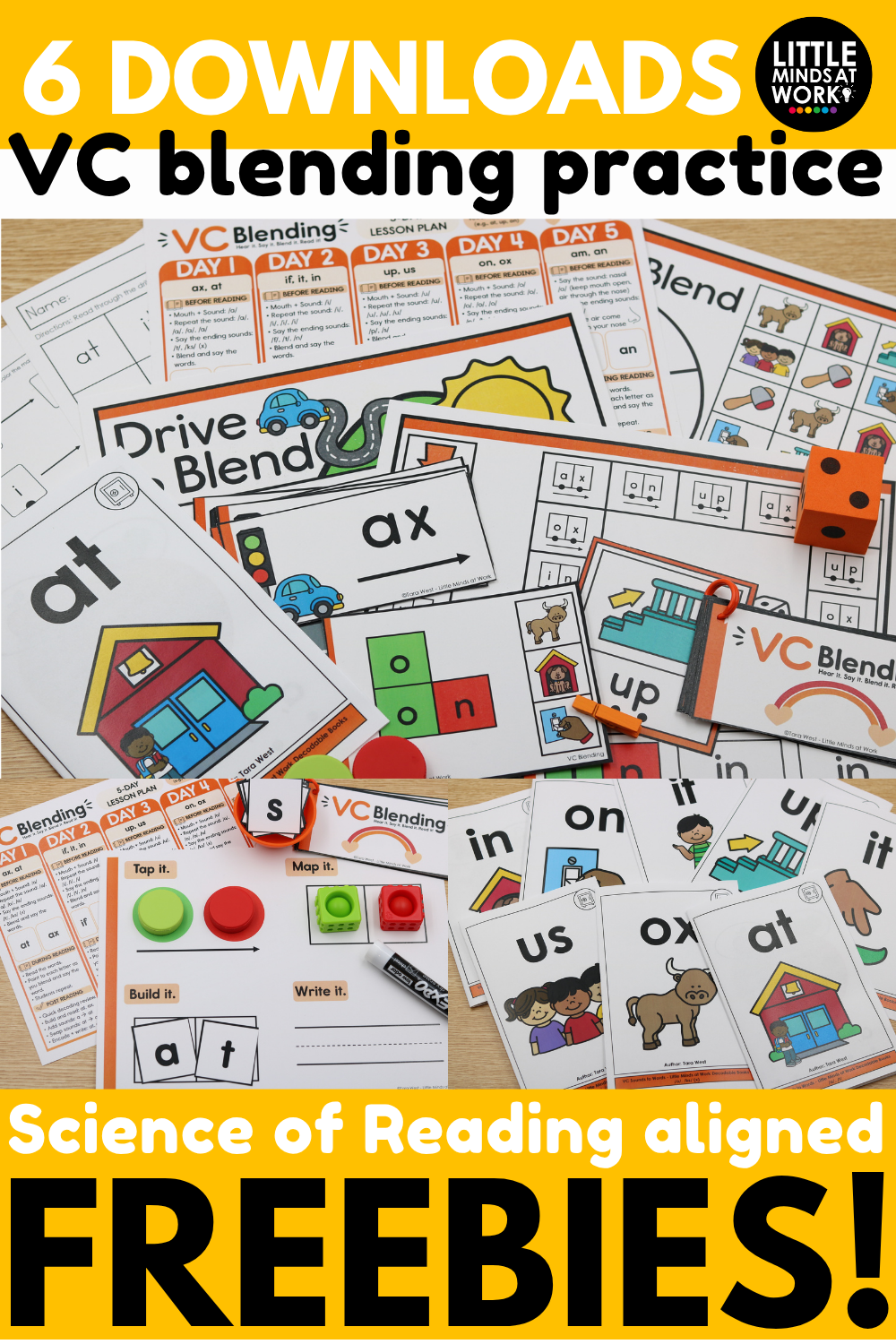
Ready to start VC blending? I put the entire collection of FREE VC blending downloads in one easy spot, including the 5-day lesson plans, decodable books, blending activities, printables, cards, centers, and more. Use the resources together to introduce VC blending, provide repeated practice, and help students build the foundation they need before moving into CVC words.
👉 Access the free VC blending downloads HERE!