Why Number Sense Matters
Number sense is much more than counting and solving equations. It is a child’s ability to understand numbers, relationships, quantities, and patterns. Students with strong number sense can think flexibly and solve problems efficiently. Before children can become successful mathematicians, they need a deep understanding of how numbers work.
Students with strong number sense do more than arrive at the correct answer. They understand why an answer makes sense and can represent numbers in multiple ways. When children develop number sense, they learn to compare quantities, recognize patterns, estimate, and make connections between mathematical concepts. These foundational skills help students approach new problems with confidence and build the flexibility needed for future learning in addition, subtraction, place value, and problem solving. ⚠️Click the images to access the free number sense downloads.⚠️
Build Number Sense With Visual Number Relationships
This free Organic Number Line helps students visualize numbers, quantities, and number relationships in a meaningful way. By seeing how numbers connect and grow, students develop stronger counting skills, number sense, and mathematical reasoning. The cards can also be used for pocket chart activities, allowing students to compare values and explore number patterns.
Help Students See Numbers in a New Way
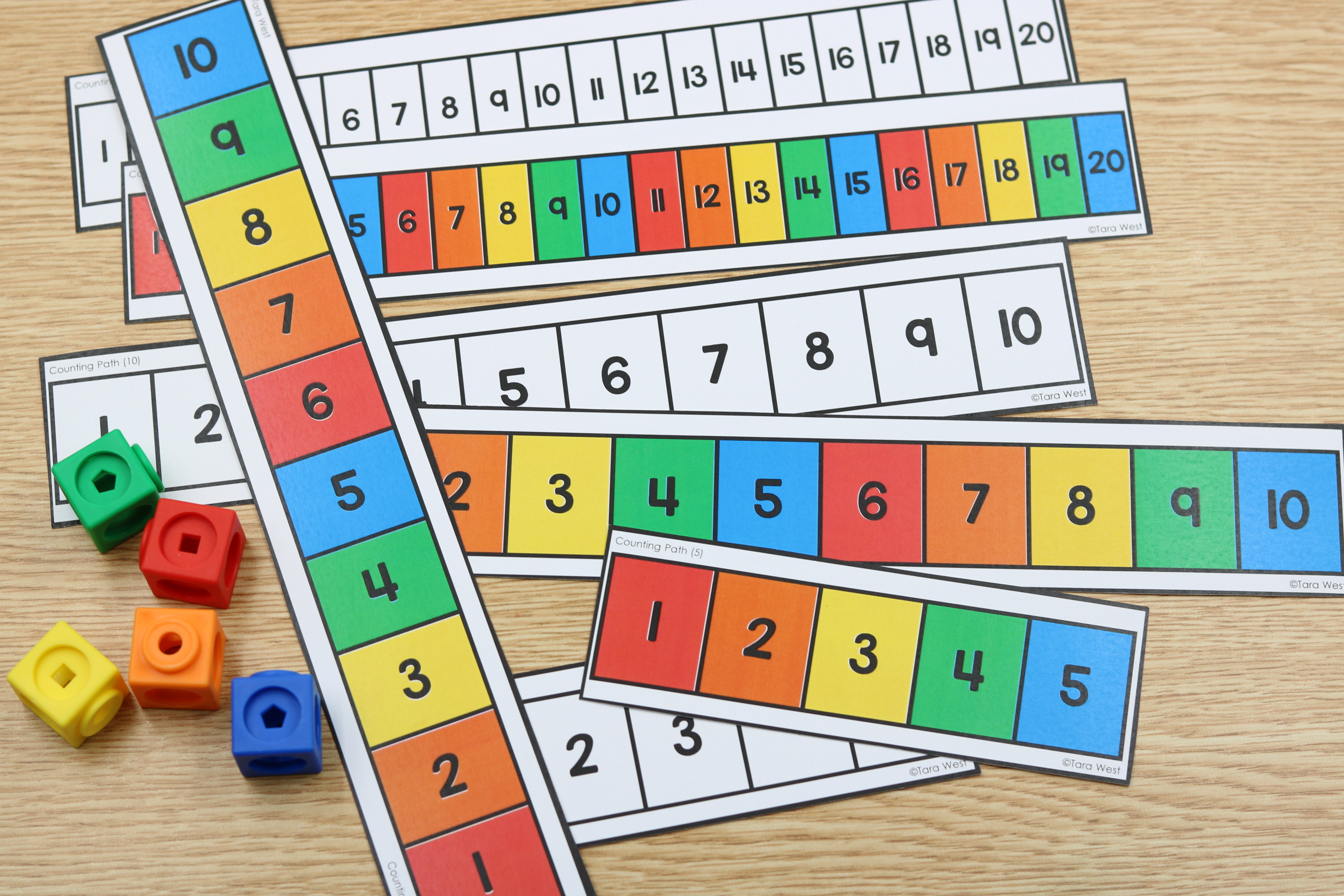
These free horizontal and vertical number paths help students develop number sense by visualizing how numbers relate to one another. While horizontal number paths support counting and number sequencing, vertical number paths help students see that larger numbers are literally "higher" and greater than smaller numbers, making concepts like more, less, and magnitude much more concrete for young learners.
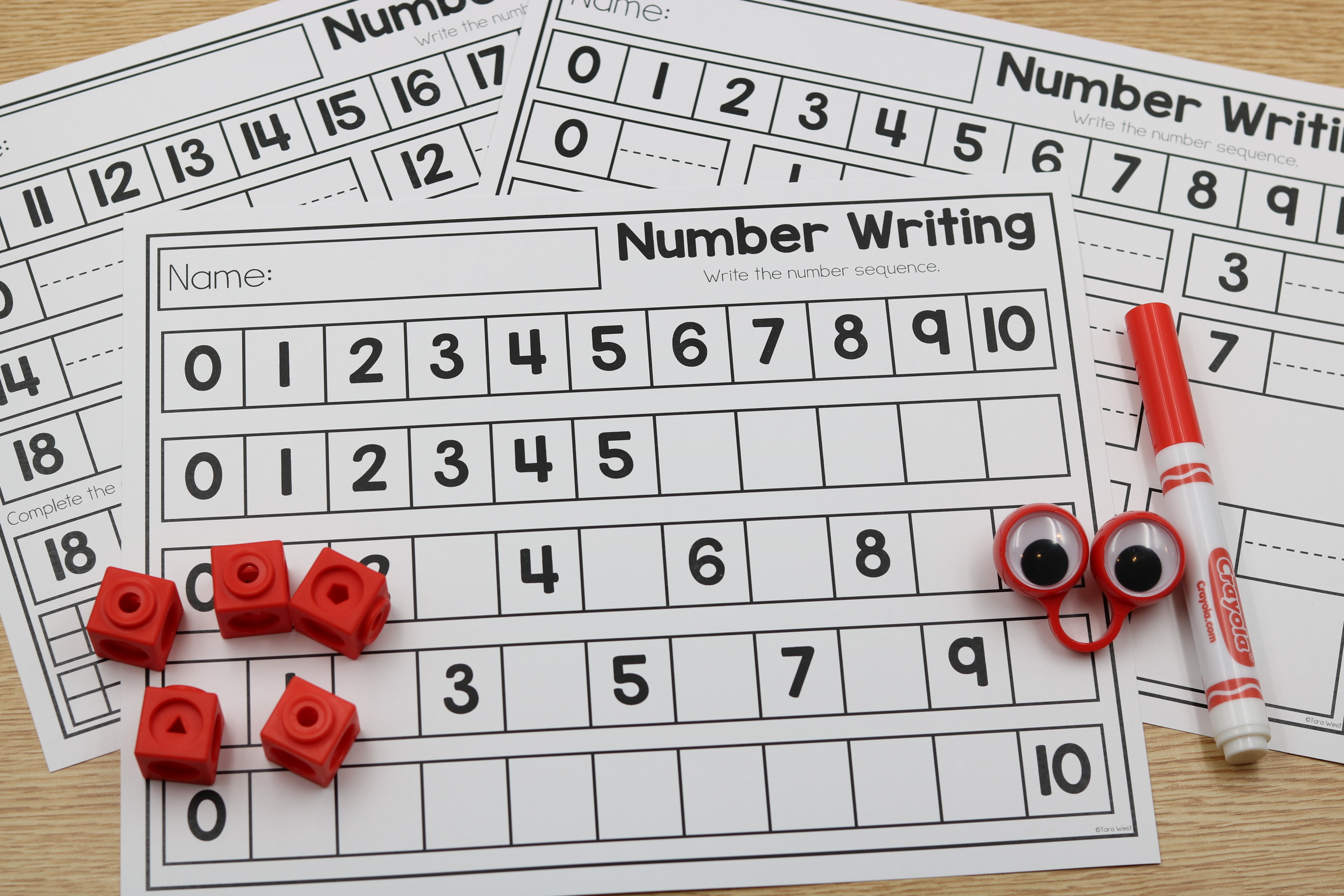
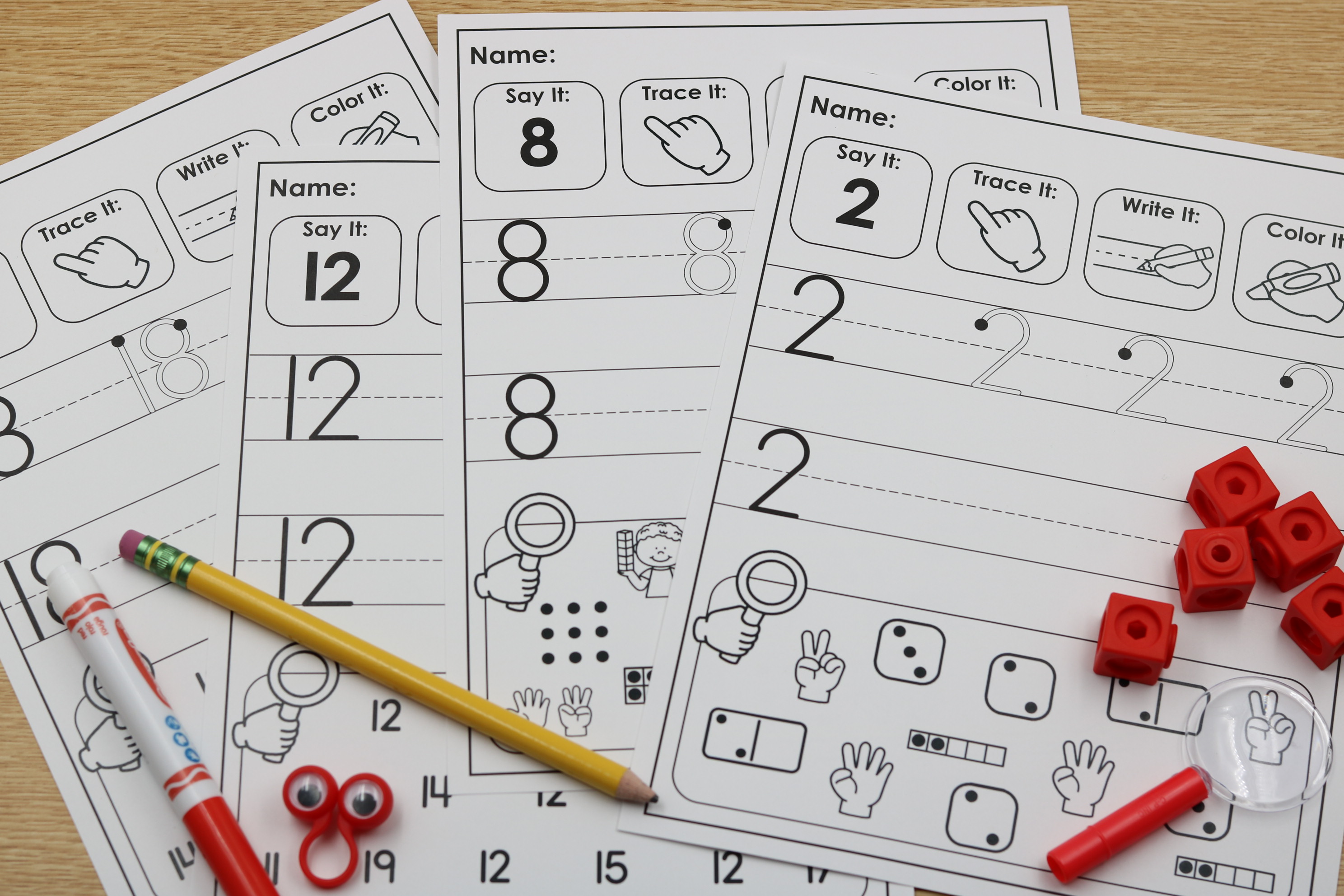
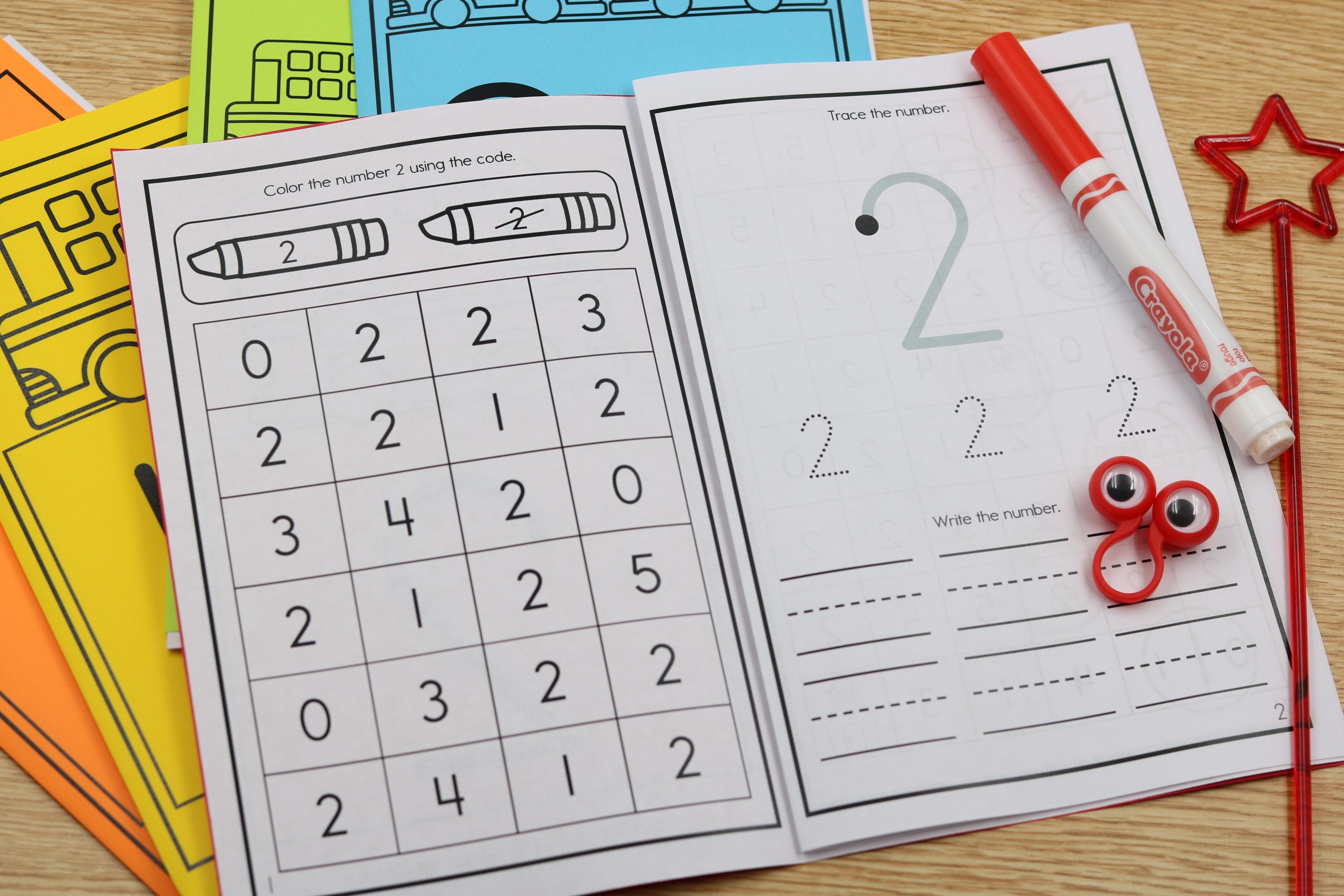
Number writing is an important foundational math skill that deserves plenty of practice! These FREE Number Writing Printables give students an opportunity to strengthen number formation, build number recognition, and develop confidence writing numbers independently. They're perfect for morning work, math centers, small groups, or extra practice at home!
Resource Spotlight: Number Sense In-a-Click
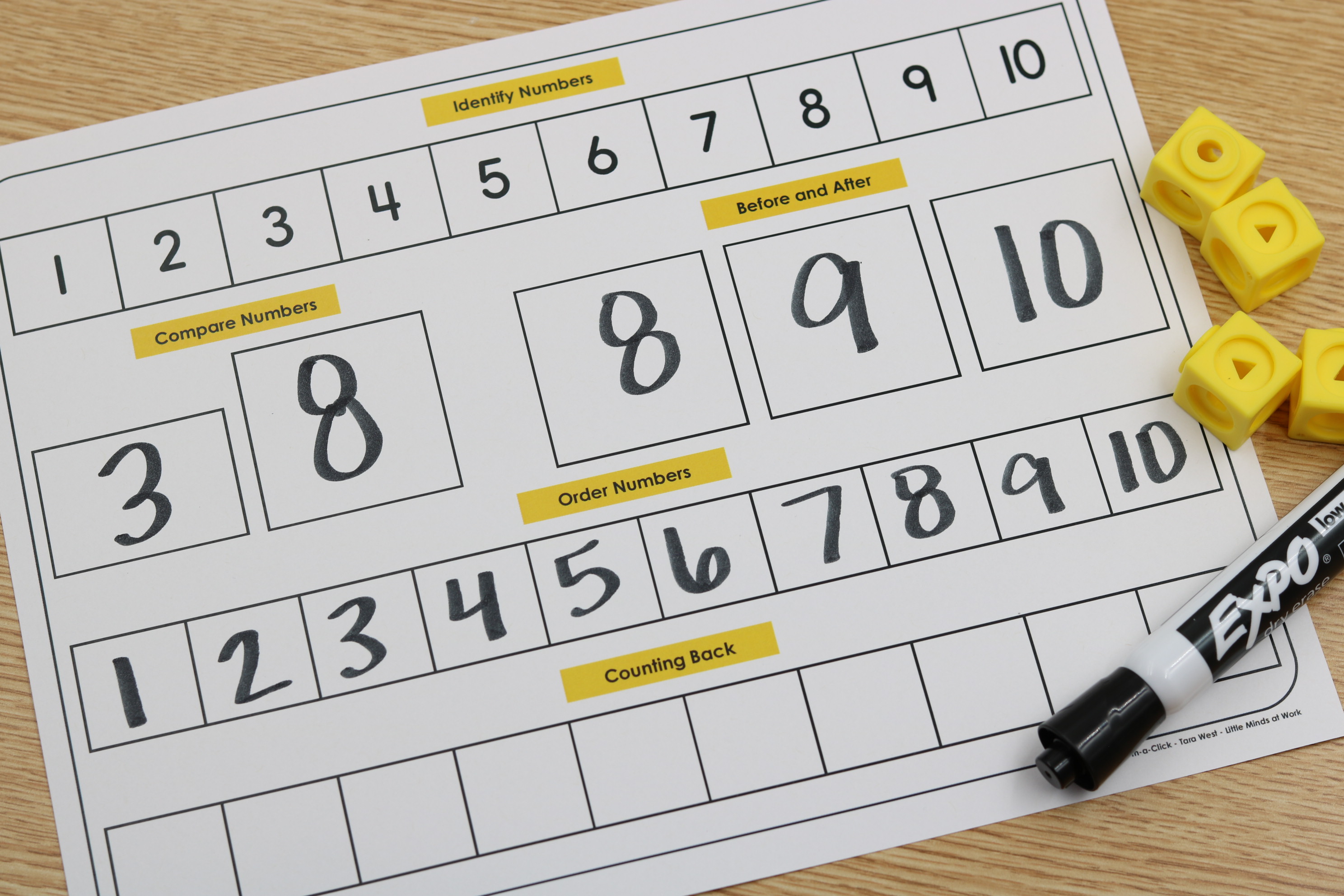
Number sense is one of the strongest predictors of future math success, yet it isn't developed through worksheets alone. Students need repeated opportunities to count, compare, compose, decompose, subitize, and reason about numbers in meaningful ways.
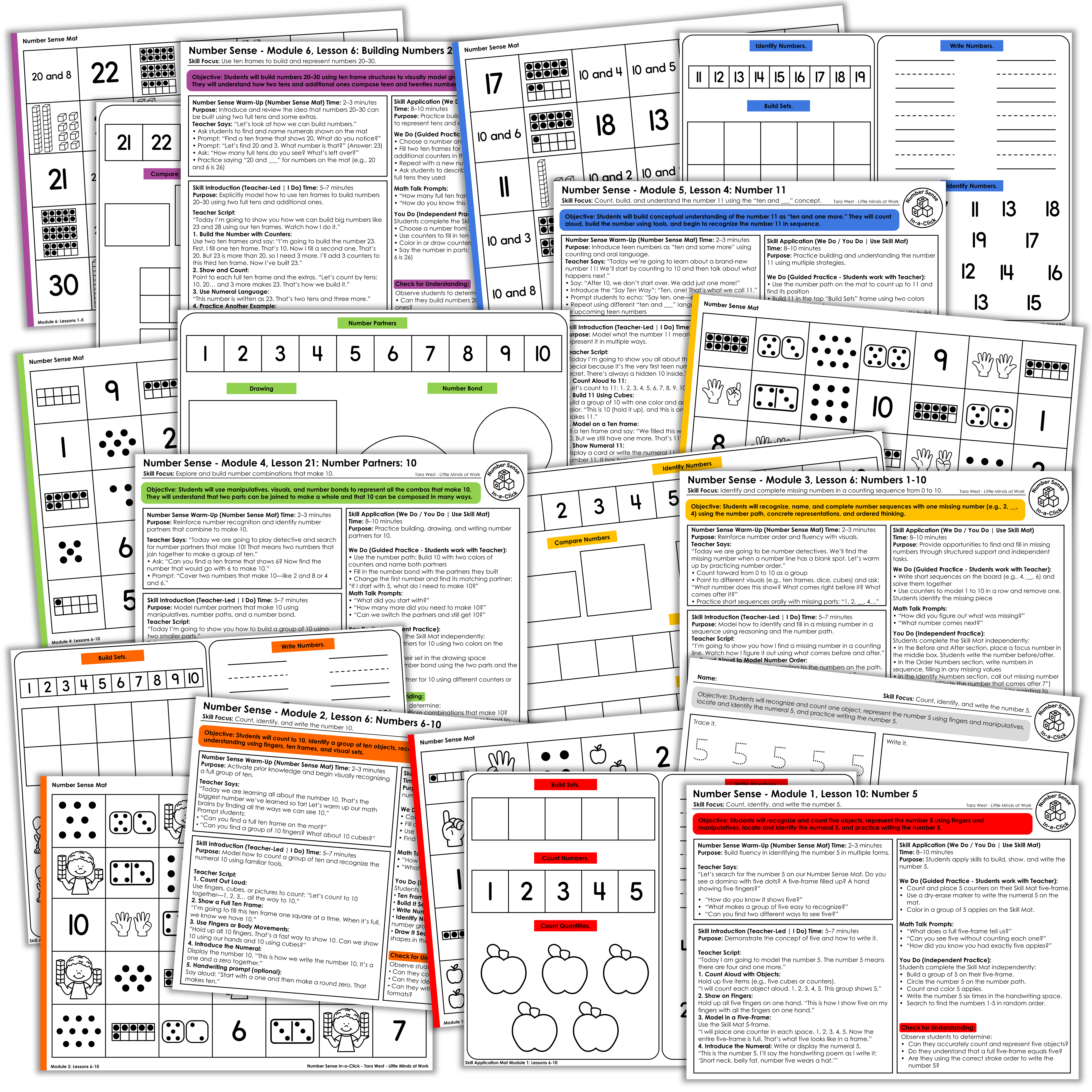
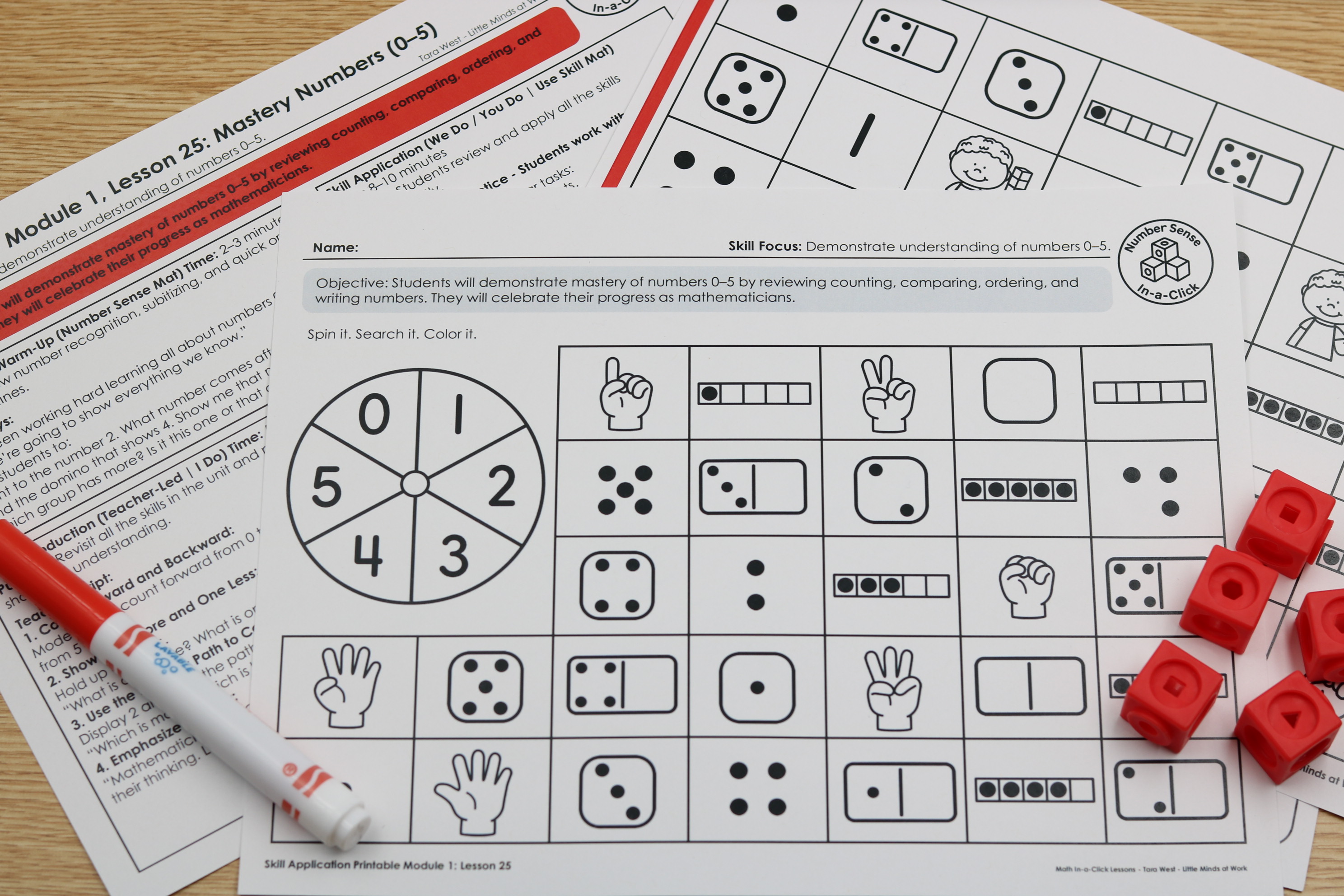
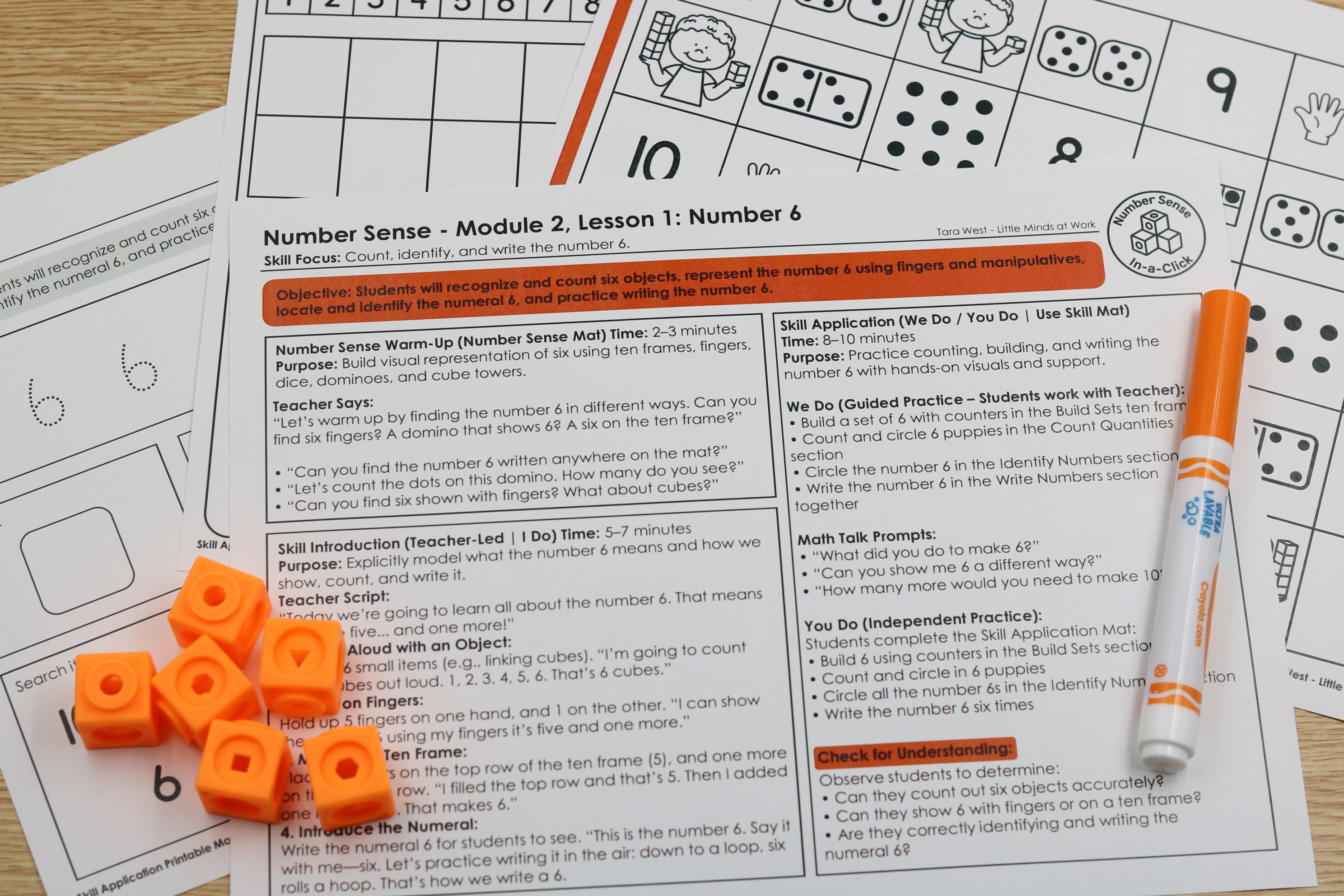
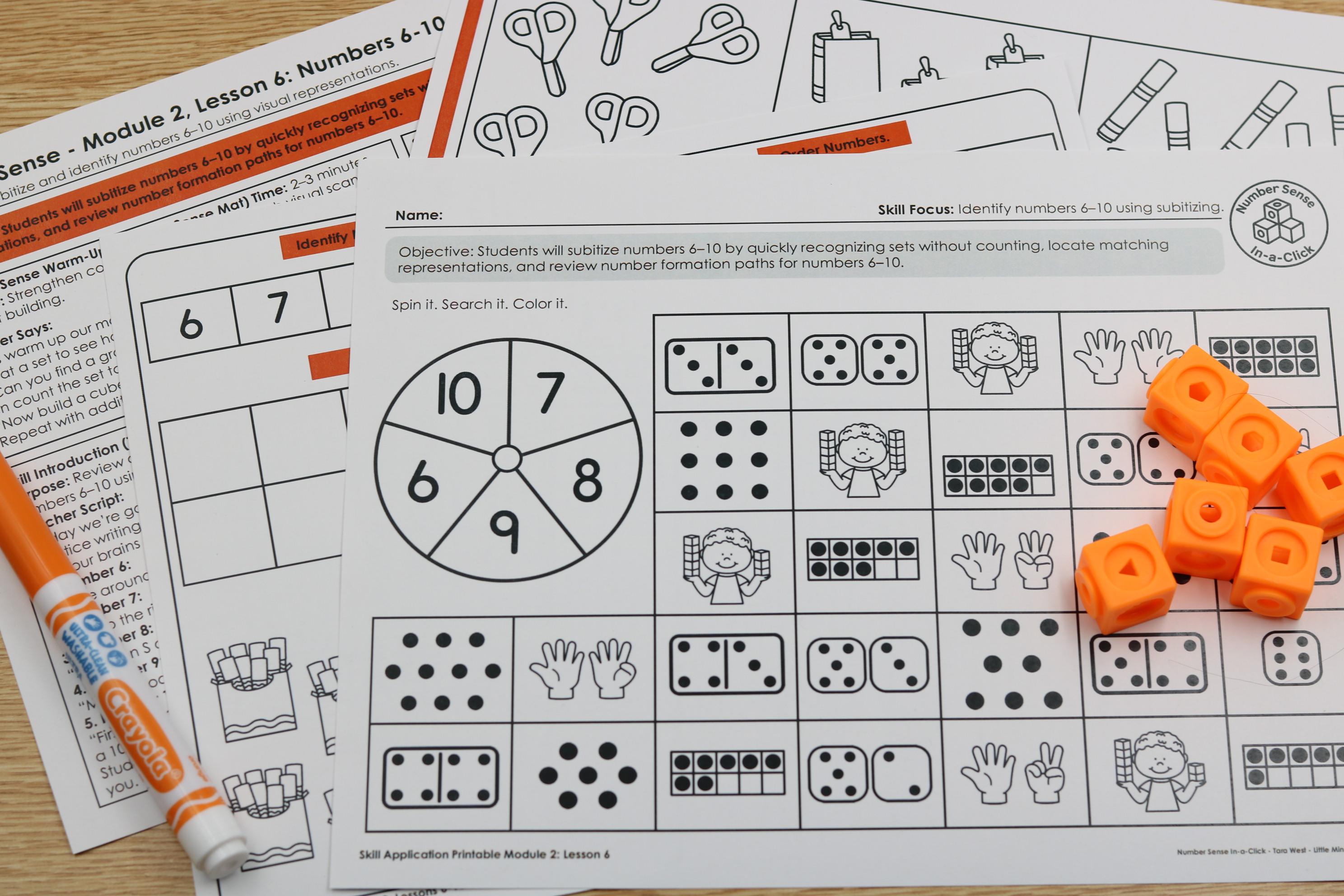
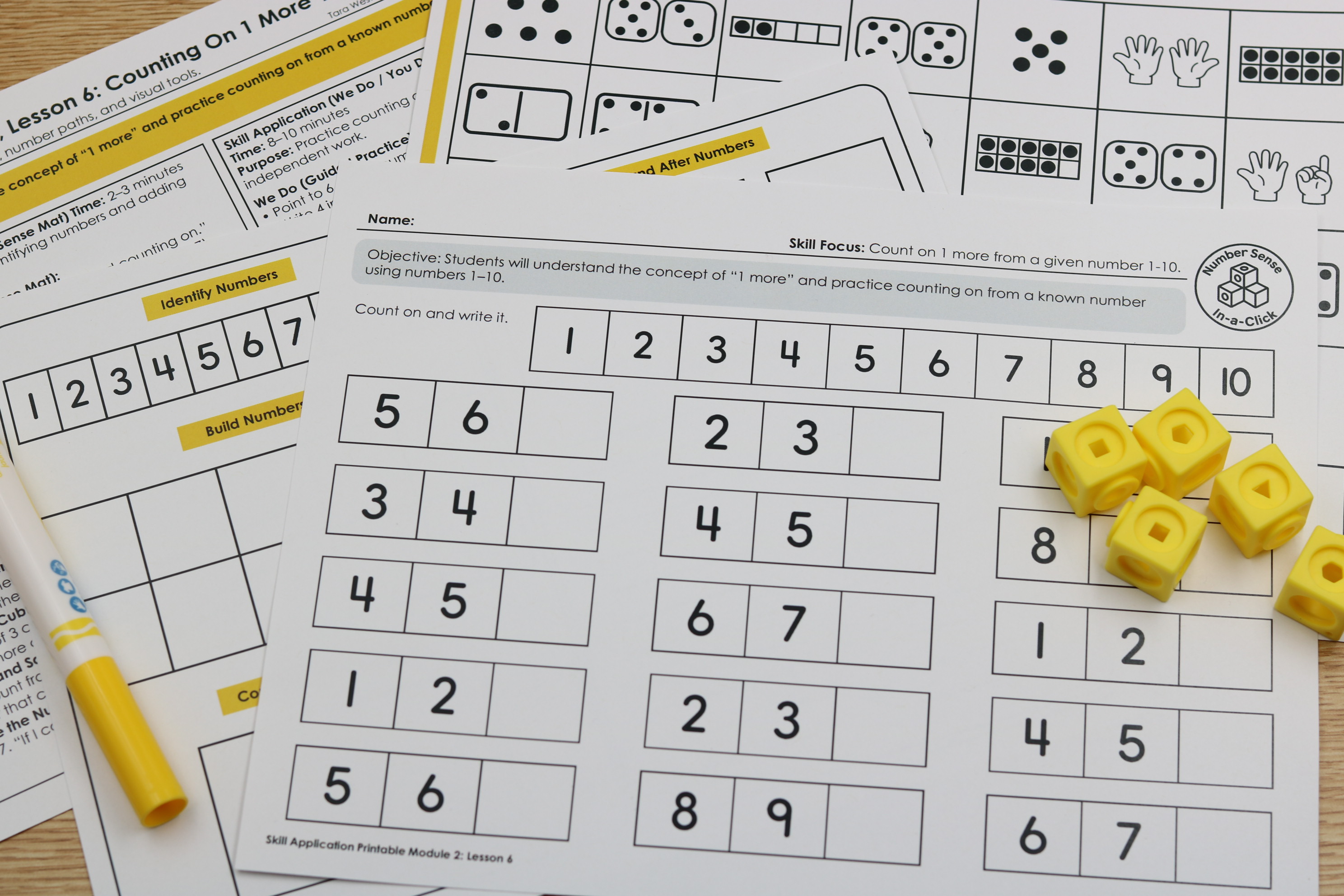
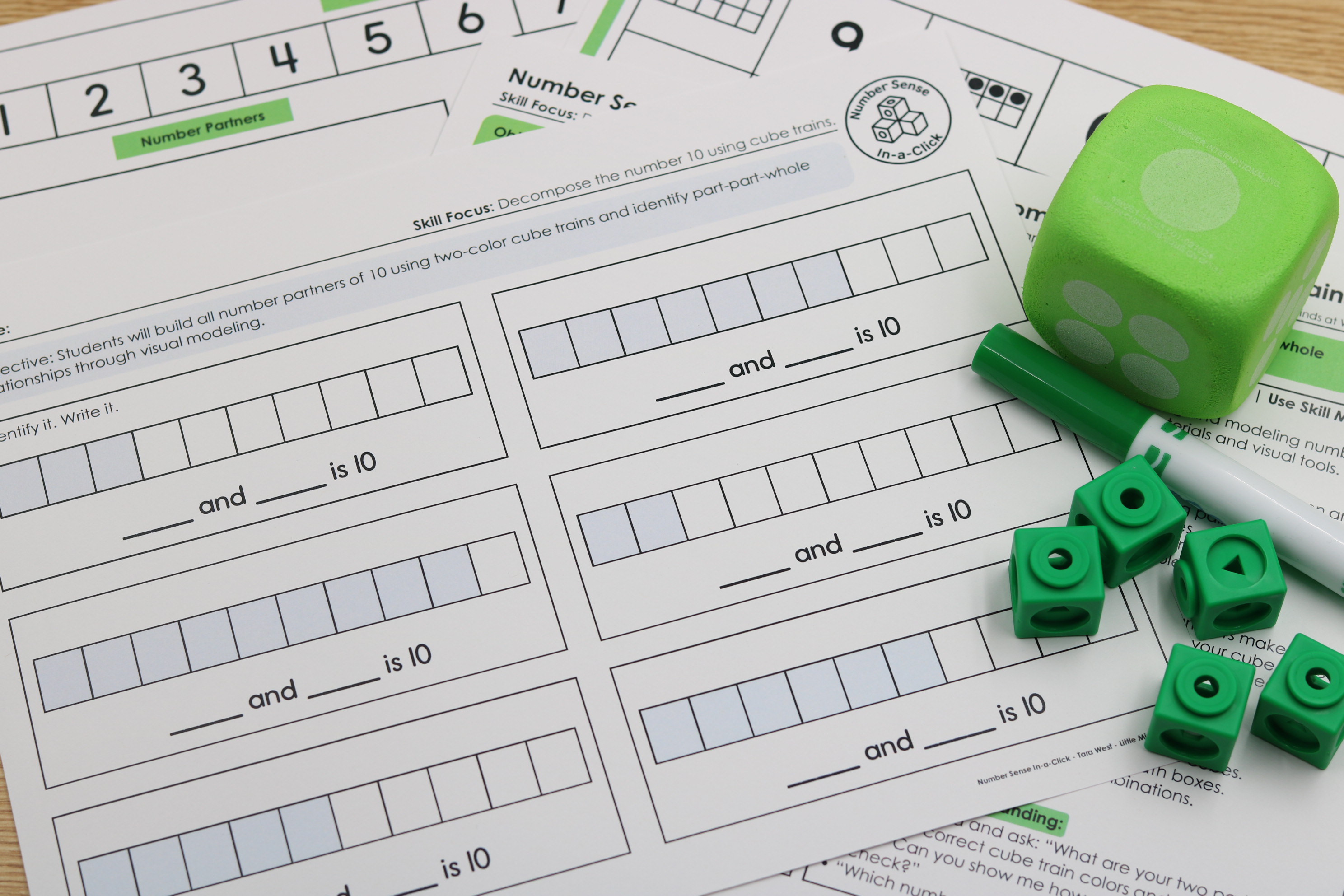
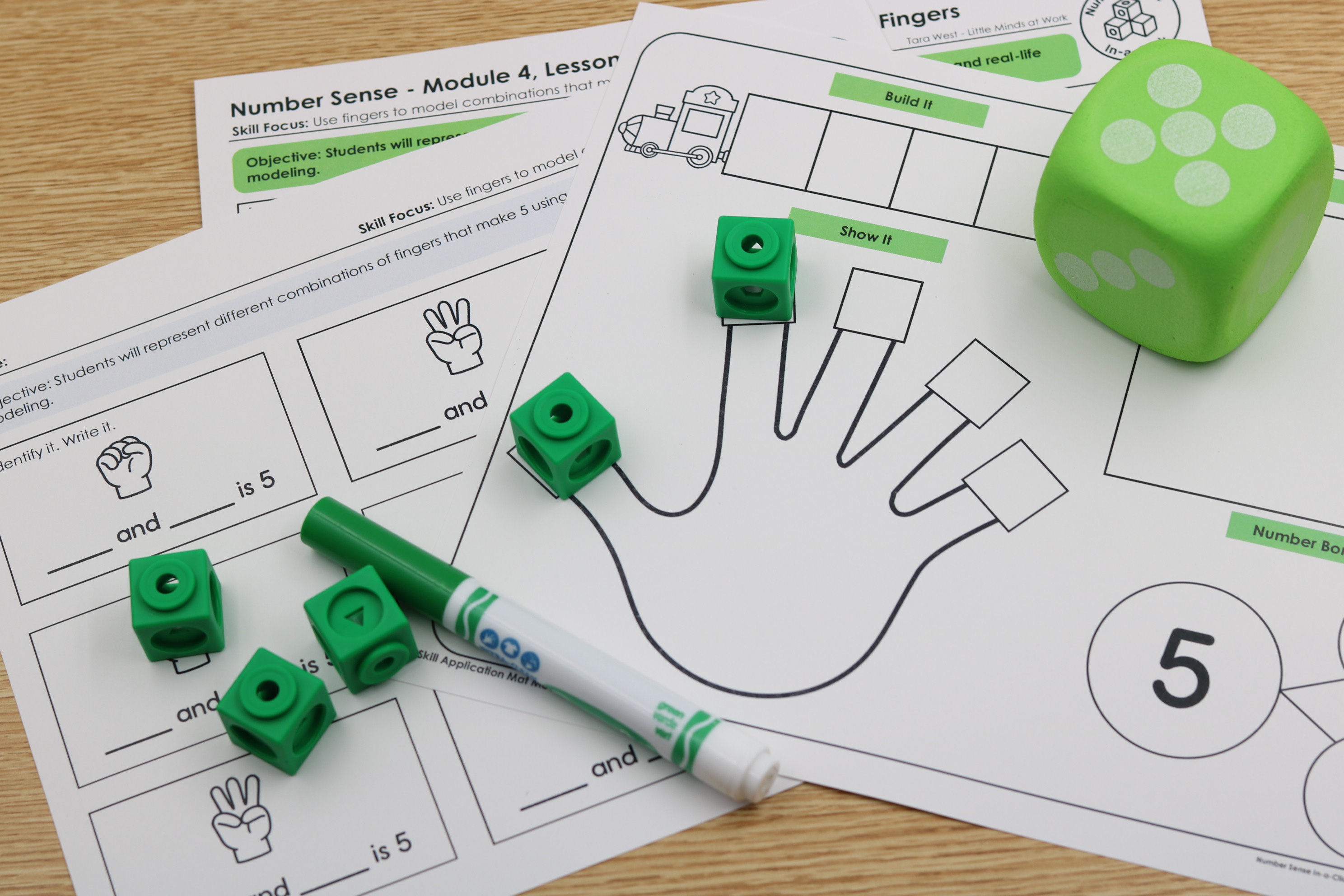
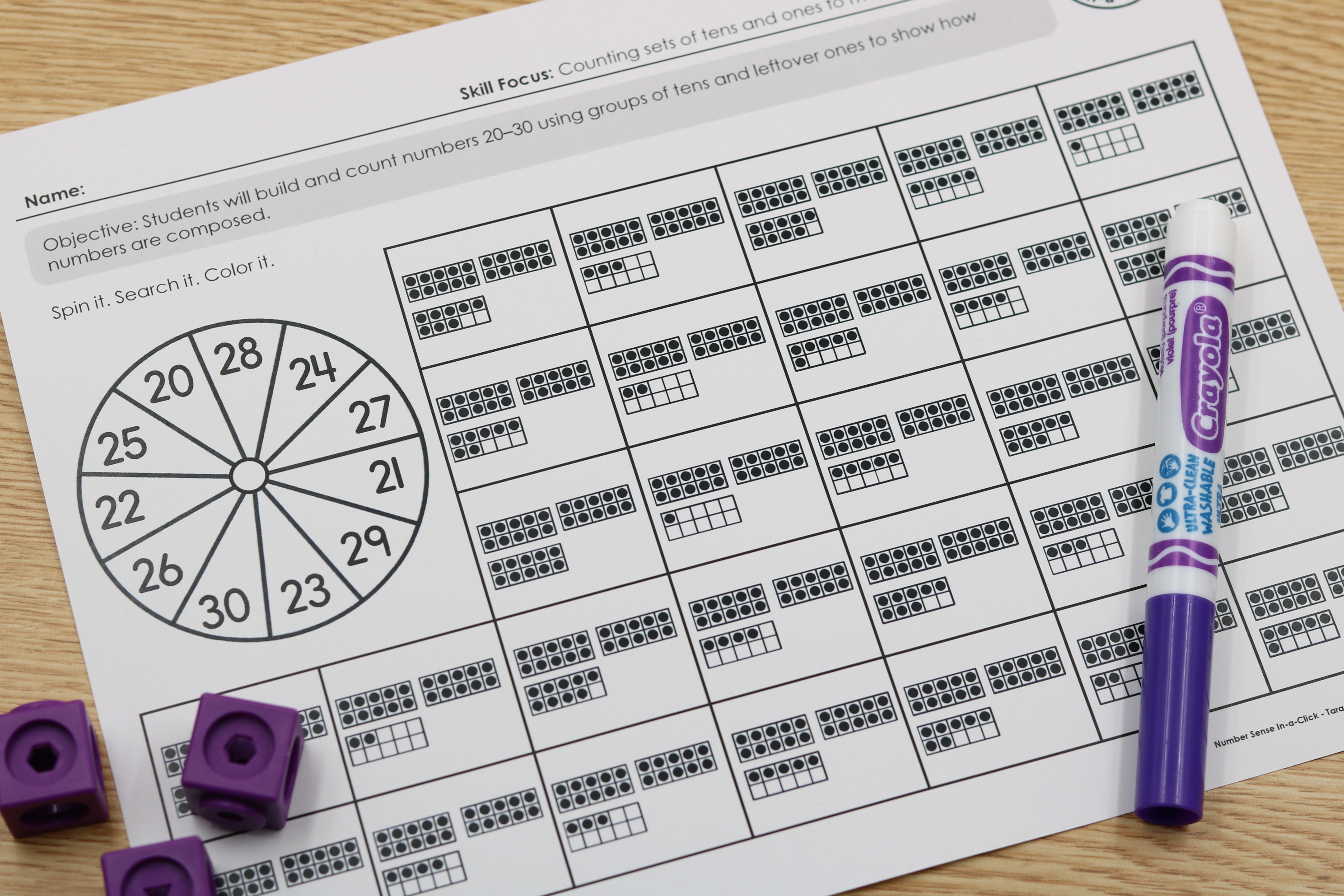
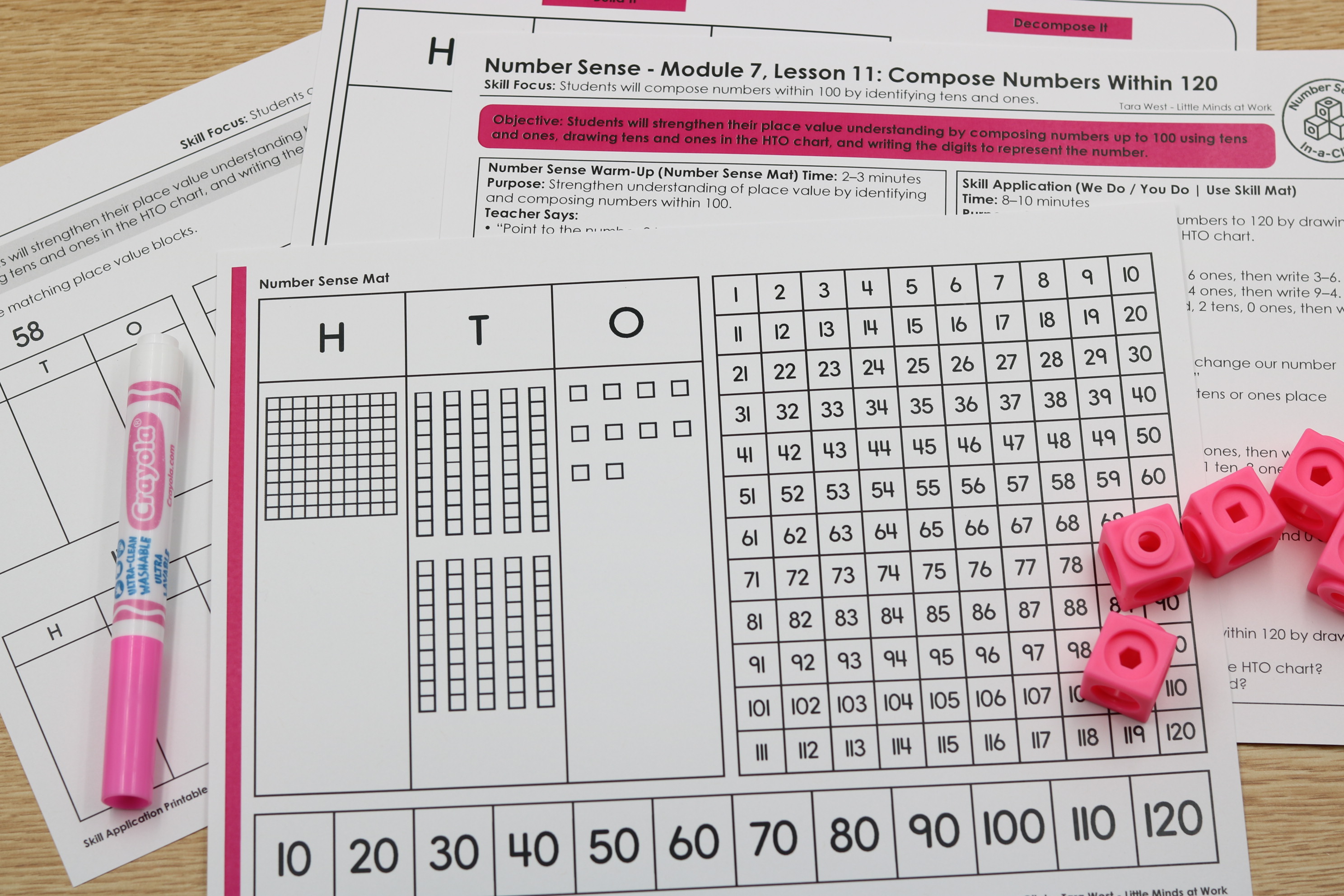
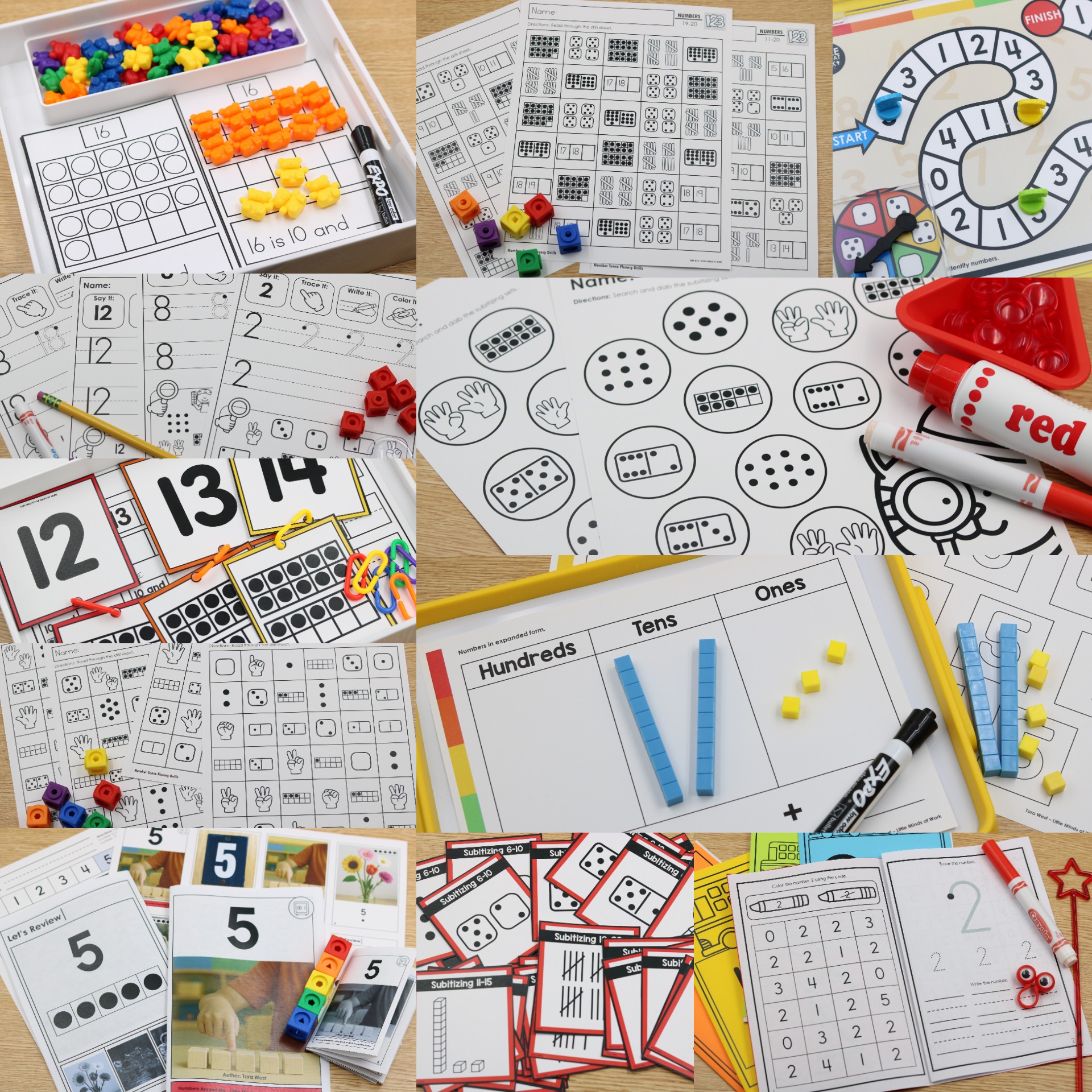
That's why I created Number Sense In-a-Click. This comprehensive resource provides a carefully sequenced progression of lessons that help students build understanding before moving to mastery. Across seven modules and more than 175 lessons, students develop essential skills in counting, cardinality, number relationships, place value, composing and decomposing numbers, and early problem-solving.
I'll also be sharing several free number sense resources later in this newsletter, but if you're looking for a complete system that supports daily number sense instruction throughout the year, Number Sense In-a-Click provides the structure and intentional skill progression young mathematicians need to thrive.
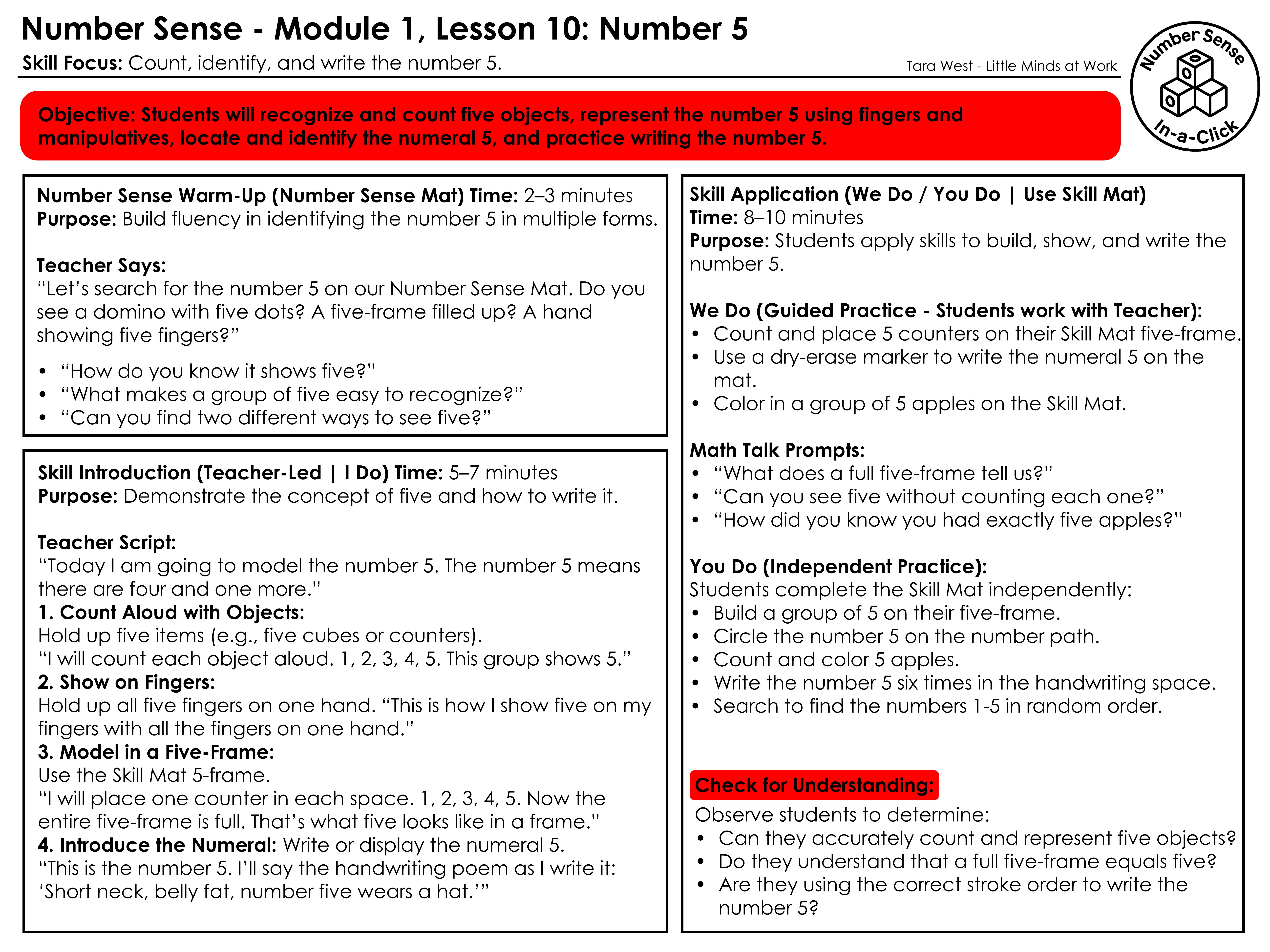
Rather than teaching isolated math skills, Number Sense In-a-Click systematically develops the understanding students need to confidently tackle addition, subtraction, place value, and future mathematical concepts. These lesson plans are exceptionally well organized, with clear headings, consistent formatting, and a logical progression from teacher modeling to guided and independent practice, making them easy for educators to follow and implement effectively.
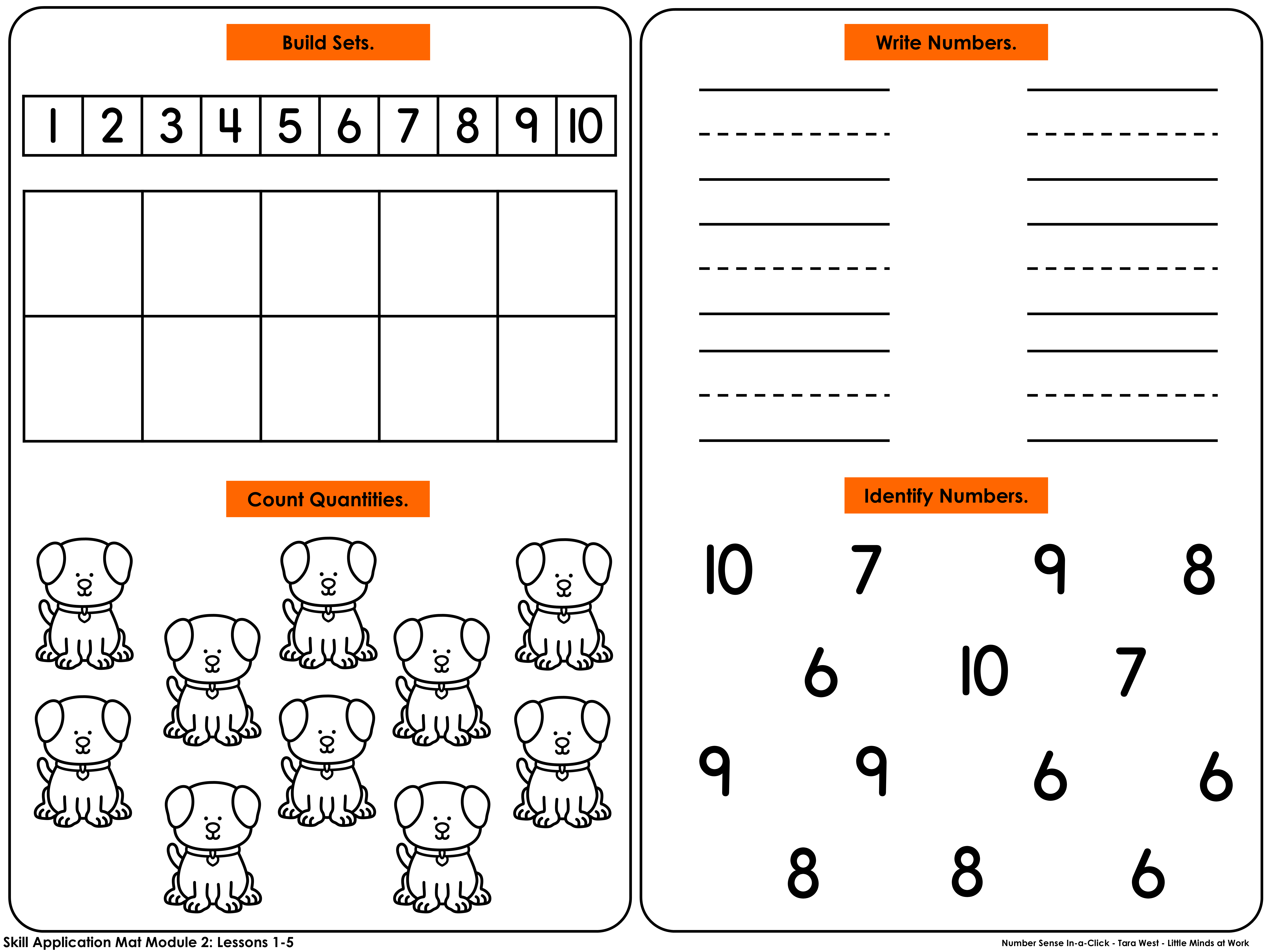
Each set of five lessons provides you with a number sense mat and skill application mat for students to apply the skill.
Build Strong Number Sense in Just Minutes a Day
This comprehensive collection of 175+ lessons helps students develop counting, subitizing, ten frames, number relationships, place value, and more through engaging, hands-on activities. 👉 View Number Sense In-a-Click Lessons
"But They Can Add..."
Many students can correctly solve addition problems but struggle to explain what the numbers actually mean. Memorized procedures can sometimes hide gaps in understanding. A child may know that 8 + 5 = 13 but be unable to explain why the answer makes sense or how the numbers relate to one another. They may solve a problem correctly one day but become confused when the same concept is presented in a different way.
When students rely only on rules, they often have difficulty applying math in new situations. Number sense helps children understand the "why" behind the math, creating flexible thinkers instead of students who simply follow steps.
See Number Sense in the Real World
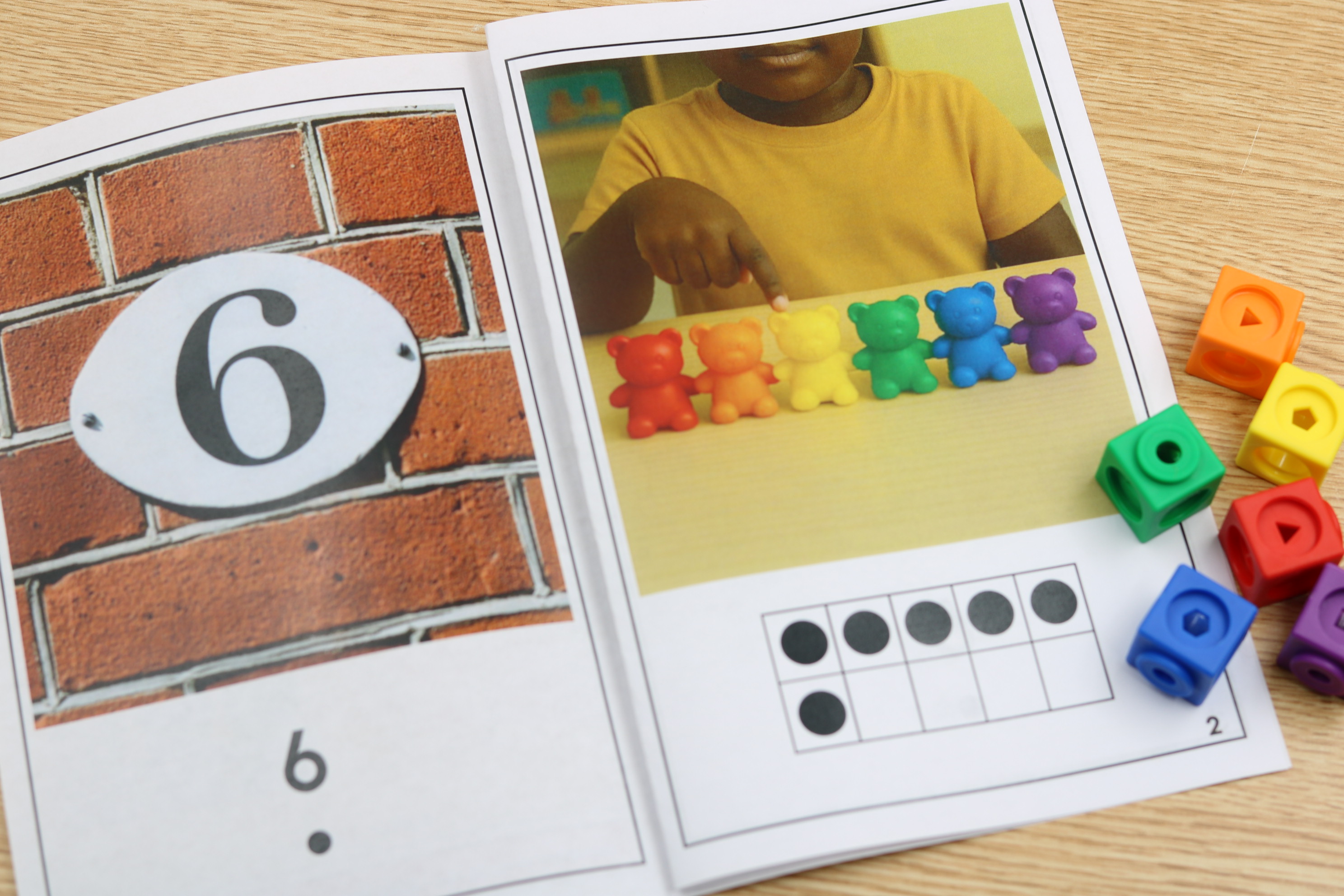
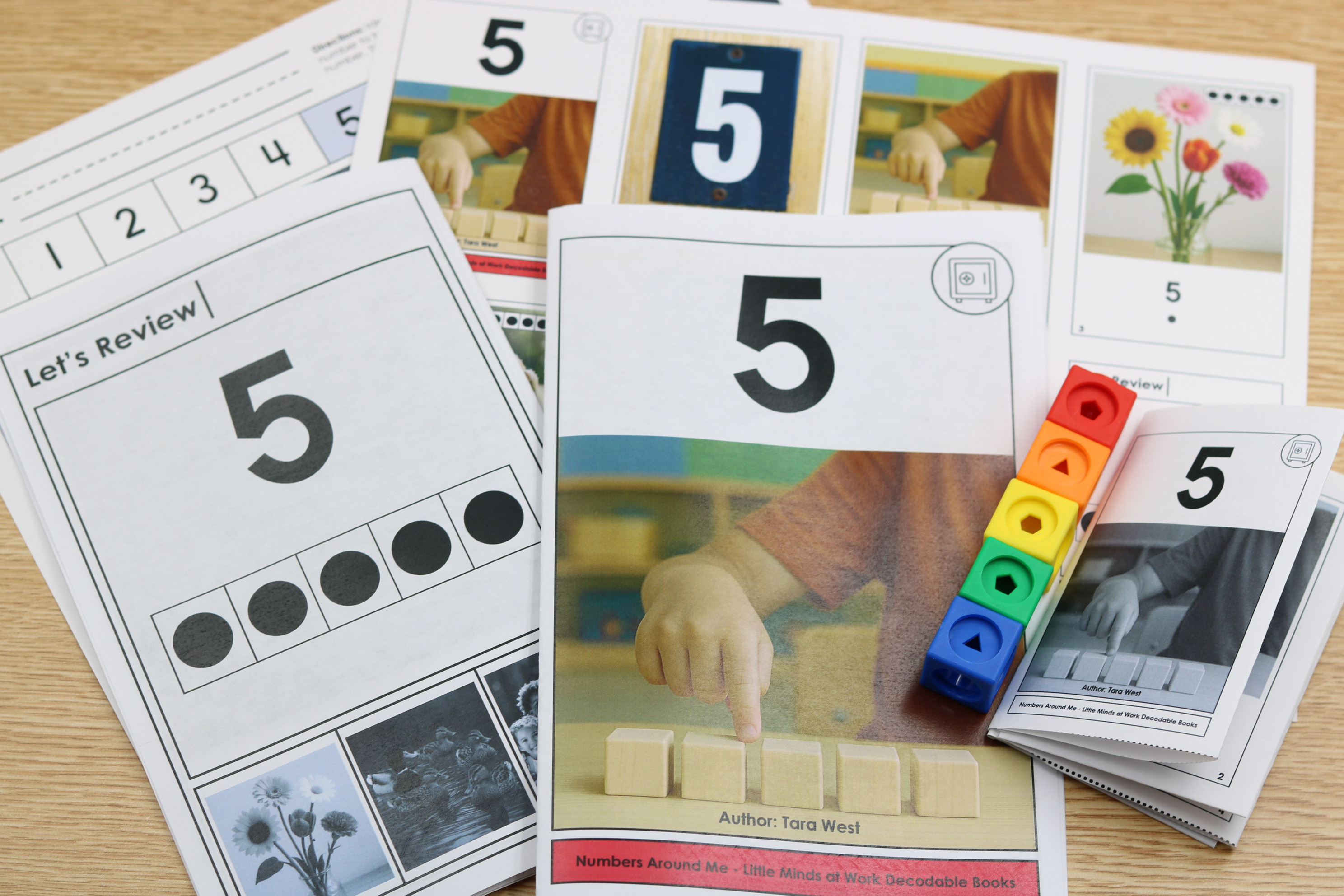
These free printable readers help students discover numbers all around them while strengthening number recognition, counting, and quantity awareness.
More Than Tracing Numbers
As students write, identify, and interact with numbers, they strengthen the foundational skills needed for counting, number sense, and mathematical confidence.
When Numbers Don't Yet Make Sense
A teacher once asked a student about the number 12, and the child responded, "It's a 1 and a 2." While the student correctly identified the digits, they did not yet understand that the number 12 represents one group of ten and two additional ones as a 1 and a 2 is actually 3. This is a common misconception when students learn to recognize numerals before developing a deep understanding of quantity and place value.
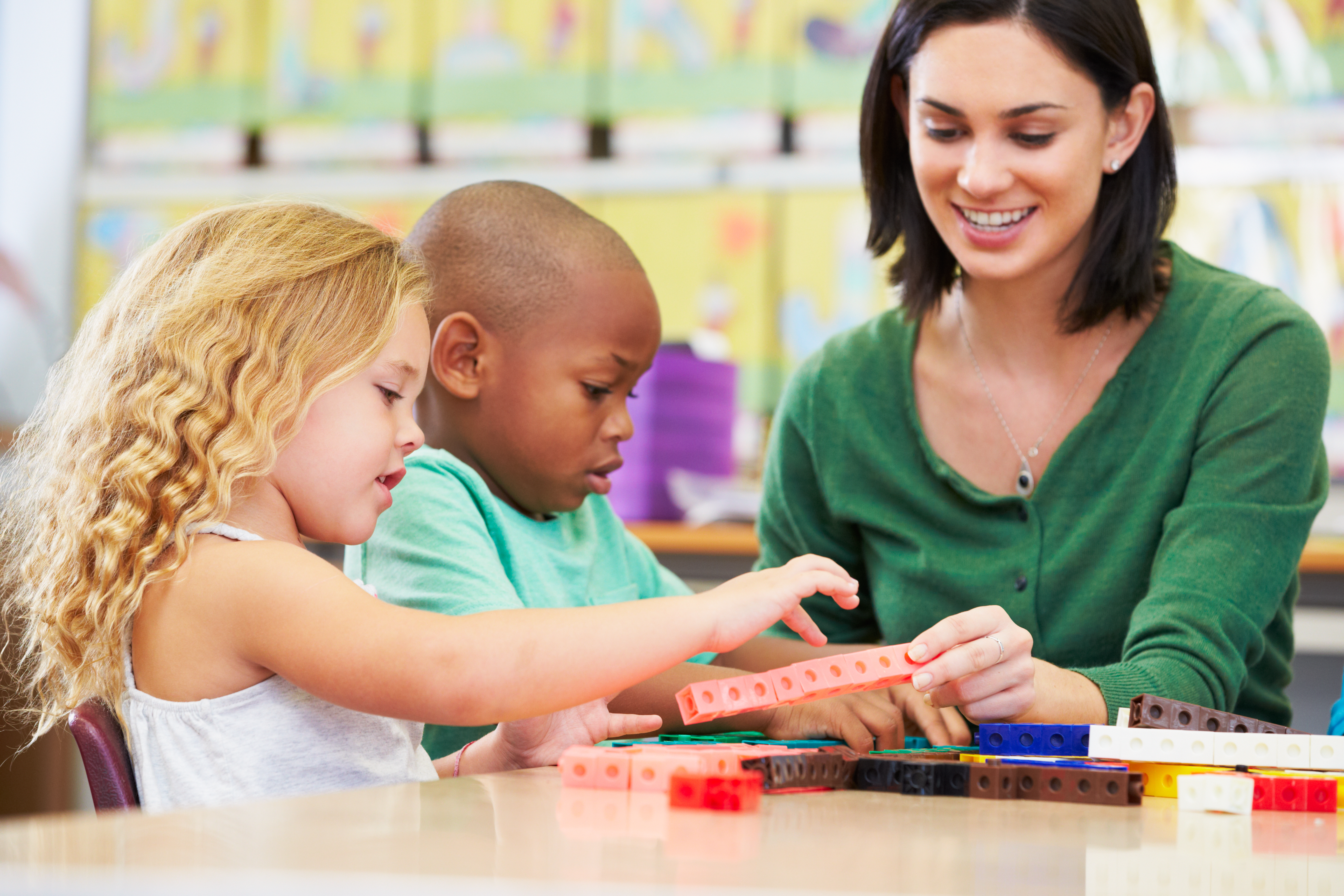
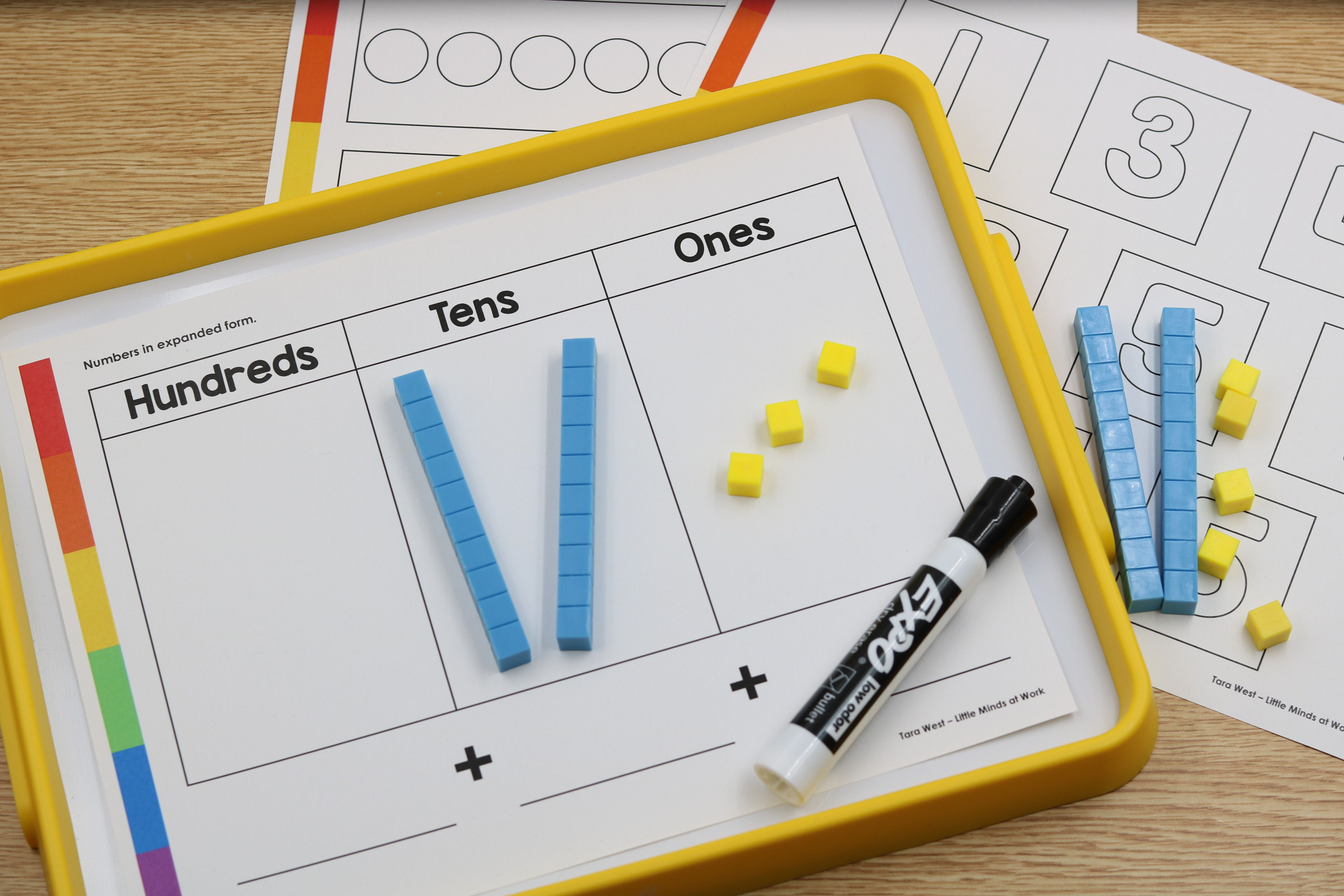
One of the best ways to build this understanding is through concrete experiences. For example, giving students a cube stick made of 10 connected cubes and 2 extra cubes allows them to physically see that 12 is not "1 and 2," but rather 10 and 2 more. Before jumping into teen numbers, consider spending time simply having students build "ten sticks" with linking cubes. These hands-on experiences help students understand that a ten stick represents ten individual ones joined together, creating the foundation needed for place value, number sense, and future mathematical success.
Build Stronger Number Sense With Ten Frames
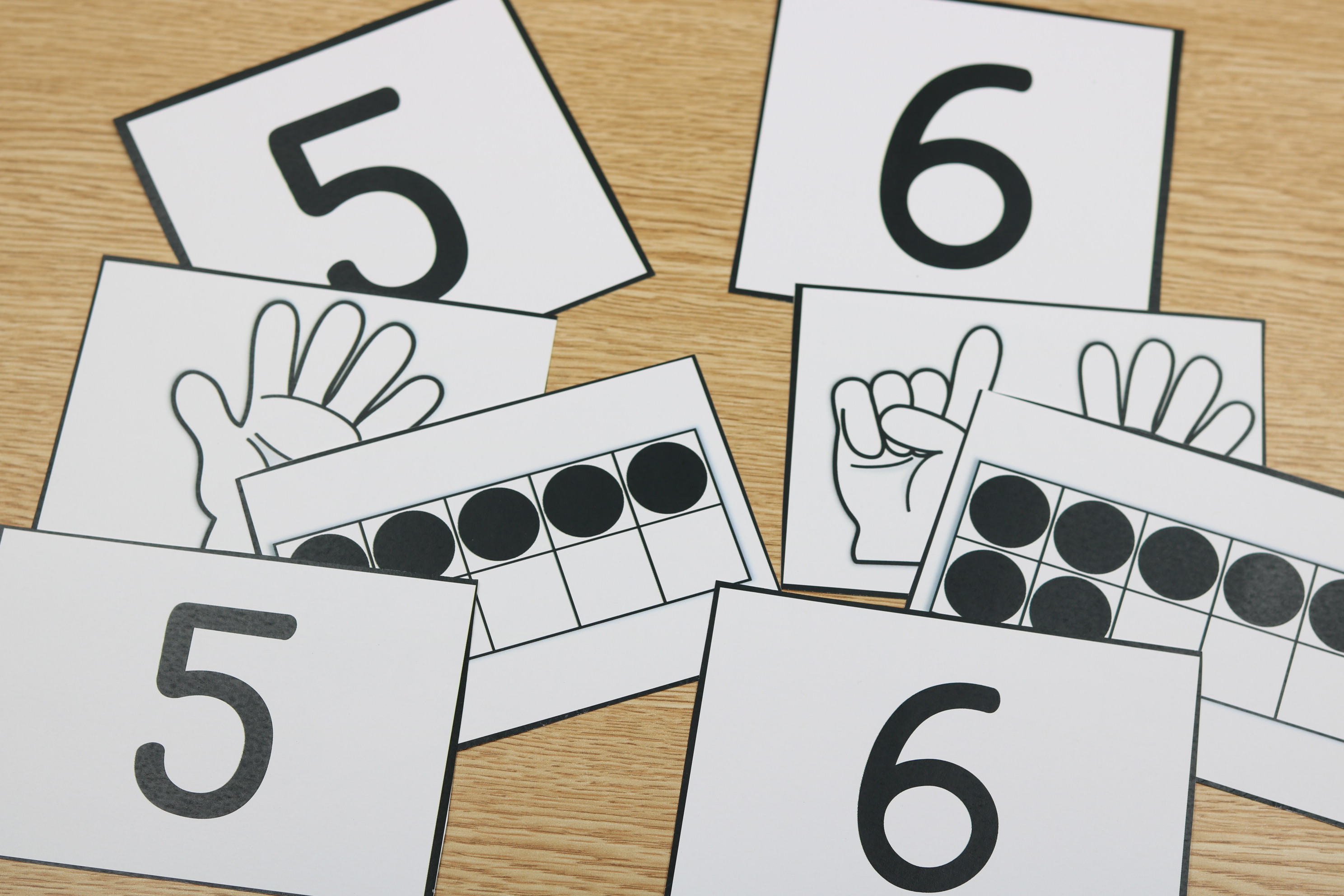
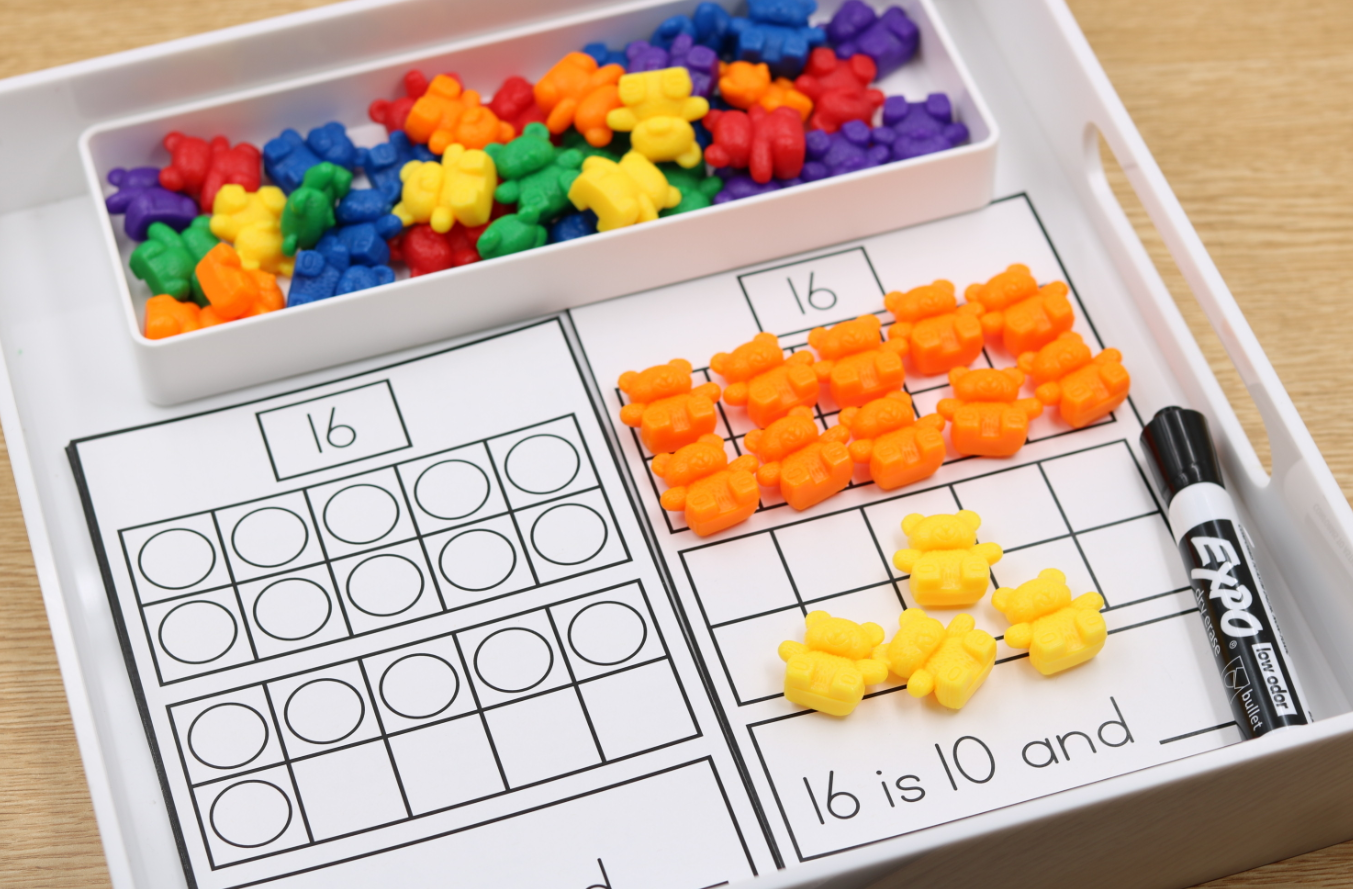
These free ten frame mats help students visualize quantities, develop subitizing skills, and understand number relationships in a concrete way. Ten frames provide one of the most powerful tools for building number sense, helping students compose and decompose numbers.
Unlock the Mystery of Teen Numbers
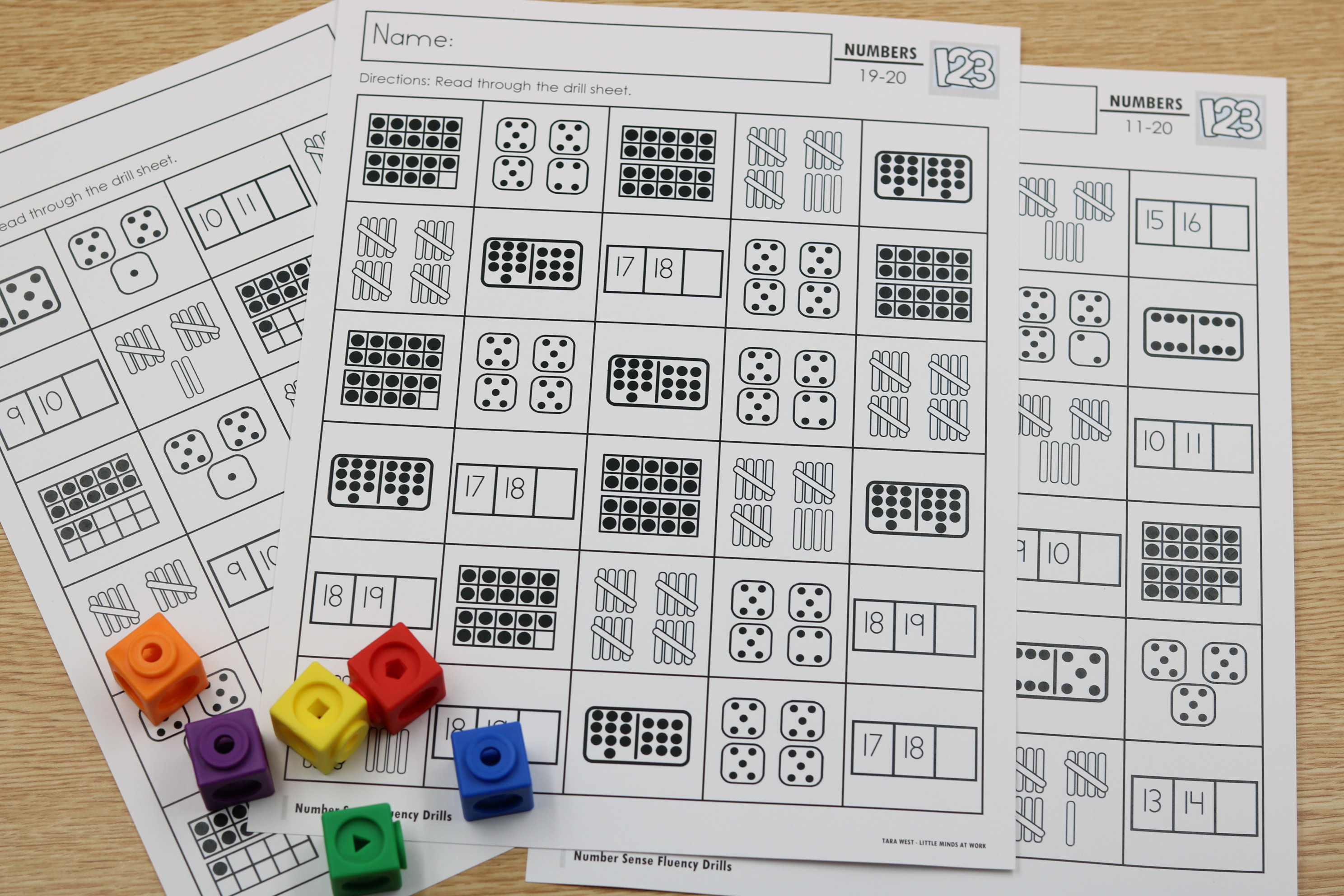
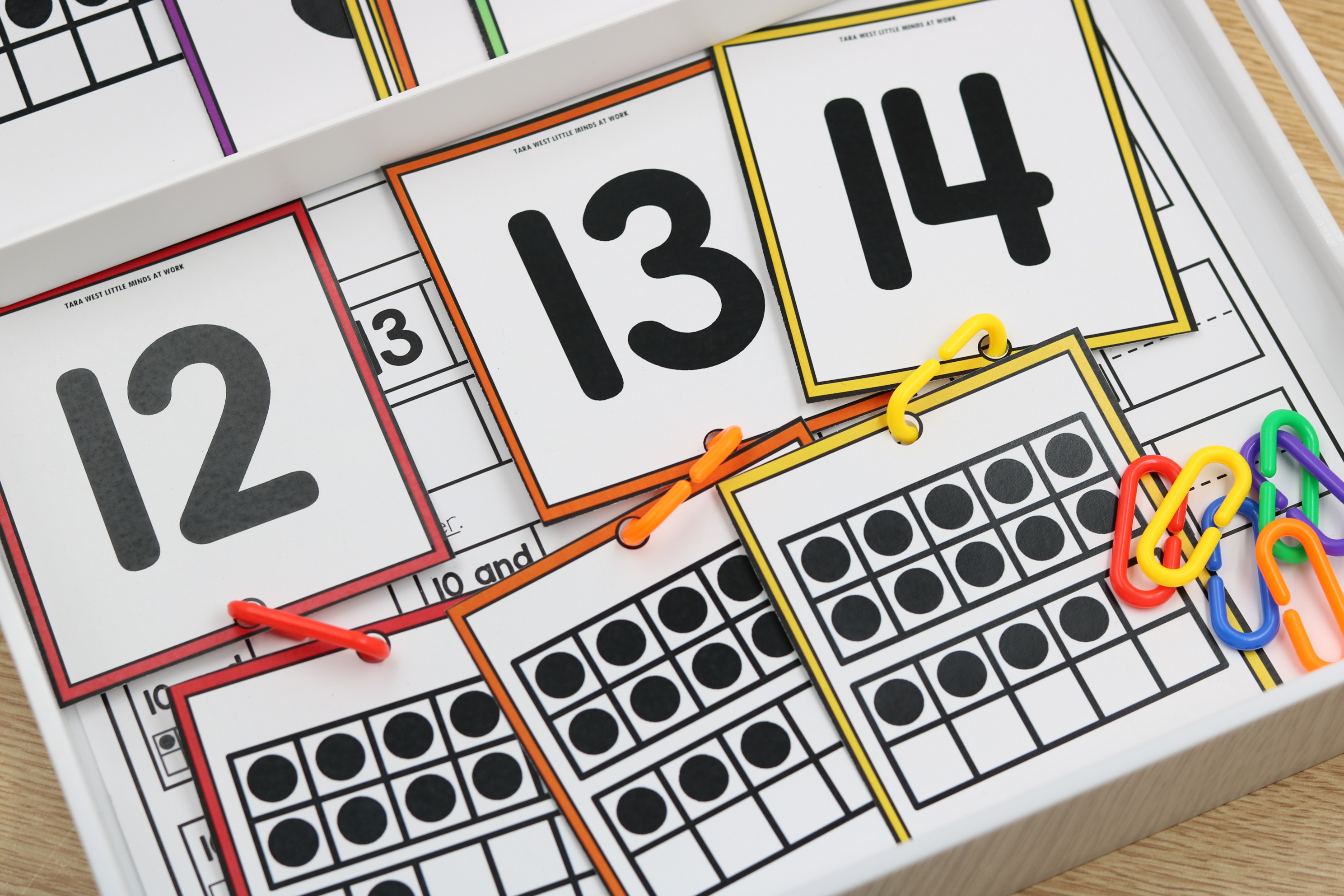
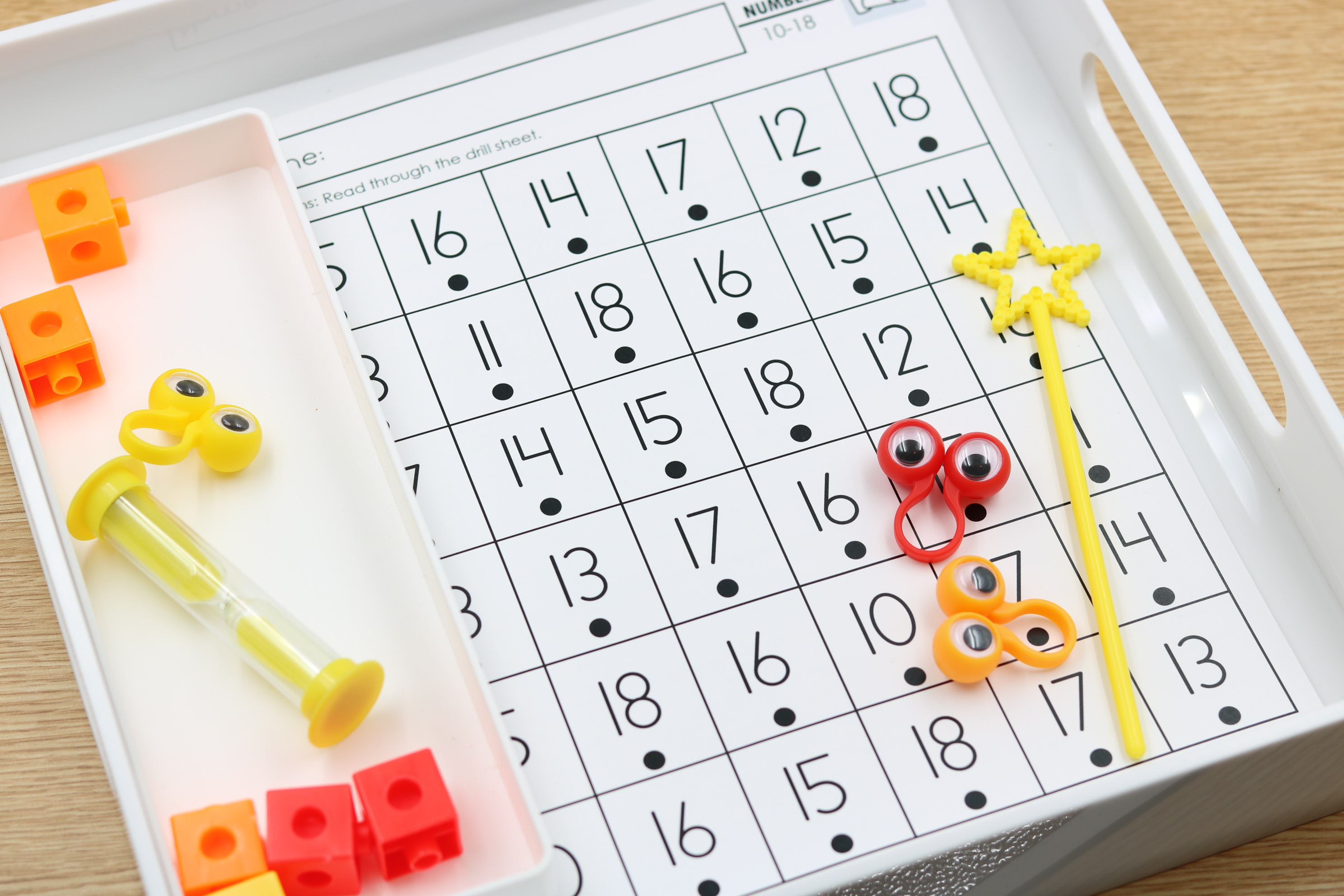
These free teen number drills help students move beyond memorization by understanding that teen numbers are made of one ten and some extra ones. Through focused practice, students strengthen place value concepts, number sense, and the foundational skills needed for future math success.
When Number Sense Gets Skipped
Some math programs simply do not give number sense the time and attention it deserves. The lessons may teach the skill for the day, but they often move on before students have had enough time to explore numbers, build quantities, notice patterns, and make connections. When foundational work is rushed or skipped, students may appear to understand the lesson in the moment but struggle when the numbers look different, the model changes, or the problem asks them to think in a new way.
Number sense is not extra. It is the foundation that helps students understand what numbers mean, how they relate, and why strategies work. When students are given time to build, talk, compare, count, subitize, and reason, they become more flexible and confident mathematicians. Without that foundation, future math skills can feel like isolated steps instead of connected ideas.
Support Early Number Sense With Meaningful Practice
By connecting numbers to quantities and visual models, these free booklets help students develop a strong foundation for future mathematical thinking.
Make Number Sense Interactive
Strong number sense develops when students interact with numbers in meaningful ways. These free magnet mats help students visualize quantities, manipulate numbers, and make mathematical connections while keeping learning engaging and interactive.
Subitizing: A Powerful Early Skill
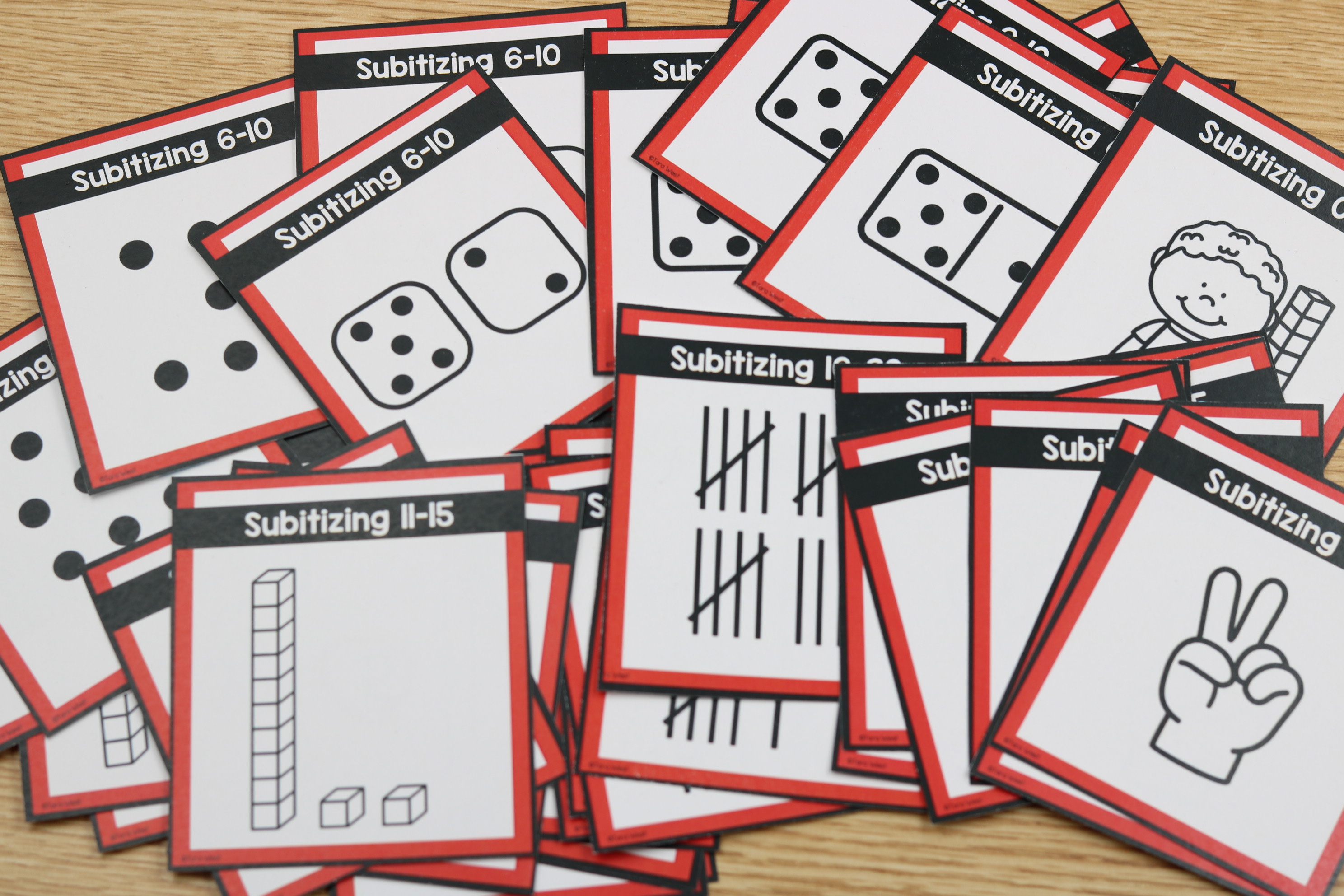
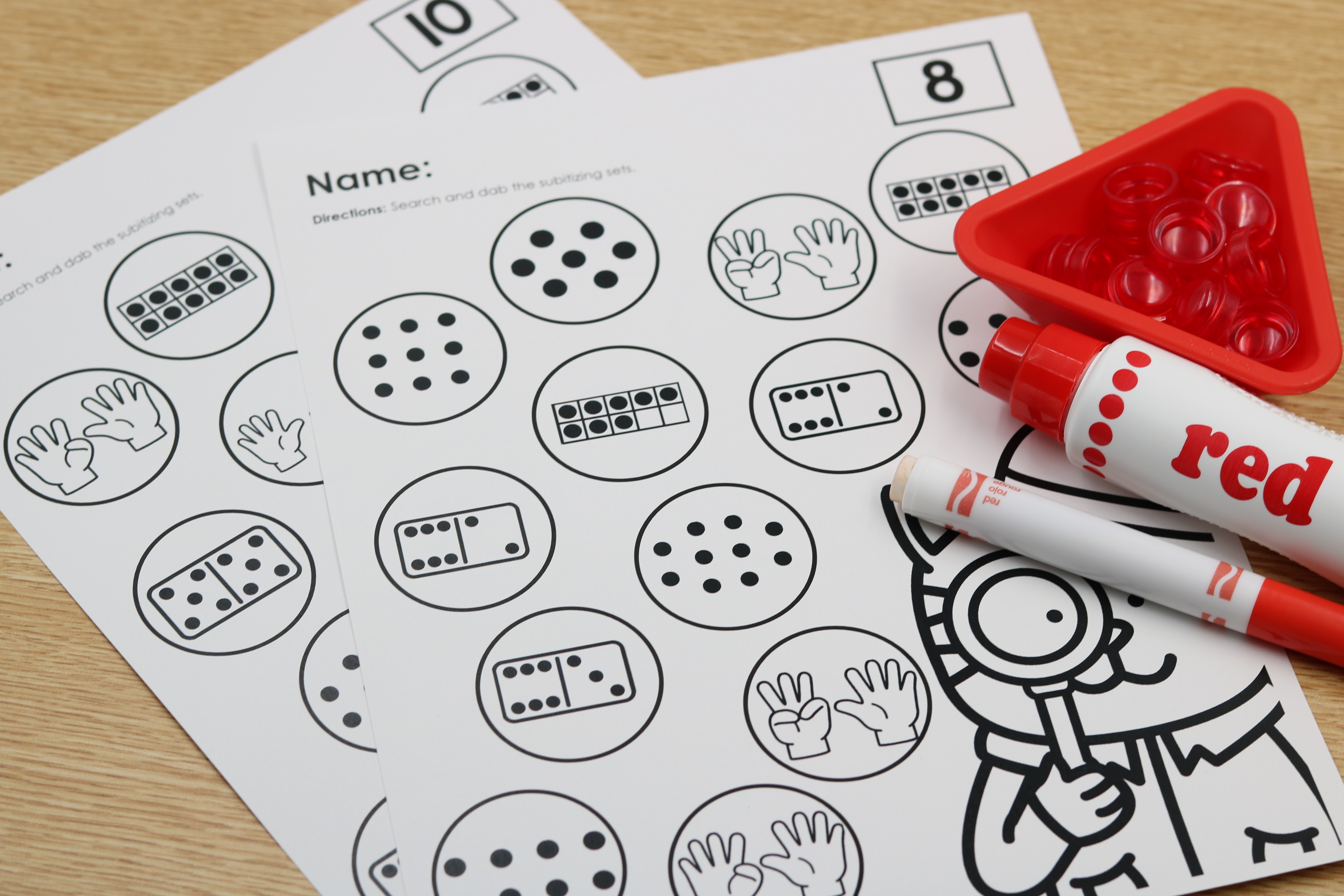
Subitizing is the ability to instantly recognize how many objects are in a small group without counting. It helps children develop efficiency and strengthens number relationships. Students who can quickly recognize quantities often become more confident problem solvers. This simple skill lays important groundwork for addition, subtraction, and place value.
Teach Students to See Numbers, Not Count Them
Subitizing helps children recognize patterns and quantities quickly, building efficiency, confidence, and flexible mathematical thinking.
Build Fluency While Strengthening Number Sense
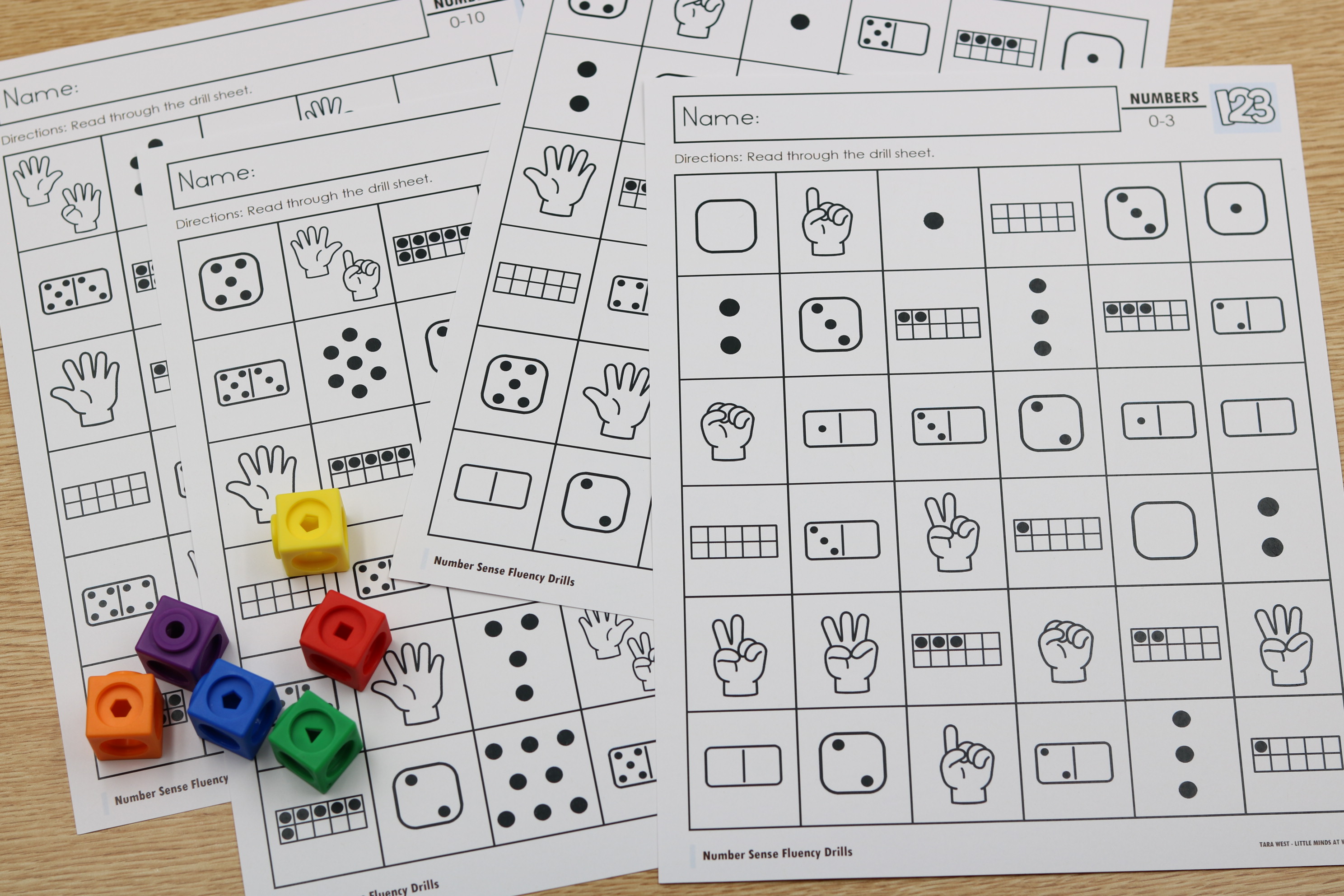
These free number sense fluency drills help students develop counting, quantity recognition, number relationships, and automaticity with numbers 0-10.
Looking Beyond Correct Answers
A correct answer does not always mean a student truly understands the concept. Many students can arrive at the right answer by memorizing a procedure, copying a pattern, or recalling a fact they have practiced repeatedly. Asking students how they solved a problem often reveals much more about their mathematical understanding than the answer itself. Can they explain their thinking? Can they represent the number in different ways? Can they solve the problem using more than one strategy?
Students with strong number sense are flexible thinkers. They understand relationships between numbers and can adapt their strategies when faced with new situations. They are able to justify their reasoning, make estimates, and recognize when an answer makes sense. In mathematics, the thinking behind the answer is often just as important as the answer itself.
Turn Math Centers Into Meaningful Number Sense Practice
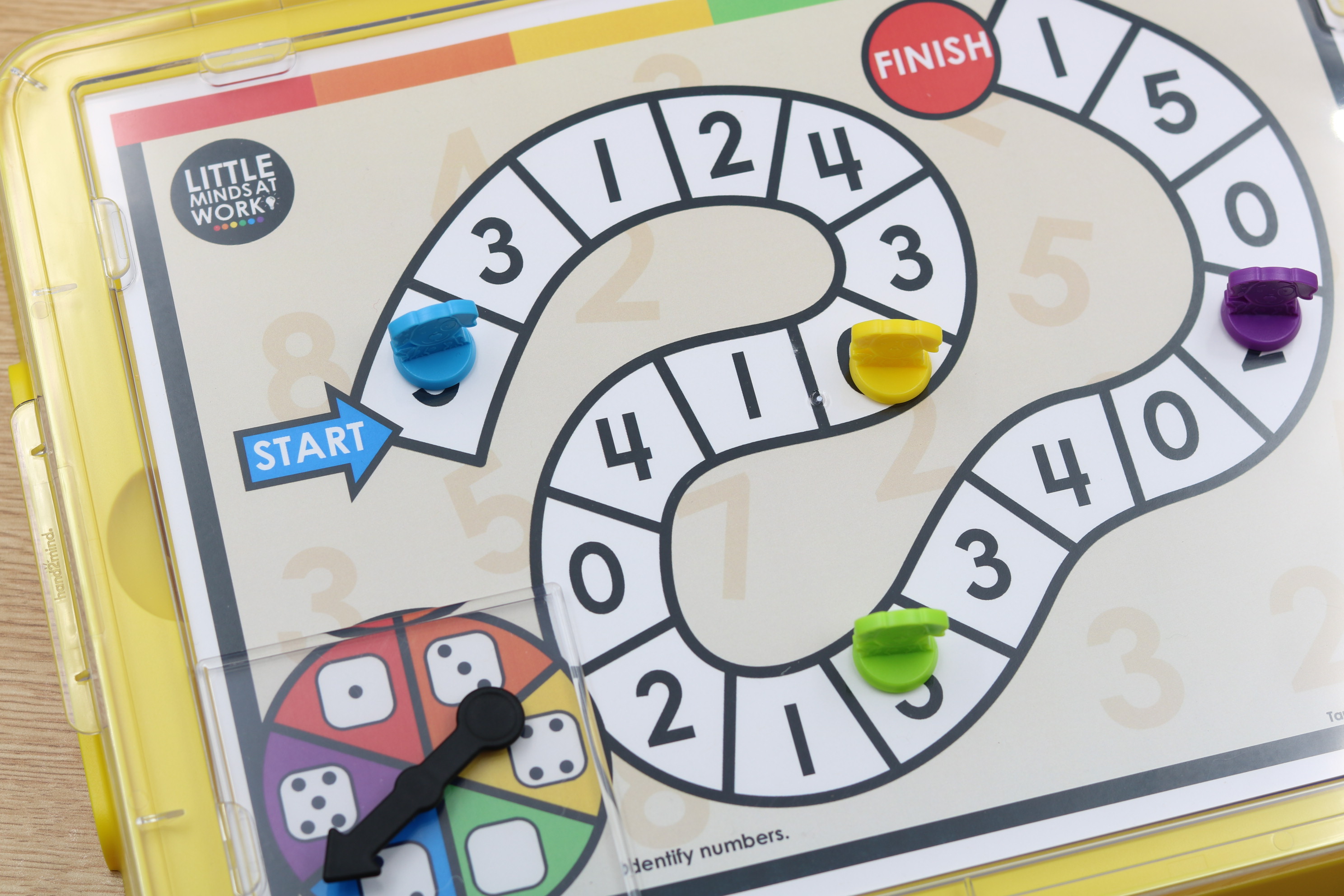
These free game boards help students strengthen counting, number recognition, subitizing, number relationships, and early math fluency through hands-on play.
Make Number Sense Connections Stick
These free Number Sense Link-Ups help students connect numbers, quantities, ten frames, number words, and visual models to deepen mathematical understanding.
Building Number Sense One Day at a Time
Number sense grows through meaningful experiences and repeated exposure. Activities involving counting, ten frames, number talks, and visual models help children make sense of numbers. Small daily routines can have a lasting impact on mathematical understanding. Consistency is often more powerful than complexity.
A Collection of Number Sense Favorites
Looking for a variety of number sense activities? This free bundle includes 16 math resources focused on counting, number recognition, subitizing, number relationships, and other foundational skills.
Quick Practice. Stronger Number Sense.
These free drill sheets provide focused opportunities for students to build fluency while reinforcing foundational number relationships.
Wrapping Up
If there's one takeaway from this week's Flashback Friday, it's that number sense is not just another math skill. It is the foundation that helps students understand quantities, recognize patterns, make connections, and develop confidence as mathematicians. The stronger a student's number sense, the more prepared they are for everything that follows, from addition and subtraction to place value and problem solving.
I hope the freebies shared throughout this newsletter give you some simple ways to strengthen number sense in your classroom. If you're looking for a complete, systematic approach, Number Sense In-a-Click was designed to help you build these critical skills through engaging, hands-on lessons that make numbers meaningful.
Thank you for spending a little time with me this Flashback Friday. I appreciate you being here, and I hope you found a few ideas, resources, and reminders that you can put into practice with your students right away. Looking for even more number sense and math resources? 👉 Browse the complete freebies library HERE.